
Film
The White Hell of Pitz Palu
- Survival adventure
- Drama
- Very dark
A 1929 German expedition film about obsession and rescue on a deadly mountain. Shot on location with real climbers and stunning Alpine cinematography, it's a tense, visually hypnotic story of a man returning to a peak that took his wife. For anyone who loves the marriage of landscape and narrative, or the strange allure of early sound cinema.
If you liked this
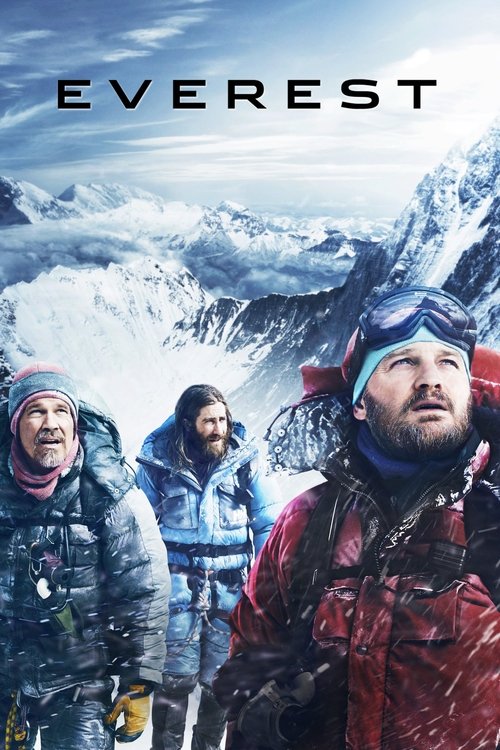
Everest2015
Modern disaster film with the same DNA: terrible weather, human ambition crashing against nature, moral choices made in thin air. Exceptional mountain cinematography and a strong ensemble cast.
But Relies heavily on big names and spectacle rather than character depth. Some of the drama feels manufactured rather than earned.
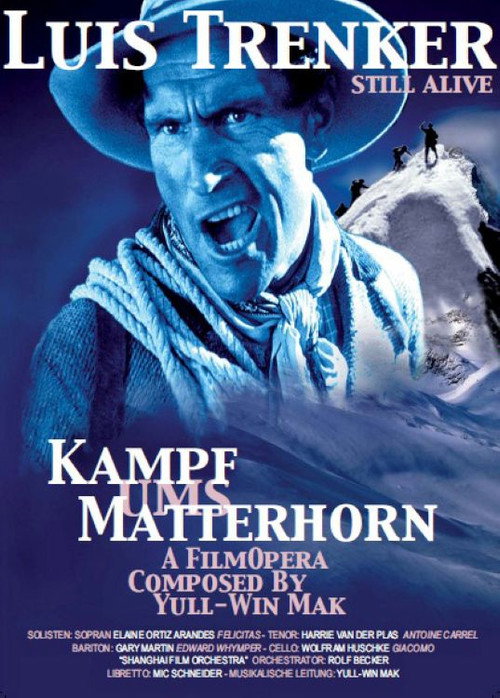
The Fight for the Matterhorn1928
A direct contemporary of Pitz Palu, also German, also obsessed with the beauty and cruelty of high peaks. Shares that same hypnotic quality and practical stunt work that makes early climbing films feel genuinely perilous.
But Silent film with intertitles. Image quality varies. No narrative momentum; it's more contemplative than dramatic.
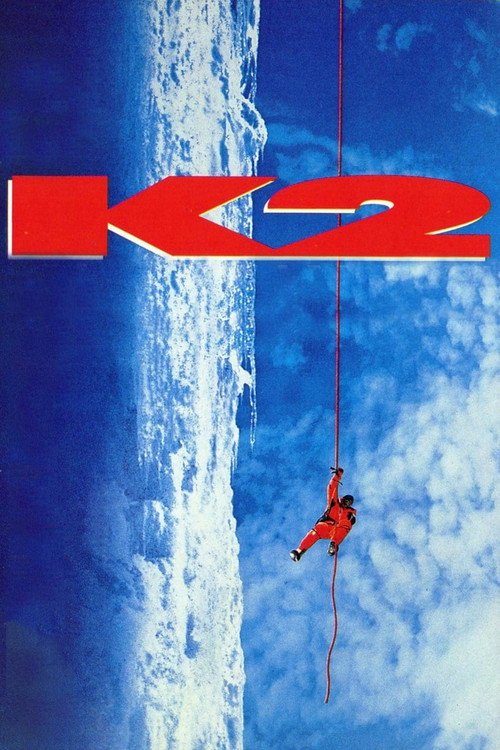
K21991
Lean, intense two-hander between climbers on the world's second-tallest mountain. Real locations, real stakes, minimal crew. It captures that suffocating intimacy of extreme altitude.
But Low budget shows. The dialogue is sparse to the point of being thin. Pacing drags in the middle third.
Not sure tonight? Get a pick in a minute, starting from The White Hell of Pitz Palu
The wildcard
Something you would not have found on your own.
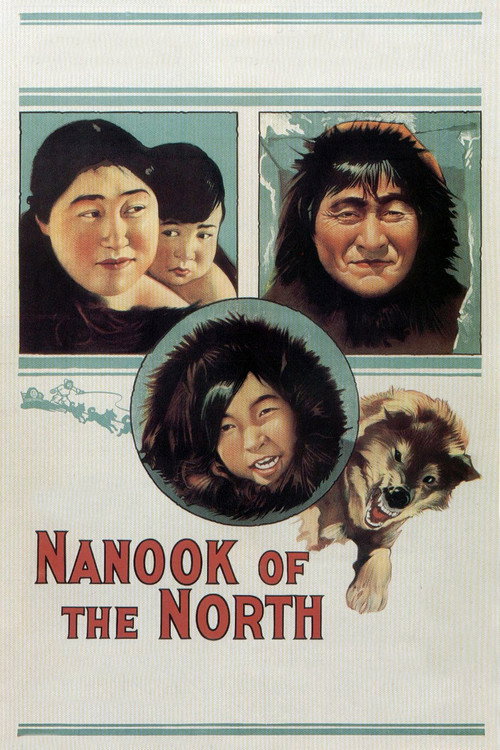
Nanook of the North1922
Both are foundation films for how cinema captures extreme human experience in unforgiving environments. Both privilege landscape as equal to character. Nanook asks the harder question: whose story is being told?
Flaherty's documentary of Inuit life in the Arctic—contemporaneous with early expedition cinema, but inverts Pitz Palu's priorities. Both films are about humans versus landscape, but Nanook asks who gets to tell the story, and what counts as survival. Revolutionary cinematography.
But Constructed sequences blur the line between documentary and performance. Pacing is deliberate to the point of stillness. The ethical questions about representation are unavoidable and uncomfortable.
More like this (6)
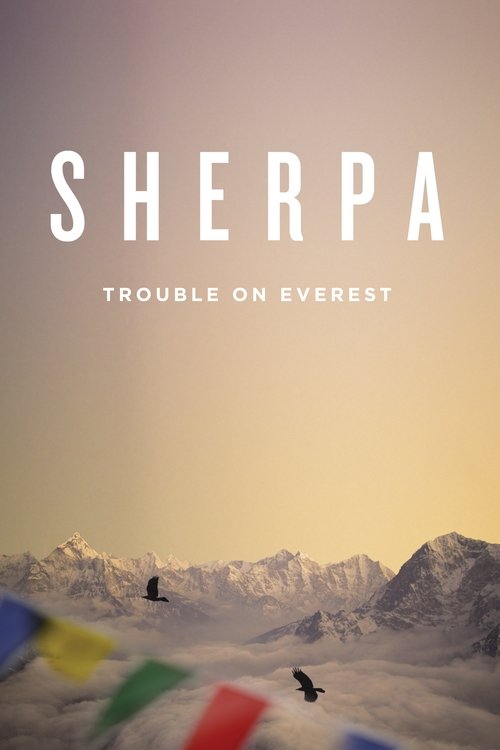
Sherpa2015
Documentary about the 2014 Everest avalanche that killed sixteen Sherpa climbers. Shifts perspective away from wealthy climbers to the workers who make expeditions possible. Morally urgent.
But Tragic and sometimes difficult to watch. Less about the experience of climbing than about labor and class exploitation.
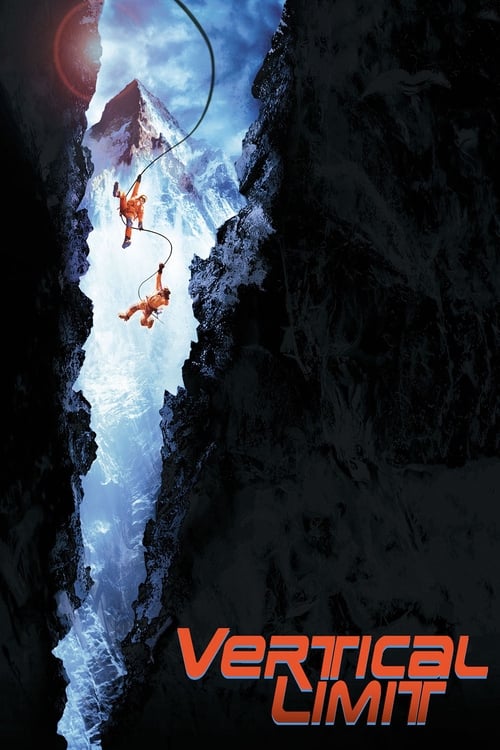
Vertical Limit2000
Pulp adventure rescue film set on K2. Unapologetic fun, solid action, charismatic cast. If you want Pitz Palu's DNA remixed as pure entertainment, this delivers.
But Plot is tissue-thin. Embraces Hollywood melodrama over authenticity. Some sequences strain credibility even by action-film standards.
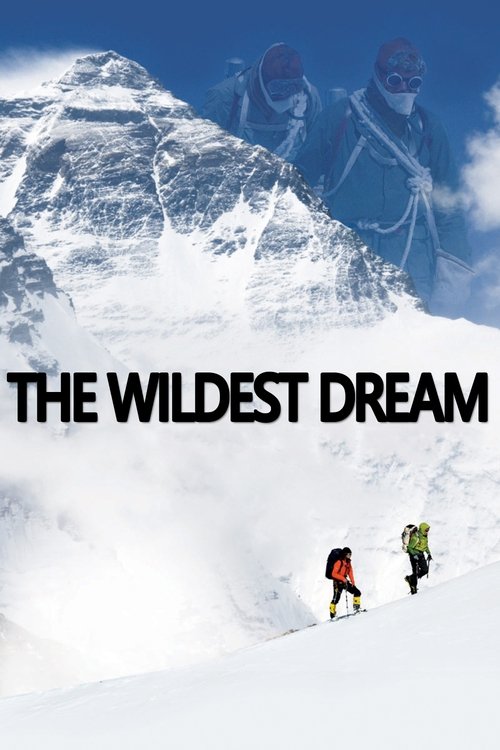
The Wildest Dream2010
Documentary following climber Cory Richards as he attempts to summit Everest while photographing the climb. Staggering real footage, existential questions about risk and memory.
But Technical climbing jargon may alienate viewers without mountaineering knowledge. Some sequences are vertiginously terrifying rather than thrilling.
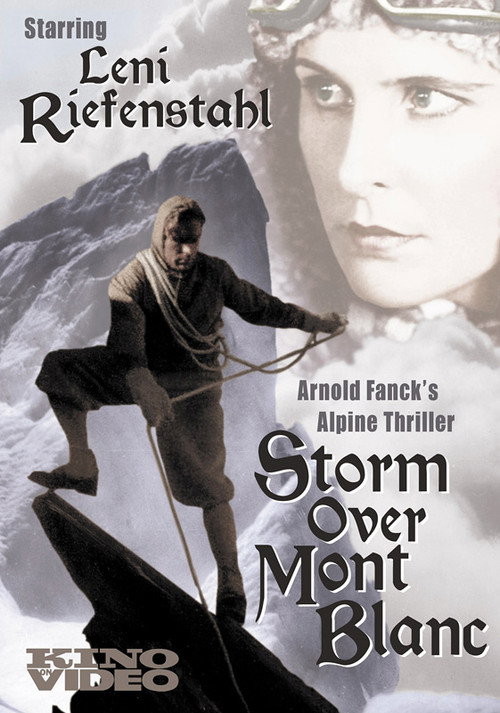
Storm Over Mont Blanc1930
French alpine film from the same year as Pitz Palu, competing for the same audience. Uses real locations and practical effects. A fascinating period comparison piece about how nations portrayed mountain adventure.
But Print quality is inconsistent. Plot is serviceable but thin. Feels more like a document than a fully realized drama.
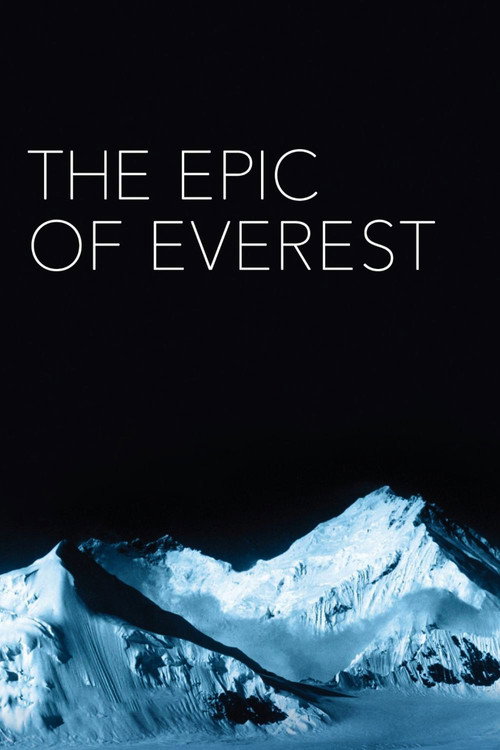
The Epic of Everest1924
Documentary of the 1924 British Everest expedition, shot on film during the climb. Genuinely pioneering cinematography. Watch for the historical record and the images themselves.
But Silent, fragmentary, and very slow by modern standards. Lacks narrative shape. The tragic ending is historical fact, not revelation.
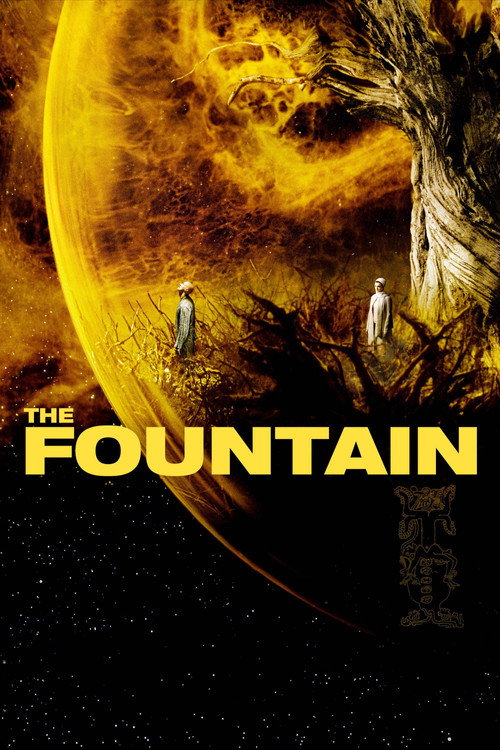
The Fountain2006
Both films are built on a single obsessive act repeated under impossible conditions. Both use landscape (mountain, tree, space) as a metaphor for emotional distance. Both ask: at what point does devotion become pathology?
Darren Aronofsky's three-era meditation on obsession and impossible journeys. Visually ornate where Pitz Palu is stark, but structurally identical: a man driven to cross an unbridgeable distance to undo loss. Astonishing craft across all three timelines.
But Difficult, symbolically dense, and emotionally demanding. The ambitious narrative can read as pretentious. Not remotely what audiences expected from the marketing.
People
Cast
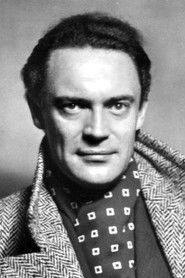 Gustav DiesslDr. Johannes Krafft
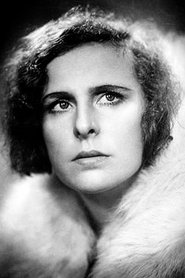 Leni RiefenstahlMaria Maioni
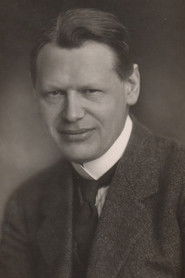 Ernst PetersenHans Brandt
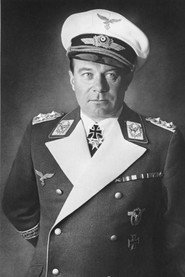 Ernst UdetFlieger Udet
- Mizzi GötzelMaria Krafft
- Otto SpringChristian Klucker
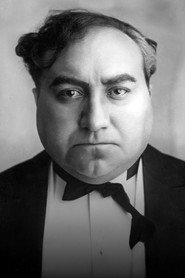 Kurt Gerronguest at night club (Mann im Salon)
- Charles McNameeNarrator in USA sound version (voice)
Directing
- Marc SorkinAssistant Director
- Arnold FanckDirector
- G.W. PabstDirector
Writing
- Arnold FanckWriter
- Ladislaus VajdaWriter
Production
- Heinz LandsmannLocation Manager
- Harry R. SokalProducer
- Heinz LandsmannUnit Manager
Recommended by
S.O.S. Iceberg, The Fight for the Matterhorn, Storm Over Mont Blanc