
Film
Storm Over Mont Blanc
A 1930 Alpine drama about isolation, duty, and survival at Europe's highest observatory. When a young woman attempts to reach her father at Mont Blanc, the mountain itself becomes the adversary. Shot on location with extraordinary silent-era mountaineering footage, it captures the austere beauty and indifference of nature with rare authenticity for its time.
If you liked this
Nosferatu1922
German Expressionist masterpiece that shares Storm's visual precision and moral gravity. Both films use landscape and shadow as characters; both are about isolation and the approach of something inevitable.
But The pacing is glacial by modern standards, and the print quality can be rough. Vampire horror may seem a world away from mountain drama.

Sunrise: A Song of Two Humans1927
Murnau's other silent masterwork. Like Storm, it's about human will tested against overwhelming odds, told through image rather than dialogue. The emotional precision is devastating.
But Also silent, also German, also from the late 1920s. If you don't connect with one, you won't with the other.

The Phantom Carriage1921
Swedish silent film with Storm's fatalism and technical ambition. Both treat death as a character; both use extreme locations to strip away pretense and expose what matters.
But Very long for a silent film, and the supernatural elements may feel dated. Not a fast watch.

Not sure tonight? Get a pick in a minute, starting from Storm Over Mont Blanc
The wildcard
Something you would not have found on your own.
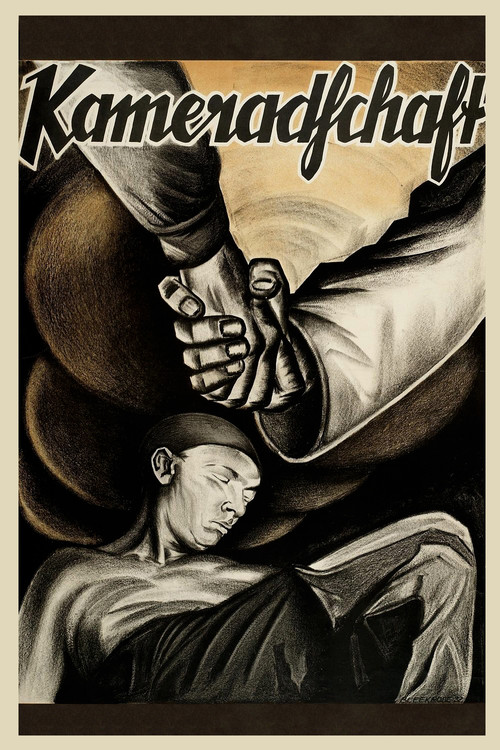
Comradeship1931
Both German films made in adjacent years about men and women in extreme, isolated environments where bureaucracy and nature collide.
German talkie (just one year later) about international miners trapped underground. Same era, same German precision, same obsession with death, duty, and what we owe each other. Directed by G.W. Pabst, made in German and French simultaneously. It's the closest sibling Storm has.
But The political context is complicated and heavy. It's also a rescue film about collective solidarity, not individual will—a different emotional shape.
More like this (7)
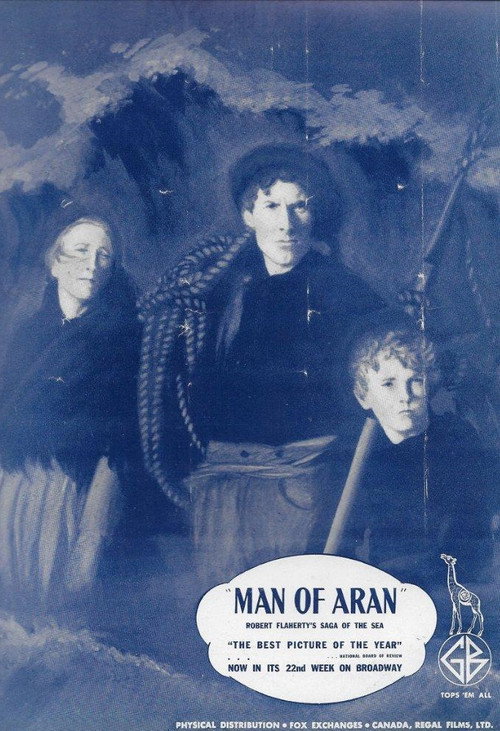
Man of Aran1934
Documentary-drama hybrid about people in extreme environments. Like Storm, it's fascinated by humans versus geography, shot on location with real stakes and no sentimentality.
But Even more austere than Storm. If you want narrative momentum, this will frustrate you.
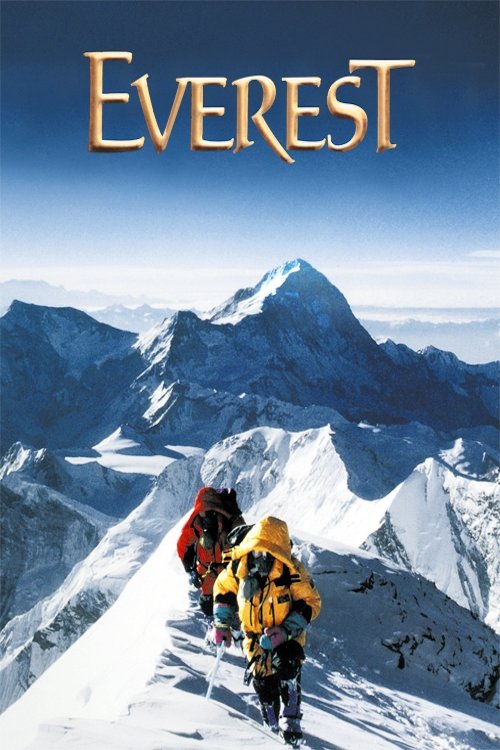
Everest1998
Modern mountaineering drama with the same core: unpredictable nature, hubris, sacrifice. The IMAX footage of the actual mountain echoes Storm's location shooting philosophy.
But It's a big, expensive Hollywood film. If you're drawn to Storm's quiet European restraint, this will feel bombastic.
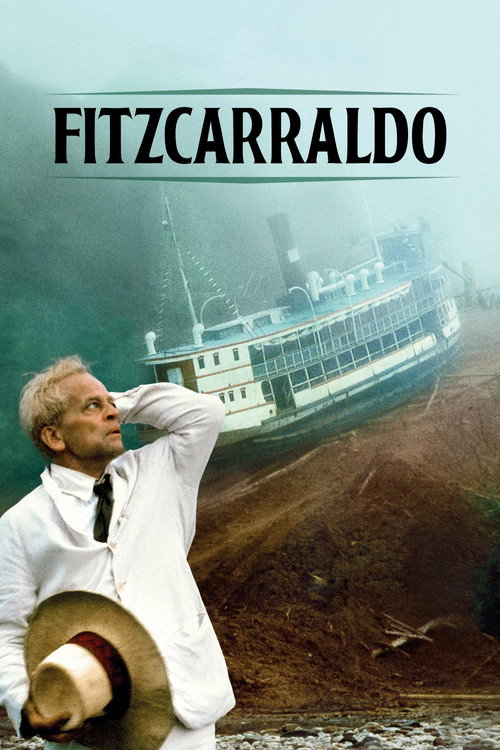
Fitzcarraldo1982
Herzog's deranged epic about will and landscape. Both films are obsessed with the mountain as witness; both were shot under extreme conditions and that authenticity shows.
But Herzog's vision is apocalyptic and strange where Storm is classical. Very long, very strange, very Herzog.
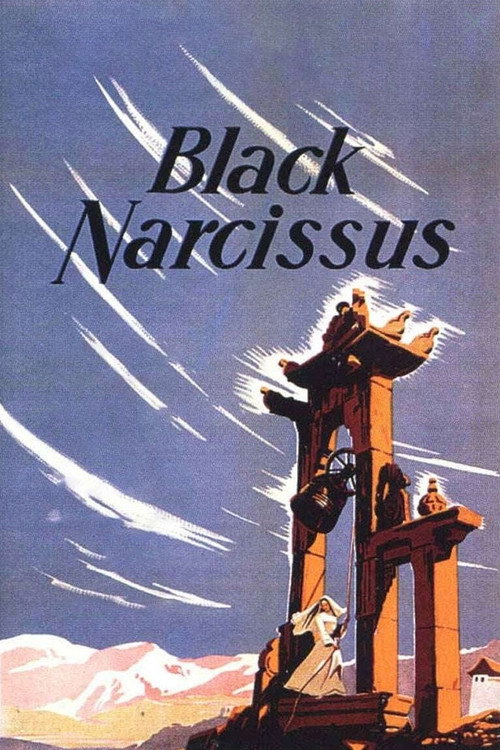
Black Narcissus1947
Powell and Pressburger on isolation in a high-altitude convent. Like Storm, it uses geography and weather as sources of psychological pressure; the Technicolor is hypnotic.
But Erotic undertones and melodrama. It's far more baroque than Storm's austere Alpine world.
The Seventh Seal1957
Bergman's meditation on death and duty. Both films are about waiting, acceptance, and what persists. The visual and emotional temperature are similar.
But Swedish, philosophical, long takes of people thinking. Not a plot film. If you want action, move on.

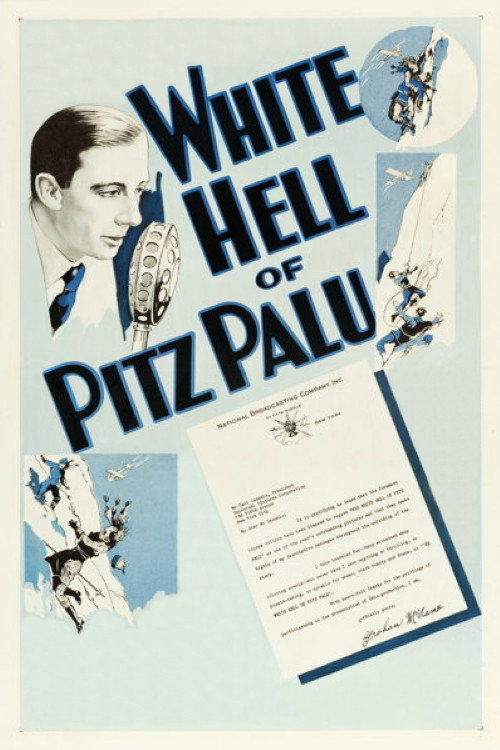
The White Hell of Pitz Palu1929
Both inaugurated (or perfected) the high-altitude mountain film genre at the turn of the 1930s, competing visions of the same landscape and obsession.
Released a year before Storm, also about mountaineers on a peak, also using location filming and the mountain as an unforgiving character. Directed by Arnold Fanck with the great Hans Steinhoff. It's the original Alpine drama template.
But More action-adventure than Storm. If you love Storm for its severity, this is pulpier.
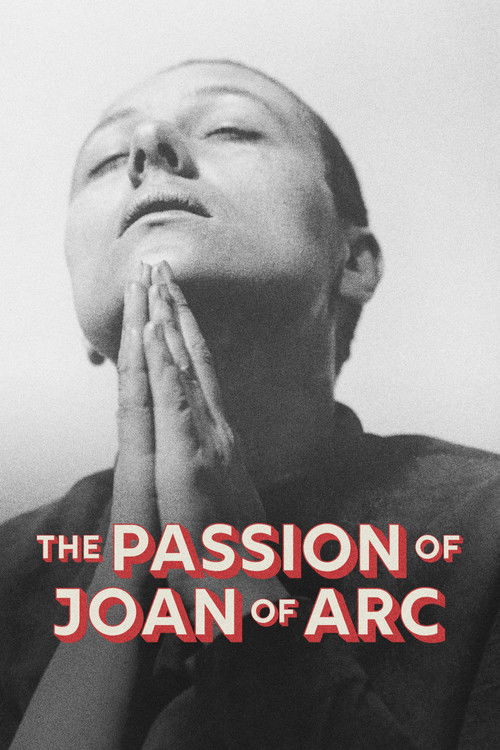
The Passion of Joan of Arc1928
Both films are about solitary witness at the moment of surrender, using extreme light and composition to make abstraction concrete and heartbreaking.
Dreyer's silent, one year before Storm. Not about mountains, but about a person facing death with absolute clarity. The visual language—close-ups, light, spatial tension—shows what Storm learned. Both are about watching someone endure the inevitable.
But It's abstract, even by silent standards. Jeanne d'Arc is interior; Storm is exterior. The comparison is tonal, not narrative.
People
Cast
 Sepp RistWetterwart Hannes
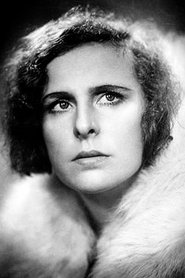 Leni RiefenstahlHella Armstrong
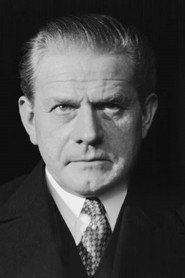 Friedrich KaysslerAstronom Armstrong
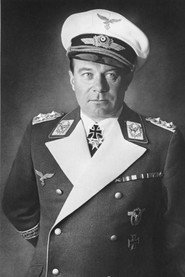 Ernst UdetFlieger Udet
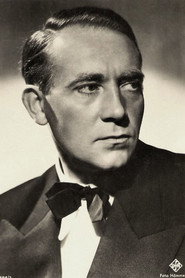 Mathias WiemanOrganist Walter Petersen
- David ZoggSkier
- Beni FührerSkier
- Julius RähmiMountain Guide
- Guzzi LantschnerMountain Guide
- Benno LeubnerMountain Guide
Directing
- Leopold BlonderAssistant Director
- Arnold FanckDirector
Writing
- Arnold FanckWriter
- Carl MayerWriter
Production
- Karl BuchholzLocation Manager
- Gabriel LevyProducer
- Harry R. SokalProducer
- Leopold BlonderProduction Designer