
Film
Everest
Other titles called Everest: the 2015 film.
A 44-minute IMAX documentary following an international expedition up Everest in spring 1996. Narrated by Liam Neeson, it captures the meticulous preparation, the grinding physical ordeal, and the mountain's indifference to human ambition. Stunning visuals and intimate moments with real climbers—this is what it actually feels like, not Hollywood heroism.
Should you watch it?
Watch it if you want the sweep and vertigo of big-screen mountain footage, with a calm narrator guiding you through the logistics of a climb you can admire from a warm room.
Skip it if you wanted a character-driven story with interior drama; this is an expository piece that keeps its climbers at a respectful distance.
What it asks of you: A short sitting, under an hour, with patient pacing and long stretches of quiet staging. Mostly you're watching and listening rather than following a plot.
Not sure? Find tonight's pick in a minute.
If you liked this
Sherpa2015
Examines the 2014 avalanche that killed 16 Sherpa guides, centering their perspective and labor rather than Western climbers' experience. A necessary counterpoint that complicates the romance of mountaineering.
But Heavy and deliberately unsentimental. No triumphant summit, no neat resolution—it stays with loss and systemic exploitation.
The Summit2013
Documents the 2008 K2 expedition where 11 climbers died, including the film's subject Ger McDonnell. Questions what drives people toward mountains despite knowing the odds.
But Raw archive footage and investigative tone make it feel less like adventure and more like a tragedy inquiry. Slow pacing.
Meru2015
Following climbers on a lesser peak with no safety nets, no corporate backing, no Sherpas. Intimate and visceral—you feel the obsession and the fear in ways sanitized documentaries don't capture.
But Extended sequences of suffering with minimal payoff. If you want triumph, this isn't it. Very indie documentary aesthetic.
Not sure tonight? Get a pick in a minute, starting from Everest
The wildcard
Something you would not have found on your own.
Koyaanisqatsi1983
Both use the camera to ask what it means to exist in an extreme environment. Koyaanisqatsi suggests we're always climbing toward something that doesn't matter; Everest documents the climbing itself.
No dialogue, no plot—just images of Earth and human systems set to Phillip Glass's haunting score. Watching Everest next to this reframes the documentary's central question: why do we do this? What are we proving? What does it mean?
But Deliberately abstract and slow. No narrative satisfaction. Some will find it pretentious or boring rather than profound.
More like this (7)
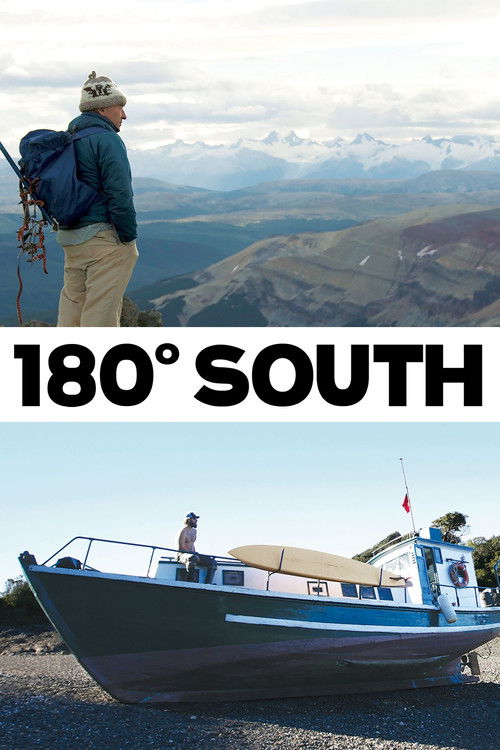
180° South2010
Adventure documentary that follows a young filmmaker retracing his hero's 1968 journey through South America. Part travelogue, part meditation on what we're actually chasing when we climb.
But More personal essay than conventional doc. Meandering and reflective rather than action-driven. Some may find it self-indulgent.
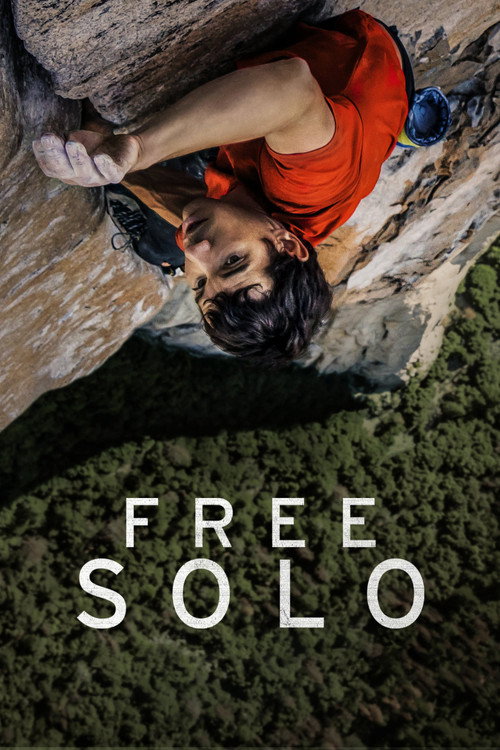
Free Solo2018
Alex Honnold climbing El Capitan with no rope. Unbearably tense. Every frame is a conversation about risk, obsession, and the line between courage and self-destruction.
But Watching someone do something genuinely life-threatening is stressful, not relaxing. Uncomfortable if you don't trust the filmmaking around it.
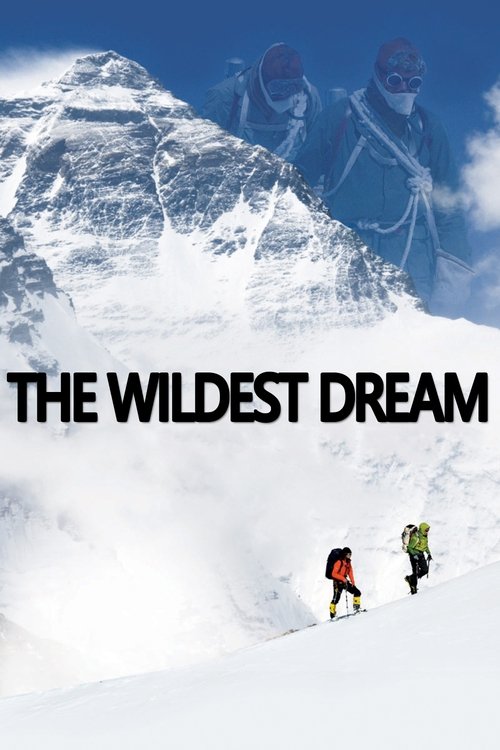
The Wildest Dream2010
Following a climber attempting to retrace his mentor's 1963 Everest ascent. Beautifully shot, meditative on legacy and loss. Less about conquest, more about what we inherit from those we admire.
But Slower and more elegiac than pure climbing films. Requires patience with grief and reflection over action sequences.
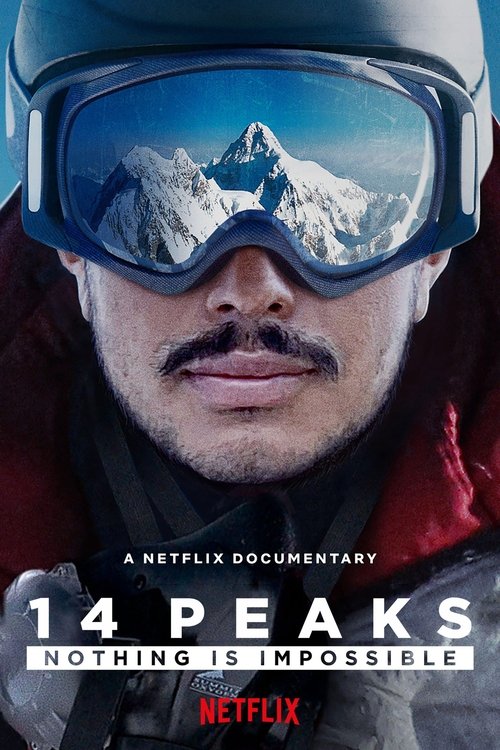
14 Peaks: Nothing Is Impossible2021
Nimsdai Purja's attempt to climb all 14 eight-thousanders in seven months. Sheer audacity and beautiful cinematography. Also honestly about risk, privilege, and the Sherpa workforce.
But Feels more like an athletic commercial at times. Pacing favors spectacle over reflection. Less philosophical than technical.
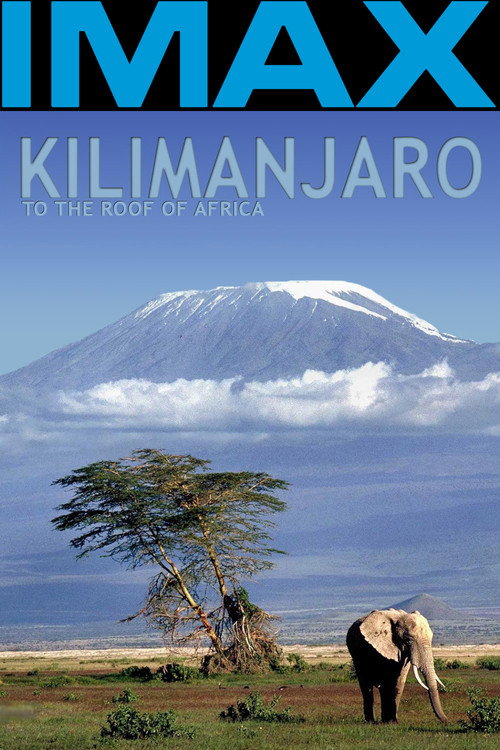
Kilimanjaro - To the Roof of Africa2002
IMAX doc following climbers up Africa's highest peak. Shorter, more accessible entry point than Everest, with similar visual grandeur and a more universally achievable climb.
But Lighter stakes mean less emotional weight. If you want consequences and real danger, this feels gentler than thrilling.
Touch the Sound2004
Both are about what the body can endure and achieve when you refuse to accept your limitations. Same obsessive spirit, opposite direction.
Deaf percussionist Evelyn Glennie navigating the world through vibration and sound. A sensory documentary about human limits and perception. Like mountaineering, it's about pushing against what seems impossible—but inward rather than upward.
But Experimental doc structure. Unconventional narrative. Some sequences are abstract rather than clearly purposeful. Won't feel like a traditional climber's tale.

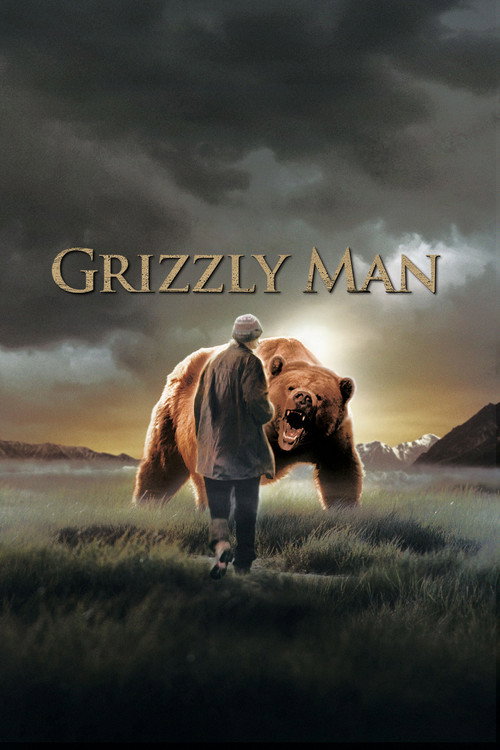
Grizzly Man2005
Both examine obsession with extreme environments, both include footage of actual death or near-death, both wrestle with whether we should admire or pity people who pursue these paths. Different conclusions, same moral weight.
Werner Herzog's documentary about Timothy Treadwell, who lived among grizzly bears in Alaska until one killed him. Gorgeous, tragic, and asks the same unsettling question Everest does: what drives someone toward a mountain that will kill them?
But Dark and genuinely disturbing. Ends in death. Herzog's narration is provocative and judgmental—he doesn't celebrate Treadwell. Demands emotional maturity from the viewer.
People
Cast
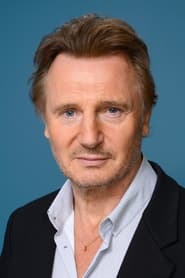 Liam NeesonNarrator
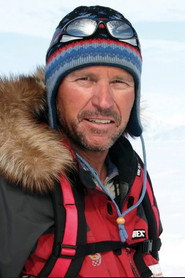 Ed ViestursSummit Team Leader, USA
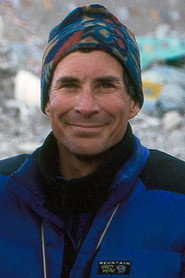 David BreashearsSummit Team, USA
 Tracy PfauMountain Climber
Directing
- David BreashearsDirector
- Greg MacGillivrayDirector
- Stephen JudsonDirector
Writing
- Stephen JudsonWriter
- Tim CahillWriter