
Film
Touch the Sound
- Musical
- Slow-burning
Touch the Sound follows percussionist Evelyn Glennie, who is profoundly deaf, as she explores how rhythm and vibration move through the world. It's a sensory documentary that rewires what you think music is—less about hearing than feeling, presence, and radical listening. For anyone curious about perception, disability, or what sound actually means.
If you liked this
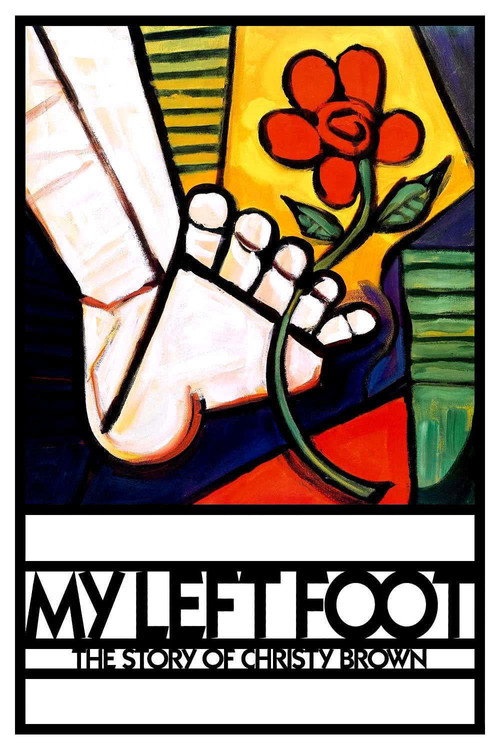
My Left Foot: The Story of Christy Brown1989
Daniel Day-Lewis's transformation into painter Christy Brown is extraordinary, and the film refuses inspiration-porn simplicity. It's about a human being, not a condition, wrestling with dignity and desire in a body the world underestimates.
But The melodrama can tip into sentimentality in places, and the gender dynamics haven't aged perfectly. It's also quite emotionally grueling.
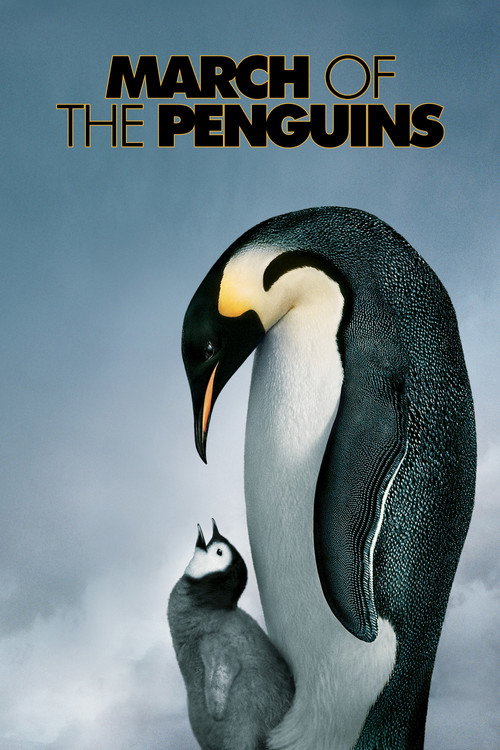
March of the Penguins2005
A documentary that understands rhythm in nature—survival as a kind of music. The score by Émile Mear creates a tactile, almost musical sense of time and repetition. Different subject, same philosophical curiosity.
But It's about animals, not humans, which is a significant tonal shift. And if you've seen it already, there's not much new to find on a rewatch.
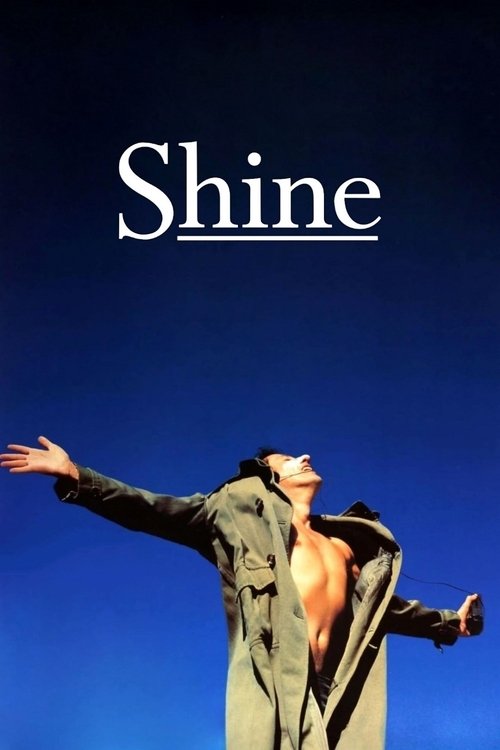
Shine1996
Geoffrey Rush plays pianist David Helfgott, whose genius and fragility are inseparable. The film trusts music itself to carry emotional weight rather than explaining it. Visually gorgeous and genuinely strange.
But It's a biopic, which means some plot machinery shows. And Rush's performance, though brilliant, can feel a little theatrical if you're not in the mood for it.
Not sure tonight? Get a pick in a minute, starting from Touch the Sound
The wildcard
Something you would not have found on your own.
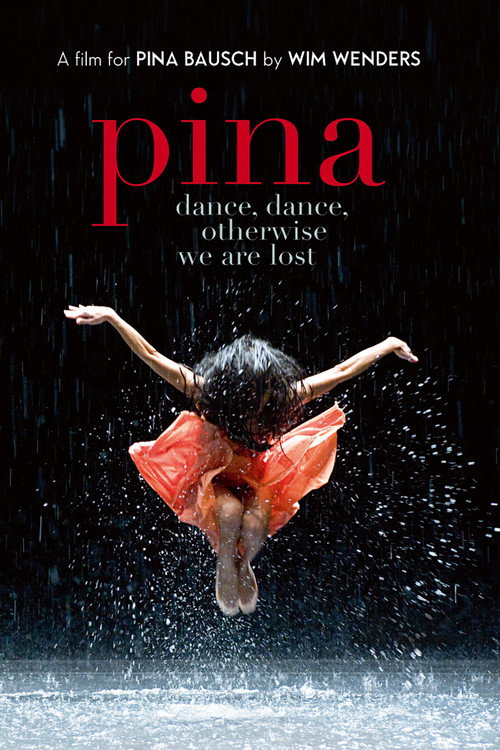
Pina2011
Both films understand the body as the primary instrument—not the ear. Sound and dance are siblings; both are about vibration made visible or felt.
Wim Wenders filmed Pina Bausch's choreography in 3D. It's a dance film where the camera moves through space like another dancer. Movement as primary language, not illustration. Transforms how you see bodies and rhythm.
But 3D dance cinema is genuinely disorienting if you're not ready for it. And if contemporary dance doesn't speak to you, the abstraction can feel impenetrable.
More like this (6)
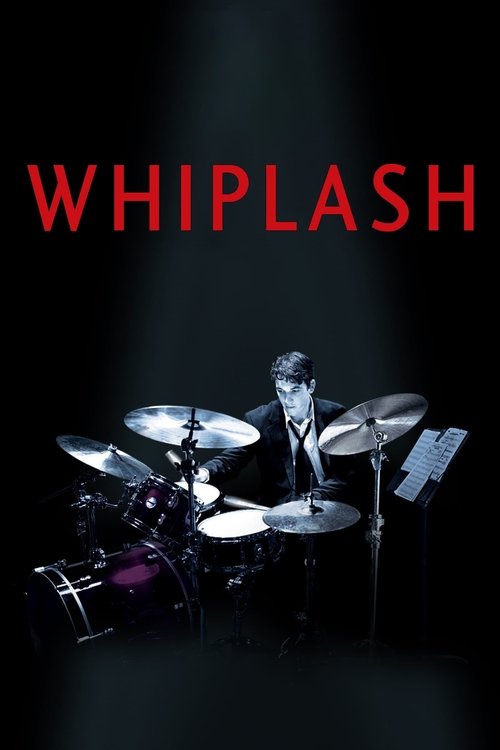
Whiplash2014
Brutal, visceral, and hypnotic. Damien Chazelle films drumming as violence and prayer. The rhythmic editing mirrors the protagonist's obsession. It's about control, pain, and what we'll sacrifice for perfection.
But The abuse dynamic is the whole point, but it can feel oppressive rather than cathartic. It's also quite loud and aggressive—the opposite of Touch the Sound's gentleness.
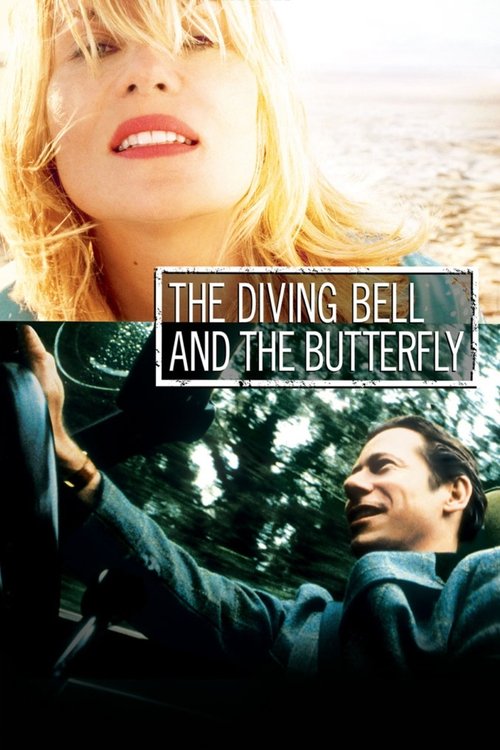
The Diving Bell and the Butterfly2007
Julian Schnabel's portrait of a man locked inside his own body, able to move only one eye. It's about perception, communication, and the mind's refusal to be trapped. Visually inventive and heartbreaking.
But It requires patience with a slow, fragmented narrative. The premise is so extreme it can feel distant rather than intimate.
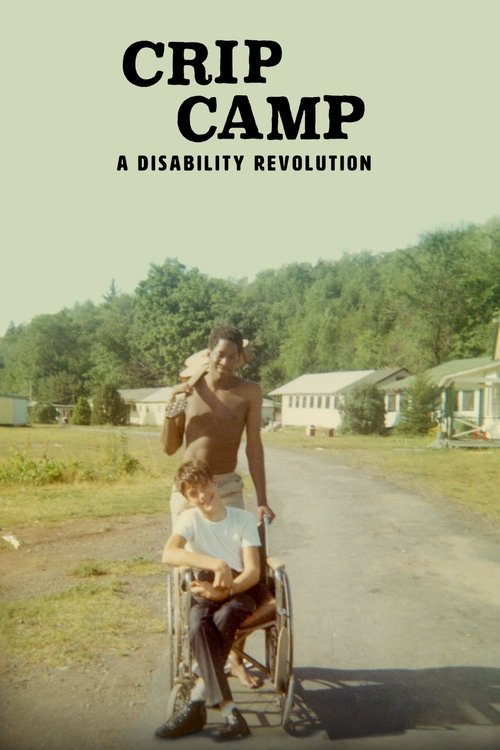
Crip Camp: A Disability Revolution2020
A documentary about disability, community, and revolution. It tracks how a summer camp in the 1970s became a launchpad for disabled activism. Joyful, political, and surprisingly funny.
But It's explicitly activist rather than exploratory. If you want art cinema philosophy, this is more straightforward advocacy.
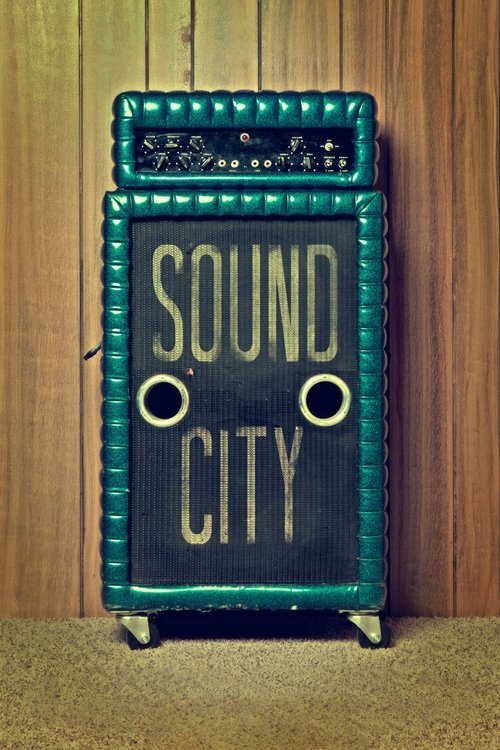
Sound City2013
Dave Grohl's love letter to analog recording and the people who make music together in rooms. It's tactile, nostalgic, and genuinely warm. Musicians talking about their craft with real passion.
But It's long and somewhat rambling. And if you don't care about recording history or '90s rock, the subject matter won't pull you in.
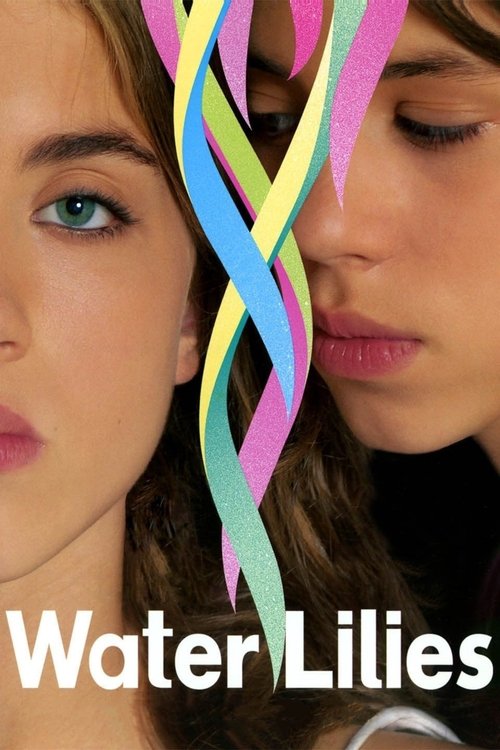
Water Lilies2007
A French film about teenage swimmers, desire, and looking. Visual poetry. The water itself becomes a language—rhythm, rhythm, rhythm. Quietly devastating and sensuously filmed.
But It's glacially paced and extremely subtle. If you need plot or explicit emotion, you'll feel like nothing is happening.
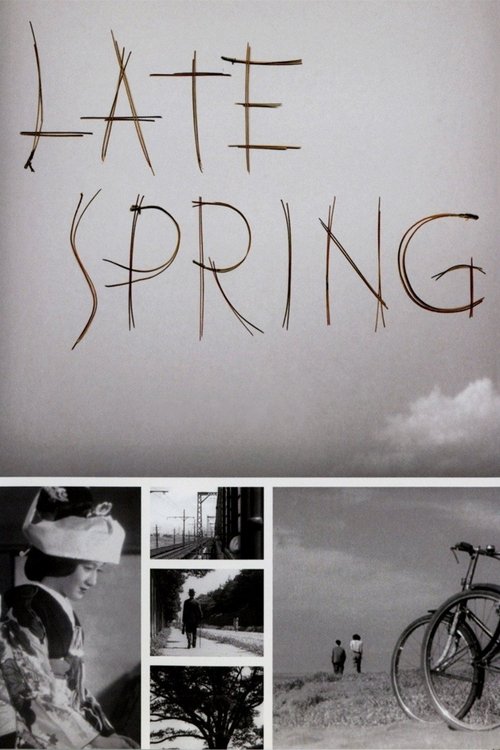
Late Spring1949
Both explore perception itself—what happens when you stop rushing and actually listen (or look). Radical patience as a form of attention.
Ozu's masterpiece about time, aging, and a father's reluctance to let his daughter marry. Shot in stillness, every frame composed like a painting. Sound design is minimal—what you hear matters because so little is there.
But It's slow in a way that tests patience. Nothing dramatic happens. If you need plot momentum or emotional catharsis, this will feel like watching paint dry.
People
Cast
- Evelyn GlennieHerself
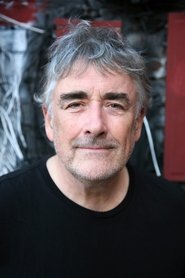 Fred FrithHimself
Directing
- Thomas RiedelsheimerDirector
Writing
- Thomas RiedelsheimerWriter
Production
- Andres JauernickLine Producer
- Dave TarvitLine Producer
- Heinz HausnerLine Producer
- Leslie HillsProducer
- Stefan TolzProducer
- Trevor DaviesProducer