
Film
S.O.S. Iceberg
A 1933 German-American Arctic expedition film that's as much about the spectacle of ice and human endurance as plot. Shot on location in Greenland with real glaciers and icebergs, it's a stunning technical achievement that moves between adventure and survival drama. For silent-film enthusiasts and those curious about early cinema's ambition.
If you liked this
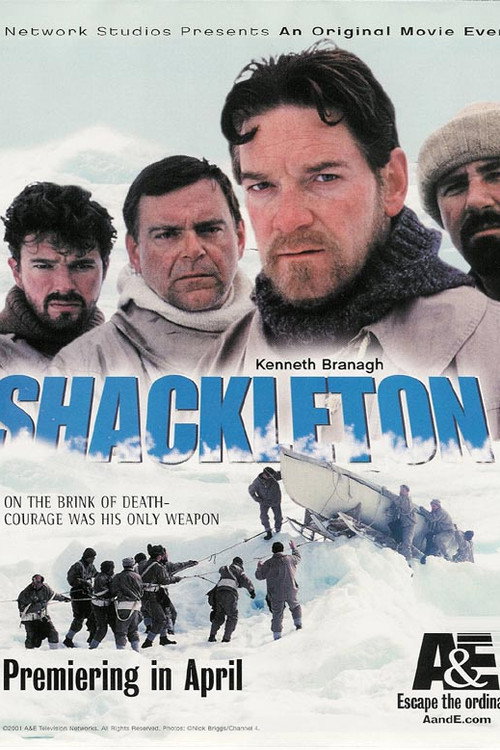
Shackleton2002
Documentary that captures the same polar obsession and life-or-death stakes with real footage and accounts. A visceral reminder of what these expeditions cost and why people attempted them anyway.
But Knowing the historical outcome removes some narrative tension, and the pacing is slow—it's contemplative rather than propulsive.
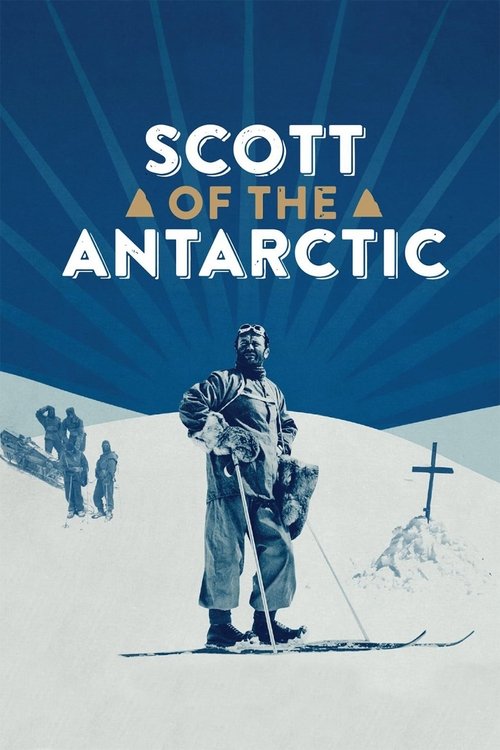
Scott of the Antarctic1948
A British expedition film made with similar reverence for the landscape and the men who faced it. Ealing Studios' approach to heroism and failure feels like a spiritual sequel to S.O.S. Iceberg.
But Very British, very stiff-upper-lip. If you want emotional chaos instead of stoicism, this will feel distant.
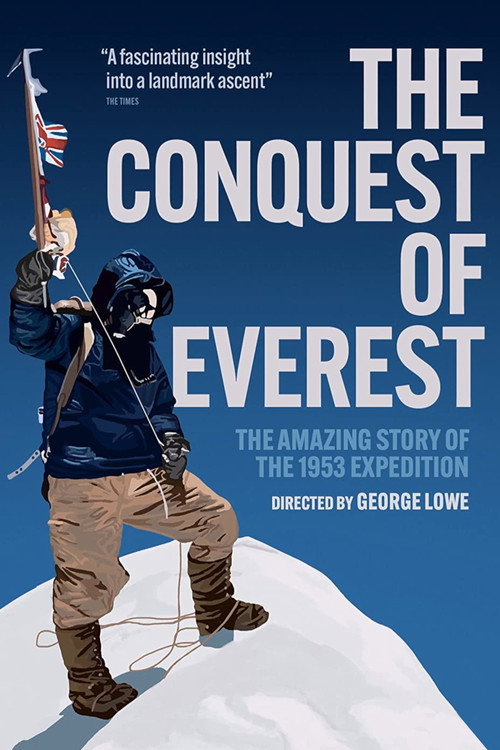
The Conquest of Everest1953
Contemporary documentary of the 1953 Everest expedition. Same era, same sense of mounting an impossible feat with inadequate technology and sheer will.
But Less dramatic than a narrative film—it's a record rather than a story, which some find dry.
Not sure tonight? Get a pick in a minute, starting from S.O.S. Iceberg
The wildcard
Something you would not have found on your own.
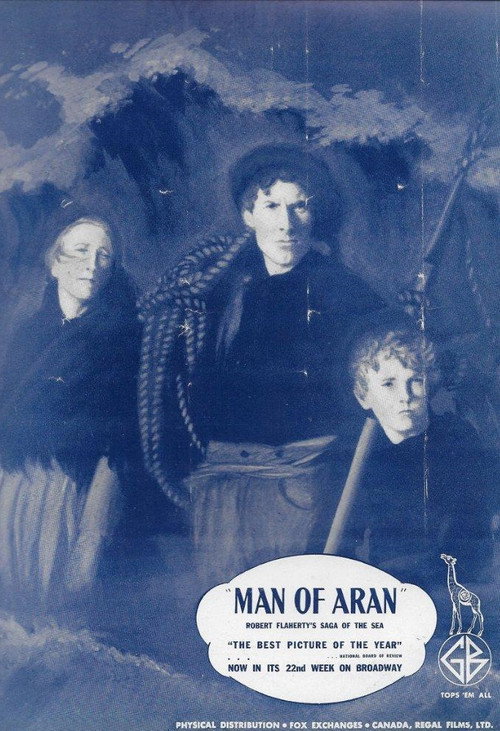
Man of Aran1934
Both are expeditions disguised as documentaries, made by filmmakers who saw landscape as the true subject, not merely the setting.
Flaherty's film about survival on a Irish island, made the same year as S.O.S. Iceberg. Same director-as-poet approach: landscape as character, survival as drama, documentary as myth. Proof the method wasn't unique to the Arctic.
But Equally staged and meditative. If you found S.O.S. Iceberg slow, this will feel glacial.
More like this (6)
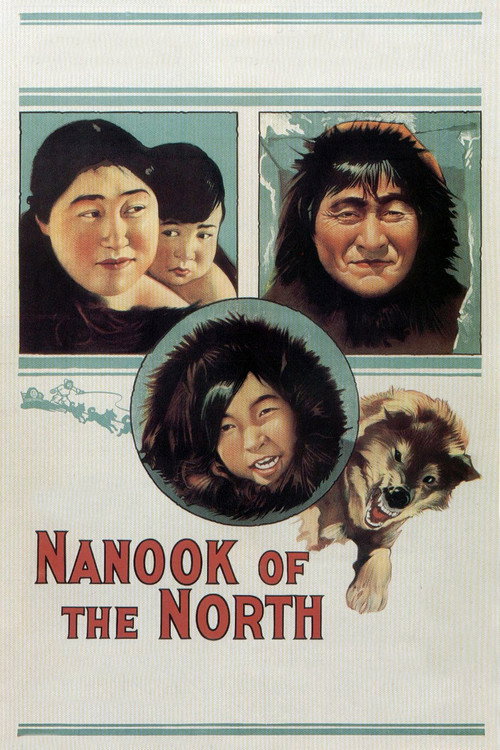
Nanook of the North1922
Flaherty's foundational Arctic documentary predates S.O.S. Iceberg but shares its fascination with ice and survival. Essential viewing for context, raw and immediate.
But Heavily staged and morally complicated by modern standards—it's a document of its time, which includes problematic assumptions.
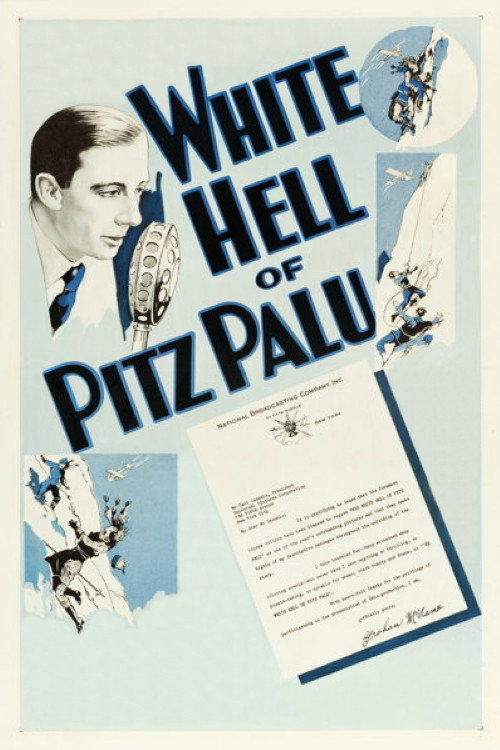
The White Hell of Pitz Palu1929
German mountain film by the same era, same aesthetic obsession with peaks and danger. If you love the visual language of S.O.S. Iceberg, this is essential.
But Even slower pacing, more focused on mood than plot. The drama is entirely internal.
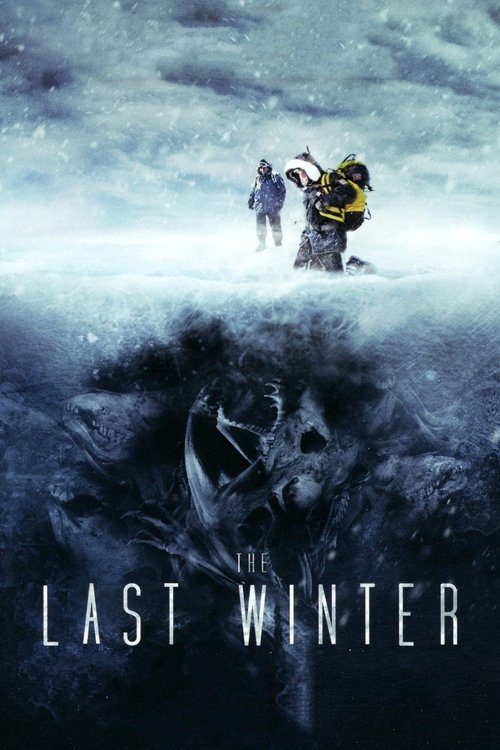
The Last Winter2006
Modern horror-thriller set on an Arctic oil rig. Takes the isolation and paranoia of expedition films and pushes them into genre territory—a fresh angle on the same landscape.
But Genre machinery sometimes overwhelms atmosphere. Not a straightforward adventure film.
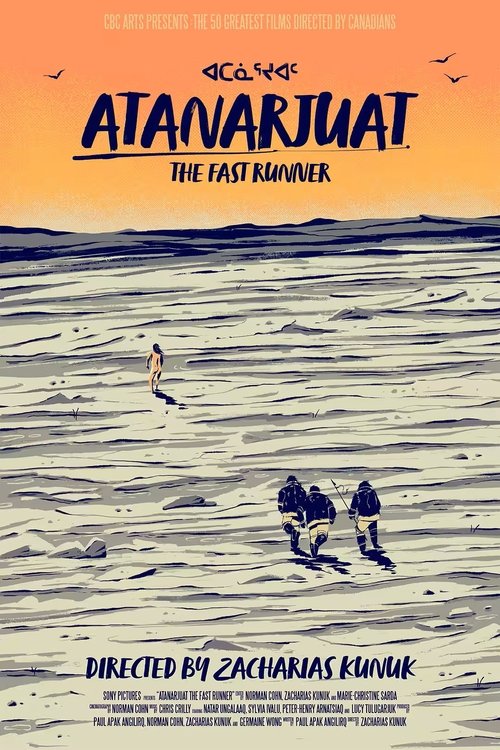
Atanarjuat: The Fast Runner2002
Inuit film set in the Arctic that captures survival and landscape as lived experience rather than conquest. A profound counterpoint to the expedition-film tradition.
But Deliberately paced and meditative; if you want external action rather than internal spiritual struggle, it will feel static.
The Seventh Seal1957
Both use extreme environments—ice or plague—as a mirror for existential dread. The landscape isn't hostile; it's indifferent.
Bergman's medieval plague film uses landscape and ice-bound imagery to explore mortality and meaning. Not an adventure film at all, but it shares S.O.S. Iceberg's visual grammar of humans dwarfed by elemental forces, facing impossible odds.
But Philosophically dense and bleak. Entirely interior. If you want thrills, this is the opposite direction.

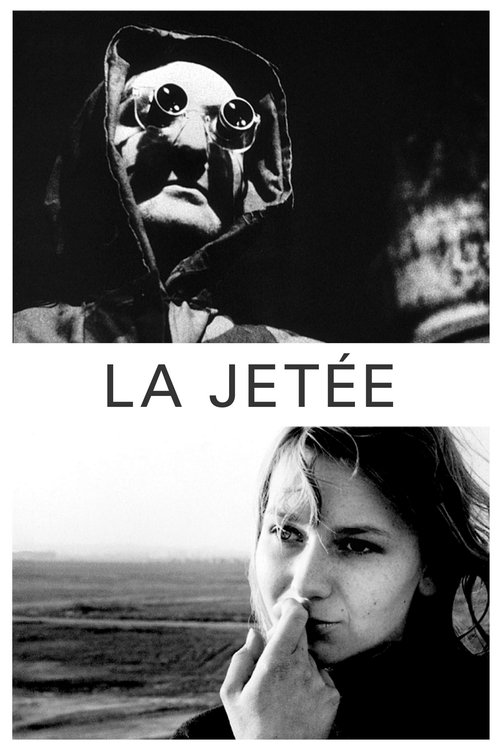
La Jetée1962
Both are about traversing between worlds—physical in one case, temporal in the other—and both use visual spectacle to make the journey feel like a hallucination of something half-remembered.
Marker's science-fiction film told almost entirely in still photographs, a radical format for the early 1960s. Like S.O.S. Iceberg, it's a journey through an impossible world—but fragmented, dreamlike, told as memory rather than action.
But Requires patience with strangeness. The format is deliberately alienating. Some find it pretentious rather than profound.
People
Cast
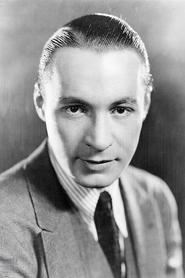 Rod La RocqueDr. Carl Lawrence
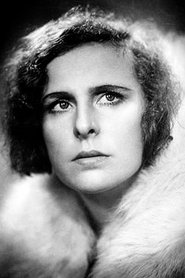 Leni RiefenstahlEllen Lawrence
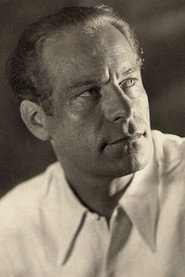 Sepp RistDr. Johannes Brand
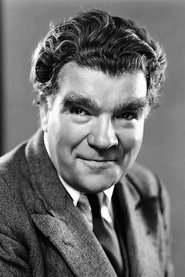 Gibson GowlandJohn Dragan
- Max HolzboerDr. Jan Matushek
- Walter RimlFritz Kuemmel
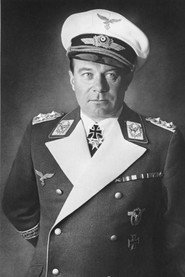 Ernst UdetHimself
Directing
- Arnold FanckDirector
- Tay GarnettDirector
Writing
- Edwin H. KnopfDialogue
- Tom ReedScreenplay
- Arnold FanckStory