
Film
Scott of the Antarctic
- Treasure hunt
- Biopic
- Very dark
A 1948 British reconstruction of Scott's doomed Antarctic expedition, shot in austere black-and-white with a documentary's restraint and a tragedy's weight. John Mills leads an ensemble cast through months of cold, exhaustion, and creeping dread. It's a film about failure, duty, and men confronting their limits. Absorbing and quietly devastating.
Should you watch it?
Watch it if you are drawn to reserved, understated period dramas where heroism is measured in quiet endurance and the rituals of duty, and where the landscape feels like a character.
Skip it if you want brisk momentum and emotional openness from the first scene, since its pace is deliberate and its manners formal and restrained.
What it asks of you: Its runtime is a little under two hours, paced slowly, with long stretches of planning, camp life and quiet exchanges that reward patience rather than hurrying you along.
Not sure? Find tonight's pick in a minute.
If you liked this
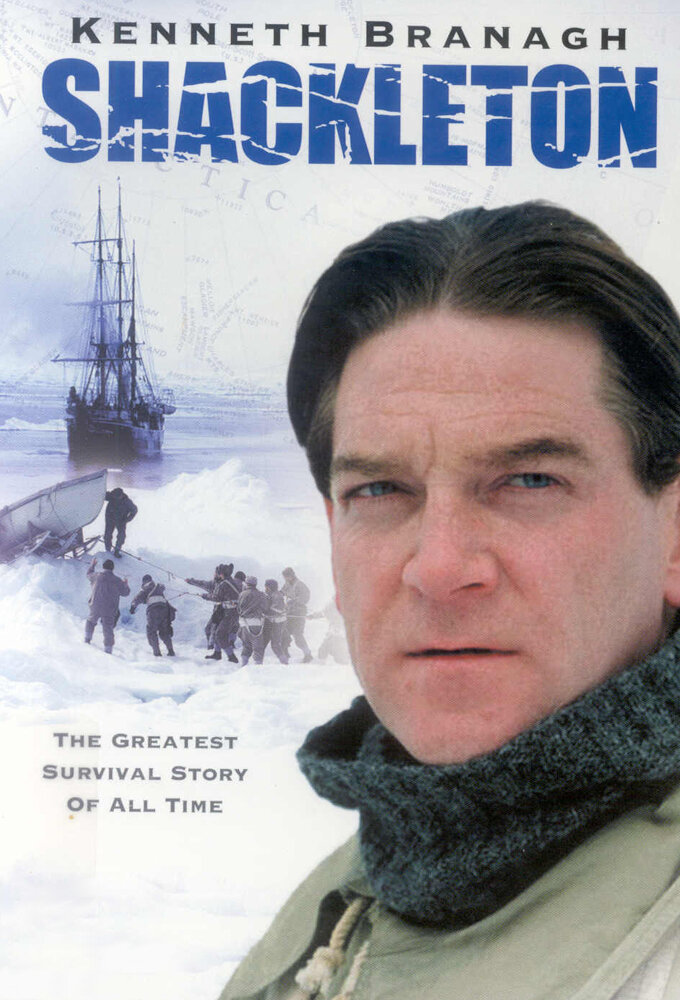
Shackleton2002
Kenneth Branagh commands this HBO miniseries about another polar explorer's fight for survival. Like Scott, it's meticulous about hardship and leadership under impossible conditions, but this time the men live to tell it.
But It's a TV film with early-2000s production values that can feel a little stagey. Also, rescue and survival feel anticlimactic if you're craving the tragedy Scott offers.
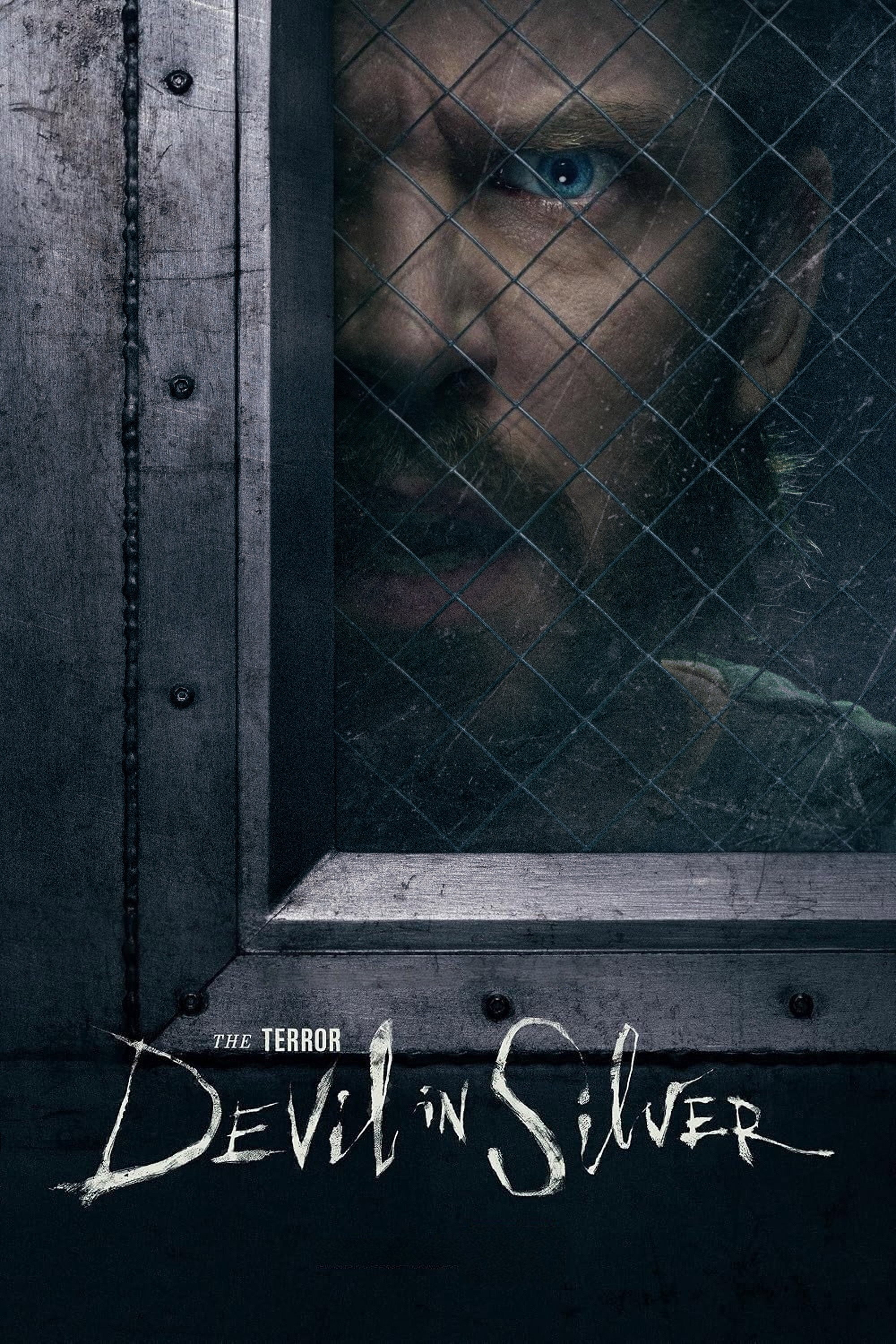
The Terror2018
A horror-drama about a real Arctic expedition trapped in ice. It captures the same claustrophobia and doom as Scott, but adds supernatural dread. Genuinely harrowing in ways documentary restrain cannot reach.
But It bleeds horror-show melodrama into history. If you want accuracy and restraint, this reinvents the facts for maximum nightmare fuel.
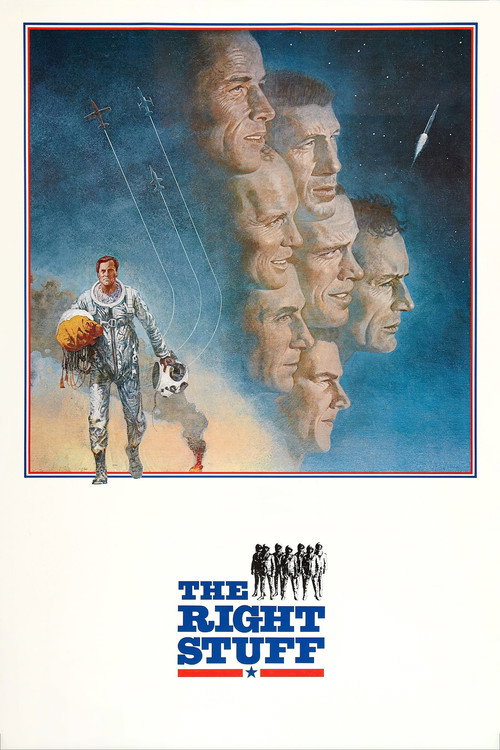
The Right Stuff1983
Kaufman's epic about American astronauts and test pilots, where masculine ambition meets technological limits. It shares Scott's DNA: men striving for impossible firsts, knowing some won't return.
But It's three hours and sprawls across decades. Also, it's triumphalist where Scott is elegiac—these men largely succeed, which changes the emotional register entirely.
Not sure tonight? Get a pick in a minute, starting from Scott of the Antarctic
The wildcard
Something you would not have found on your own.
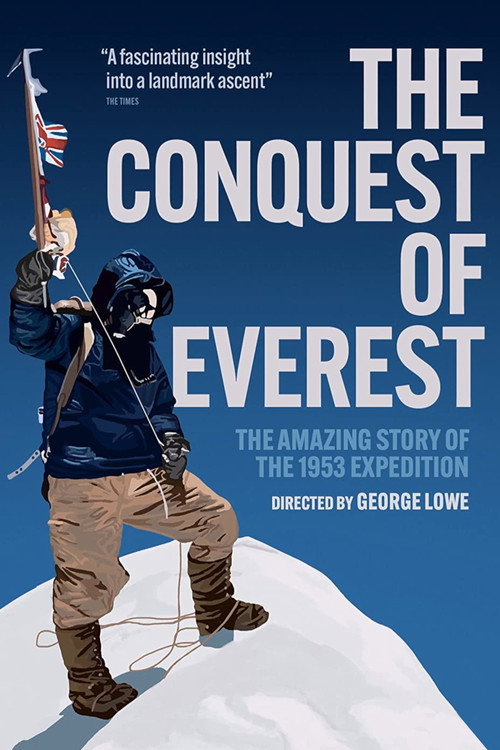
The Conquest of Everest1953
Both follow expeditions through extreme environments, structured as a countdown to a single moment—summit or pole—where everything is decided. Both are filmed in the style and time of their era, with restraint as the dominant tone. But where Scott's expedition fails and teaches us about endurance through defeat, Everest succeeds and teaches us about endurance through achievement. They're mirrors.
Documentary footage of Hillary and Tenzing's 1953 ascent, edited while the expedition was happening. It's urgent and direct—no reconstruction, no score manipulation. Just humans reaching the summit and returning alive. Scott's opposite in outcome; identical in moral weight.
But It's pure 1950s documentary: minimal narration, technical footage, no character development. Patience required, and the 'triumph' may feel thin if you crave tragedy.
More like this (7)
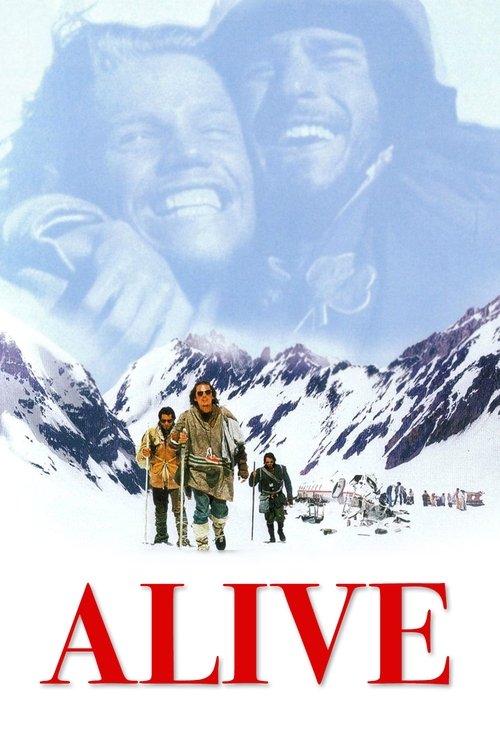
Alive1993
A rugby team's plane crashes in the Andes. Like Scott, it's about survival, moral choice, and humans breaking under physical extremity. Less fatalistic, more visceral; real people we watch deteriorate.
But It's a Hollywood disaster film with a pop soundtrack. The tone is slicker and less contemplative than Scott's austere approach.
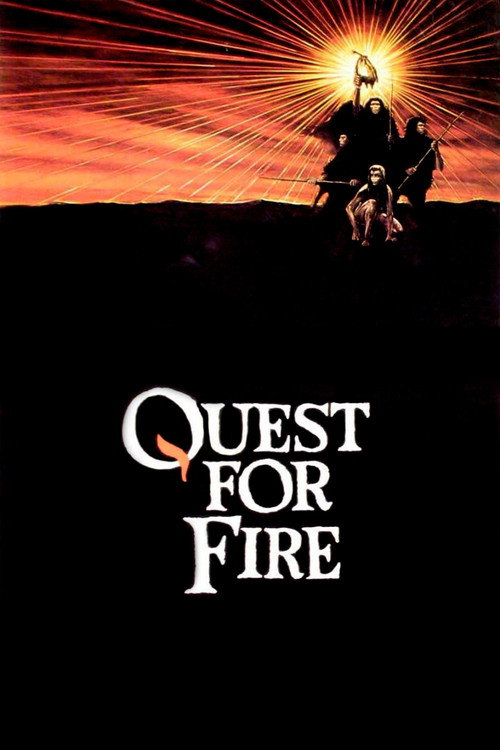
Quest for Fire1981
Primitive humans undertake a desperate journey to reclaim fire. No dialogue, almost no plot—just survival, ingenuity, and the physical ordeal of traversing hostile terrain. Unexpectedly moving.
But It's strange and distancing by design. The lack of language and the slow pace aren't for everyone, and the stakes feel abstract compared to Scott's historical weight.
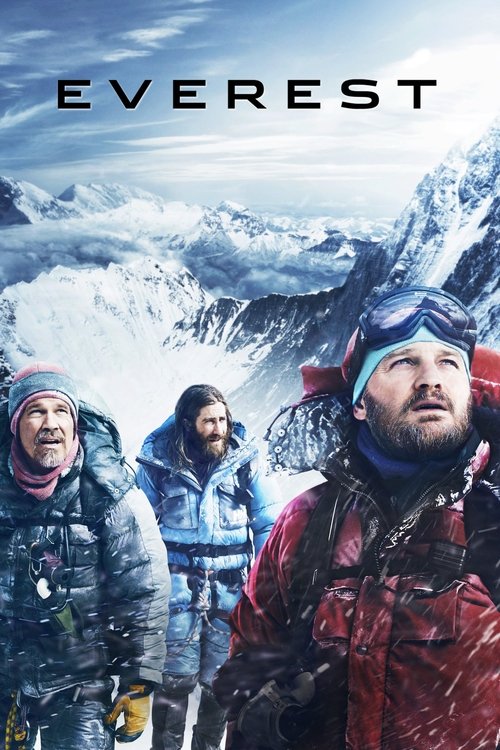
Everest2015
Another mountain, another expedition, another disaster. It has Scott's ensemble cast navigating impossible conditions with period-accurate equipment. Visually stunning and genuinely tense.
But It's a big-budget Hollywood film that sometimes prioritises spectacle over character. Some critics found it melodramatic and emotionally hollow despite the high stakes.
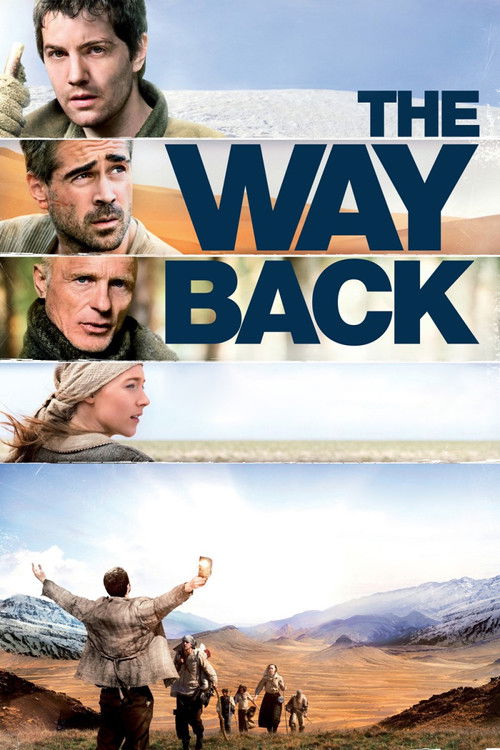
The Way Back2010
Peter Weir's film about Soviet prisoners walking 4,000 miles from a Siberian gulag to freedom. It's Shackleton-adjacent: survival, endurance, moral fatigue. Beautifully shot and deeply human.
But It's a punishing watch—bleak, slow, and relentless. Some find it didactic or overly earnest in its commitment to suffering.
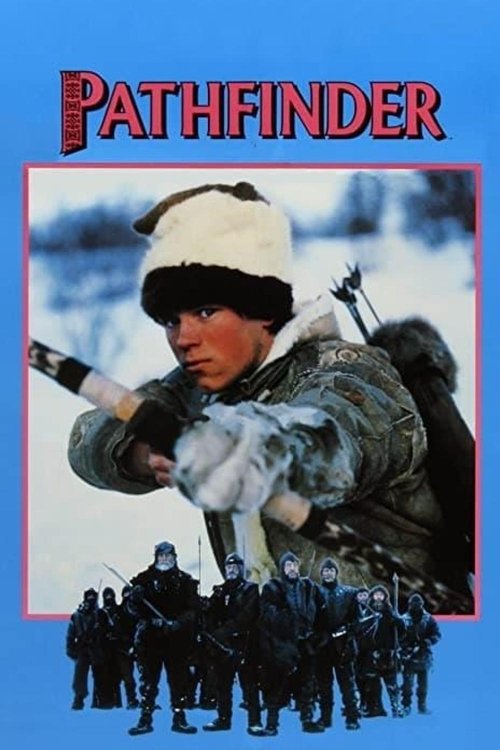
Pathfinder1987
A 12th-century Sámi boy evades Norse raiders across Arctic tundra. It's a survival adventure in harsh landscape, with genuine ingenuity and close calls. An unusual entry that captures physical extremity.
But It's a Scandinavian-language film from the 1980s with a sparse budget. The pace is deliberate and sometimes testing, and it's far less well-known than the others.
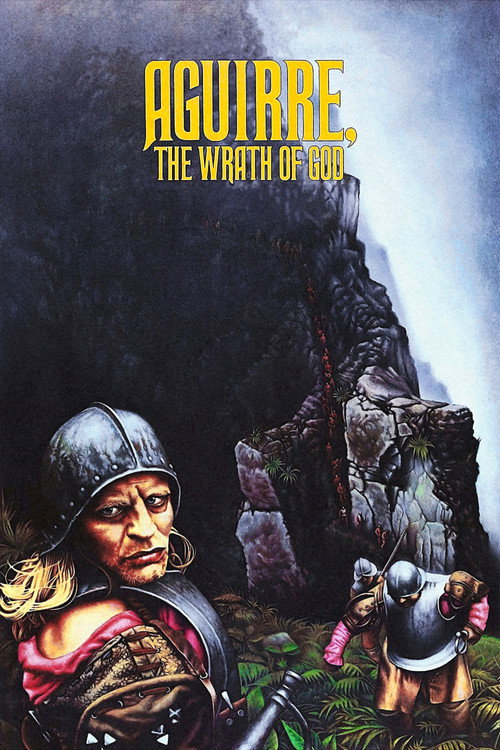
Aguirre, the Wrath of God1972
Both films are about expeditions driven by ambition into landscapes designed to defeat humans. Scott seeks the Pole; Aguirre seeks gold. Both surrender to the environment, but Scott accepts it with grace while Aguirre denies it with madness. One is British restraint facing reality; the other is European fever facing delusion. They're variations on the same structure: men smaller than the world.
Herzog's fever-dream of a conquistador descending into the Amazon, chasing El Dorado. Obsession, landscape, delusion, and the slow disintegration of men under extremity. Shot on a budget in the real jungle with nonprofessional actors. Hypnotic and terrifying.
But It's experimental and hallucinatory. If you want narrative clarity and psychological realism, this will frustrate. Also, Herzog's methods were punishing for his cast in ways that make the film itself uncomfortable to watch.
My Brother's Keeper2020
Scott is about collective failure and how men face it together. This is about individual loss and how one man lives with it. Both are about Antarctica/mountains as a place where human control evaporates and we discover who we are. But Scott's expedition is history; this is private. Scott is public grief; this is private. The connection is tonal and philosophical rather than literal: both films treat extreme landscape not as backdrop but as moral arena.
A documentary about twin mountaineers, one of whom dies on Everest while the other observes from base camp. Intimate, family-centered, and gutting. Not an expedition film in Scott's sense—it's about grief, responsibility, and the survivor's paradox. Unexpectedly subtle.
But It's quiet and introspective where Scott is grand and historical. Some viewers want adventure; this is a meditation on loss. Also, it's very recent and difficult to track down in some regions.

People
Cast
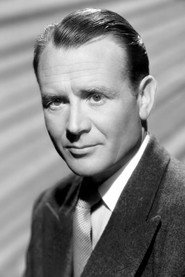 John MillsCaptain R.F. Scott R.N.
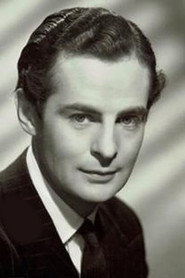 Derek BondCaptain L.E.G. Oates
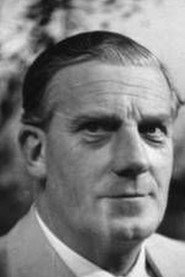 Harold WarrenderDr. E. A. Wilson
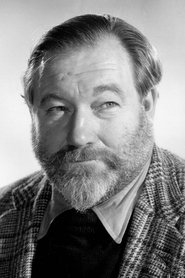 James Robertson JusticeP.O. (Taff) Evans R.N.
 Reginald BeckwithLt. H. R. Bowers RIM
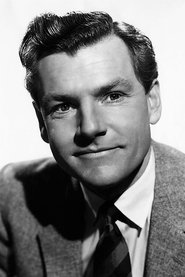 Kenneth MoreLt. E.G.R. (Teddy) Evans R.N.
 James McKechnieSurgeon Lt. E.L. Atkinson R.N.
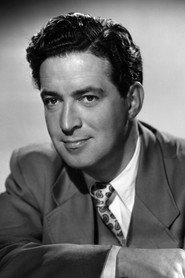 John GregsonP.O. T. Crean R.N.
- Norman WilliamsChief Stoker W. Lashly R.N.
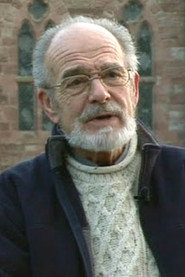 Barry LettsApsley Cherry-Garrard
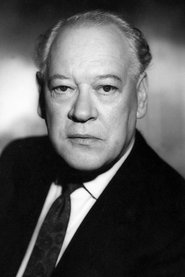 Clive MortonHerbert Ponting F.R.P.S.
 Anne FirthOriana Wilson
Directing
- Rowland DouglasAssistant Director
- Jean GrahamContinuity
- Charles FrendDirector
Writing
- Ivor MontaguScreenplay
- Walter MeadeScreenplay
Production
- Sidney ColeAssociate Producer
- Michael BalconProducer
- Hal MasonProduction Supervisor
- Cecil R. Foster KempUnit Production Manager
- Raymond AnzarutUnit Production Manager
Recommended by
Everest, The Terror, The Endurance, Sora yori mo Tooi Basho A Story that leads to the Antarctica, Shackleton, The Epic of Everest, The Red Tent, The Happiest Days of Your Life, The Worst Journey in the World, S.O.S. Iceberg, Shackleton