
Film
The Conquest of Everest
The first film record of mankind's conquest of Everest. Shot during the 1953 expedition itself, it's a hybrid of documentary footage and dramatized sequences that captures the physical ordeal, technical mastery, and human endurance required to reach the world's highest peak. Essential viewing for anyone moved by exploration, mountaineering, or the sheer audacity of attempting the impossible.
Should you watch it?
Watch it if you are drawn to old-fashioned expedition films where the sheer physical grind of getting men and gear up a mountain is the drama, told with patient, earnest admiration.
Skip it if you want personal interiority, since this is a reverent, narrated record of a team at work with little inner drama beyond the effort.
What it asks of you: Settle into seventy-eight minutes of mostly steady, unhurried footage, and give it patience more than emotional energy.
Not sure? Find tonight's pick in a minute.
If you liked this
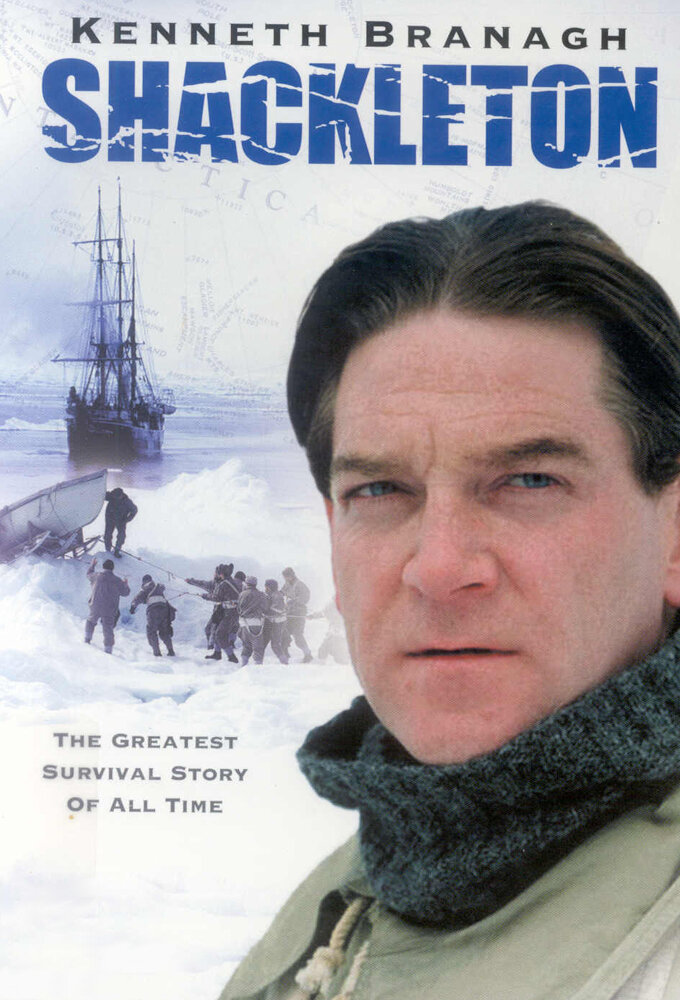
Shackleton2002
Kenneth Branagh leads a miniseries about Shackleton's Antarctic expedition, equally focused on leadership under catastrophic conditions and the bonds forged in survival. Magnificent cinematography and real emotional weight.
But The pacing is slow and deliberate; if you want action beats, you'll find it meditative instead.
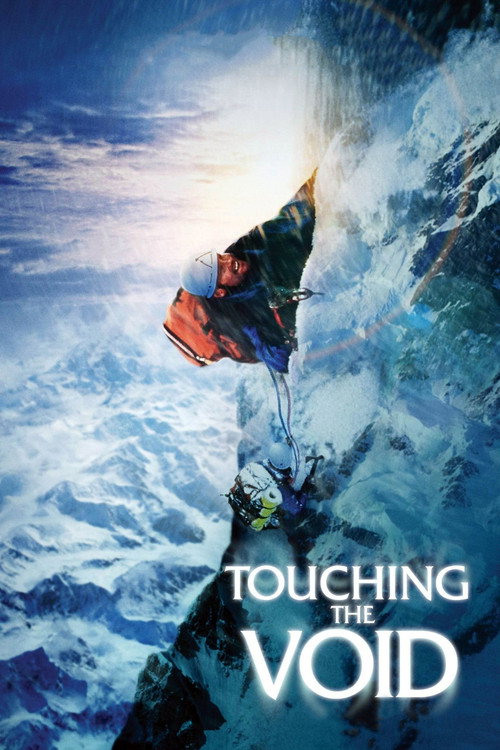
Touching the Void2003
A documentary-drama hybrid about a mountaineer's near-fatal descent from a Peruvian peak. The tension is excruciating, the filmmaking inventive, and the survival story genuinely harrowing in ways that feel earned.
But It's relentlessly tense and occasionally graphic about injury. Not a triumph narrative—more a study in how people survive when everything goes wrong.
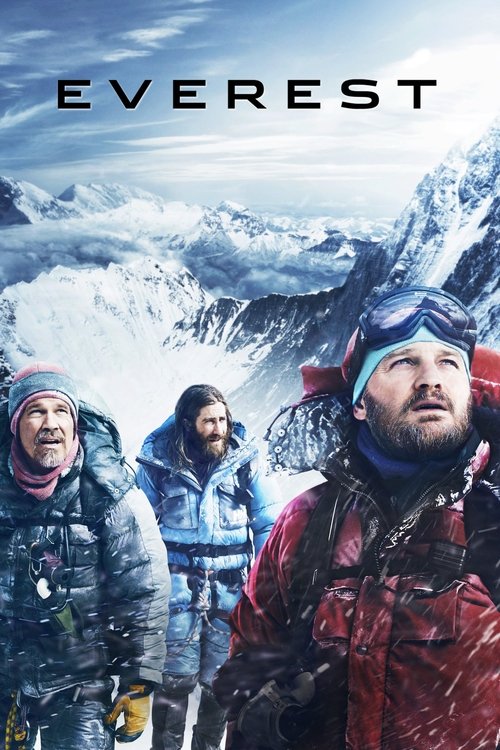
Everest2015
A feature film about the 1996 expedition disaster that killed several climbers. Features an excellent ensemble cast and spectacular IMAX cinematography that actually justifies the mountain-climbing setting.
But It's a tragedy, not an adventure. The film prioritizes spectacle over character, and you'll know the outcome before you start.
Not sure tonight? Get a pick in a minute, starting from The Conquest of Everest
The wildcard
Something you would not have found on your own.
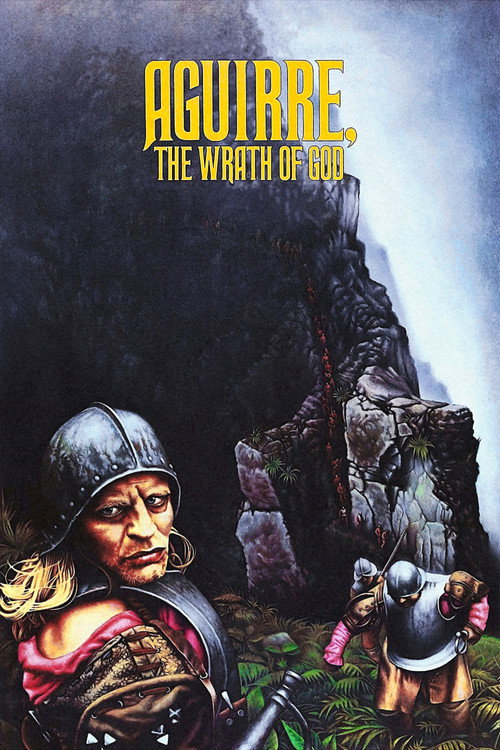
Aguirre, the Wrath of God1972
Both are expeditions into unmapped territory driven by human ambition, but Aguirre suggests that vision and reason are not the same thing, and that conquest exacts a cost the victor doesn't see.
Herzog's fever dream about conquistadors searching for El Dorado in the Amazon. It shares the conquest narrative and obsessive human will pushing through impossible terrain, but reimagines exploration as descent into madness and delusion rather than triumph.
But It's deliberately oblique and hallucinogenic. The film doesn't dramatize events so much as create a fever. You won't know what Herzog is saying until long after it ends, if at all.
More like this (8)
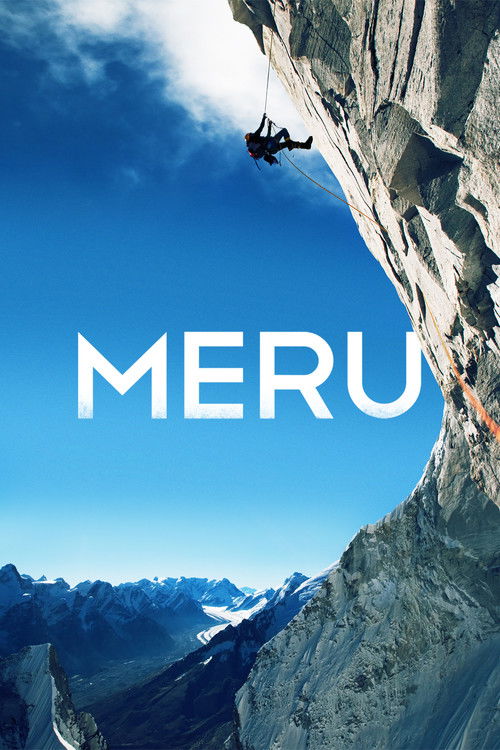
Meru2015
A documentary about three climbers attempting a previously unclimbed peak in the Himalayas. Intimate, visually stunning, and asks hard questions about why people risk everything for mountains.
But The climbing sequences assume some technical knowledge, and the spiritual dimension won't resonate if you're skeptical of that register.
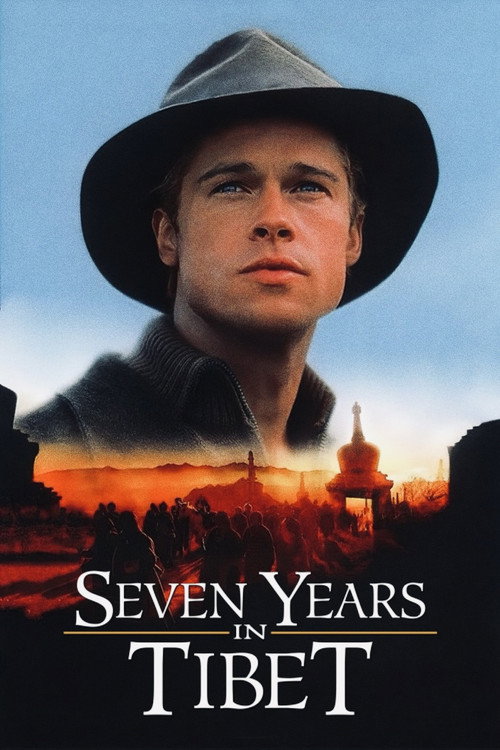
Seven Years in Tibet1997
Brad Pitt plays Heinrich Harrer, an Austrian mountaineer who becomes entangled in Himalayan politics and befriends the young Dalai Lama. Sweeping, ambitious, and genuinely interested in cultural collision.
But The script occasionally sacrifices authenticity for drama. Some find the casting and Western perspective patronizing.
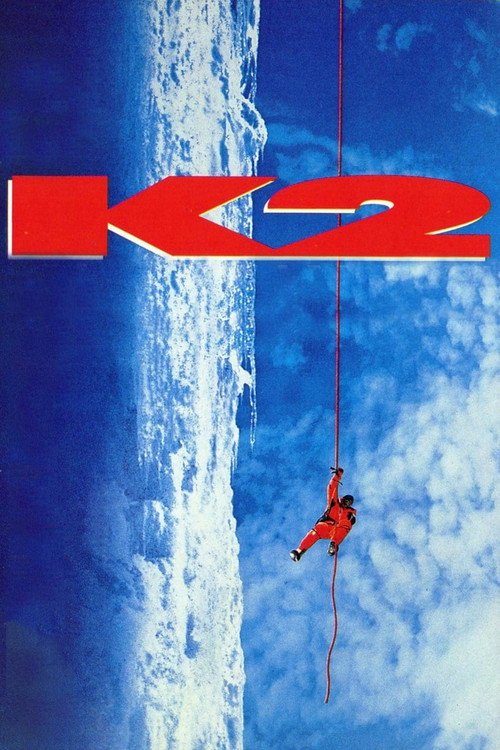
K21991
A lean, underfunded film about two climbers on the world's second-deadliest mountain. It's scrappy and earnest, with a real sense of how exhaustion and altitude affect judgment.
But The production values are obviously low-budget, and the dialogue can be clunky. It feels like a TV movie, because it basically is one.
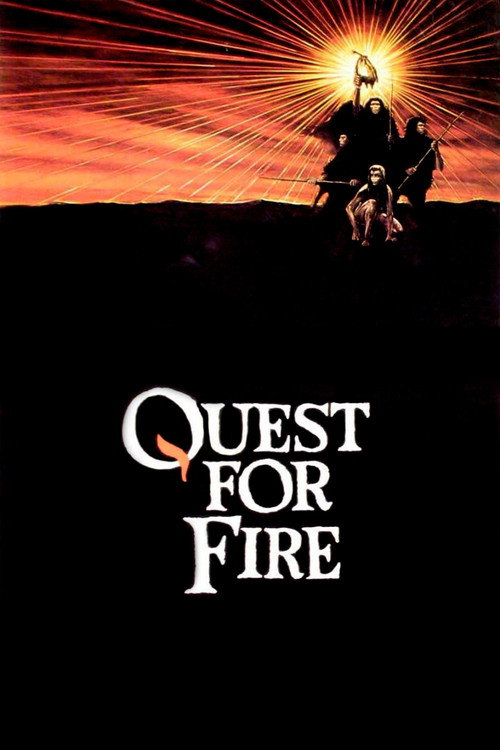
Quest for Fire1981
Prehistoric humans journey across dangerous terrain to recover fire. It's about survival, ingenuity, and the bonds of expedition—shot on real locations with a non-naturalistic but deeply immersive approach.
But There's minimal dialogue and an anthropological distance that some find cold. The film doesn't invite you to root for characters so much as observe them.
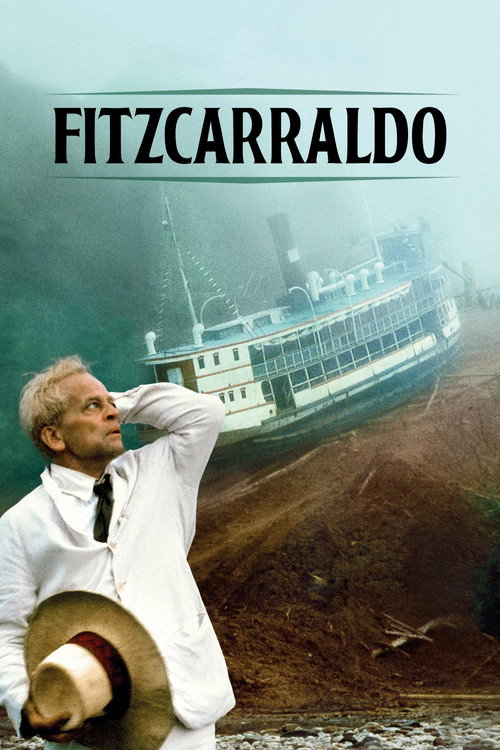
Fitzcarraldo1982
Werner Herzog's mad masterpiece about a man hauling a steamship over a mountain in the Amazon. An actual obsession filmed as metaphor—part exploration epic, part portrait of visionary madness.
But It's deliberately difficult and digressive. Herzog's intentions can feel obscure, and the pacing rewards patience you may not have.
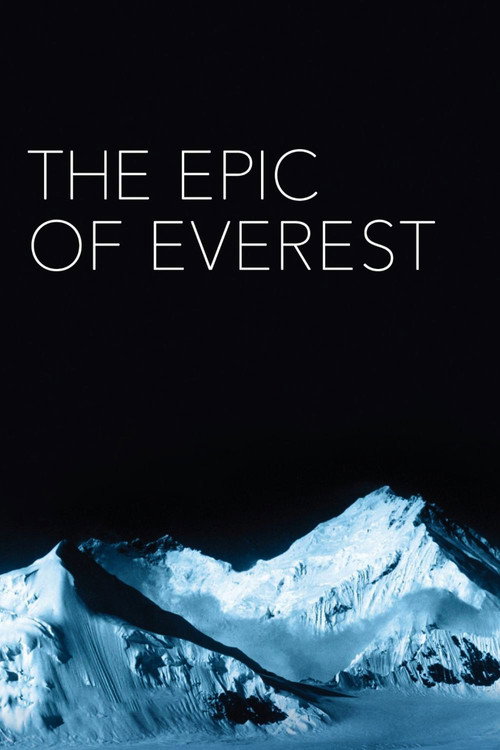
The Epic of Everest1924
Silent footage from the 1924 Mallory expedition, the earliest film record of Everest mountaineering. Grainy and haunting, it has the authority of genuine historical document and genuine tragedy.
But It's silent, fragmentary, and sometimes hard to parse. The historical interest exceeds the viewing experience for most people.
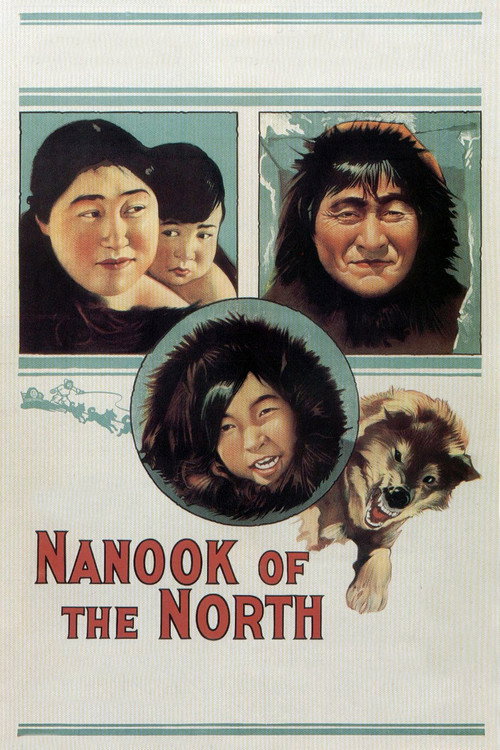
Nanook of the North1922
Both films are about survival in extremity and the technical mastery required to endure. But Nanook centers Indigenous knowledge and daily subsistence, while Everest celebrates conquest and first-ascent—fundamentally different relationships to the landscape.
The founding documentary about an Inuit man and his family surviving the Arctic. Shot silently in real conditions, it's a radical act of cinema—less a record of landscape than of human knowledge and adaptation made visible.
But It's silent and slow, and modern viewers will notice its staging and unreliability as documentary. The ethnographic gaze is complicated and sometimes uncomfortable by today's standards.
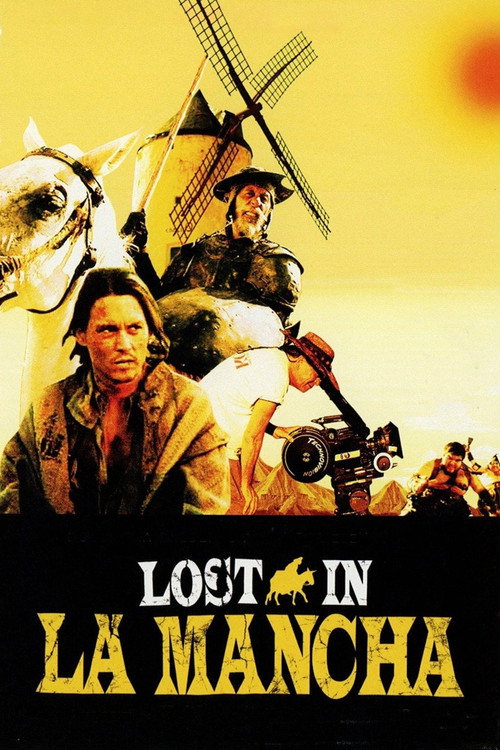
Lost in La Mancha2002
Both track expeditions—one physical, one creative—where the act of attempting becomes the story. But where Everest celebrates success, this one finds meaning in failure and persistence in the face of it.
A documentary about Terry Gilliam's failed attempt to film Don Quixote—the expedition that collapsed. It's a portrait of obsession, ambition meeting reality, and the nobility of impossible quests pursued anyway.
But It's a film about a film that was never made, which means there's no conventional resolution. If you need payoff, you won't get it.
People
Cast
 Meredith EdwardsSelf - Narrator
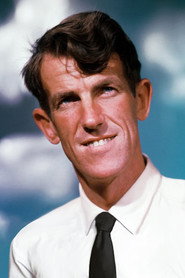 Edmund HillarySelf
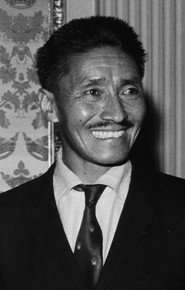 Tenzing NorgaySelf
Directing
- George LoweDirector
Writing
- Louis MacNeiceWriter
Production
- Grahame TharpProducer
- John TaylorProducer
- Leon CloreProducer
Recommended by
14 Peaks: Nothing Is Impossible, K2, Scott of the Antarctic, S.O.S. Iceberg