
Television series
Shackleton
Other titles called Shackleton: the 2002 film.
Kenneth Branagh anchors this four-hour dramatization of Shackleton's doomed 1914 Antarctic expedition with a blazing performance that cuts through the occasionally stiff period-drama conventions. Lavishly produced across Greenland and Iceland locations, it's visually harrowing and genuinely tense—a handsome, ambitious retelling of survival against impossible odds for audiences who love historical epics with real stakes.
Should you watch it?
Watch it if you want a commanding lead performance, a story of one determined leader, and bleak, convincing polar landscapes, and you don't mind it being a little formal about its hero.
Skip it if you want a loose, character-driven ensemble or a brisk pace, since this runs stately and chilly and keeps its distance from the men around its central figure.
What it asks of you: Two parts, about two hours in all, and patience: long stretches of waiting and cold, with the pace set by landscape and endurance rather than by quick cutting.
Not sure? Find tonight's pick in a minute.
If you liked this
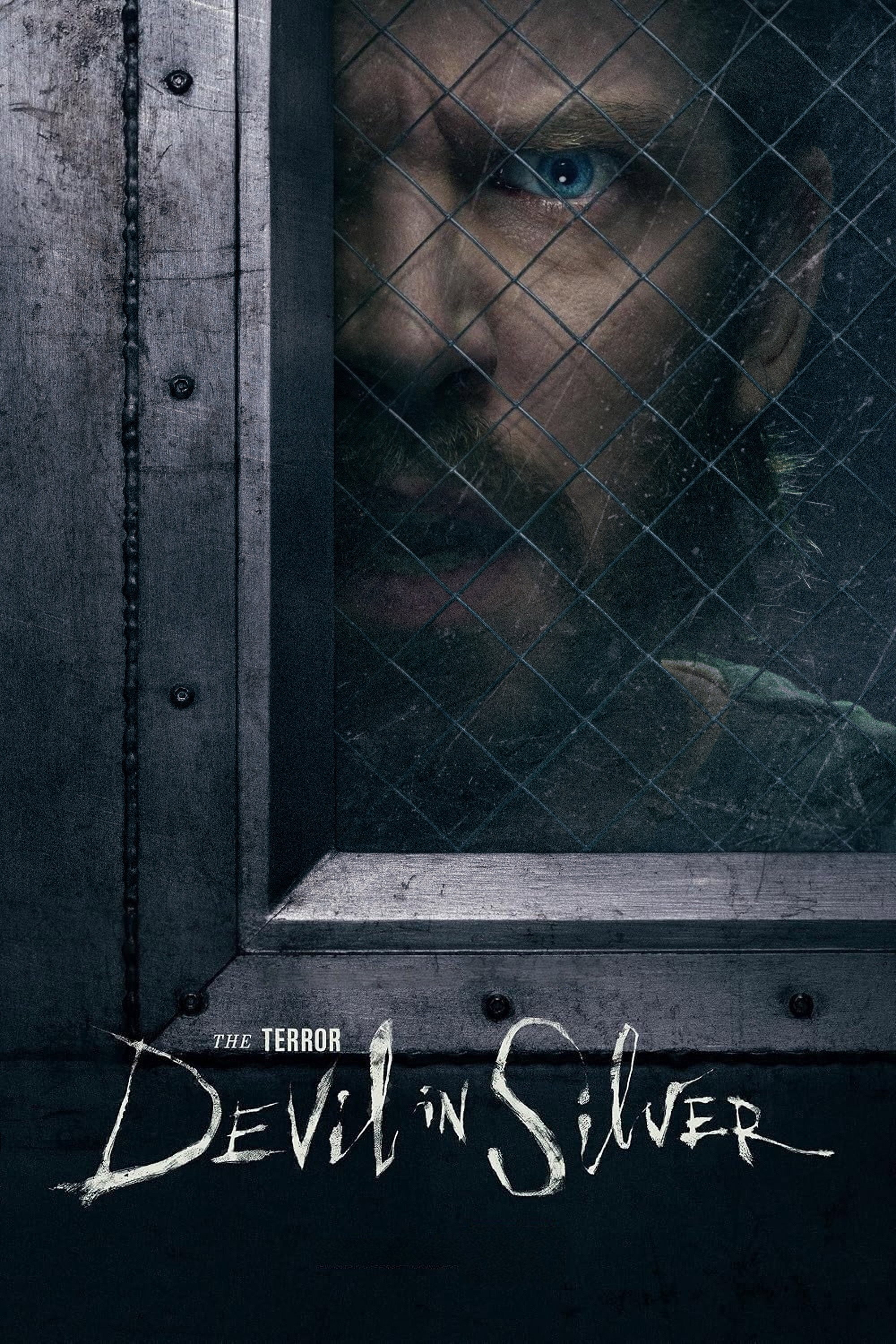
The Terror2018
A masterfully tense miniseries about the Franklin Expedition, another Arctic disaster. Mixes historical detail with genuine dread and phenomenal ensemble acting. If you loved watching Shackleton's crew endure, this will grip you even harder.
But The second season abandons the historical premise for supernatural horror, which derails what made the first season so compelling. Also genuinely bleak in ways that don't always feel earned.
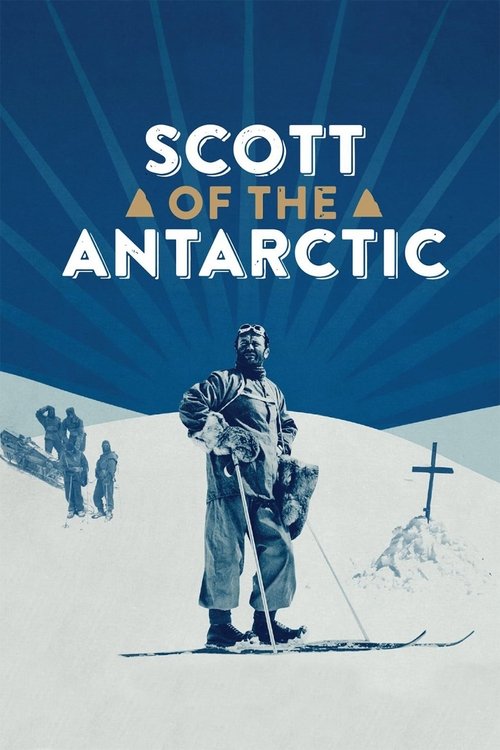
Scott of the Antarctic1948
The British classic that established the template for Antarctic expedition films. John Mills is superb, and the production design is haunting. Essential viewing if you want to see how cinema first tackled these stories.
But It's a 1948 film with all that entails: slower pacing, theatrical acting, and a tone of doomed nobility that feels dated. Some viewers will find it creaky.
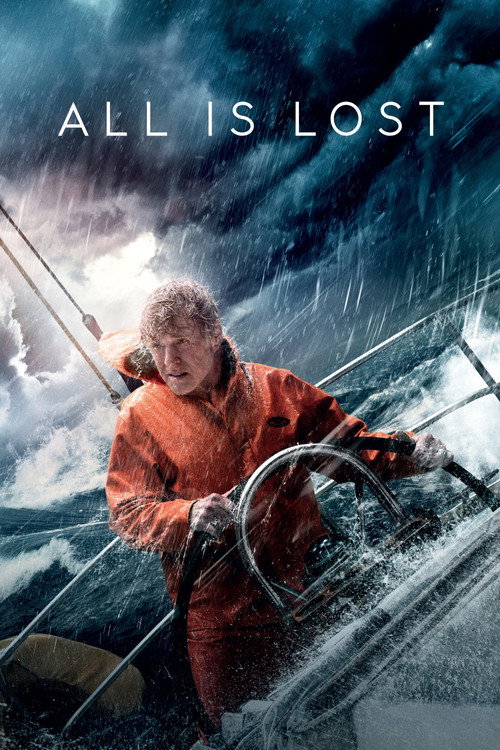
All Is Lost2013
Robert Redford alone on a sinking yacht in the Indian Ocean. It's survival cinema stripped to its absolute essence—no dialogue, just a man versus nature and his own will. The tension is relentless and the cinematography is magnificent.
But The minimalism that makes it powerful also makes it monotonous for some. If you need character development or plot turns to stay engaged, this will frustrate you.
Not sure tonight? Get a pick in a minute, starting from Shackleton
The wildcard
Something you would not have found on your own.
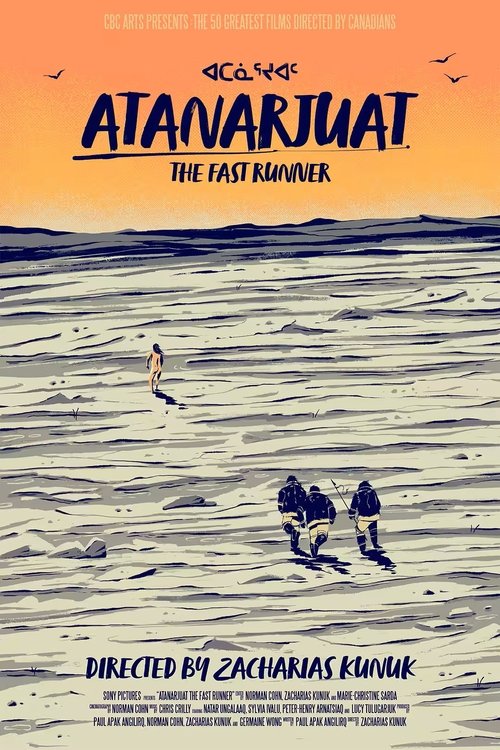
Atanarjuat: The Fast Runner2002
Both are stories about survival in the Arctic, but Atanarjuat centers Indigenous knowledge and belonging where Shackleton centers Western masculine heroism. One claims the land; the other claims kinship with it.
An Inuit epic about survival, revenge, and endurance filmed in the Canadian Arctic with an all-Inuit cast and crew. It's visually ravishing and spiritually grounded in ways Western exploration narratives never are. A complete inversion of the Shackleton story—the land is not enemy but home.
But It's three hours and operates on dreamlike narrative logic rather than conventional drama. The slow pacing and mythic register will feel impenetrable if you're used to crisis-driven storytelling.
More like this (7)
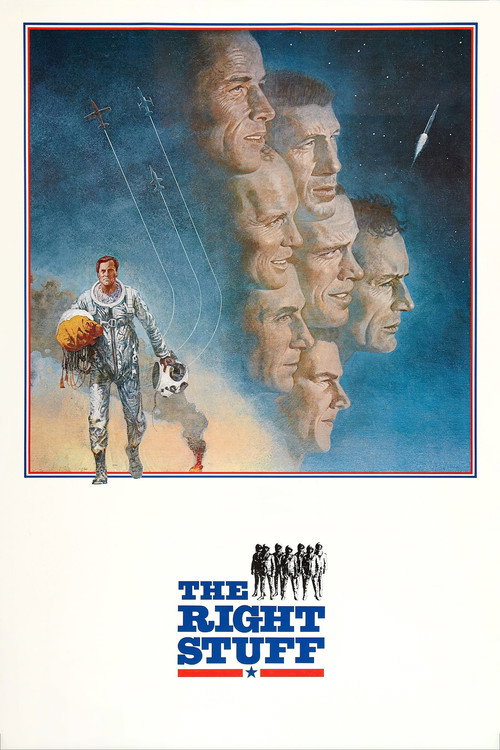
The Right Stuff1983
Philip Kaufman's epic about the Mercury astronauts. It has Shackleton's DNA—men pushing into the unknown, driven by ambition and stubborn will. The scale is enormous and the performances are electric.
But It's three and a half hours and doesn't know when to stop. Some sequences feel self-indulgent, and the tone wavers between celebration and critique in ways that muddle the message.
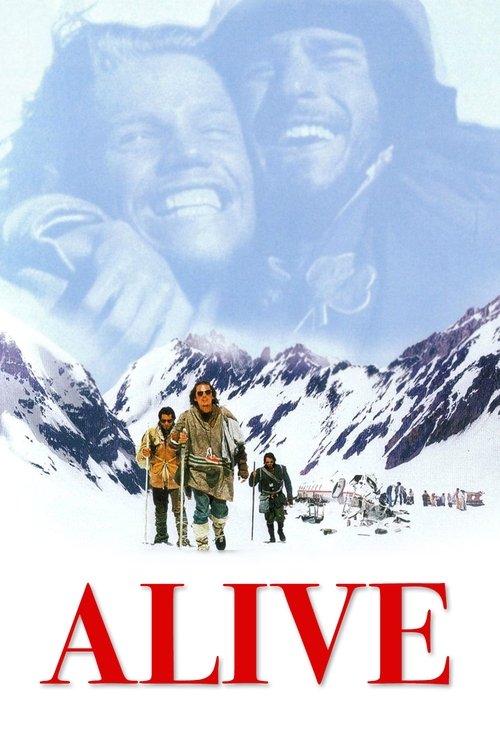
Alive1993
The Uruguayan rugby team's survival after a plane crash in the Andes. It's gripping, horrifying, and deeply human. Frank Marshall directs with real intelligence about what desperation actually looks like.
But The subject matter—cannibalism, death—is harrowing in ways some viewers find exploitative. It's also less about triumph than about the cost of survival.
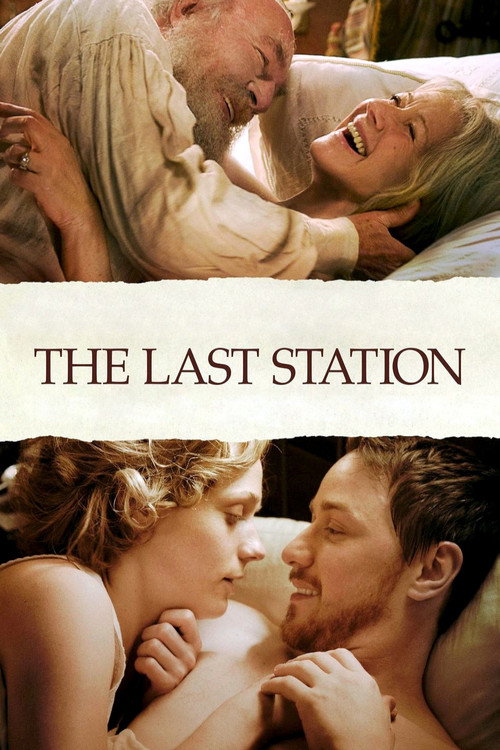
The Last Station2009
A chamber piece about Tolstoy's final days, with Michael Fassbender and Christopher Plummer. Like Shackleton, it explores greatness, stubbornness, and the gap between a man's public myth and private self.
But It's modest and interior where you might expect grand drama. The conflict is philosophical rather than physical, which will feel small to some.
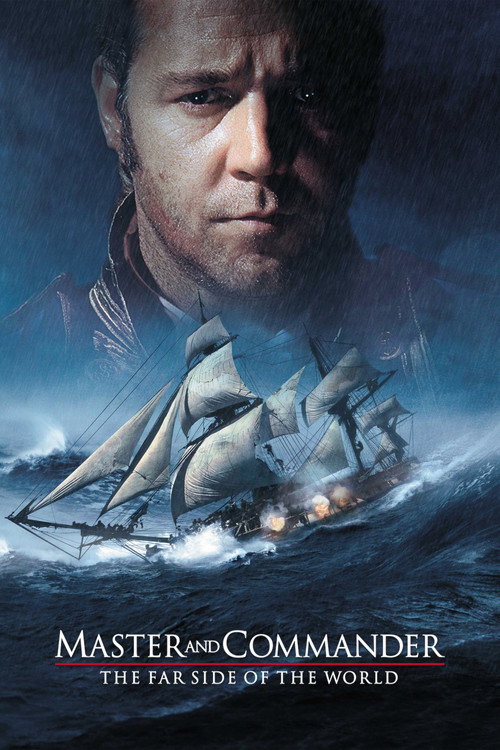
Master and Commander: The Far Side of the World2003
Russell Crowe as a Royal Navy captain pursuing a French warship around the Horn of Cape. It has the same era, same obsessive leadership, same crew loyalty. The adventure is rousing and the ambition is genuine.
But Only one film was made from a beloved twenty-book series, so it feels incomplete. Some find the naval sequences impenetrable if you don't know port from starboard.
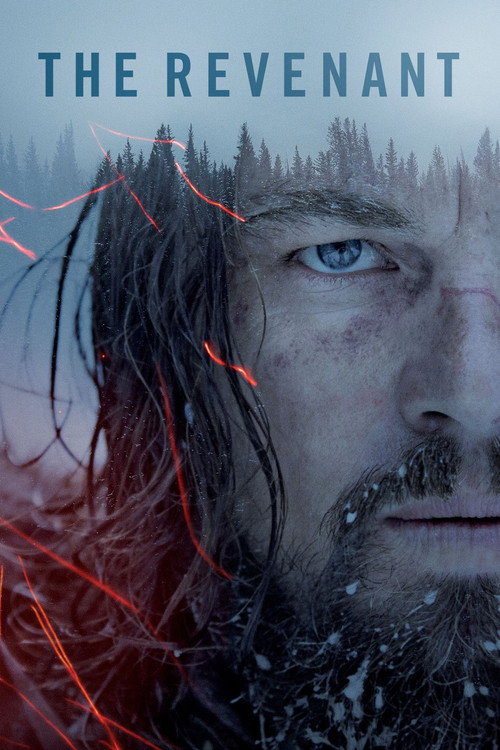
The Revenant2015
A frontiersman's brutal journey to survive and seek revenge in 1820s wilderness. It's visually astonishing and morally murky in ways that complicate the survival narrative. Leo gives one of his best performances.
But Emmanuel Lubezki's cinematography is so dominant it sometimes overwhelms the human story. The film is also punishingly violent and slow, which exhausts rather than transports some viewers.
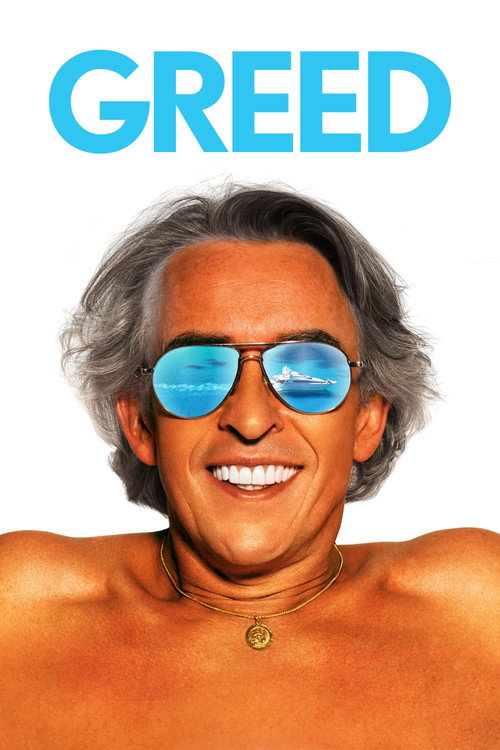
Greed2019
Both explore what drives men to risk everything for ambition and legacy. Greed asks whether that drive is nobility or pathology by placing it in a context where the answer becomes undeniable.
Michael Winterbottom's savage black comedy about a billionaire's absurd Alpine expedition. It has the same structure as Shackleton—obsessive leadership, impossible logistics, ambitious men—but inverts every value. Hilarious and furious.
But It's a satire that mistakes scolding for wit. The politics are obvious and the comedy is hit-and-miss, and the tonal whiplash between farce and moral outrage can feel exhausting.
Come and See1985
Both follow men enduring extreme circumstances, but Come and See strips away all romance from survival. It asks what survival costs when there is no meaning to justify it, unlike Shackleton's legacy of valor.
Elem Klimov's devastated masterpiece about a Soviet boy soldier in WWII Belarus. It's survival under different extremes—not ice but fire, not noble expedition but senseless war. The cinematography is nightmarish. Utterly essential.
But This is a film about atrocity that refuses to look away or offer catharsis. It's brutally difficult and will leave you shaken. Not escapism; the opposite.

People
Cast
Recommended by
Scott of the Antarctic, The Conquest of Everest, Antarctica, The Worst Journey in the World, Into Thin Air: Death on Everest