
Film
The Happiest Days of Your Life
- Comedy
- Light-hearted
A 1950 British comedy about an all-boys boarding school forced to share its grounds with an all-girls school during wartime. Alastair Sim and Margaret Rutherford lead a perfectly timed farce of clashing headmasters, bureaucratic chaos, and the inevitable collision between institutional pride and romantic chaos. Utterly charming, endlessly quotable, and built on the kind of effortless comic acting that makes you wonder why they don't make them like this anymore.
Should you watch it?
Watch it if you relish brisk British comedy of stubborn professionals trading barbs over a wartime muddle, where Alastair Sim and Margaret Rutherford's spiky sparring does most of the work.
Skip it if you want big visual gags or a plot that moves quickly, since this is talky, mannered comedy from 1950 that leans on its performers rather than on momentum.
What it asks of you: Expect eighty-one minutes of broad, mannered performances and rapid-fire dialogue that asks you to keep up with clipped exchanges more than follow a tight plot.
Not sure? Find tonight's pick in a minute.
If you liked this
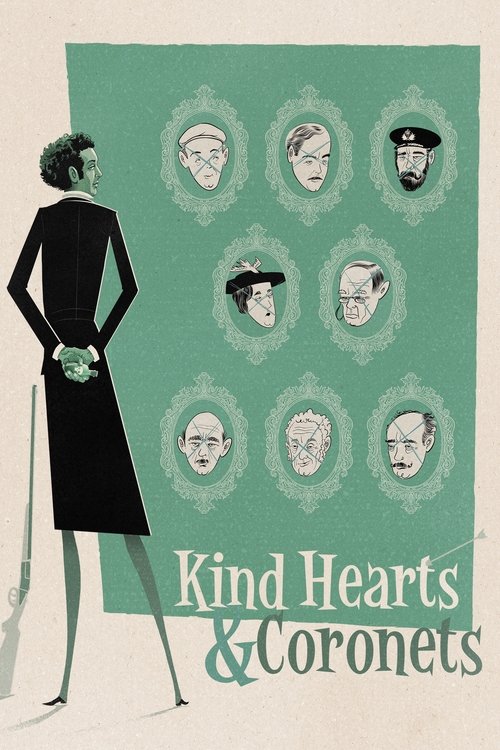
Kind Hearts and Coronets1949
Alec Guinness plays eight roles in a delicious murder mystery where every victim deserves it. The same era, the same deadpan British wit, the same feeling that the world is populated by loveable rogues and magnificent fools.
But It's a murder film first and a comedy second. If you're coming for laughs, the tone can feel oddly melancholic in stretches.
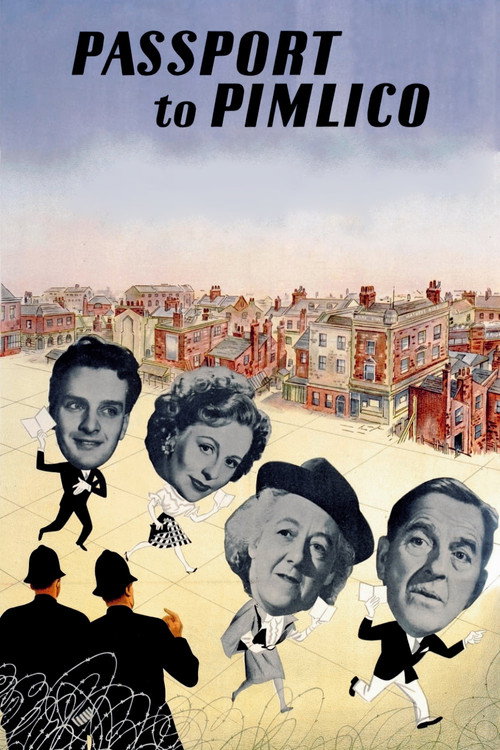
Passport to Pimlico1949
A tiny corner of London declares independence and chaos erupts. It has the same dry observational humour, the same ensemble cast dynamics, and the same joy in watching bureaucracy get turned inside out by ordinary people.
But The plot is silly—intentionally—and if you need realism or stakes, the whimsy might wear thin by the end.
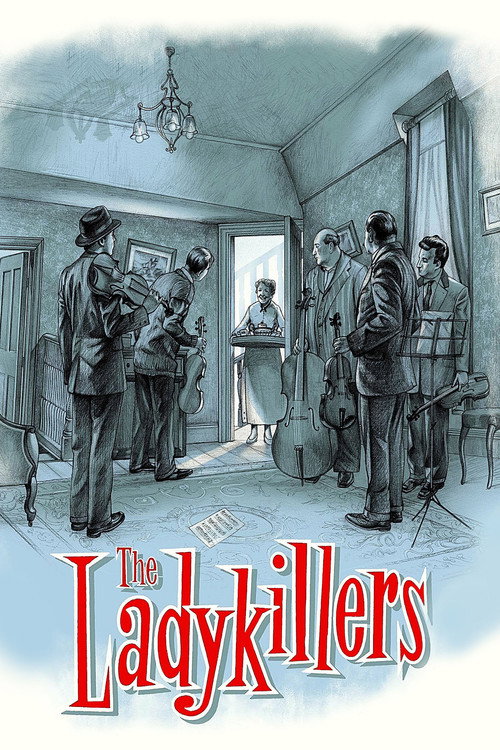
The Ladykillers1955
Five criminals pose as musicians to rob a bank, renting a room from a sweet elderly landlady who slowly drives them mad. Ealing comedy at its most ingenious: the chaos, the character acting, the way kindness defeats villainy without trying.
But It's darker than it first appears, and the pacing slows in the middle as setup stretches toward payoff.
Not sure tonight? Get a pick in a minute, starting from The Happiest Days of Your Life
The wildcard
Something you would not have found on your own.
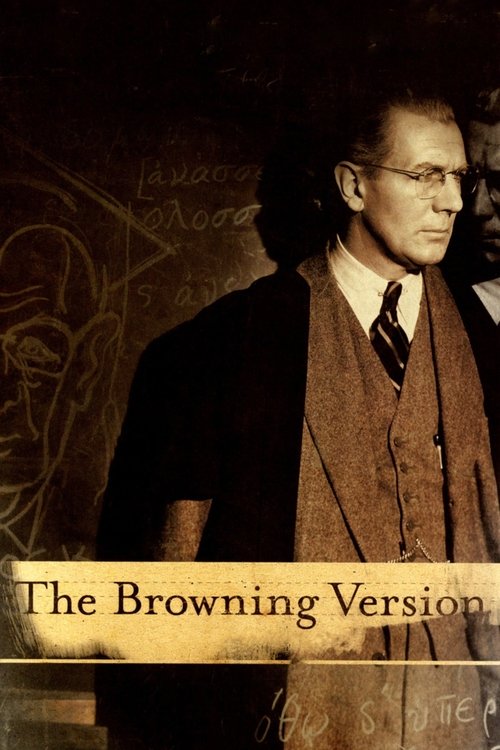
The Browning Version1951
Both are set in the same world of English boarding schools and male institutional pride, but one celebrates the chaos of that world while the other quietly mourns it. They're mirror images.
Terence Rattigan's play about a retiring schoolmaster confronting a lifetime of disappointment. Same boarding school world, same impeccable British acting, but this is tragedy wearing a suit—a portrait of quiet desperation that reveals what The Happiest Days is deliberately ignoring.
But It's painful to watch in the way that only British emotional restraint can be. There are no jokes; there is only the accumulated weight of small failures.
More like this (8)
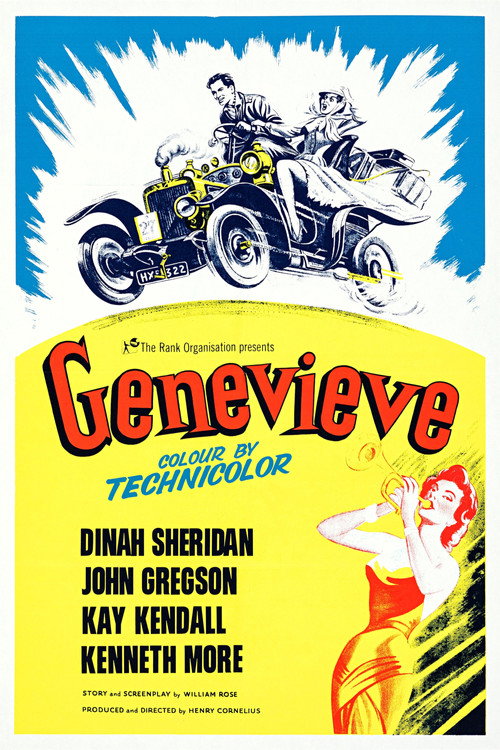
Genevieve1953
Two couples drive vintage cars to Brighton and back, and their rivalry spirals into magnificent pettiness. It captures that same gentle, observational British comedy—people being fundamentally ridiculous while insisting they're being perfectly reasonable.
But The plot is genuinely paper-thin. If you're waiting for a real story to arrive, you'll be disappointed by the meandering good-natured bickering.
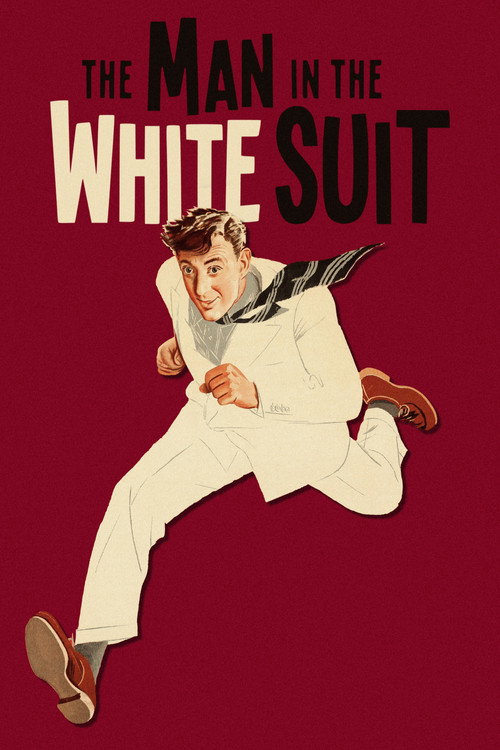
The Man in the White Suit1951
Alec Guinness invents a fabric that never wears out and never gets dirty, upending the entire textile industry. It's a satire wrapped in comedy wrapped in a fairy tale, with the same impeccable comic timing and British restraint.
But The social commentary can feel heavy-handed if you're not in the mood for it. It's also oddly tense for a comedy in places.
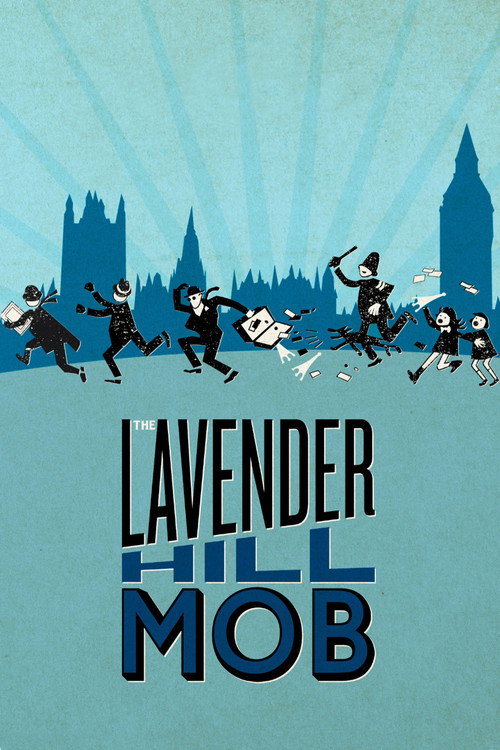
The Lavender Hill Mob1951
Alec Guinness leads a gang of everyday London types to steal gold bullion. Pure, exuberant heist comedy: loveable criminals, perfect planning, escalating absurdity, and the same delight in watching ordinary people turn extraordinary.
But The second half drops the gang and focuses on the chase, losing some of the ensemble charm that makes the first half sing.
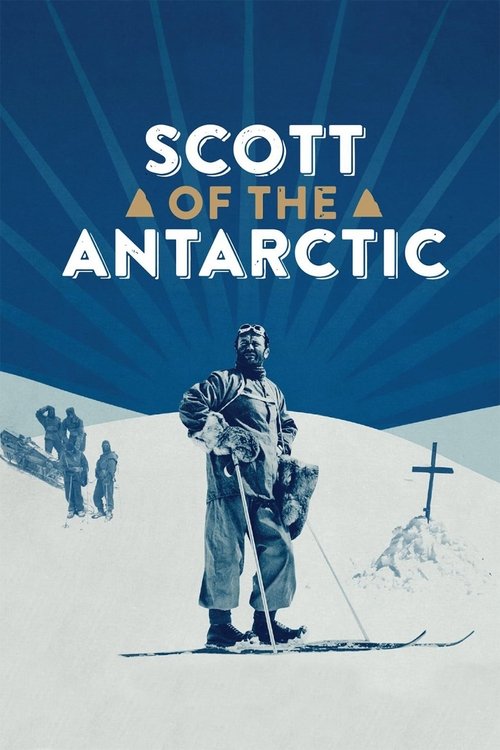
Scott of the Antarctic1948
Wait—hear me out. John Mills leads an expedition to the South Pole in this quietly devastating film. It shares the same cast of excellent British character actors, the same stiff-upper-lip ethos, but proves the era could do heartbreak as well as it did farce.
But It's the opposite register entirely: slow, meditative, and genuinely tragic. Not what you want if you're craving laughs.
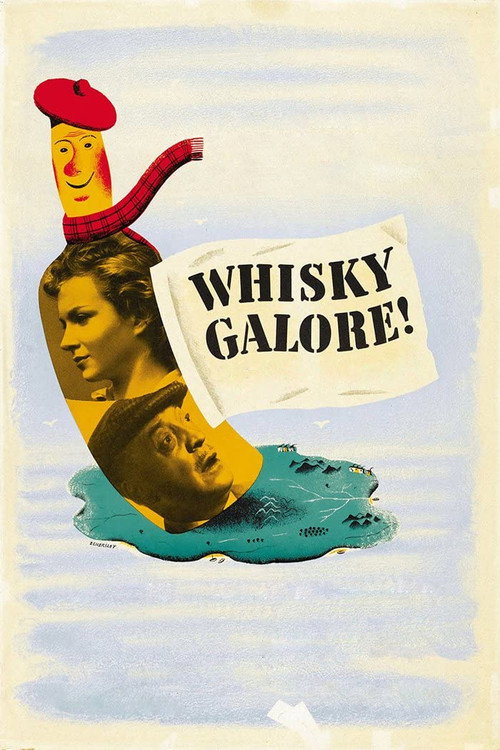
Whisky Galore!1949
A cargo ship carrying whisky wrecks near a Scottish island during Prohibition, and the entire community conspires to steal the cargo. It's the same anarchic energy, the same delight in watching institutions outwitted by ordinary people working together.
But The Scottish accents can be hard work, and the pacing is deliberately leisurely—nothing happens quickly and nothing needs to.
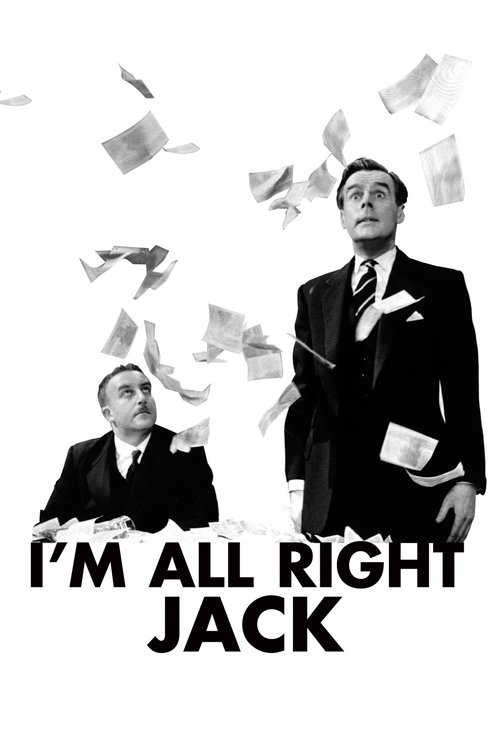
I'm All Right Jack1959
Peter Sellers steals every scene as a union boss while Ian Carmichael stumbles through a factory. Sharper and meaner than most Ealing comedies, it's still built on perfect comic acting and absurdist industrial chaos.
But It's more cynical and barbed than The Happiest Days—the satire has teeth, and some targets feel dated now.
Singin' in the Rain1952
Both are films about theatre and performance—one celebrates it explicitly through song and dance, the other through the comedy of people playing roles in real life. Both understand that human behaviour is fundamentally performative and profoundly funny because of it.
Gene Kelly, Donald O'Connor, and Debbie Reynolds in the greatest pure entertainment ever filmed. It has the same ensemble joy, the same feeling that everyone involved understood exactly how to make you smile, and it moves like a perfectly wound clock.
But It's American spectacle, not British restraint. The scale and energy might feel exhausting if you're after something more intimate and dry.

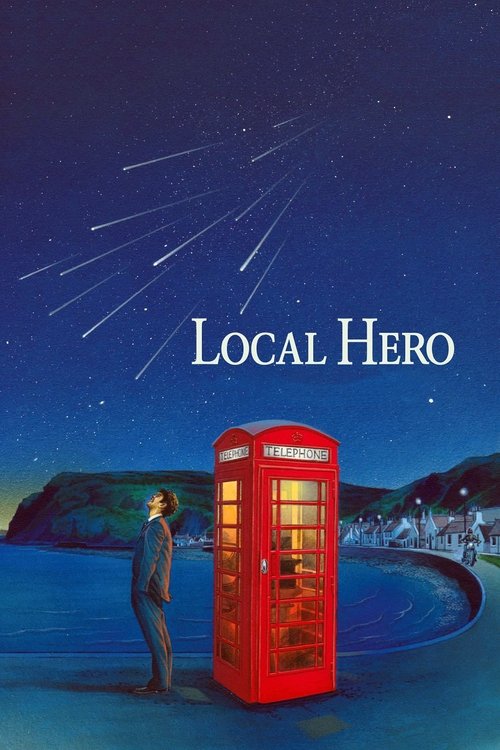
Local Hero1983
Separated by three decades and a border, but both films trust comedy to emerge from character rather than gags, and both celebrate the way communities adapt and absorb. The Happiest Days is farce; Local Hero is warmth—but the underlying faith in human decency is identical.
An American oil executive comes to a Scottish village to buy it for development and ends up captured by the place's gentle magic. Bill Forsyth made a film about institutions and outsiders that has the same warmth, the same observational humour, the same belief in the goodness of flawed ordinary people.
But It's a 1980s film, which means it's visually dated and the pace is slower than modern audiences expect. It asks you to sit with mood rather than plot.
People
Cast
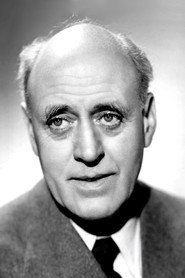 Alastair SimWetherby Pond
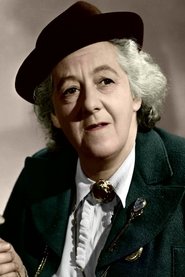 Margaret RutherfordMuriel Whitchurch
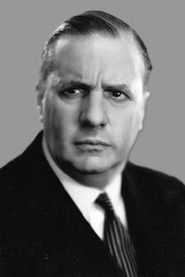 John TurnbullConrad Matthews: Staff of Nutbourne
 Richard WattisArnold Billings: Staff of Nutbourne
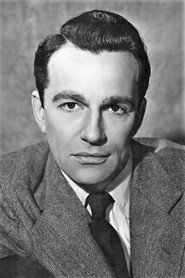 John BentleyRichard Tassell: Staff of Nutbourne
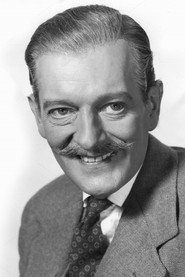 Guy MiddletonVictor Hyde-Brown: Staff of Nutbourne
- Percy WalshMonsieur Joue: Staff of Nutbourne
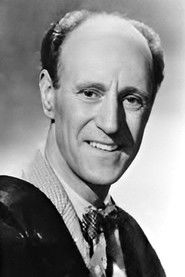 Arthur HowardAnthony Ramsden: Staff of Nutbourne
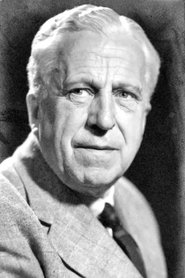 Edward RigbyRainbow: Staff of Nutbourne
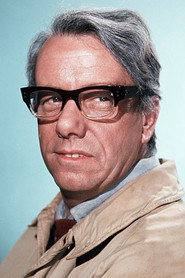 Harold GoodwinEdwin: Staff of Nutbourne
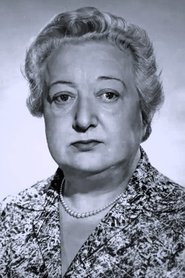 Gladys HensonMrs. Hampstead: Staff of Nutbourne
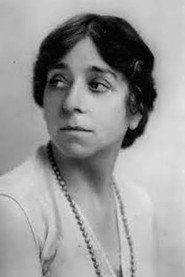 Muriel AkedMiss Jezzard: Staff of St. Swithin's
Directing
- Cecil F. FordAssistant Director
- Angela AllenContinuity
- Carole AcasonContinuity
- Frank LaunderDirector
- George More O'FerrallSecond Unit Director
- Clifford PriceThird Assistant Director
Writing
- Frank LaunderScreenplay
- John DightonScreenplay
- John DightonTheatre Play
Production
- E.M. Smedley-AstonAssociate Producer
- Frank LaunderProducer
- Sidney GilliatProducer
- Cecil R. Foster KempProduction Manager
- Enid JonesPublicist
Recommended by
St Trinian's, The Luck of the Irish, The Belles of St Trinian's, You're Only Young Twice!