
Film
I'm All Right Jack
This is the Boulting brothers' sharpest satire, with Peter Sellers's iconic Fred Kite anchoring a comedy that mocks bosses and workers with equal glee. Brisk, cheerfully cynical mid-century British class comedy, born of postwar labour disputes and management chicanery, with Ian Carmichael's hapless toff bouncing between both sides. Sharp, quotable, still funny, and a little startling in how evenly it distributes its contempt.
If you liked this
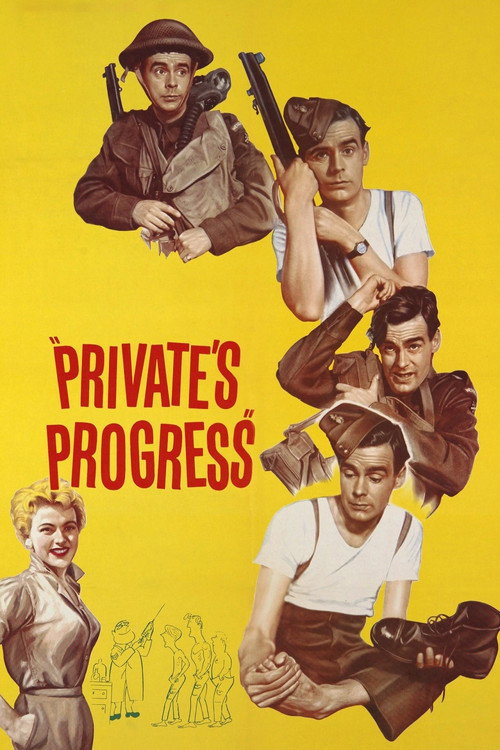
Private's Progress1956
Same director duo and same character, Stanley Windrush, bumbling through army bureaucracy before he ever reaches the factory floor — watch the Boultings sharpen their gleeful cynicism here first.
But Jack stands alone fine; some won't want two hours of prequel-hunting, and its wartime jokes assume more period knowledge.
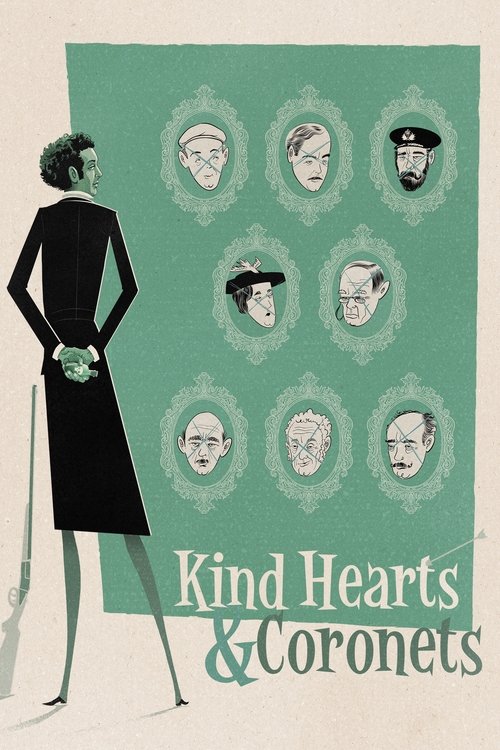
Kind Hearts and Coronets1949
The gold standard of English class-satire comedy, Ealing's blackest and funniest attack on privilege, with Dennis Price working his murderous way up the social ladder.
But Drier wit, darker violence, and no slapstick — scalpel where Jack swings a sledgehammer.
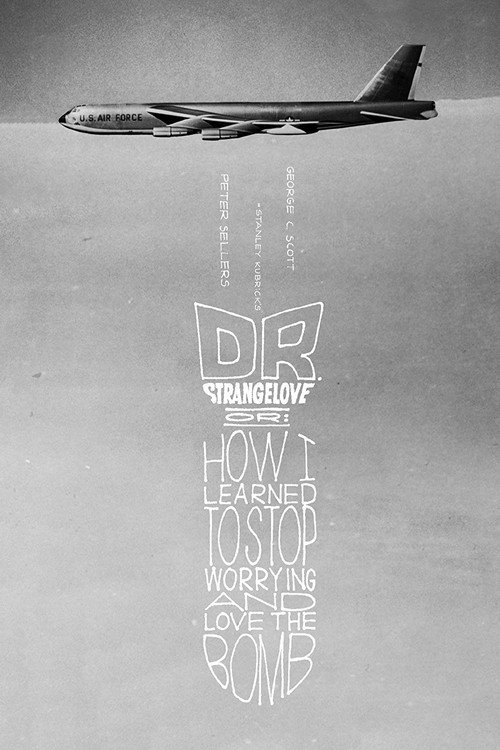
Dr. Strangelove or: How I Learned to Stop Worrying and Love the Bomb1964
Sellers multiplies himself into three roles for Kubrick, proof he could carry an entire ideological argument on his face alone; same appetite for skewering institutions, vastly bigger stakes.
But Cold War doomsday humour is bleaker and stranger than industrial squabbling; some prefer Jack's parochial factory-floor charm.
The wildcard
Something you would not have found on your own.
Modern Times1936
Both send a hapless everyman bouncing between exploitative bosses and an indifferent system to expose absurdity on every side — Chaplin's assembly line is Kite's factory floor, thirty years earlier and without a word spoken.
Chaplin's near-silent masterpiece already had the little man versus the factory machine down cold decades before Sellers ever put on a shop steward's beret, mixing slapstick with real fury at industrial dehumanisation.
But Almost no dialogue, black-and-white silent-era rhythms, and a comic vocabulary a world away from Jack's talky farce.

More like this (8)
The Man in the White Suit1951
Alec Guinness invents an indestructible fabric, and both bosses and unions conspire to bury it — Ealing's own factory satire, gentler but just as sharp about self-interest on every side.
But Less broad comedy, more melancholy fable; Guinness's earnest inventor lacks Sellers's grotesque comic engine.

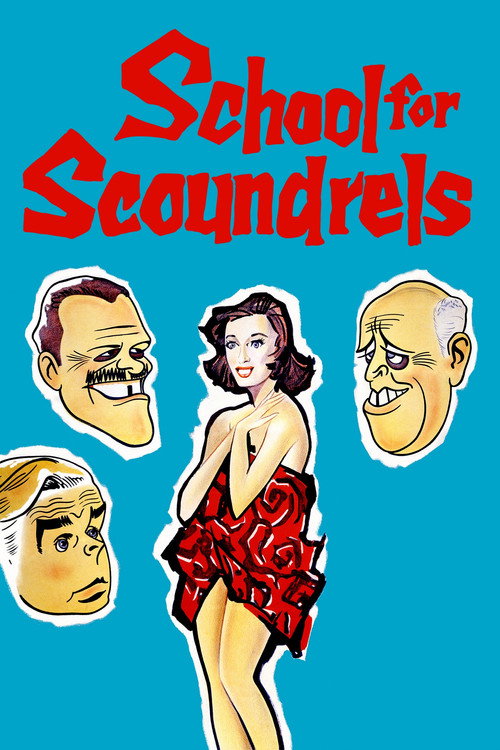
School for Scoundrels1960
Terry-Thomas plays the same blustering upper-class buffoon he brings to Jack, in a lighter comedy about one-upmanship and English social codes — pure late-fifties silliness with real bite underneath.
But Thinner satire, more farce than argument; fewer political teeth if that's what drew you to Jack.
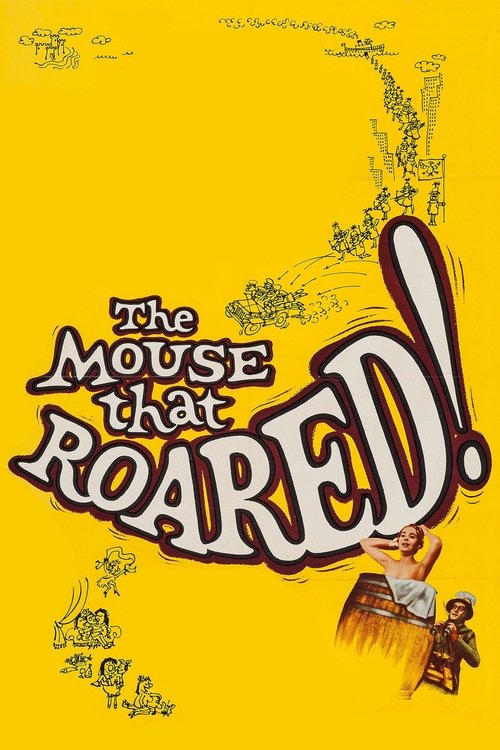
The Mouse That Roared1959
Another Sellers vehicle from the very same year, playing multiple roles in a tiny nation's accidental war on America — a sillier cousin to Jack's institutional mockery.
But Swaps industrial realism for outright farce and fantasy; the satire is gentler and less grounded in real workplace grievance.
Heavens Above!1963no page yet
Sellers and the Boultings reunite, this time turning their naive-innocent-in-an-institution formula on the church, watching everyone reveal their self-interest all over again.
But Less beloved and less sharp than Jack; the religious satire hasn't aged as gracefully as the industrial one.
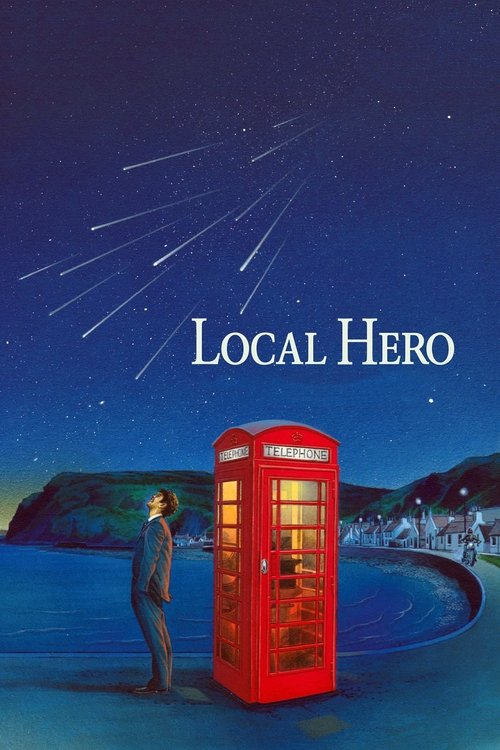
Local Hero1983
A gentler, later British comedy about a huge company trying to buy out a small Scottish village — the same collision of capital and community, played warm instead of savage.
But Wistful and whimsical rather than acidic, with a much slower pace throughout — a different animal entirely.
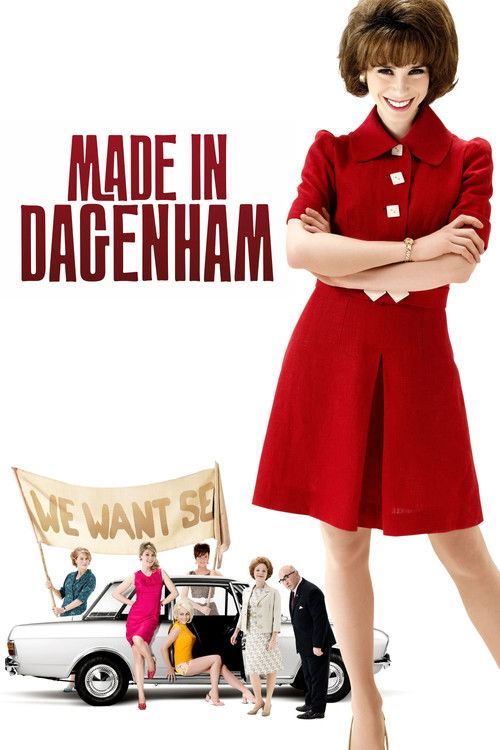
Made in Dagenham2010
A sympathetic, feel-good flip side to Jack's cynicism, dramatising the real 1968 Ford strike for equal pay and treating unions as heroes rather than punchlines.
But Plays it straight and warm where Jack plays everything for laughs; none of the original's satirical bite survives.
The Big Flame1969no page yet
It's the mirror image of Jack — same industrial battleground, same era of British labour unrest — but played dead straight, showing how easily identical material can be aimed at satire or at outrage.
Ken Loach's furious, documentary-style TV play imagines dockers seizing control of their own port, treating organised labour against management with total sincerity and rage instead of a single joke.
But Deliberately uncomic and agitprop in tone; if you came for laughs, this offers none, only conviction.
The Working Class Goes to Heaven1971no page yet
Same terrain of factory politics and a naive man radicalised by circumstance, reimagined through Italian art cinema's sweatier, far more serious register instead of English farce.
Elio Petri's Italian drama follows a factory worker awakening to class consciousness after a workplace accident, turning shop-floor satire outward into something existential, angry, and strange.
But Subtitled, unhurried, and far more interested in psychological disintegration than punchlines — a demanding watch by comparison.
People
Cast
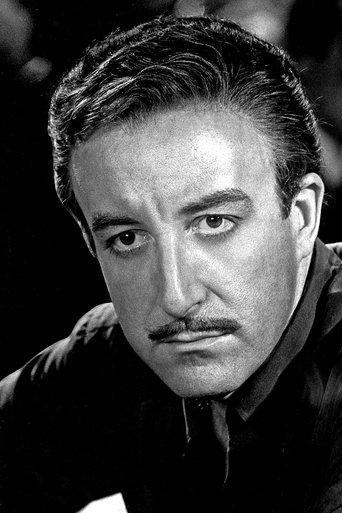 Peter SellersFred Kite / Sir John Kennaway
 Ian CarmichaelStanley Windrush
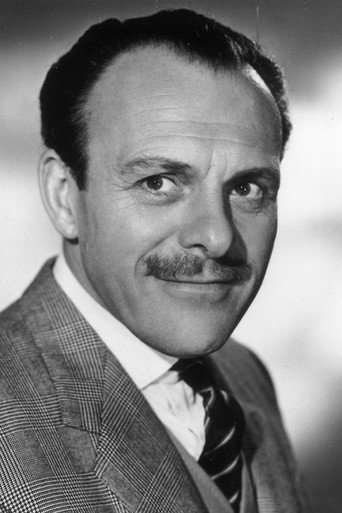 Terry-ThomasMajor Hitchcock
 Richard AttenboroughSidney De Vere Cox
 Dennis PriceBertram Tracepurcel
 Margaret RutherfordAunt Dolly
 Irene HandlMrs. Kite
 Liz FraserCynthia Kite
 Miles MallesonWindrush Sr., Stanley's father
 Marne MaitlandMr. Mohammed
 John Le MesurierWaters
 Raymond HuntleyMagistrate
Directing
- Philip ShipwayAssistant Director
- John BoultingDirector
Writing
- Alan HackneyAuthor
- Frank HarveyScreenplay
- John BoultingScreenplay
Production
- Roy BoultingProducer
- Adrian D. WorkerProduction Supervisor
Recommended by
Yes Minister, Passport to Pimlico, The Man in the White Suit, School for Scoundrels, Till Death Us Do Part, Yes, Prime Minister, Private's Progress, The Mouse That Roared