
Film
The Pleasure Garden
Other titles called The Pleasure Garden: the 1925 film.
- Comedy
- Slow-burning
A 1953 British short film about pleasure, constraint, and the small rebellions of everyday life. A stuffy bureaucrat tries to regulate an overgrown garden with prohibition bills while locals quietly subvert his rules. It's whimsical and gently absurdist, made by Lindsay Anderson before his angrier films. For anyone charmed by epigrammatic British cinema or interested in how comedy and social critique can occupy the same small space.
Should you watch it?
Watch it if you love droll, mischievous short comedies where a thin story becomes a vehicle for sly satire of stiff, joyless respectability and a playful eye for statue-strewn, overgrown sets.
Skip it if you need plot, momentum or characters you can settle into, since this is a slight, thinly sketched piece that mostly plays as a mood.
What it asks of you: Barely forty minutes, so it asks for a single unhurried sitting and a willingness to let its gentle absurdity drift rather than build.
Not sure? Find tonight's pick in a minute.
If you liked this
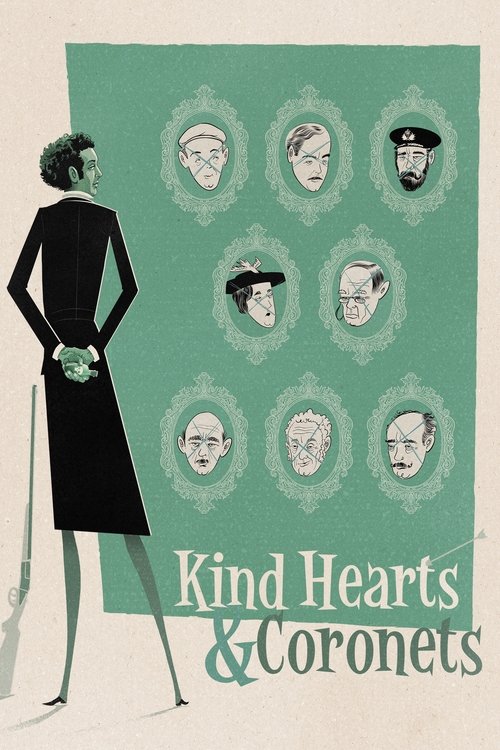
Kind Hearts and Coronets1949
Ealing's darkest comedy about murder and inheritance, with Alec Guinness playing eight roles. Like The Pleasure Garden, it finds real malice and class comedy in the same breath, and its shorthand visual gags pack enormous wit into brief moments.
But Post-war British comedy can feel creaky if you're not attuned to its deadpan timing. The plot meanders deliberately, which some find charming and others find slack.
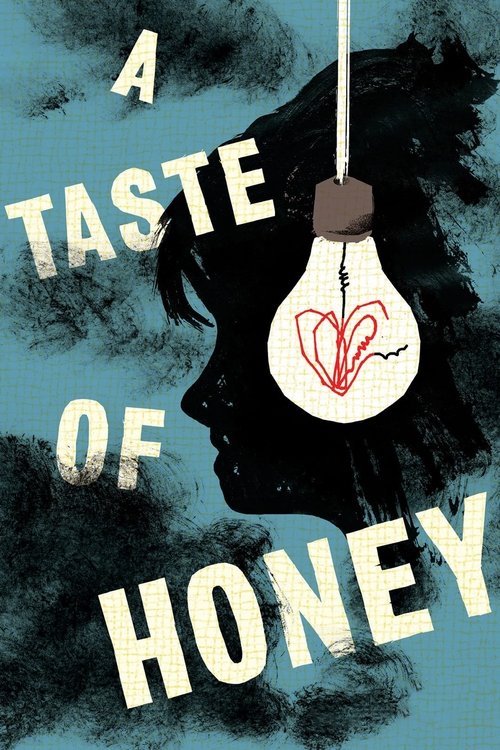
A Taste of Honey1961
Raw British kitchen-sink drama with surprising warmth and humour. Like Anderson's film, it captures the texture of ordinary life with an unsentimental eye—working-class Yorkshire people finding dignity and small joys amid constraint.
But It's deliberately unglamorous and the resolution is deliberately incomplete. If you want narrative closure and uplift, this will frustrate you.
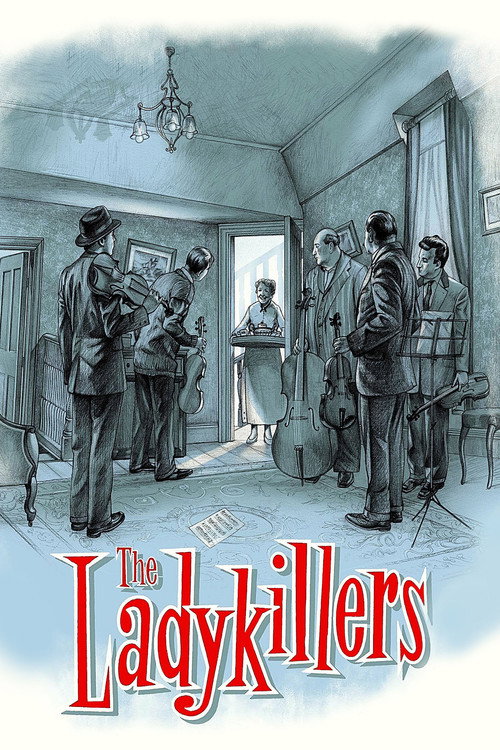
The Ladykillers1955
A comic heist film where genteel gangsters rent rooms in a boarding house and are gradually undone by an elderly landlady. The pleasure of watching schemes collapse against human stubbornness is exactly Anderson's register—formal, precise, darkly funny.
But The pacing is deliberate rather than snappy. If you want momentum and pace, the Ealing comedy style will feel mannered to you.
Not sure tonight? Get a pick in a minute, starting from The Pleasure Garden
The wildcard
Something you would not have found on your own.
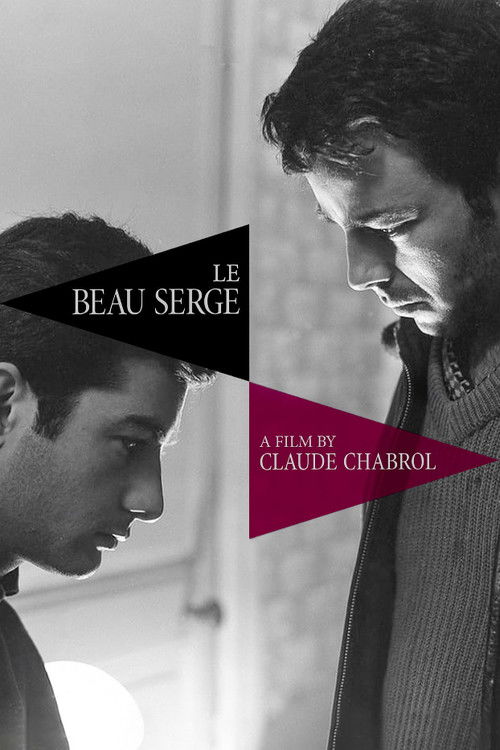
Le Beau Serge1959
Both are short films about community and transgression made in the 1950s by directors who believe that ordinary life—watched closely—is more interesting than drama. Both distrust sentiment and find comedy in structural injustice.
François Truffaut's friend Claude Chabrol made this Godard-adjacent film about a man returning to his village, catching cruelty and desire in ordinary moments. Shot in black-and-white on a modest budget, it has exactly Anderson's eye for how constraint produces truth, but French New Wave cinema makes it feel completely new.
But It's elliptical and demands patient attention. Plot is not the engine here; you're watching for gesture and implication, which takes adjustment.
More like this (7)
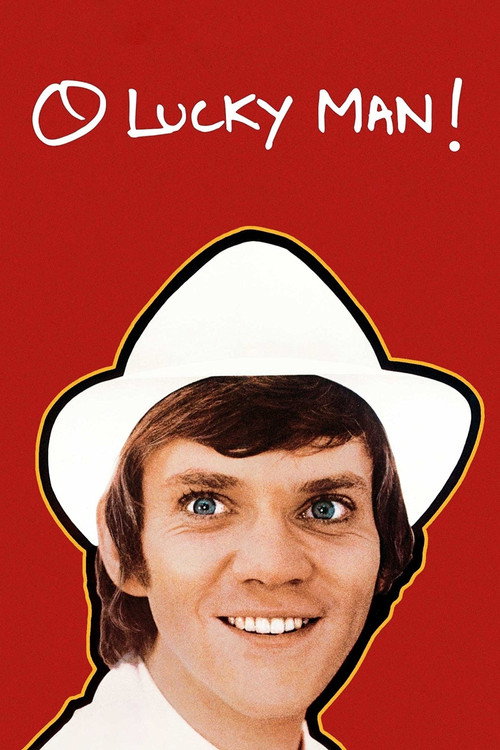
O Lucky Man!1973
Anderson's own later masterpiece, equally playful and cutting about English society. If you love the anarchic energy of The Pleasure Garden but want to see it developed into something larger, this is the obvious step.
But At nearly three hours, it's much more ambitious and uneven than the short film. It swings between registers in ways that don't always cohere.
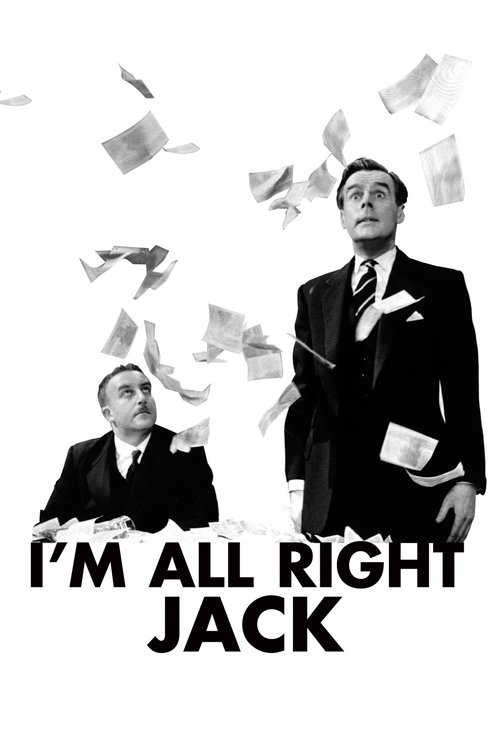
I'm All Right Jack1959
Satire about labour disputes and workplace absurdity, with Peter Sellers in a role that's both comic and pointed. The same belief that human behaviour is endlessly ridiculous and endlessly worth watching.
But The satire is broad and the political positions feel dated now, which can make it feel more like a period piece than a living film.
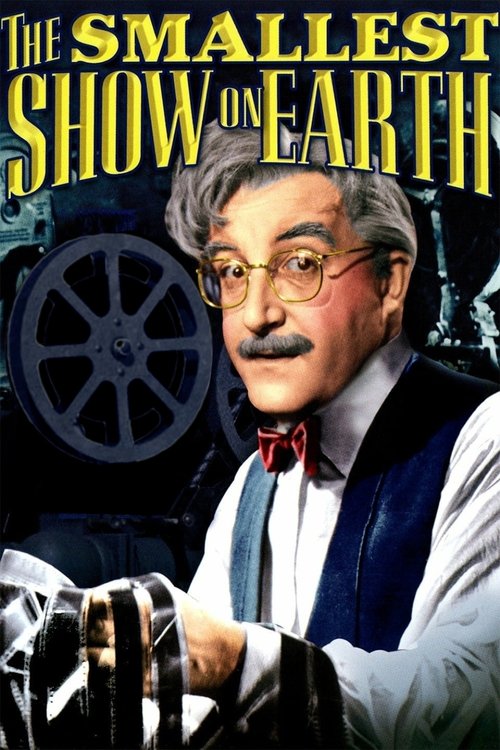
The Smallest Show on Earth1957
A couple inherits a tiny, crumbling cinema and tries to keep it alive. It's warm-hearted and funny about ordinary people making small stands against the world—the exact mood of Anderson's garden.
But It's almost too gentle. If you want your comedy with an edge, this will feel slight and sentimental.
The Man in the White Suit1951
Alec Guinness invents an indestructible fabric and watches society scramble to suppress it. A perfect fusion of farce and social satire, with the same visual clarity Anderson brings to his garden scenes.
But It's an Ealing comedy, which means it relies on a particular rhythm and sensibility. That world is very remote from ours now.

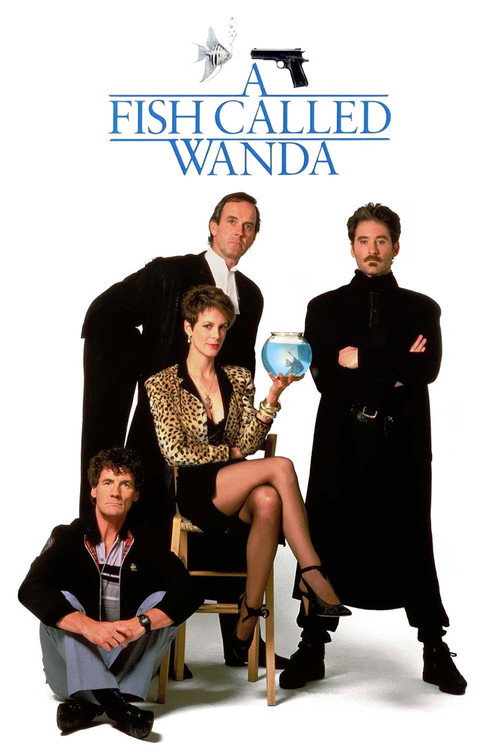
A Fish Called Wanda1988
Crime comedy where smart, untrustworthy people collide and nobody comes out unscathed. It has The Pleasure Garden's pleasure in human misbehaviour and its faith that absurdity is honest.
But It's American-inflected and much more aggressively comic. The tone is miles from Anderson's careful, almost Edwardian precision.
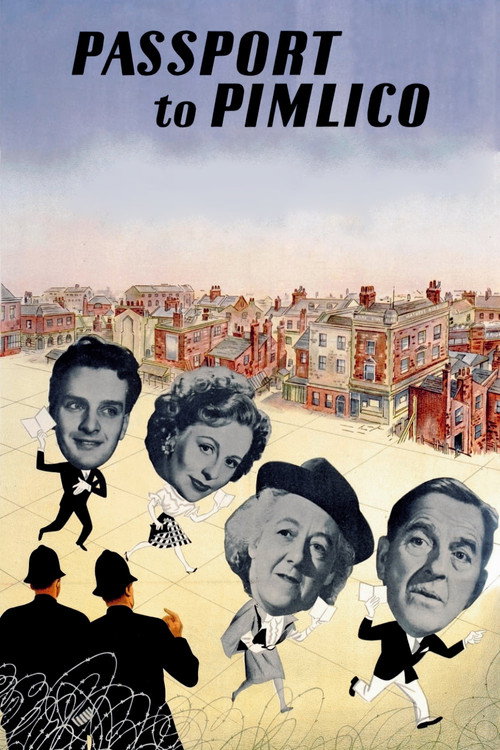
Passport to Pimlico1949
An Ealing classic where a London street becomes technically a Belgian territory. Community, rules, and quiet subversion of authority—the DNA is identical, just in a broader comedy register.
But It's genuinely slight, even by short-film standards. If you want depth alongside the charm, you'll find the surface a little thin.
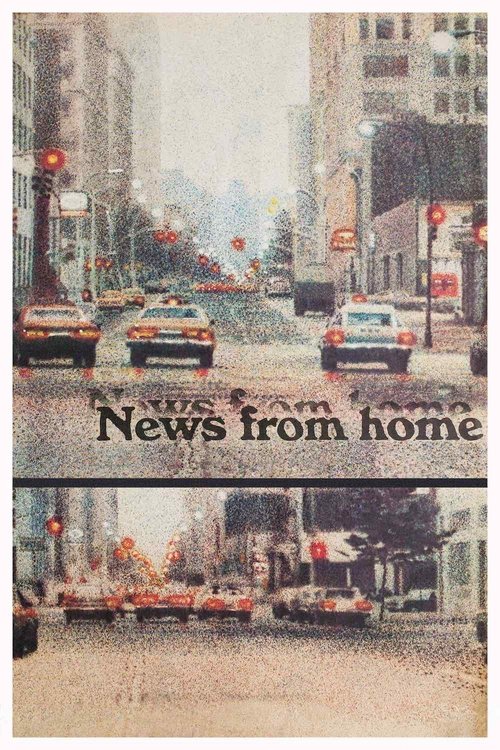
News from Home1976
Both use formal strictness—Anderson through composition and editing, Akerman through duration and repetition—to reveal what sentiment covers up. Both trust that attention itself is an act of love.
Chantal Akerman's experimental documentary is 85 minutes of Manhattan street scenes with the filmmaker's mother's letters read in voiceover. It's patient, quiet, utterly formal—and it finds profound emotion in the gaps between words and images. If you love how Anderson locates humanity in constraint and silence, this is cinema doing exactly that with radical restraint.
But It is genuinely experimental and makes almost no concession to viewers seeking narrative, plot, or conventional emotional arc. Many people find it tedious; others find it transformative.
People
Cast
 Lindsay AndersonMichael-Angelico
 John Le MesurierCol. Gargoyle
 Hattie JacquesMrs. Albion
 Jill BennettMiss Kellerman
 Maxine AudleyLady Ennui
- Hilary MackendrickMiss Wheeling
- Diana MaddoxBess
 Jean AndersonAunt Minerva
- Derek HartLord Ennui
Directing
- James BroughtonDirector
Writing
- James BroughtonWriter
Production
- Lindsay AndersonProduction Manager