
Film
Le Beau Serge
- Social drama
- Slow-burning
Chabrol's debut is a quiet, observant portrait of masculine friendship fractured by addiction and circumstance. Two men return to their small hometown; one has built a life away, the other has unraveled into drink. Shot in crisp black-and-white with the precision of a surgeon, it finds tragedy not in melodrama but in the ordinary failure of people to save each other. Essential viewing for anyone drawn to character-driven European cinema.
If you liked this
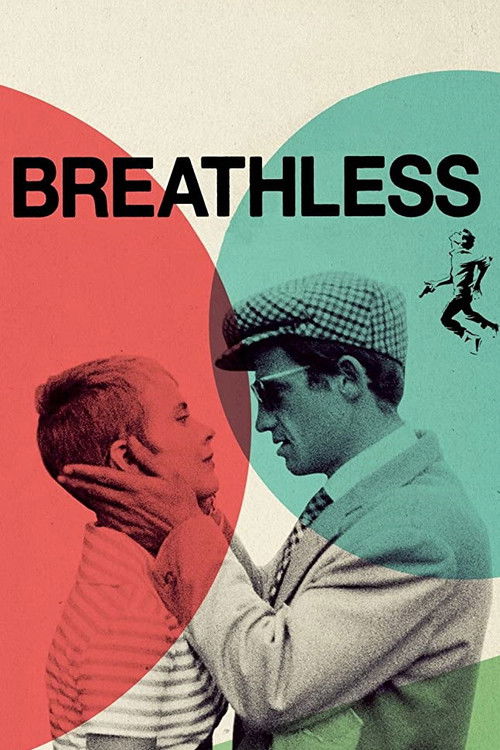
Breathless1960
Godard's French New Wave landmark shares Chabrol's interest in character psychology and moral ambiguity, but wraps it in the kinetic energy of a crime thriller. The jump cuts and fractured narrative feel radically modern even now.
But The deliberately artificial style and self-conscious cinematic games can feel dated or alienating if you're after straightforward storytelling.
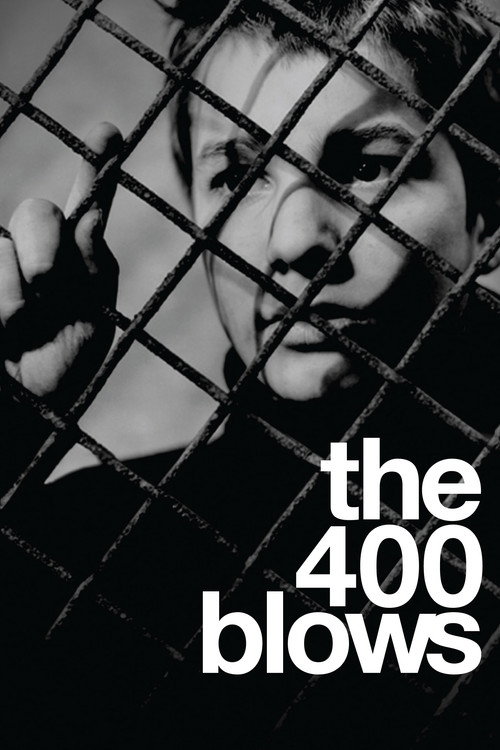
The 400 Blows1959
Truffaut's masterpiece of childhood and alienation appeared the same year as Le Beau Serge and shares the movement's gift for mining emotional truth from ordinary lives. It's tender without being sentimental, precise without being cold.
But The pacing is leisurely by modern standards, and if you need plot momentum rather than observation, it can feel slight.
Hiroshima Mon Amour1959
Another 1959 landmark that uses fragmented structure and intimate photography to explore memory, trauma, and what we hide from those closest to us. Resnais shares Chabrol's refusal to make things easy or explain too much.
But It's abstract and formally challenging. Some viewers find it pretentious; others find it simply difficult to enter.
Not sure tonight? Get a pick in a minute, starting from Le Beau Serge
The wildcard
Something you would not have found on your own.
Tokyo Story1953
The same structural idea: friends reunite, and we watch what time and life have done to them, and what they cannot repair.
Ozu's film predates Le Beau Serge by six years and feels like a cousin: both observe the distance that grows between old friends, the way people fail each other not through cruelty but through simple human limitation. Both are patient, both are about presence and absence.
But It's shot in a flat, composed style that feels anti-dramatic. The 'plot' is negligible. If you want emotional peaks and valleys, this offers a plateau.

More like this (7)
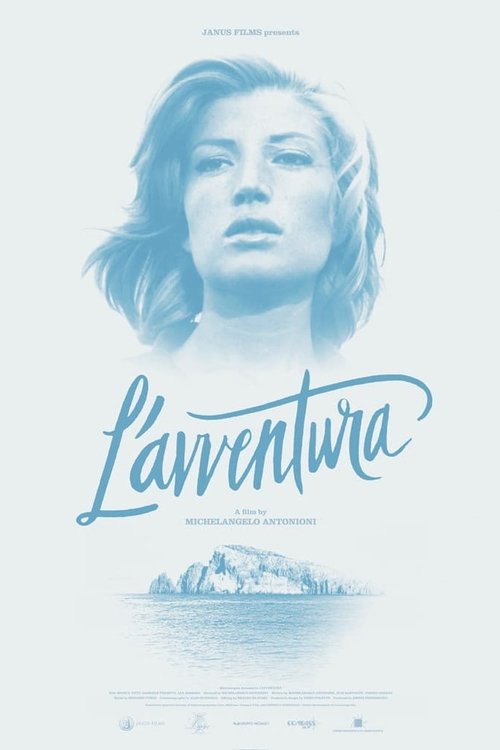
L'Avventura1960
Antonioni's masterwork shares Chabrol's interest in the spaces between people, the failures of connection, the erosion of meaning. A woman vanishes; what matters more is what happens to her boyfriend afterward. Glacially beautiful and hypnotic.
But At nearly three hours of deliberate pacing and emotional withdrawal, it demands patience and rewards silence more than engagement.
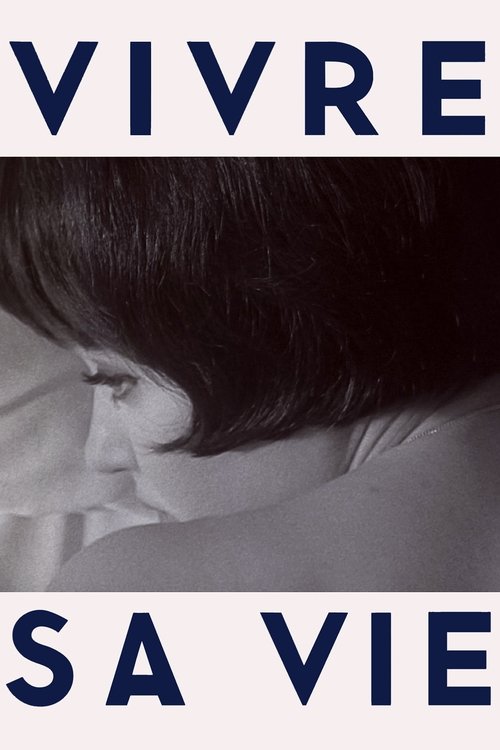
Vivre Sa Vie1962
Godard's portrait of a woman descending into prostitution. Like Le Beau Serge, it's a study of downward mobility and spiritual exhaustion, but filtered through Godard's fractured, essayistic style. Bracingly unsentimental.
But The experimental form can feel deliberately obtuse, and the distance from the protagonist might leave you cold rather than moved.
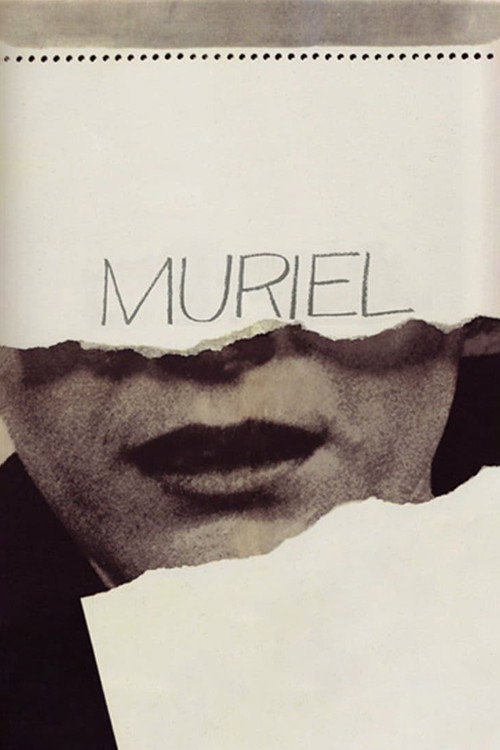
Muriel, or the Time of Return1963
Resnais again, but here examining how the past haunts the present in a provincial French town. Formal and elusive, it shares Le Beau Serge's concern with masculine guilt and the impossibility of redemption through presence alone.
But The narrative is deliberately obscure, the tone shifts between comedy and dread without warning, and plot coherence is not the point.
La Haine1995
A different era, a different milieu, but Kassovitz captures the same pitiless observation of young men trapped by circumstance, unable to escape their surroundings or save each other. Raw, vital, formally inventive.
But It's angry and sometimes brutal. The portrait of Paris's underclass pulls no punches, and the ending is unforgiving.

A Prophet2009
Audiard's prison film traces the corruption and education of a young man in ways that echo Chabrol's interest in moral erosion. How does a person change when circumstances demand it? What's lost and what's gained?
But It's long, densely plotted, and the violence is neither glamorous nor distant. Watching someone's soul reshape itself is not comfortable.

Stalker1979
Both films trust that watching someone want something is more interesting than watching them get it. Both are about the gap between intention and outcome.
Tarkovsky's science-fiction meditation on desire, faith, and the impossibility of change. A guide leads two men into a mysterious zone; what they're searching for dissolves under scrutiny. The register is entirely different—metaphysical rather than sociological—but the engine is identical: men trying to save each other, failing.
But It's 163 minutes of deliberate, hypnotic slow cinema. Patience isn't optional. If you watch it at all, you must surrender to its rhythms completely.

In the Mood for Love2000
Both films believe that emotional truth lives in what's withheld, in the space between bodies, in the things people cannot say to each other. Both are about proximity that cannot become connection.
Wong Kar-wai's film is concerned with what goes unsaid, what cannot be fixed, what people carry alone. Two people edge toward each other in a cramped Hong Kong apartment; the geometry of space and longing is everything. It's visually ecstatic in a way Le Beau Serge is not, but morally it's a first cousin.
But The style is maximalist and artificial, drowning in primary colours and obsessive framing. If you want realism, this is its opposite. The lack of dialogue and plot will either entrance you or exhaust you.

People
Cast
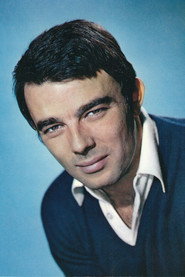 Gérard BlainSerge
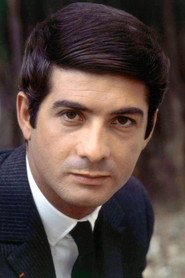 Jean-Claude BrialyFrançois
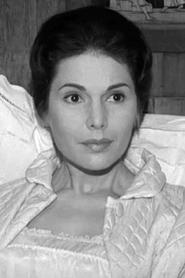 Michèle MéritzYvonne
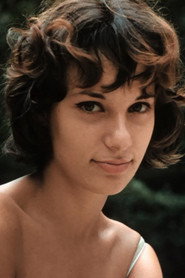 Bernadette LafontMarie
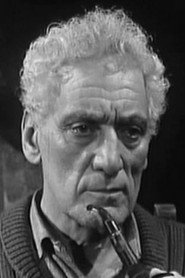 Edmond BeauchampGlomaud
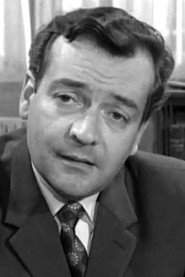 Claude CervalPriester
- André DinoArzt Michel
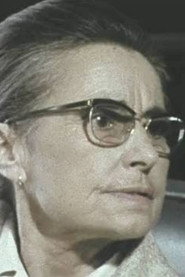 Jeanne PérezMadame Chaunier
- Michel CreuzeDer Bäcker
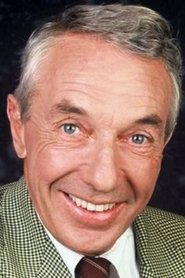 Philippe de BrocaJacques Rivette de la Chasuble
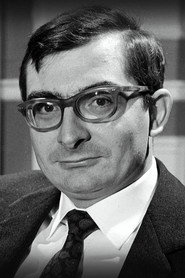 Claude ChabrolLa Truffe
Directing
- Charles L. BitschAssistant Director
- Claude de GivrayAssistant Director
- Jacqueline PareyAssistant Director
- Philippe de BrocaAssistant Director
- Claude ChabrolDirector
Writing
- Claude ChabrolScreenplay
Production
- Claude ChabrolProducer
- Roland NoninProducer
- Jean CotetProduction Director