
Film
Boccaccio '70
- Satire
- Dip in and out
Four Italian directors turn Boccaccio's bawdy medieval tales into 1960s vignettes about desire, hypocrisy, and the gap between public morality and private appetite. It's frothy, playful, and occasionally surreal—a cavalcade of flirtation and satire anchored by Ekberg, Loren, and Schneider. For anyone who loves cinema that's unafraid to be silly about sex.
Should you watch it?
Watch it if you enjoy sly, sophisticated Italian comedy about sexual hypocrisy, the kind that pokes at respectability with a smile, and you like swapping stories as much as sinking into one.
Skip it if you want a tight single narrative, since these are four unrelated shorts stitched together, and the comic momentum loosens noticeably between them.
What it asks of you: Four separate stories, each with its own setup and rhythm, stretched across more than three hours, so it rewards patience over momentum.
Not sure? Find tonight's pick in a minute.
If you liked this
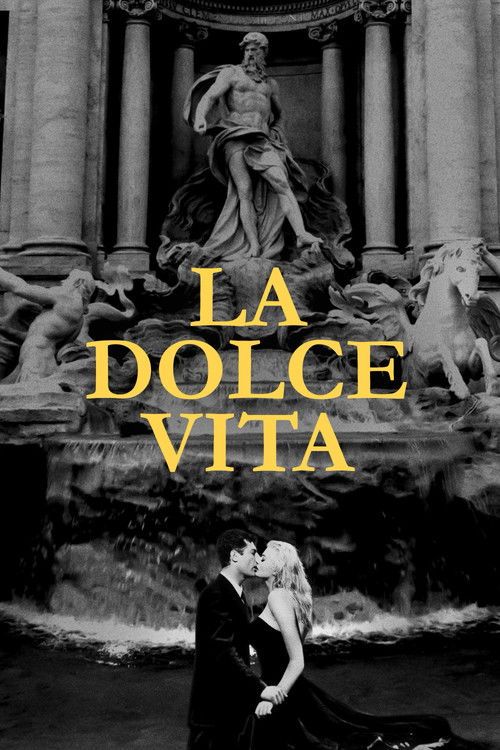
La Dolce Vita1960
Fellini's Rome is intoxicating—a cascading catalogue of encounters, temptations, and the beautiful people caught between glamour and emptiness. It shares Boccaccio '70's satirical eye and its love of baroque abundance.
But At 176 minutes, it moves like a fever dream rather than a plot. If you need narrative momentum, it will feel glacial.
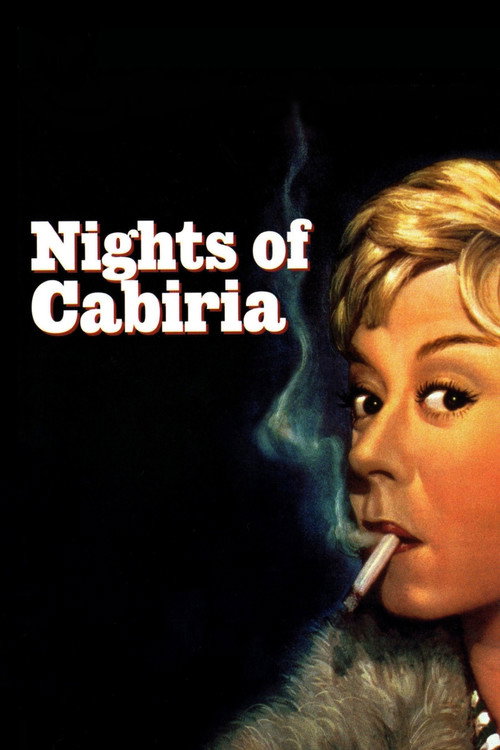
Nights of Cabiria1957
Fellini again, but focused and heartbreaking—a sex worker's collision with hope and cruelty in Rome. The tonal whiplash between comedy and pathos is masterful, and Masina's performance is luminous.
But The ending is devastating in a way that doesn't soften. It's not the film to watch if you need uplift.
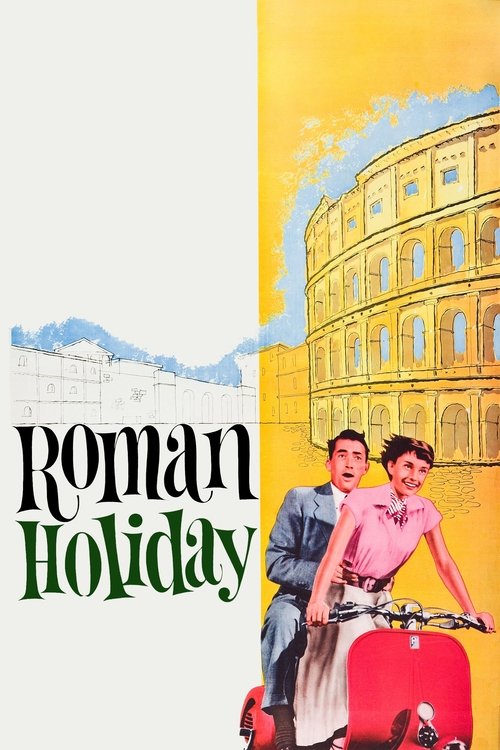
Roman Holiday1953
Audrey Hepburn and Gregory Peck in Rome, a princess playing hooky for a day of freedom and romance. Pure romantic comedy where the wit lands and the chemistry crackles.
But It's a fairy tale wrapped in a Hollywood studio system. If you're allergic to sentiment, it might feel saccharine.
Not sure tonight? Get a pick in a minute, starting from Boccaccio '70
The wildcard
Something you would not have found on your own.
Stalker1979
Both explore the gap between what we publicly claim to want and what we secretly desire. Both suggest that appetite—sexual or spiritual—reveals who we really are.
Andrei Tarkovsky's science-fiction meditation on desire and meaning. A guide leads two men through a mysterious zone toward a room that grants wishes—if you can admit what you truly want. Its spiritual seriousness transforms the Boccaccian obsession with appetite into metaphysics.
But It's 163 minutes of philosophical pacing. Tarkovsky requires surrender; if you watch it passively, it will feel glacial and empty.

More like this (6)
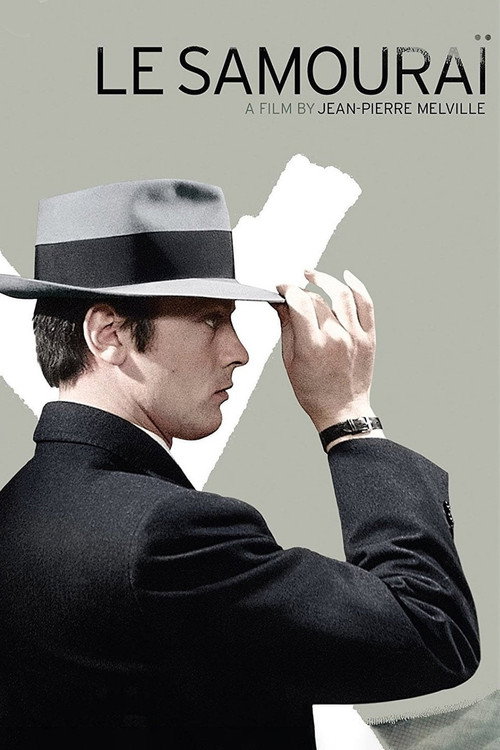
Le Samouraï1967
Alain Delon as a hitman moving through Paris like a ghost. It's style as substance—geometric, cool, hypnotic. The moral void at its center echoes Boccaccio '70's interest in facades.
But Plot is secondary to mood. Long stretches contain minimal dialogue or action; patience required.
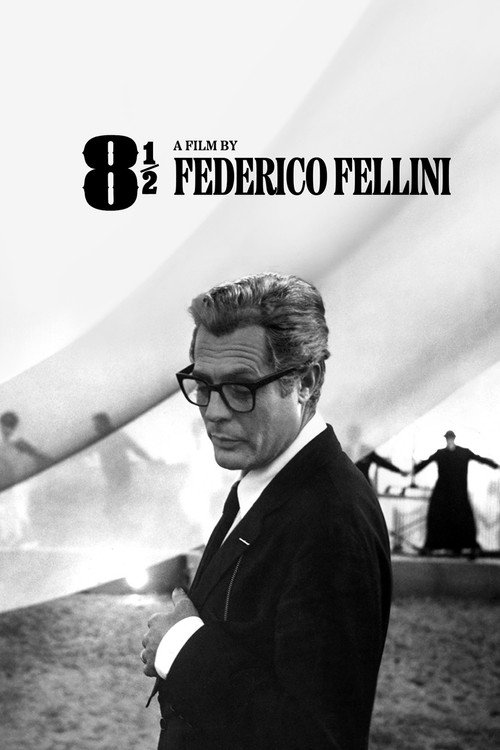
8½1963
Fellini's most dazzling film—a director's midlife crisis, surrounded by circus of desire, memory, and creation. It's inventive, frank about sex and aging, and aesthetically intoxicating.
But It's dreamlike and circular rather than resolved. Expect ambiguity and self-referential cinema games.
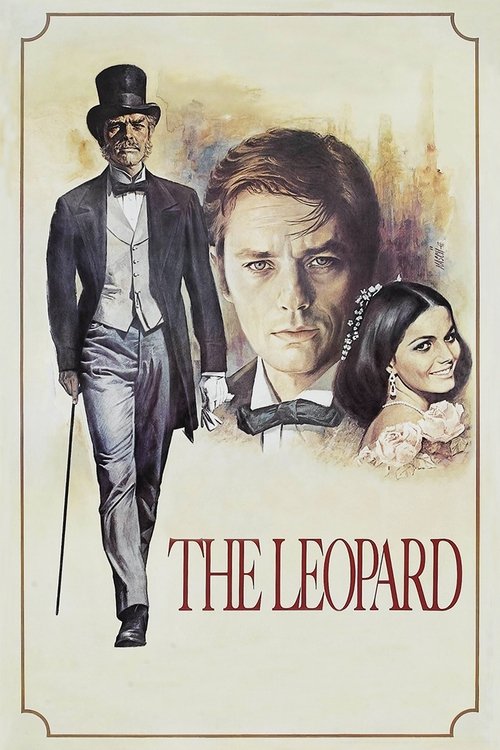
The Leopard1963
Luchino Visconti's epic about Italian aristocracy in upheaval—sumptuous, slow-burning, and fascinated by the performance of social roles. The ball sequence is unforgettable.
But It demands patience. At 205 minutes and in meditative long takes, it requires active surrender.
Breakfast at Tiffany's1961
Audrey Hepburn as Holly Golightly, a woman of mystery and appetite in Manhattan. It's romantic comedy that's also about performance, loneliness, and the masks we wear.
But The Mickey Rooney subplot is embarrassingly dated, and the film's romance can feel schmaltzy if you're in a cynical mood.

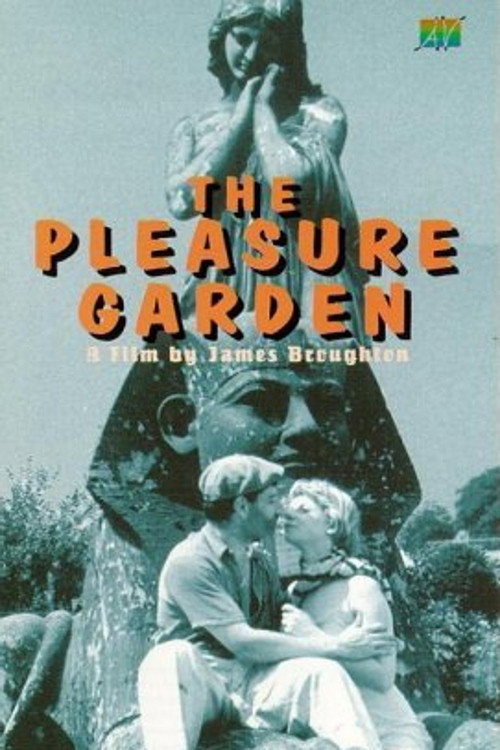
The Pleasure Garden1953
René Clément's French comedy-drama about a showgirl's life and loves. It's gossipy and slightly sordid, with an eye for how performance and seduction bleed into daily life.
But It's obscure for a reason—less polished than its contemporaries, and the print quality can be variable.
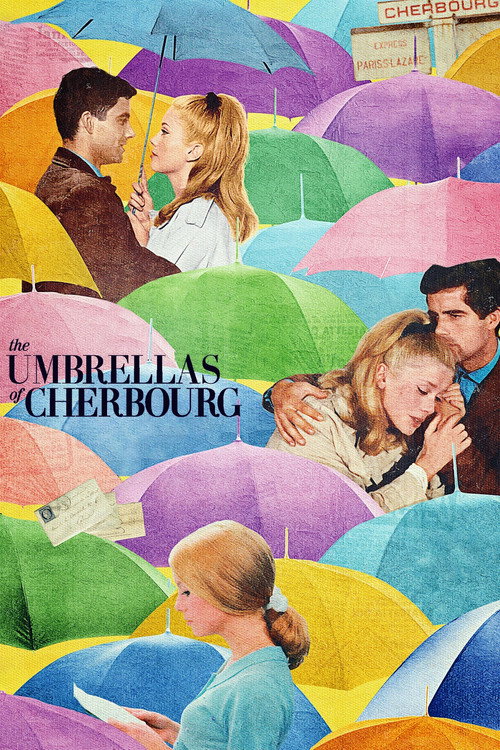
The Umbrellas of Cherbourg1964
Both are made of surfaces—color, performance, visual pleasure—but both understand that surfaces are where desire actually lives. Neither apologizes for beauty.
Jacques Demy's musical confection—garish colors, Michel Legrand's soaring score, young love blooming in a grey French port town. It's achingly beautiful and deliberately artificial, a world where emotion is allowed to be operatic.
But The artifice is total. If you need realism or want a romance that 'makes sense,' the stylization will feel cloying.
People
Cast
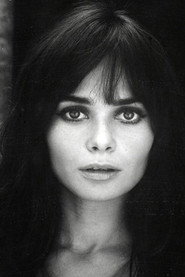 Marisa SolinasLuciana (segment "Renzo e Luciana")
 Anita EkbergAnita (segment "Le tentazioni del dottor Antonio")
 Romy SchneiderPupe (segment "Il lavoro")
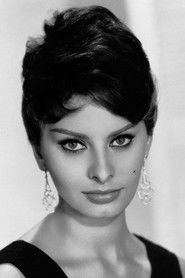 Sophia LorenZoe (segment "La riffa")
- Germano GilioliRenzo (segment "Renzo e Luciana")
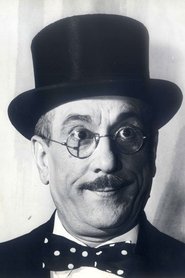 Peppino De FilippoDr. Antonio Mazzuolo (segment "Le tentazioni del dottor ...")
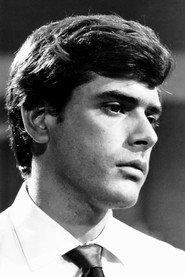 Tomas MilianConte Ottavio (segment "Il lavoro")
- Alfio VitaCuspet (segment "La riffa")
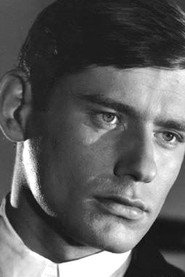 Luigi GiulianiGaetano (segment "La riffa")
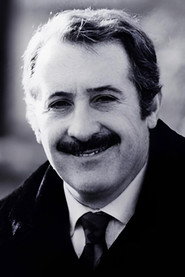 Romolo ValliLawyer Zacchi (segment "Il lavoro")
- Antonio AcquaCommendatore La Pappa (segment "Le tentazioni ...") (uncredited)
 Nando AngeliniMan Winning a Bottle (segment "La riffa") (uncredited)
Directing
- Mario MaffeiAssistant Director
- Federico FelliniDirector
- Luchino ViscontiDirector
- Vittorio De SicaDirector
Writing
- Brunello RondiCo-Writer
- Goffredo PariseCo-Writer
- Cesare ZavattiniIdea
- Cesare ZavattiniScreenplay
- Ennio FlaianoScreenplay
- Federico FelliniScreenplay
- Giovanni ArpinoScreenplay
- Italo CalvinoScreenplay
- Luchino ViscontiScreenplay
- Mario MonicelliScreenplay
- Suso Cecchi d'AmicoScreenplay
- Tullio PinelliScreenplay
- Guy de MaupassantShort Story
Production
- Carlo PontiProducer
- Tonino CerviProducer
- Alfredo MelidoniProduction Manager
- Lucio OrlandiniProduction Manager
- Sante ChimirriProduction Manager
- Ugo TucciProduction Manager