
Film
The Big Flame
A 1969 drama about Liverpool dockers who occupy their workplace rather than capitulate to management. Tense, unglamorous, deeply committed to the texture of working-class life and the messy reality of collective action. For anyone interested in how power actually feels on the ground, or how cinema can take radical ideas seriously without sermonising.
If you liked this
Kes1970
Ken Loach's masterpiece about a boy and his hawk, set in a Yorkshire mining town. It has the same unflinching eye for class, brutality disguised as routine, and the small rebellions that keep dignity intact.
But Loach's realism can feel punishing rather than moving. The ending particularly—don't go in expecting comfort.

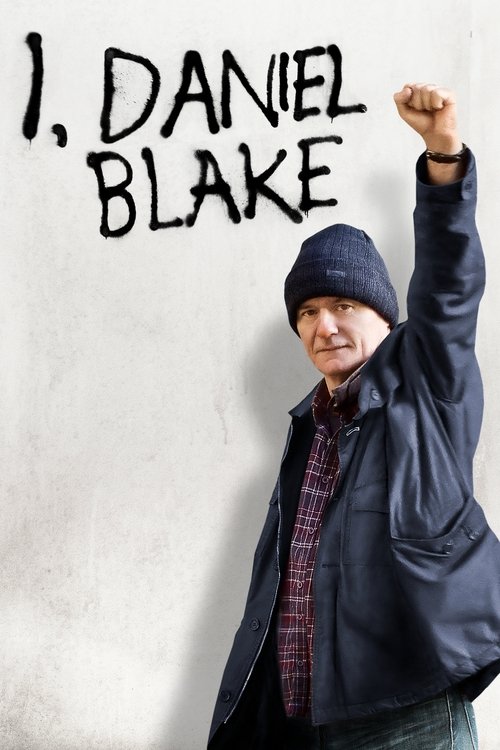
I, Daniel Blake2016
Loach again, but this time following a pensioner destroyed by bureaucracy. It's about systems that treat human beings as problems to be managed. The emotional punch lands harder because the argument is so quietly constructed.
But It's a polemic dressed as social realism. If you resist the premise, the film feels didactic rather than illuminating.
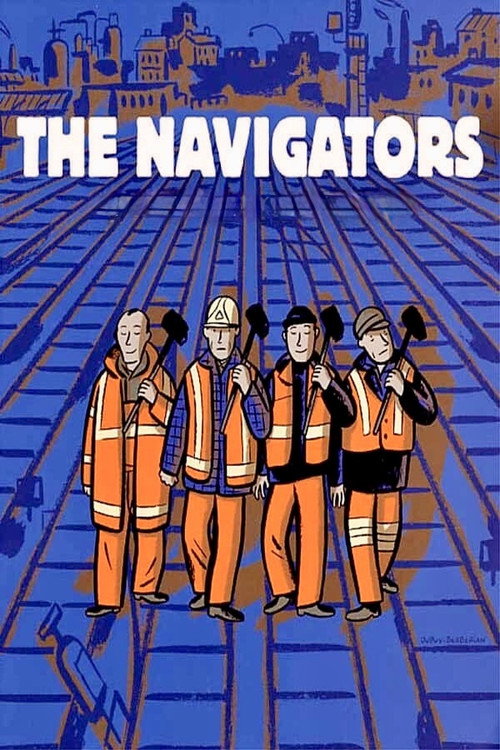
The Navigators2001
Loach's film about rail workers facing privatisation. It moves between workplace solidarity and personal tragedy with devastating grace. The community scenes capture exactly what's at stake when work is privatised.
But Bleak doesn't cover it. The tonal shifts between comedy and catastrophe can feel jarring if you're not aligned with what the film values.
Not sure tonight? Get a pick in a minute, starting from The Big Flame
The wildcard
Something you would not have found on your own.
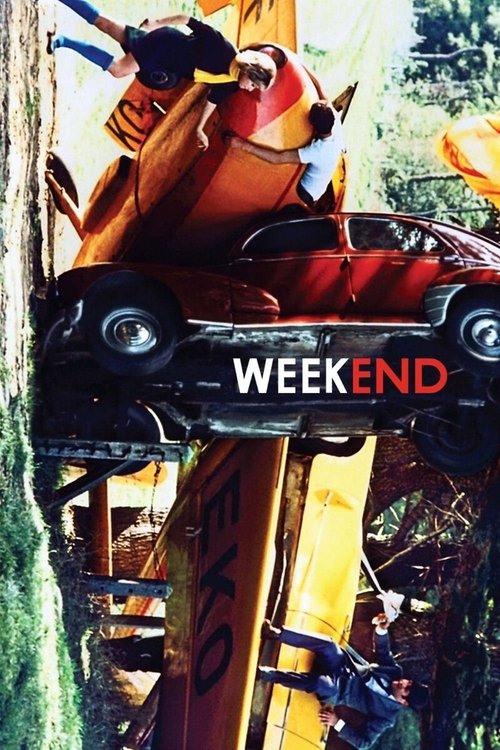
Weekend1967
Both films use genre constraints (social realism, absurdism) to think through collective action and the failure of individuals to imagine change. Both believe cinema can be a political act.
Godard's surrealist nightmare about a bourgeois couple's car journey through a collapsing France. It's formally extraordinary—shifting from social satire to grotesque horror—and furious about complicity and consumption in ways that feel urgent now.
But It's deliberately difficult and hostile to the viewer. If you want cinema to be comfortable or cohesive, this will feel like punishment disguised as provocation.
More like this (6)
Riff-Raff1991
A comedy about construction workers on a London building site, written by novelist Alasdair Gray. It's about precarity, friendship, and survival with humour that never punches down. Warm without being sentimental.
But The plot is episodic and slight by design. If you need a traditional narrative arc, this will feel like watching people hang around.
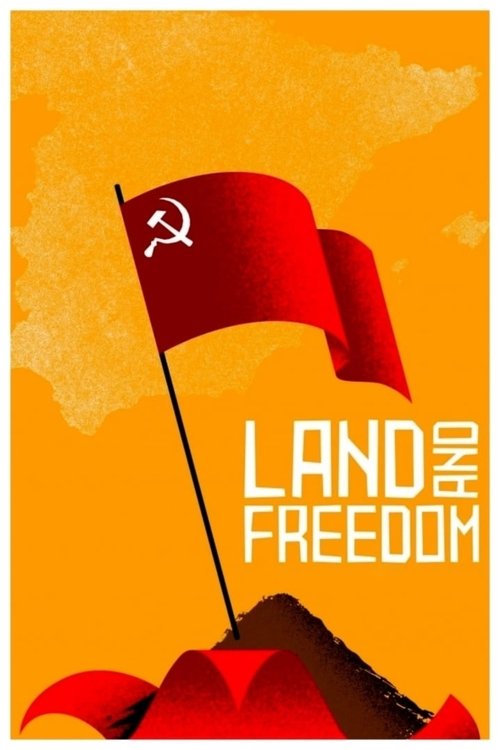
Land and Freedom1995
Loach's film about a British communist fighting in the Spanish Civil War. Gorgeously shot, urgent about collective struggle, and genuinely moving about the weight of political commitment.
But Historical drama can feel dusty. This one feels immediate, which some viewers find didactic rather than immersive.
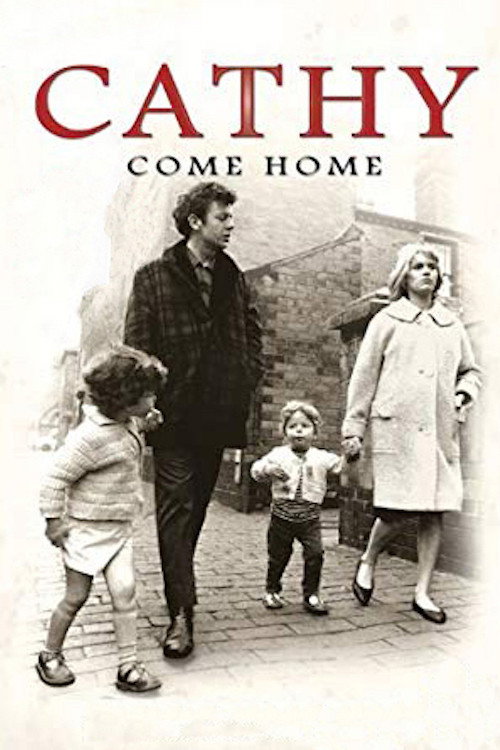
Cathy Come Home1966
A single TV play that changed British social policy by showing homelessness not as moral failure but systemic collapse. Raw, shocking for its time, still shocking now because nothing much changed.
But It's deliberately confrontational and ends without resolution. Some will read this as powerful; others as manipulative.
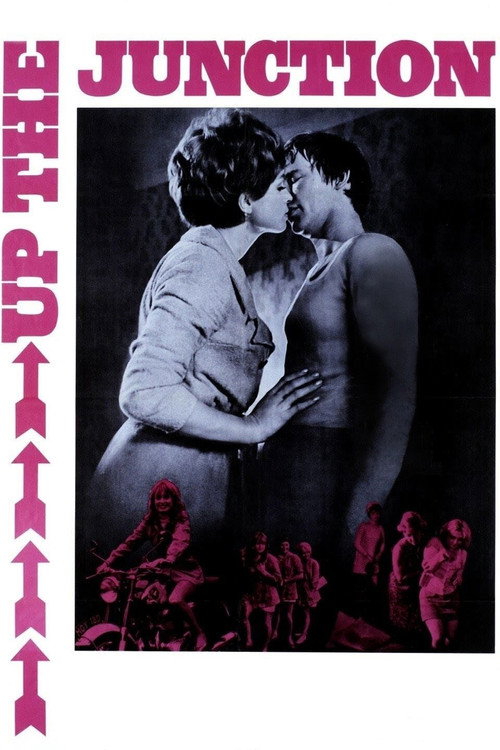
Up the Junction1968
A TV play about working-class women in London, shot almost like a documentary. Intimate, funny, heartbreaking about friendship and contingency. The abortion subplot was genuinely radical for 1968.
But The vérité style can feel claustrophobic. The specificity to a particular moment and place might not resonate if you're looking for universal themes.
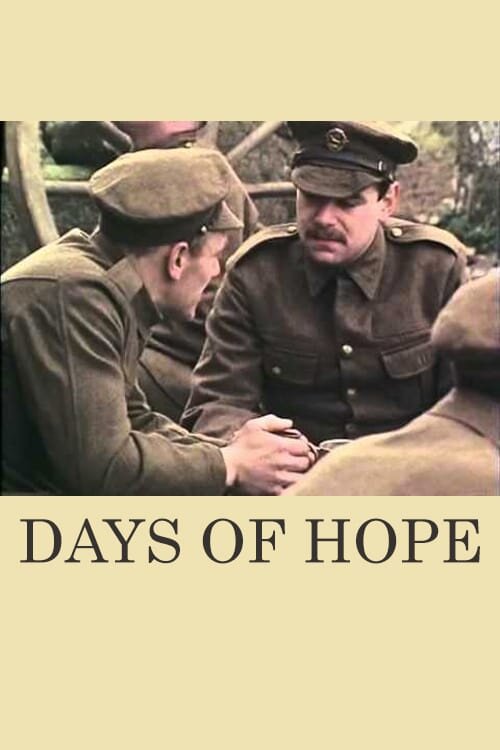
Days of Hope1975
A four-part series spanning 1916 to 1921, following a working-class family through war and revolution. Sweeping, intricate about how politics enters ordinary life. The final episode remains controversial for its refusal of easy answers.
But It's long, dense, and unflinching about the limits of political action. Some will find it profound; others will find it defeatist.
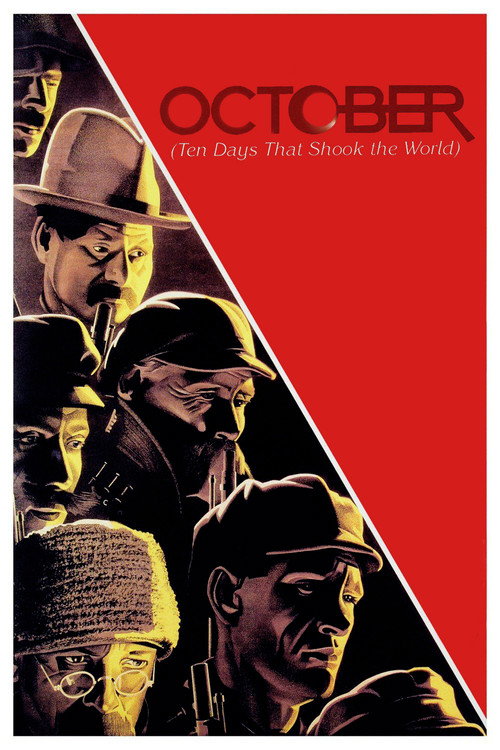
October (Ten Days that Shook the World)1928
Both ask what cinema can show about collective action and why that matters. One is realist testimony; the other is revolutionary avant-garde. Together they frame cinema's argument with power.
Eisenstein's avant-garde Soviet masterpiece about the 1917 revolution. It's not naturalistic like The Big Flame, but it's the artistic apotheosis of revolutionary cinema—montage as philosophy, formal innovation as political statement.
But It's silent, experimental, formally demanding. The gap between Soviet utopia and Soviet reality is also very wide now. Some see prophecy; others see propaganda.
People
Cast
 Norman RossingtonDanny Fowler
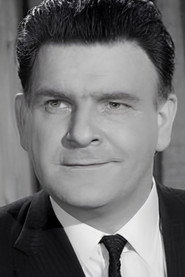 Godfrey QuigleyJack Regan
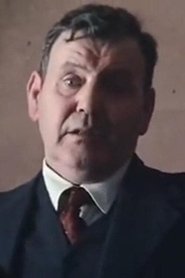 Peter KerriganPeter Conner
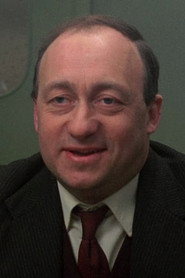 Ken JonesFreddie Grierson
- Daniel StephensJoe Ryan
 Neville SmithStrike Committee
- Tommy SummersAlec Murphy
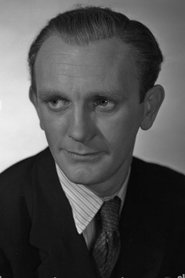 Meredith EdwardsLogan
- Michael ForrestGarfield
- John RileyBruno
- Harold KinsellaAndy Fowler
- Joan FloodLiz Fowler