
Film
The Navigators
A Yorkshire railway maintenance crew faces the upheaval of British Rail's privatisation. Ken Loach's film watches how ordinary men navigate redundancy, betrayal, and the dismantling of a way of life, finding humour in solidarity but also the real damage that follows when profit replaces loyalty.
Should you watch it?
Watch it if you like slow-burning, ensemble portraits of ordinary working men where the humour comes from their banter and the pressure comes from politics they can't control.
Skip it if you need plot-driven momentum or a clear hero, since this is a quiet, observational piece where the workers' lives unfold through conversation and routine rather than dramatic set pieces.
What it asks of you: Settle in for about ninety-six minutes of patient, unshowy scenes that build a mood of unease and camaraderie, and give it your full attention in the quieter stretches.
Not sure? Find tonight's pick in a minute.
If you liked this
Kes1970
Loach's earlier masterpiece about a boy in industrial Yorkshire. Same region, same eye for how systems crush individual dreams, but through a younger lens that makes the tragedy cut differently.
But It's gentler in some ways but bleaker in others—if you need catharsis or uplift, this offers neither, just clarity.

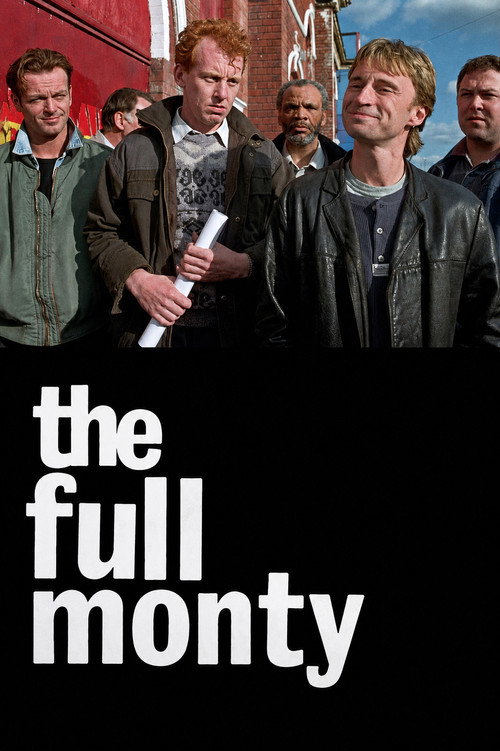
The Full Monty1997
Sheffield steelworkers facing redundancy find community and humour in desperate circumstances. Shares the setting, the class experience, and the dark comedy of working men adapting to a world that has no use for them anymore.
But It's considerably lighter and aims for a feel-good ending, which might feel sentimental if you're seeking something grimmer.
I, Daniel Blake2016
Loach again, this time on benefit culture and the cruelty of bureaucratic systems. Same unflinching anger at institutions that treat people as problems to be managed rather than human beings.
But It's more recent and deals with different machinery, so the specific texture of industrial Britain is lost—some find it preachy.

Not sure tonight? Get a pick in a minute, starting from The Navigators
The wildcard
Something you would not have found on your own.
My Name Is Khan2010
Both examine how individuals are made vulnerable by systems that don't see them as people—just categories, problems, inefficiencies.
A completely different film on the surface—Bollywood, contemporary India, a Muslim man crossing America. But it's fundamentally about institutional suspicion, about the systems that decide who belongs and who gets erased. The emotional architecture is similar: goodness meeting bureaucratic indifference.
But It's nearly three hours, wildly melodramatic, and the tonal shifts will feel jarring if you're coming from Loach's restraint. The Bollywood idiom is specific and might feel alienating.

More like this (7)
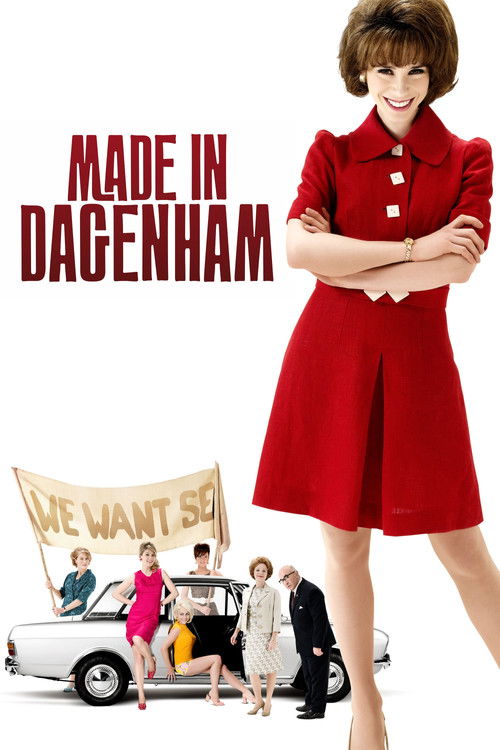
Made in Dagenham2010
Ford factory workers strike for equal pay. Another ensemble of ordinary people fighting the system with wit and solidarity. The camaraderie and the stakes feel familiar.
But It's more conventional as a narrative and Hollywood-inflected—less interested in ambiguity than Loach usually is.
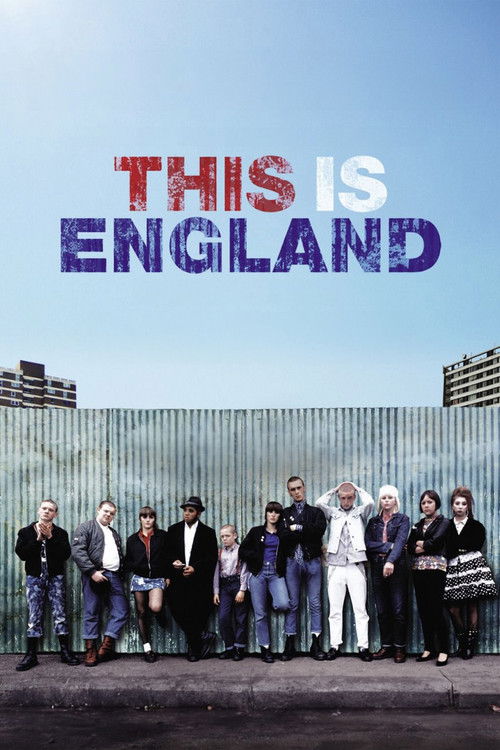
This Is England2007
Shane Meadows' tale of working-class English youth in the 80s, when Loach's Yorkshire world was actively collapsing. Beautiful, brutal, full of the culture that came out of that economic devastation.
But It's violent and morally murky in ways that demand a lot from viewers. The politics are messy rather than clear.
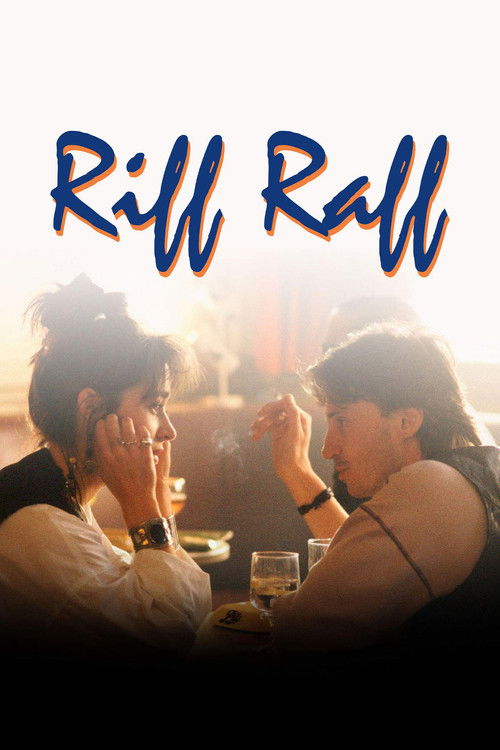
Riff-Raff1991
Loach on construction workers in London—precarious labour, sketchy employment, men making do on impossible terms. Similar DNA but in a different city and industry, just as angry and funny.
But It's structurally looser and relies heavily on improvisation, which some find unfocused compared to more traditional drama.
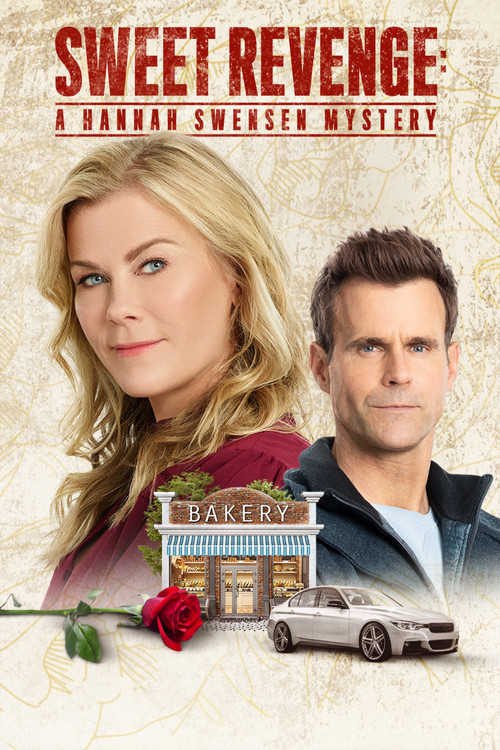
Sweet Revenge: A Hannah Swensen Mystery2021
French factory workers occupy their plant after it's set to close. The internationalism matters—same fight, different country, which shows how universal this experience has become since The Navigators.
But It's in French with English subtitles, and takes a more absurdist approach to solidarity that might feel tonal whiplash if you're expecting Loach's realism.
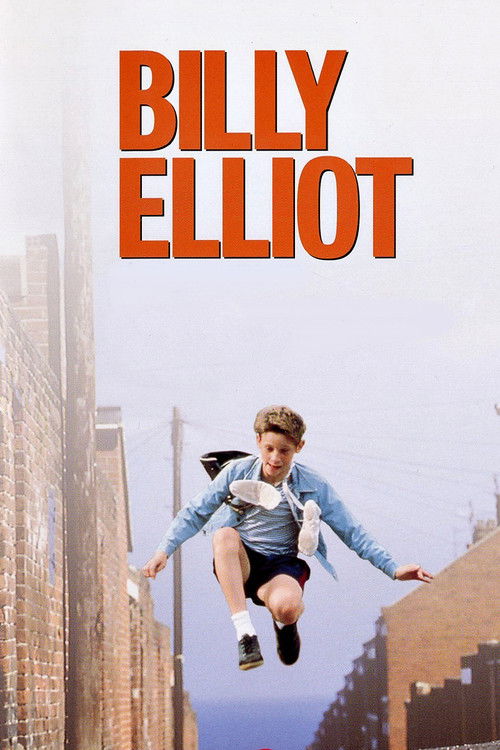
Billy Elliot2000
A boy in a mining town during the 1984 strike. It's about escape rather than staying, but it understands the world The Navigators depicts—the landscape, the class feeling, the cost of things changing.
But It's a coming-of-age film with optimism built in, which is essentially the inverse emotional register. Also very well-known, so no surprises.
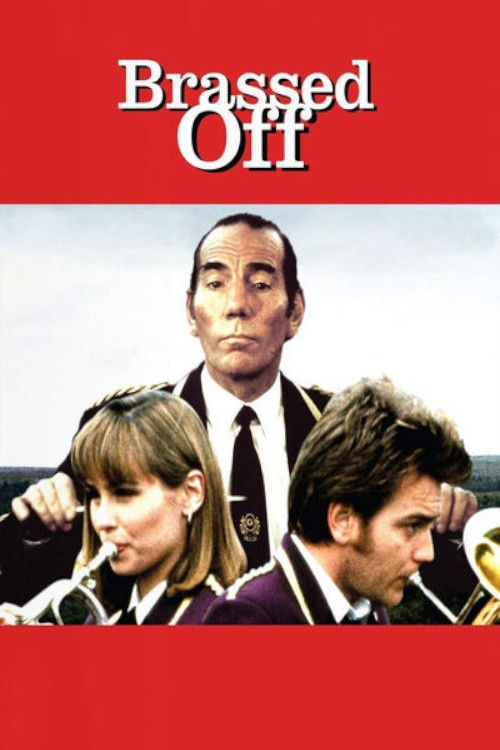
Brassed Off1996
A colliery brass band in Yorkshire as the pits close. More sentimental than Loach would allow, but it captures the same moment of working-class institutions dying and the music that keeps people human through it.
But It's genuinely schmaltzy in places and resolves conflicts that The Navigators knows are permanent. Some find it manipulative about emotion.
A Prophet2009
Both are interested in how working-class men build solidarity and manhood under pressure, and in how institutions (labour or carceral) reshape identity and loyalty.
A French-language prison drama about a young man learning to survive hierarchies and violence. Structurally different from The Navigators, but it's about the same thing—how ordinary men adapt to systems designed to break them, finding small alliances and dignity in impossible places.
But It's set in prison and is often brutally violent. The claustrophobia and the casual cruelty are relentless. Also 155 minutes and requires serious attention.

People
Cast
 Dean AndrewsJohn
 Thomas CraigMick
 Joe DuttinePaul
 Steve HuisonJim
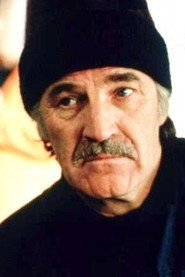 Venn TraceyGerry
- Andy SwallowLen
- Sean GlennHarpic
- Juliet BatesFiona
- John AstonBill Waters
- Angela SavilleTracy
- Clare McSwainLisa
Directing
- Ken LoachDirector
Writing
- Rob DawberWriter
Production
- Michael AndréCo-Producer
- Ulrich FelsbergCo-Producer
- Rebecca O'BrienProducer
Recommended by
The Titfield Thunderbolt, The Big Flame, My Name Is Joe, Raining Stones