
Film
My Name Is Joe
Ken Loach's portrait of recovery and dignity in post-industrial Glasgow. Joe, a former addict trying to stay clean, finds love with Sarah in a neighbourhood where poverty and addiction are the default. It's tender and unglamorous, funny without being soft, refusing both pity and false hope. For anyone moved by character over plot.
Should you watch it?
Watch it if you respond to unshowy social realism, where a love story unfolds in the grind of unemployment and recovery and the performances carry the weight rather than the plot.
Skip it if you want escapism or a brisk pace; it moves slowly, lingers on everyday talk and bleak streets, and its tenderness arrives gradually rather than with big scenes.
What it asks of you: Unhurried attention to long scenes of conversation and waiting, from a film that trusts small moments, rarely raises its voice, and runs a lean 105 minutes.
Not sure? Find tonight's pick in a minute.
If you liked this
Kes1970
Loach's breakthrough: a boy finds solace in a kestrel in a mining town collapsing into indifference. Same commitment to the overlooked, same documentary eye, same quiet heartbreak. Foundational.
But The pacing is glacial by modern standards, and the class anger can feel didactic if you're not in the mood.

I, Daniel Blake2016
Another Loach portrait of struggle—this time a widower battling bureaucracy. The same moral clarity, same refusal to sentimentalise poverty, same faith in ordinary people's capacity for dignity and humour.
But It's angrier and more overtly political than Joe. Some find that clarity didactic; others find it bracing.

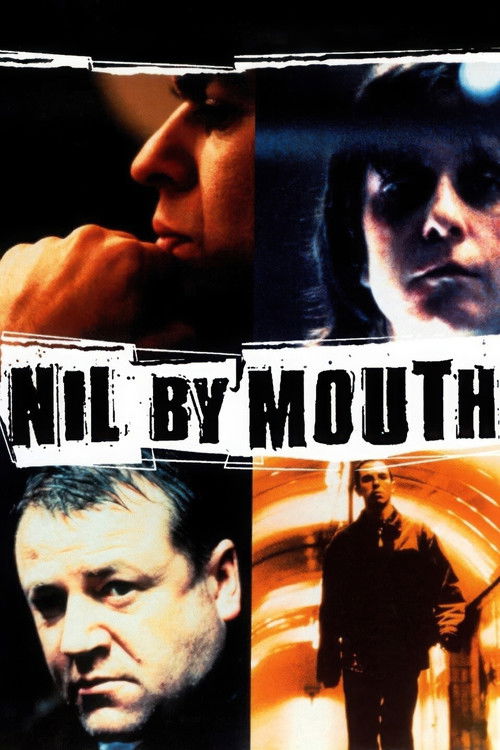
Nil by Mouth1997
Gary Oldman's directorial debut set in London working-class deprivation. Raw, improvised, and unflinching about addiction and domestic cruelty. Same unflinching realism, same refusal to look away.
But It's bleaker and more brutal than Joe. The language is punishing and the violence is real. Not cathartic—genuinely difficult.
Not sure tonight? Get a pick in a minute, starting from My Name Is Joe
The wildcard
Something you would not have found on your own.
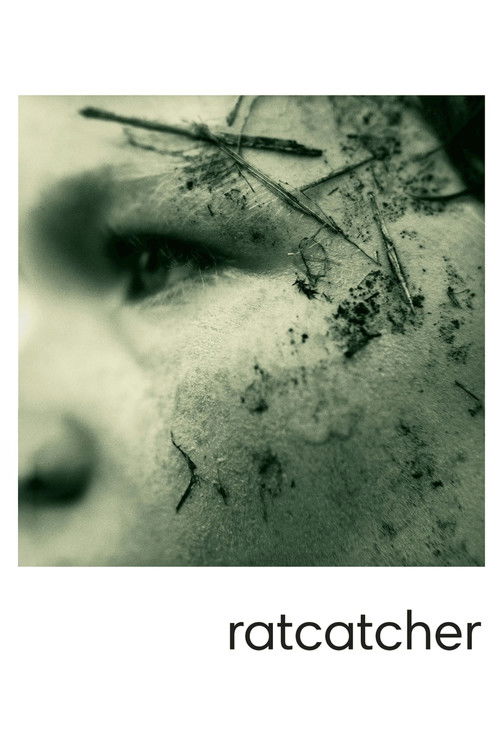
Ratcatcher1999
Both are Glasgow stories about ordinary people finding beauty or connection in destitution, but Ramsay uses surrealism where Loach uses realism. Seeing them together shows how the same city can be approached through completely different aesthetic languages.
Lynne Ramsay's debut set in 1970s Glasgow during a garbage strike. Like Joe, it's about childhood and survival in post-industrial decay, but filtered through dreamlike memory and visual poetry. Heartbreaking and strange.
But It's formally experimental and emotionally obscure. You don't leave with clarity—you leave with texture and unease.
More like this (6)
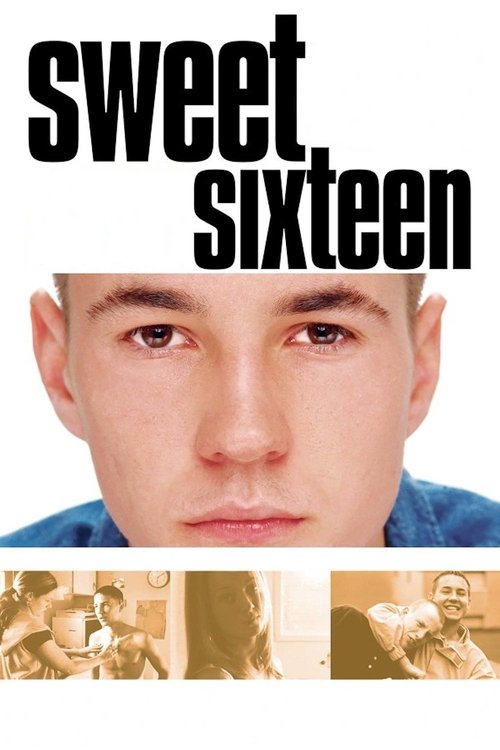
Sweet Sixteen2002
Loach again, following a 16-year-old trying to build a future for himself and his mother in a Greenock housing estate. Intimate, observant, and brutal about how quickly circumstances can spiral.
But The protagonist is genuinely unlikeable and hard to root for. Long stretches feel uncomfortably close to documentary.
Looking for Eric2009
Loach's most forgiving film—a postman in Manchester stuck in repetition finds unexpected connection. Still rooted in ordinary lives, but gentler, with actual lightness. Proof he can do warmth without false notes.
But It's his most sentimental work. The magical realism element might feel too whimsical after the stark realism of Joe.

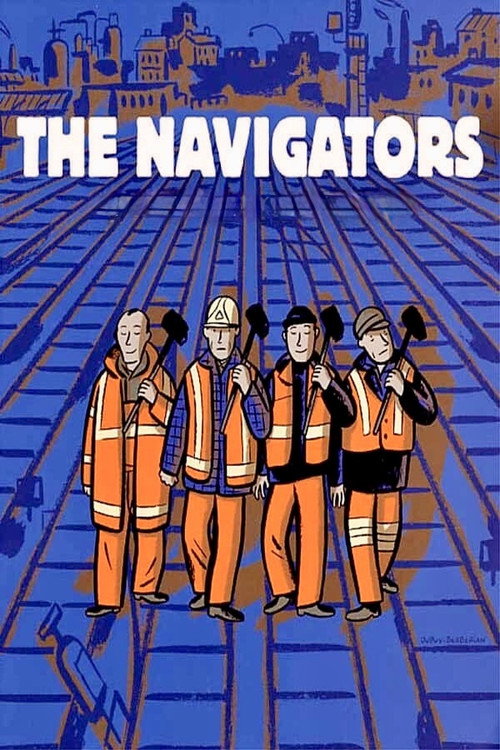
The Navigators2001
Loach on the railroads of Sheffield: workers facing redundancy, privatisation, and the loss of community. Funny, angry, and collective rather than intimate—a different gear but the same moral engine.
But The ensemble focus means less character depth. It's more overtly about systems than people, which some find schematic.
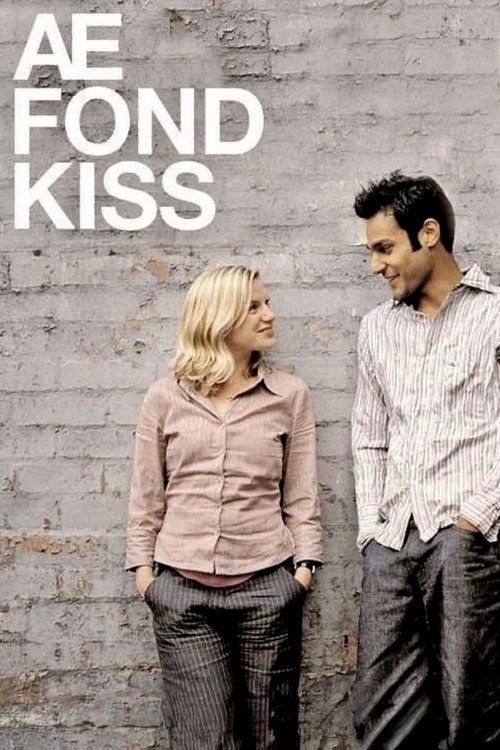
Ae Fond Kiss...2004
Loach on love and culture clash in Glasgow—a Scottish Muslim DJ and a Catholic teacher. Tender, specific, and genuinely about how two people navigate belonging. Often overlooked.
But The romance is central in ways it isn't in Joe. Some find that shift toward the personal less politically urgent.
Christiane F.1981
Where Joe is about struggling toward sobriety with love as ballast, Christiane F. is addiction's inverse—descent rather than recovery. Together they map the full geography: the disease and the escape route, neither softened.
A 13-year-old becomes addicted to heroin in 1970s Berlin. Not a redemption story—it's a documentary-style chronicle of descent that refuses judgment or salvation. Devastating and clear-eyed about addiction's logic.
But It's harrowing and has no comforting arc. The girl doesn't recover. Many find it too painful to recommend.

A Prophet2009
Both follow men rebuilding identity from nothing, but where Joe finds dignity through recovery and relationship, A Prophet shows dignity through power and will. They're mirror images—the same question of what remains when everything is stripped away, answered two different ways.
Jacques Audiard's prison film following a young man's transformation through ruthlessness and cunning over ten years. Like Joe, it tracks how character is forged by circumstance, but in a colder key—no love, no redemption, just becoming.
But It's morally austere and the protagonist is unlikeable. There's no emotional reward, only the clarity of seeing someone change.

People
Cast
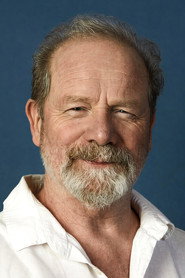 Peter MullanJoe
 Louise GoodallSarah
 David McKayLiam
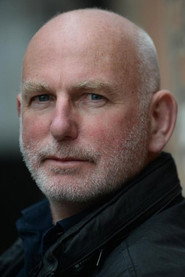 Gary LewisShanks
 David HaymanMcGowan
 Lorraine McIntoshMaggie
- Anne-Marie KennedySabine
 Stephen McColeMojo
- David PeacockHooligan
- Scott HannahScott
- Gordon McMurrayScrag
Directing
- David GilchristAssistant Director
- Michael QueenAssistant Director
- Ken LoachDirector
- Susanna LentonScript Supervisor
- Mark MurdochThird Assistant Director
Writing
- Paul LavertyScreenplay
Production
- Gillian BerrieCasting
- Steven MochrieCasting
- Ulrich FelsbergExecutive Producer
- Brian KaczynskiLocation Manager
- Rebecca O'BrienProducer
- Tony CoroonProduction Accountant
- Georgina IsherwoodProduction Coordinator
- Peter GallagherProduction Manager
Recommended by
Nil by Mouth, Sweet Sixteen, The Angels' Share, The Krays, Raining Stones, Riff-Raff