
Film
Riff-Raff
Ken Loach's sharp-eyed comedy-drama about Stevie, a Scottish ex-con trying to build a life on a London construction site where everyone's running from something. It's funny and furious by turns, with a documentary's eye for detail and a radical's sympathy for people the system ignores. For anyone who loves authenticity over comfort.
Should you watch it?
Watch it if you enjoy Ken Loach-style working-class comedy where the humour grows out of cramped rooms, scrounged favours and men making do, and you don't mind the laughs arriving with a sour edge.
Skip it if you want a tidy comic plot with clear stakes and steady momentum; this one wanders through its scenes, and its sense of humour is looser and more shambling than polished.
What it asks of you: About ninety-five minutes of patient, observational attention. It moves at a loose, ambling pace and stays grounded and fairly bleak, so you'll need to settle into its rhythm rather than wait for it to accelerate.
Not sure? Find tonight's pick in a minute.
If you liked this
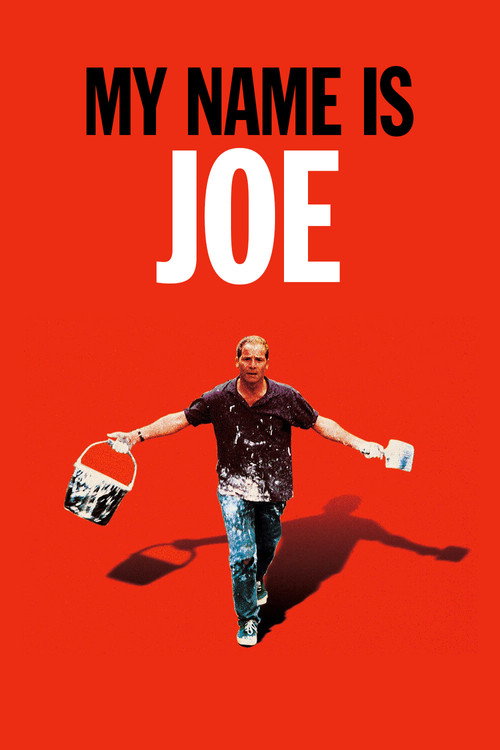
My Name Is Joe1998
Loach returns to Scottish working life with raw power, following an ex-addict trying to stay clean while the world conspires against him. A masterclass in dignity under pressure, with Carlyle in career-best form.
But It's bleak in ways that don't resolve neatly, and the slowness serves the story but can feel punishing if you want narrative momentum.
Kes1970
The Loach film that invented this approach: a boy in a bleak Yorkshire town finds escape through training a hawk. Achingly beautiful and socially conscious without sermonizing, shot like documentary truth.
But The ending is devastating and lingers in ways some find harder to process than plot twists; kids' film it absolutely is not.

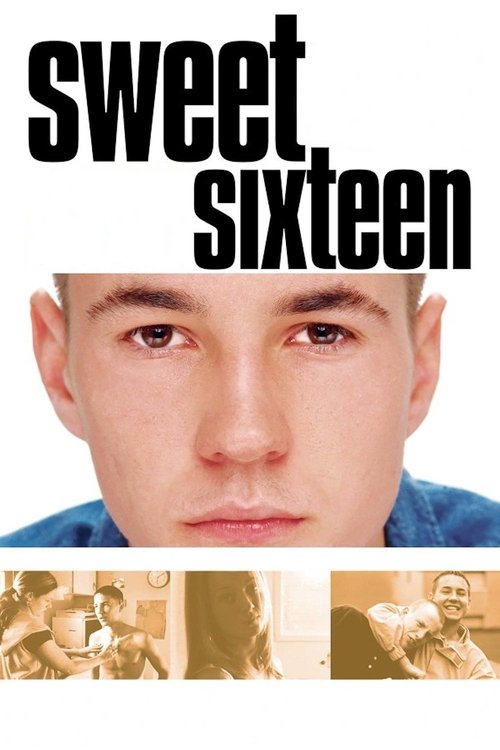
Sweet Sixteen2002
Loach and Carlyle together again, watching a sixteen-year-old try to survive on Glasgow's margins with the same unflinching clarity as Riff-Raff. Immersive, furious, and deeply alive to how young people actually talk and move.
But The dialogue is thick Scots dialect with little concession; it demands active listening, which some find exhausting rather than rewarding.
Not sure tonight? Get a pick in a minute, starting from Riff-Raff
The wildcard
Something you would not have found on your own.
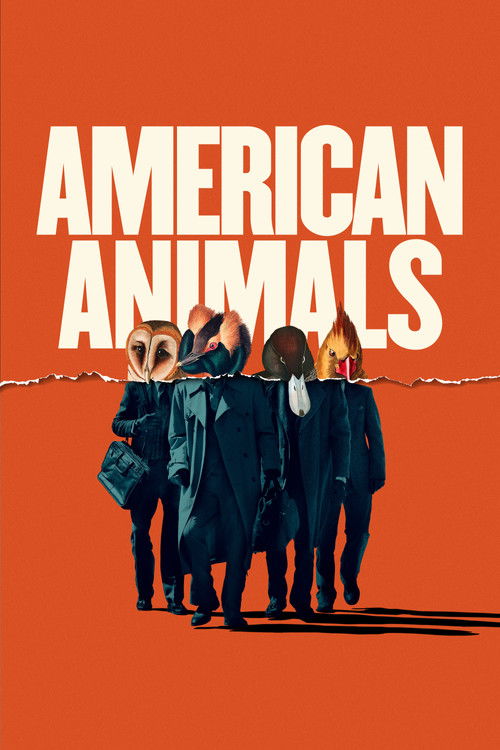
American Animals2018
Both treat crime and transgression as rational responses to closed circumstances, never as moral failing. Both are interested in how people talk about themselves, not in judging them.
Bart Layton's film about four young men who rob a rare books library, told as reconstruction and testimony. Not a heist thriller but an inquiry into why ordinary people commit crimes, using documentary form as narrative. Shares Riff-Raff's fascination with working-class men inventing lives outside the system.
But The self-conscious mixing of docudrama and dramatization will frustrate anyone wanting straight narrative; some find the technique more interesting than the story it tells.
More like this (8)
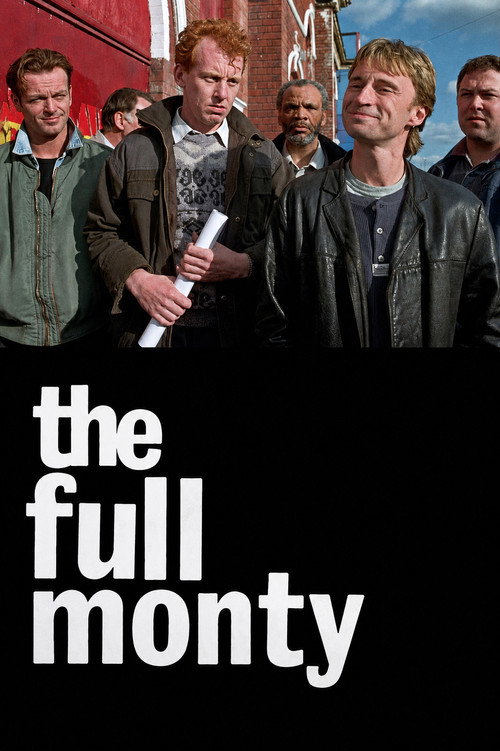
The Full Monty1997
British working-class men in economic freefall, playing it for laughs without mocking them. Warm-hearted without being soft, it captures a real moment in post-industrial Britain with genuine affection for its characters.
But It's gentler than Riff-Raff by design; if you want Loach's severity, this feels like the compromise version.
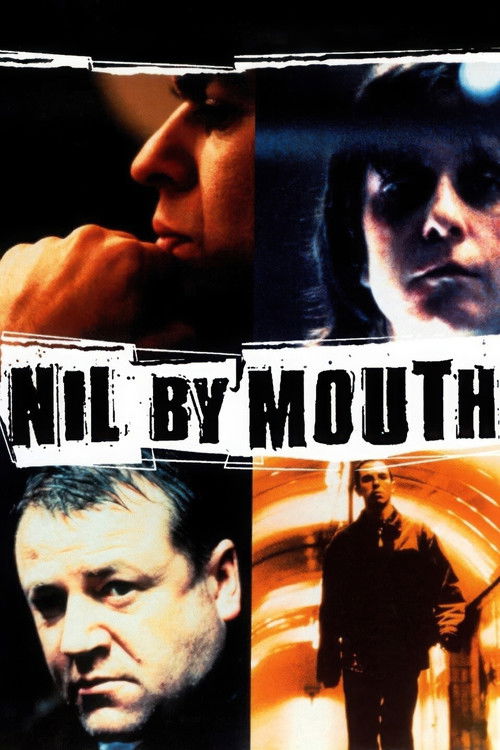
Nil by Mouth1997
Gary Oldman's raw debut as director, set in South London working-class life. Handheld and visceral, it shares Riff-Raff's commitment to showing lives most cinema ignores, with brutal honesty about family and addiction.
But The violence and language are deliberately unsentimental; it's punishing to watch and doesn't offer catharsis or solutions.
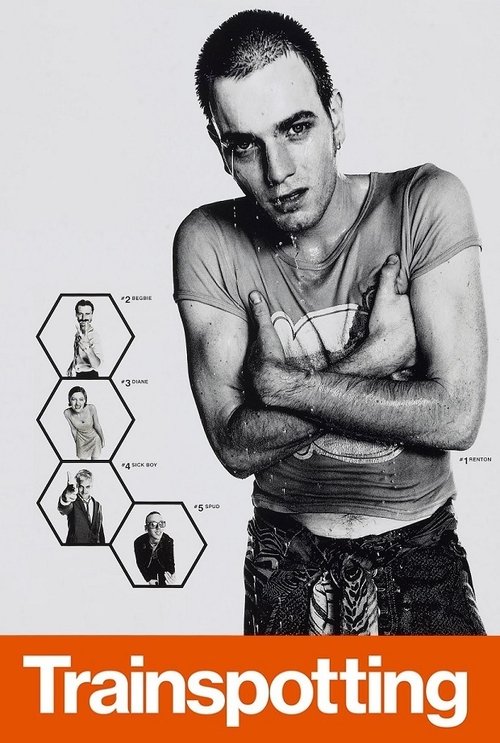
Trainspotting1996
Scottish lives on the margins, addiction and survival, but filtered through style and dark comedy. Visual and propulsive where Loach stays still; same unflinching look at systems that fail people, just more kinetic.
But The heroin use and depravity are dramatized for effect in ways Riff-Raff deliberately avoids; it can read as exploitation where Loach is solidarity.
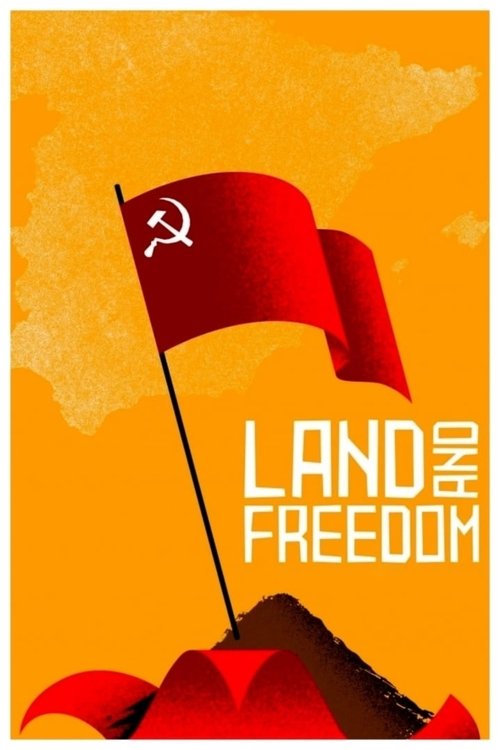
Land and Freedom1995
Loach's Spanish Civil War film told through memory and documents. Political without being dry, it shows ordinary people trying to build something better and losing it to history. Essential for understanding Loach's consistent vision.
But It's a historical film that requires patience with politics and ideology; not everyone wants cinema as political education.
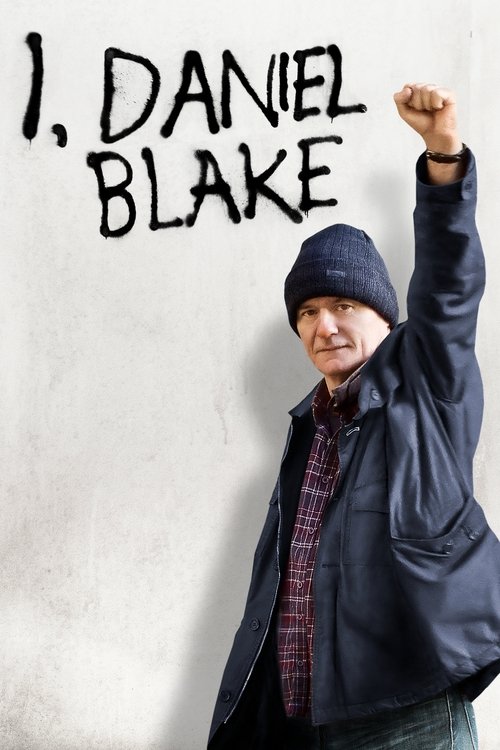
I, Daniel Blake2016
Loach's late-career masterpiece about the welfare system and dignity. Two hours of quiet rage, following a man trying to navigate bureaucracy that treats him as a problem to be managed rather than a person to be helped.
But It's didactic and angry in ways that feel orchestrated; some feel preached at rather than moved by it.
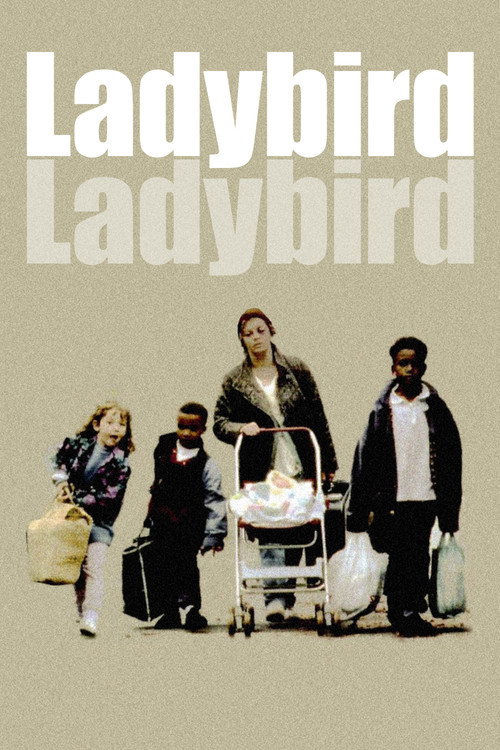
Ladybird Ladybird1994
Loach collaborating with playwright Rona Munro on a woman fighting the social services system. Intimate, devastating, and furious. Shows the same care for invisible lives that Riff-Raff does, but with even sharper focus.
But It centers on child welfare removal and trauma; beautiful but genuinely difficult viewing that some find overwhelming.
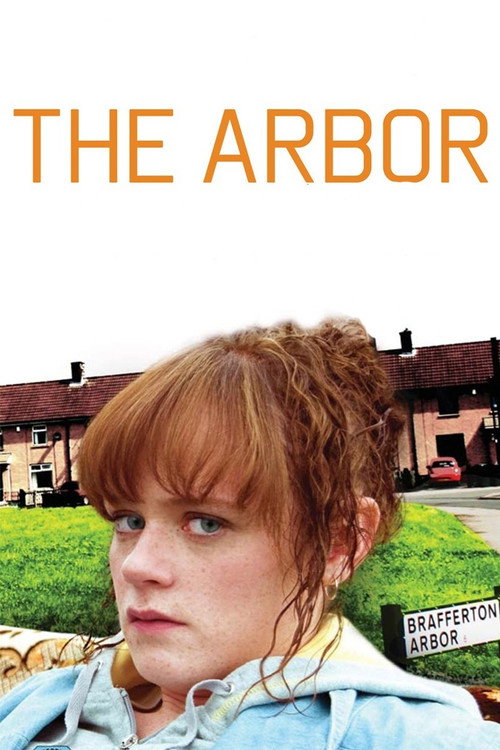
The Arbor2010
Both believe that working-class lives deserve the closest possible attention and the most demanding formal techniques cinema can offer. Both refuse sentimentality without refusing empathy.
Clio Barnard's radical documentary-fiction hybrid about Lorraine Ashton (a play performed on the actual street where she lived). Combines archival footage, interviews, and performance to rebuild a working-class woman's life from fragments. Formally restless and deeply human in exactly Loach's register.
But The form is slippery and genre-bending in ways that can feel wilfully obscure; traditional documentary or narrative viewers may find it frustratingly opaque.
La Haine1995
Both are portraits of young men in marginalized places, both use comedy and authentic dialogue to avoid pity, both end with a shock that reframes everything. Different aesthetics, identical moral core.
Mathieu Kassovitz's twenty-four-hour portrait of three young men in a Paris banlieue, shot in black and white with crackling energy and dark humour. It's formally dazzling where Riff-Raff is deliberately plain, but shares the same clear-eyed rage at systems that abandon people.
But The style is mannered and 90s-specific in ways that can overshadow the politics; some find it more interested in looking cool than in the people it depicts.

People
Cast
 Robert CarlyleStevie
 Emer McCourtSusan
- Jimmy ColemanShem
 Ricky TomlinsonLarry
- David FinchKevin
 Peter MullanJake
- Richard BelgraveKojo
- Ade SaparaFiaman
- Derek YoungDesmonde
 Bill MooresSmurph
 Willie RossGus Siddon
Directing
- Valerie CroftContinuity
- Ken LoachDirector
Writing
- Bill JesseScreenplay
Production
- Sally HibbinProducer