
Film
The Working Class Goes to Heaven
A 1971 Italian masterwork about an assembly-line worker whose industrial accident becomes a doorway into radical politics. Volonté is magnetic as a man caught between surviving capitalism and imagining its overthrow. It's simultaneously intimate and sweeping—a character study that unfolds as a political awakening. Essential cinema about labor, ideology, and the cost of conviction.
If you liked this
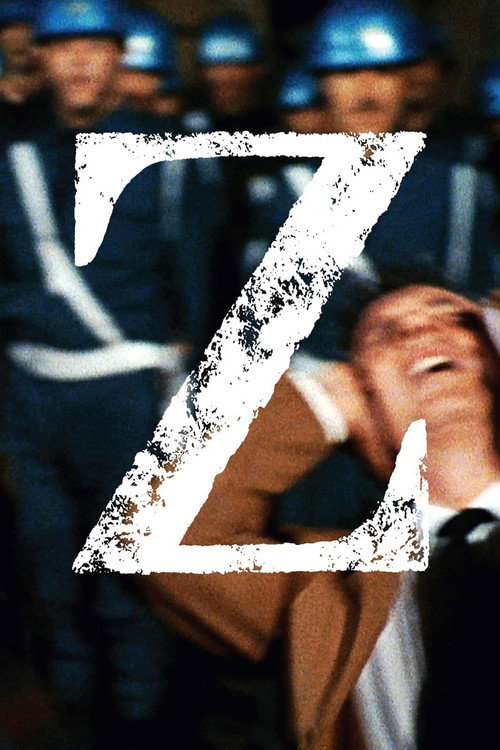
Z1969
Costa-Gavras's propulsive thriller about political conspiracy and state murder. Sharp, angry, and structurally brilliant—it makes the mechanics of repression visceral and unbearable to watch.
But The didactic impulse occasionally overwhelms the drama. It can feel more like a system being explained than lived through.
Stalker1979
Tarkovsky's hypnotic journey into a forbidden zone where desire and ideology collide. Philosophically dense but meditative rather than intellectual—you feel the character's spiritual crisis, not just understand it.
But Nearly three hours of slow, cryptic imagery. If you need plot momentum, this will test your patience severely.

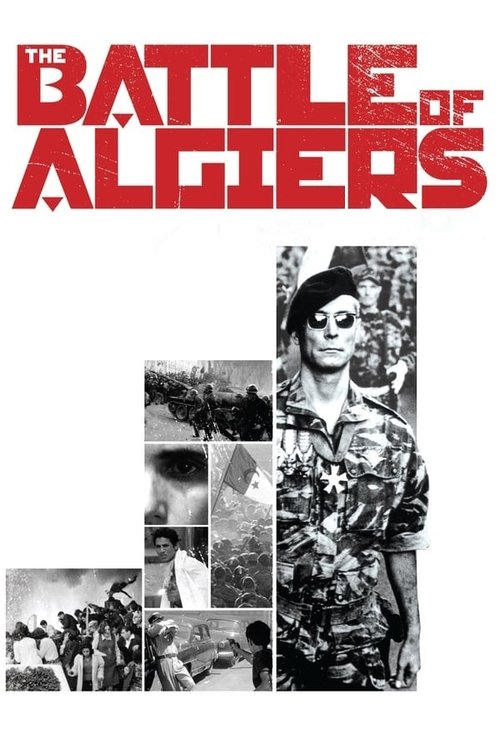
The Battle of Algiers1966
Pontecorvo's documentary-like chronicle of colonial violence and resistance. Shot with documentary immediacy but structured like a thriller. Unforgettable and morally complex.
But The political argument doesn't shy away from the costs of revolution. Some viewers find it agitprop; others find it honest.
Not sure tonight? Get a pick in a minute, starting from The Working Class Goes to Heaven
The wildcard
Something you would not have found on your own.
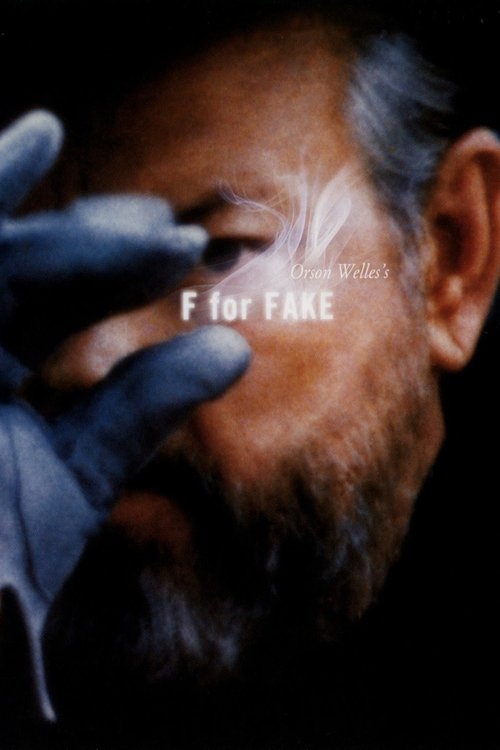
F for Fake1973
Both films are obsessed with how systems (capital, art, authenticity) seduce or exploit people. Both ask who benefits from the story we're told.
Welles's dazzling essay-film about fraud, art, and the stories we tell ourselves. It operates like a magician's misdirection—constantly asking what's real and who profits from illusion. A film about deception that IS deceptive, in the best way.
But It's fractured and playful where Volonté's film is grave. If you want linear narrative, this will infuriate you. Some dismiss it as fancy filmmaking over substance.
More like this (8)
Kes1970
Ken Loach's tender, furious portrait of a working-class boy and a hawk. It's about class and aspiration without a trace of sentimentality. The specificity of place and circumstance is extraordinary.
But The ending is devastating. Not cathartic—genuinely bleak. Many find it too painful to revisit.

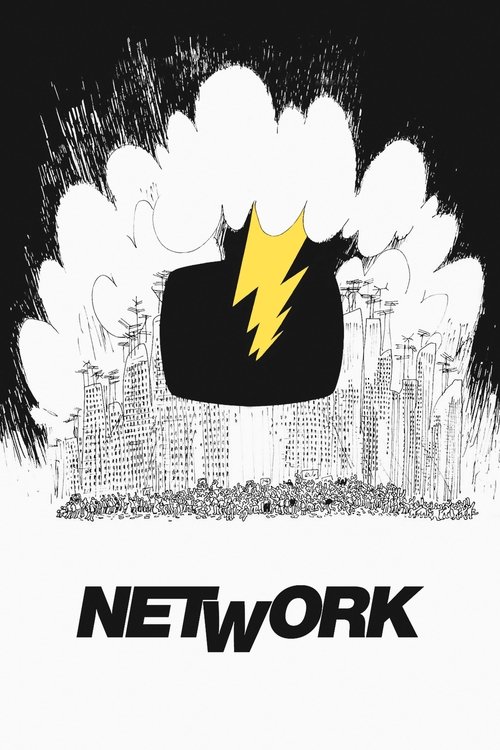
Network1976
Paddy Chayefsky's savage satire about television, capitalism, and the spectacle swallowing everything. Funny, prophetic, and structurally audacious. Beate Klint and Peter Finch are unforgettable.
But The tone whipsaws between comedy and tragedy. That instability is the point, but some find it tonally exhausting.
La Haine1995
Mathieu Kassovitz's visceral portrait of three men navigating French urban rage and systemic racism. Formally inventive, morally urgent, and genuinely dangerous-feeling. Feels like a pressure cooker about to explode.
But The portrait of marginalization is so thorough that it can feel claustrophobic and relentless. There's almost no reprieve.

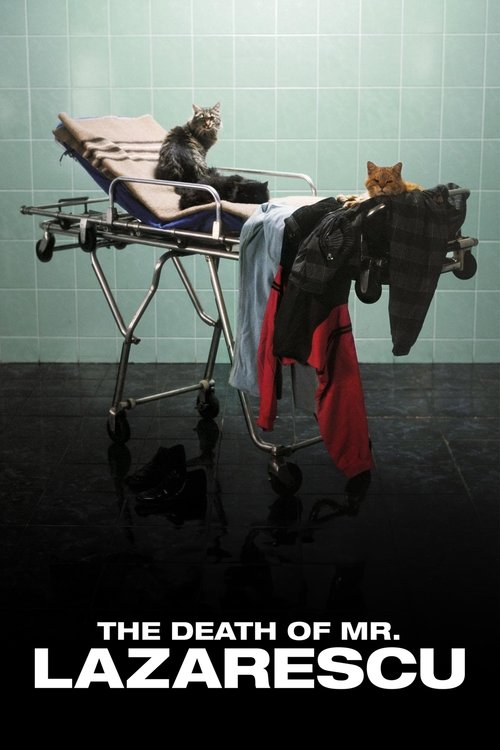
The Death of Mr. Lazarescu2005
Cristi Puiu's achingly patient film about a sick old man and a broken healthcare system. It's about dignity, indifference, and how institutions fail. Devastating without melodrama.
But It's 150 minutes in waiting rooms and bureaucratic corridors. The slowness is the content, but it's genuinely tedious at moments.
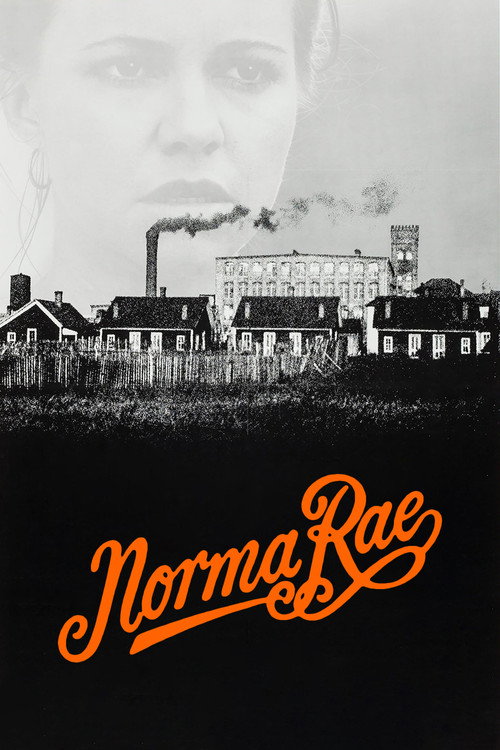
Norma Rae1979
Sally Field in Mike Nichols's stirring account of a textile-mill worker's union organizing. It balances individual triumph with collective struggle. Field is magnetic—this is serious popular cinema.
But It resolves more tidily than life usually does. The industrial-drama package can feel slightly conventional compared to radicaler predecessors.
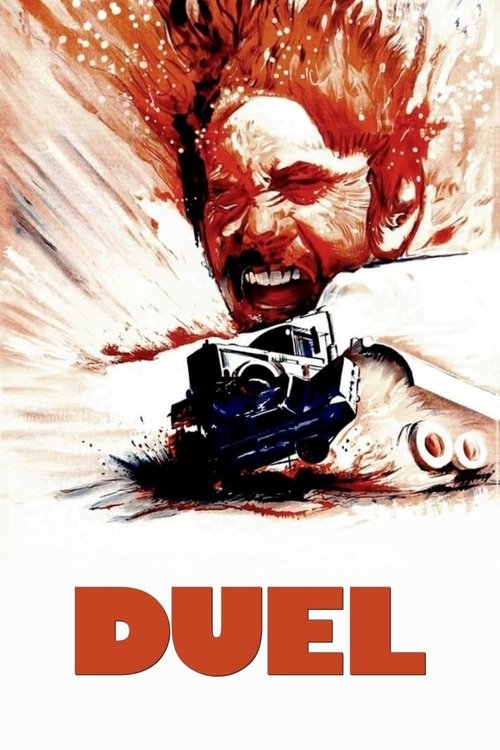
Duel1971
Spielberg's debut—a man pursued by an unseen truck driver on an empty American highway. Economical, tense, and weirdly philosophical about masculinity and helplessness. Made-for-TV but absolutely gripping.
But The truck-driver menace is never explained or revealed. That ambiguity exhilarates some and frustrates others.
Come and See1985
Both trace a man's radicalization through trauma. Both argue that individual consciousness fractures when it meets industrial-scale violence—whether capitalism or war.
Elem Klimov's apocalyptic vision of a boy soldier in WWII Belarus. Not a war film—a descent into hell. It finds the sacred in horror, the political in the personal. Formally inventive and spiritually ravaged.
But It is relentlessly, almost unwatchably brutal. Many consider it one of the most difficult films ever made. Not cathartic, not comforting.

Jeanne Dielman, 23, quai du Commerce, 1080 Bruxelles1976
Both films locate revolution in the texture of daily life rather than grand gestures. Both understand that the personal is inescapably political, and that seeing that clearly changes everything.
Chantal Akerman's three-hour portrait of a woman's domestic routine. It seems static until it devastates you—the film argues that housework is labor, that repetition is political, that what we call 'ordinary' carries violence. Revolutionary in a completely different register.
But It's deliberately boring. Sixty-minute sequences of a woman cooking. There is almost no conventional drama. Patience isn't optional; it's the entire point.

People
Cast
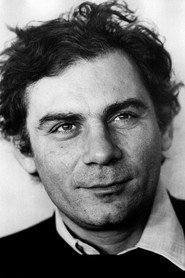 Gian Maria VolontéLulù Massa
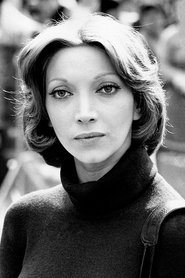 Mariangela MelatoLidia
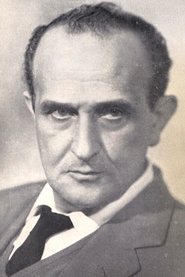 Salvo RandoneMilitina
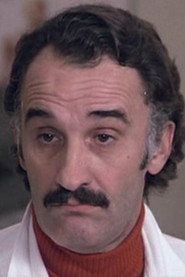 Gino PerniceSindacalista
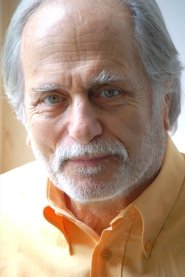 Luigi DibertiBassi
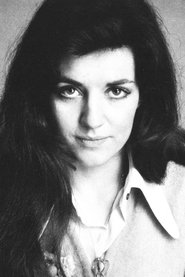 Mietta AlbertiniAdalgisa
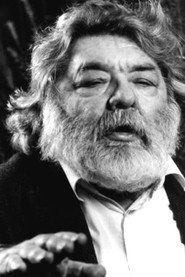
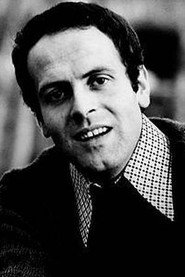 Adriano Amidei MiglianoTecnico
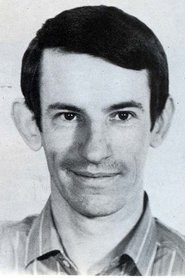 Guerrino CrivelloCronometrista
- Ezio MaranoCapo Operai
- Giuseppe FortisValli
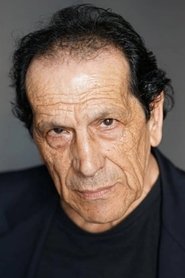 Corrado SolariTarcisio Mena
Directing
- Elio PetriDirector
- Antonio GabrielliFirst Assistant Director
- Franco LongoFirst Assistant Director
- Armenia BalducciScript Supervisor
- Lorenzo MagnoliaSecond Assistant Director
Writing
- Elio PetriScreenplay
- Ugo PirroScreenplay
- Elio PetriStory
- Ugo PirroStory
Production
- Ugo TucciExecutive Producer
- Claudio ManciniProduction Coordinator
- Mario CotoneProduction Supervisor
- Stefano PegoraroProduction Supervisor