
Film
The Way Back
Other titles called The Way Back: the 2020 film.
- Survival adventure
- Prison
- Very dark
Peter Weir's 1910 epic follows four escaped gulag prisoners walking across deserts and mountains toward India. It's a brutal, sparsely plotted survival story that moves through landscape rather than plot, held together by ensemble chemistry and the quiet idea that freedom itself might be the only plot worth telling. For people who want cinema that feels earned.
Should you watch it?
Watch it if you love a patient, hard-earned survival story where the pleasure lies in the walking, the bickering strangers and the landscapes changing underfoot more than in big set pieces.
Skip it if you want a lean, fast-moving thriller, because this is long and often more about endurance and mood than tension; the quieter stretches can feel like a trek.
What it asks of you: Just over two hours of patience, a tolerance for cold and hunger grinding slowly on, and characters who say little.
Not sure? Find tonight's pick in a minute.
If you liked this
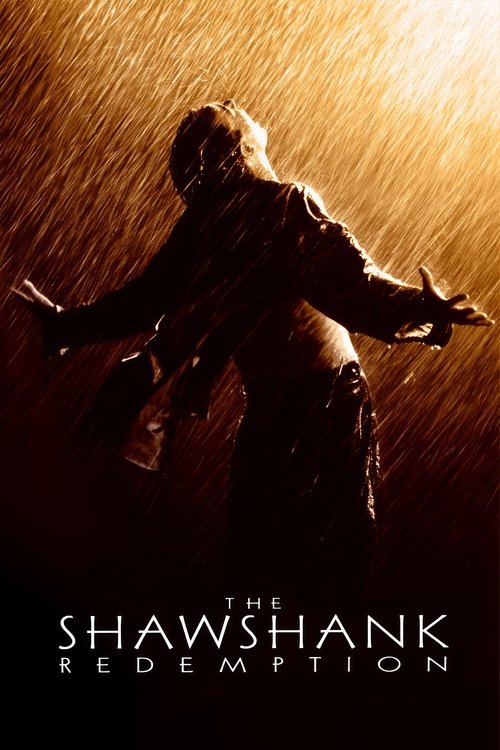
The Shawshank Redemption1994
Prison escape story with a warmer heart, but it shares The Way Back's belief in hope as an active choice. Both films linger on the work of freedom rather than just the drama of the dash.
But Shawshank is more broadly accessible and comforting—if you want bleakness to match The Way Back's cold, this will feel gentler.
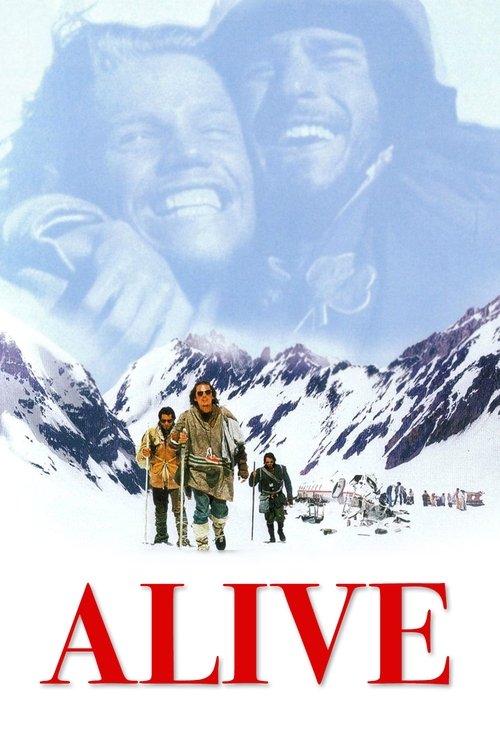
Alive1993
Another Weir film about survival against inhuman odds, using actual geography and endurance as both problem and character. Same interest in what happens when the story becomes just walking.
But Based on a true Andes plane crash, so the outcome is known. Some find that removes tension rather than deepens it.
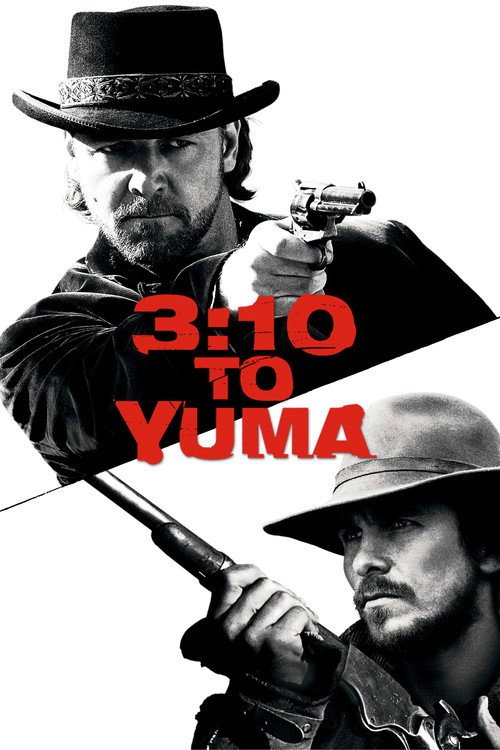
3:10 to Yuma2007
A lean, focused story about men traveling across harsh landscape toward an uncertain end. Shares The Way Back's interest in the moral weight of the journey itself over plot mechanics.
But Mostly set in one location with two characters talking—very different pacing from the epic geography of Way Back. Can feel static if you want action.
Not sure tonight? Get a pick in a minute, starting from The Way Back
The wildcard
Something you would not have found on your own.
Stalker1979
Both use journey as spiritual and moral crucible. Neither film trusts that reaching the destination matters—they're interested in what the walking does to you.
Tarkovsky's three-hour metaphysical journey: three men walk through a mysterious landscape toward a room that might grant wishes. Like Way Back stripped of plot and loaded with philosophy—the walk IS the point, and uncertainty is the point, and the question of what we're actually after.
But Soviet-era pacing, philosophical density, long takes of emptiness. Demands patience and active interpretation. Many find it impenetrably slow and abstract.

More like this (8)
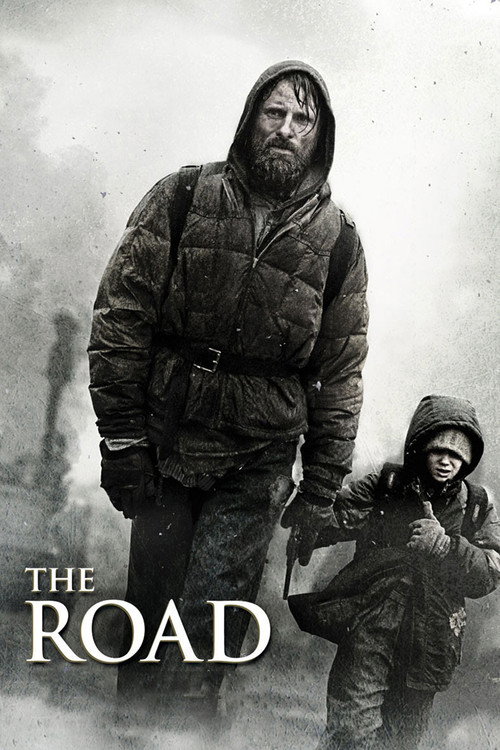
The Road2009
Another adaptation of a Cormac McCarthy novel about traveling through desolation toward an imagined safety. Same aesthetic: minimalist, unsentimental, the landscape is hostile and indifferent.
But Profoundly bleak and nihilistic—it goes further into despair than The Way Back. Harder to sit with, harder to feel rewarded by.
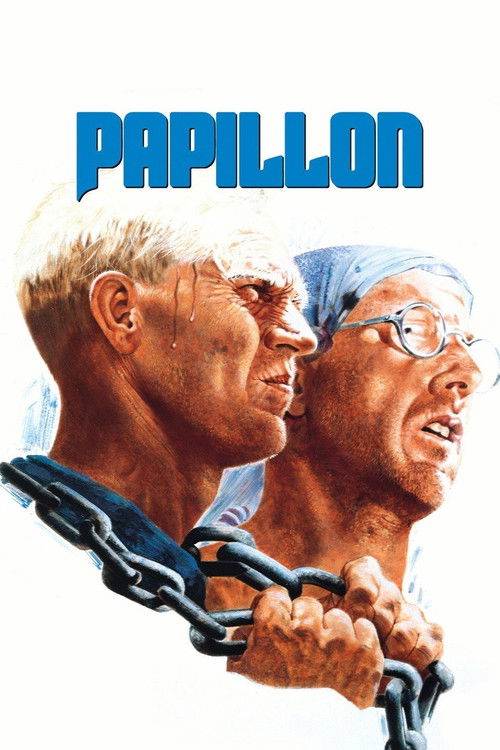
Papillon1973
Prison escape and survival across equally vast distances, with a similar ensemble of different men depending on each other. Older approach, more romantic, but the same bones.
But Very '70s in pace and tone—takes time with character in ways modern audiences sometimes find slow. The color processing looks dated.
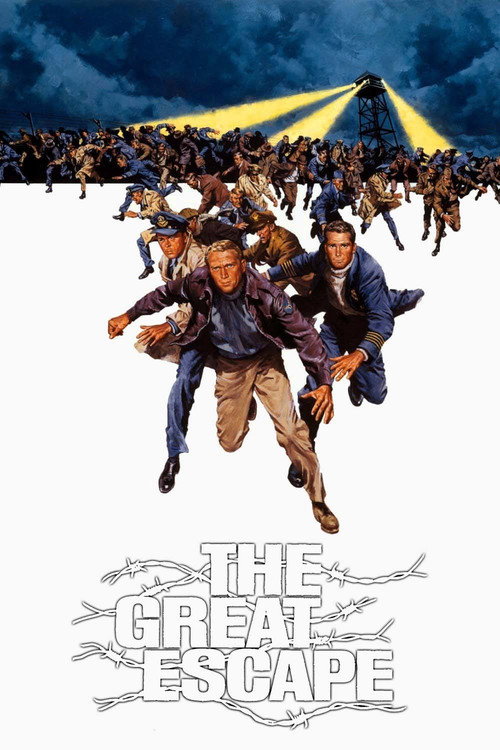
The Great Escape1963
Ensemble prison escape with an international cast, meticulous planning, and genuine tension. Weir clearly learned from Sturges's architectural approach to suspense.
But Much more of a heist film than Way Back—slicker, more plot-driven, less interested in the walk itself or what it costs.
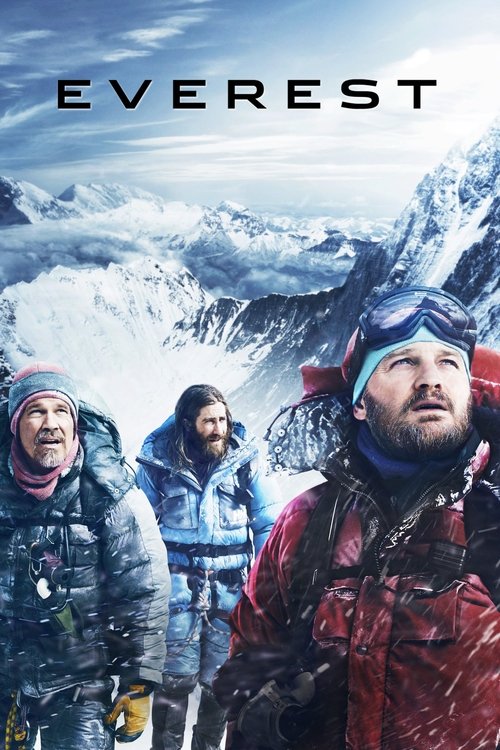
Everest2015
Mountain survival as pure landscape cinema, with a strong ensemble and a focus on how the climb breaks people differently. Visual scale and elemental storytelling similar to Way Back.
But Crowded with stars playing thinly sketched characters. The spectacle sometimes overshadows the human story you came for.
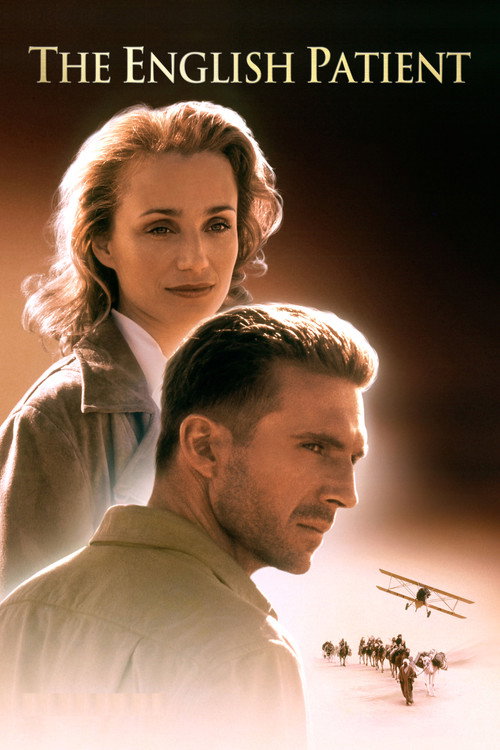
The English Patient1996
Epic scope, multicultural ensemble, journey across deserts, a story that prioritizes landscape and time over plot momentum. Same unhurried, meditative register.
But Three hours of deliberate pacing. Many people find it self-important and glacially slow—the antithesis of efficient storytelling.
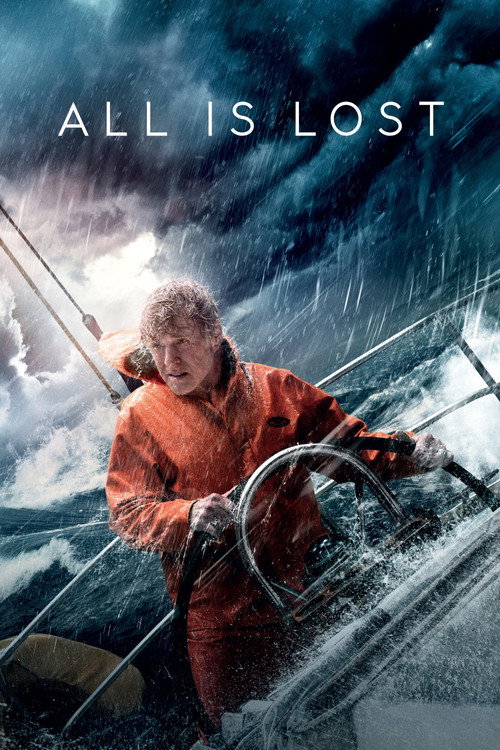
All Is Lost2013
Survival stripped to its essence: one man, one boat, the elements. Shows that the survival-journey film works even with no dialogue and no ensemble—pure visual storytelling.
But Extremely austere and quiet. If you need character development or emotional beats, you will feel starved. Some people find it tedious.
The Ascent1977
Both follow multicultural prisoners in flight across brutal landscape. Both ask what freedom costs and whether survival is the same as living. Both distrust sentiment.
Two Soviet partisans cross winter landscape pursued by Nazis—survival epic stripped down to philosophical interrogation of faith and suffering. Black-and-white, uncompromising, and morally complex in ways that match Way Back's refusal to offer easy redemption.
But Obscure Russian film with bleak theology and no genre comfort. The ending doesn't feel like a victory, and some viewers want cinema to feel less punishing.

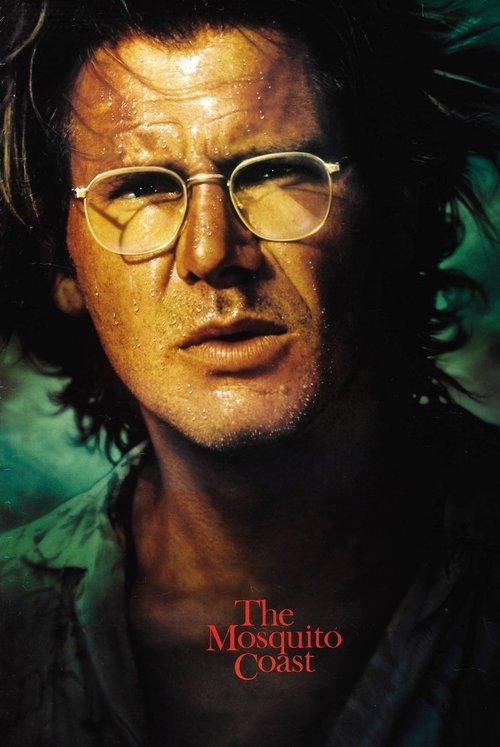
The Mosquito Coast1986
Both use American idealism about freedom-through-escape as their subject. Way Back shows us why the dream exists; Mosquito Coast shows us what believing it costs. Inverse interpretations of the same myth.
Harrison Ford (not heroic, deeply unstable) and family journey into Central American wilderness seeking impossible freedom. Flips the survival story into tragedy: the journey itself is the disease, not the cure. Same ensemble-across-landscape structure, opposite moral register.
But Deeply unsettling and slow-burn grim. Ford's character is delusional and dangerous; there's no one to root for. Weir film that most audiences actively dislike.
People
Cast
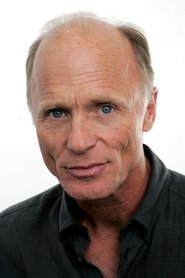 Ed HarrisMr. Smith
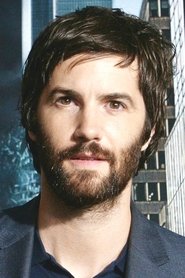 Jim SturgessJanusz Wieszczek
 Saoirse RonanIrena Zielińska
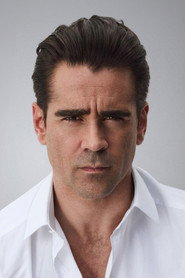 Colin FarrellValka
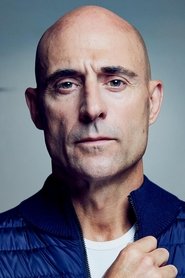 Mark StrongAndrei Khabarov
 Gustaf SkarsgårdAndrejs Voss
 Dejan AngelovAndrei
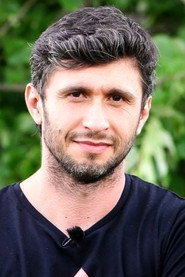 Dragoș BucurZoran
 Sally BrunskiJanusz's Wife, 1939
 Alexandru PotoceanTomasz Horodinsky

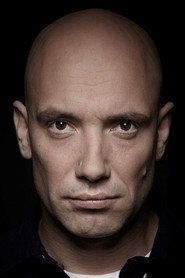 Zahari BaharovInterrogator
Directing
- Dea KulumbegashviliAssistant Director Trainee
- Peter WeirDirector
- Todor ChapkanovFirst Assistant Director
- Sylvie ChesneauScript Supervisor
- Richard GoodwinSecond Assistant Director
Writing
- Slavomir RawiczNovel
- Keith R. ClarkeScreenplay
- Peter WeirScreenplay
Production
- Buffy HallCasting
- Judith BouleyCasting
- Lina ToddCasting
- Mariana StanshevaCasting
- Poppy BourchierCasting
- Salaheddine BenchegraCasting
- Vicky WildmanCasting
- Odile SchalitCasting Associate
- Adam LeipzigExecutive Producer
- Guy EastExecutive Producer
- Jake EbertsExecutive Producer
- Jonathan SchwartzExecutive Producer
- Mohamed Khalaf Al-MazroueiExecutive Producer
- Scott RudinExecutive Producer
- Joni LevinProducer
- Keith ClarkProducer
- Nigel SinclairProducer
- Peter WeirProducer
- Duncan HendersonProduction Accountant
- Emmanuel PappasProduction Supervisor
- Sana El KilaliProduction Supervisor
- Naomi J. HallResearcher
Recommended by
Dersu Uzala, Hunt for the Wilderpeople, 20th Century Women, Little Miss Sunshine, Captain Fantastic, Wet Hot American Summer, Defiance, The Kings of Summer, Soul Surfer, Scott of the Antarctic, Eight Below, The Good Lie, Reach for the Sky, Krystal, A Company Man, Take Me Home Tonight, A Boy Called Po, Tiny Fugitives, The Myth of the American Sleepover, Liberal Arts