
Film
Submarine
Other titles called Submarine: the 2011 film.
A 1928 silent adventure about two rival sailors in love with the same woman, whose enmity is tested when one becomes trapped in a sunken submarine and the other must dive to rescue him. Earnest, technically ambitious, and powered by the kinetic energy of early cinema before it learned to sit still. For anyone curious about how adventure films once worked.
If you liked this
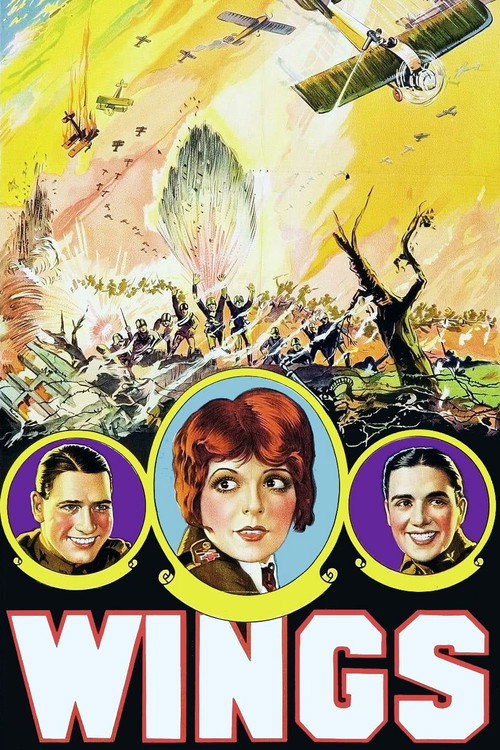
Wings1927
The silent aviation epic that proved audiences craved spectacle and technical innovation. Dogfights as thrilling as any modern action sequence, with genuine stunt flying and emotional depth beneath the thrills.
But Silent films demand patience; no dialogue means the acting can feel broad and the pacing occasionally slack by modern standards.
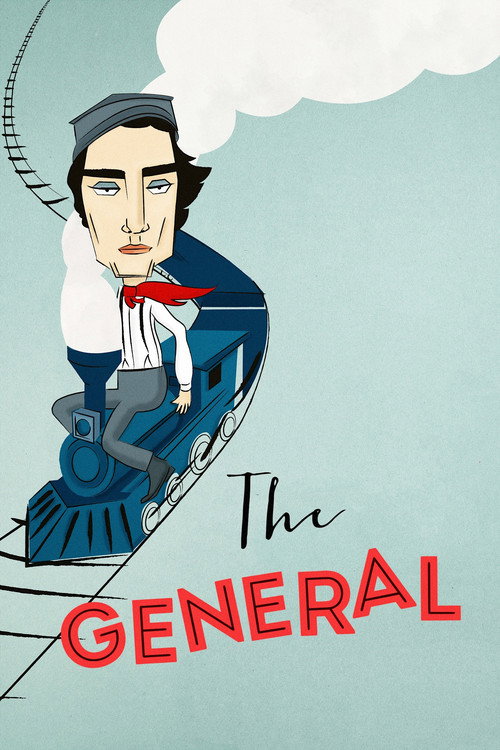
The General1926
Buster Keaton in a perfectly constructed action-comedy about a man and a train, where every gag builds logically and the scale of the sequences is genuinely astonishing for the era.
But Keaton's deadpan style, while revolutionary, can feel mannered if you're not already attuned to silent comedy's rhythms.
Nosferatu1922
German Expressionism at its most visually inventive—a vampire film that creates dread through shadow, composition, and design rather than gore. Genuinely unsettling and hypnotic.
But The pacing is deliberate and hypnotic rather than propulsive; some find it slow, and the print quality varies wildly depending on which version you see.

Not sure tonight? Get a pick in a minute, starting from Submarine
The wildcard
Something you would not have found on your own.
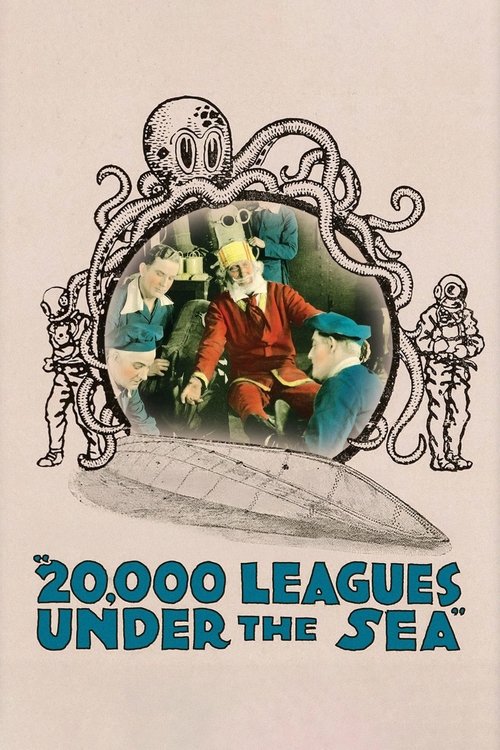
20,000 Leagues Under the Sea1916
Both are fascinated by submarines as a frontier, both blend technical ambition with adventure narrative, both use the underwater world as a testing ground for male courage and endurance.
Jules Verne's underwater fantasy adapted into a real submarine film with actual underwater sequences and miniatures—the closest contemporary equivalent to Submarine's aquatic fascination, but through science-fiction rather than military drama.
But The effects are crude and the pacing glacial; modern viewers will find it more quaint than thrilling, and the story barely exists.
More like this (8)
The Man from Earth2007
A chamber piece about a man claiming to be 14,000 years old, building tension through dialogue and ideas rather than action—proof that adventure can be intellectual and conversation-based.
But Extremely low-budget and talky; if you need visual spectacle or conventional plotting, this will frustrate you.

The Phantom Carriage1921
A Swedish ghost story that uses technical tricks and emotional sincerity to explore redemption. Visually inventive and genuinely moving, predating most horror cinema.
But It's a period piece about moral transformation rather than plot momentum; if you need conventional narrative drive, it meanders.

Sunrise: A Song of Two Humans1927
F.W. Murnau's masterpiece about a man tempted away from his wife by a seductress, told with camera work that still feels innovative. The visual language is what matters more than the slight plot.
But The melodrama is thick, the story is simple, and the pacing reflects 1927's comfort with lingering on moments modern audiences expect to move faster.

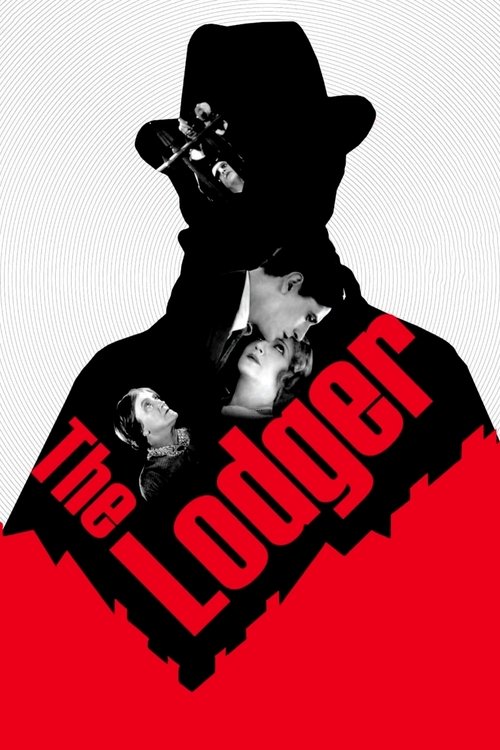
The Lodger: A Story of the London Fog1927
Hitchcock's first feature, a London murder mystery told through suspicion and landlord drama. Early Hitch paranoia with genuine visual flair and mounting dread.
But As a thriller it's slight; the payoff is smaller than the buildup, and the social commentary about xenophobia can feel heavy-handed.
Intolerance: Love's Struggle Throughout the Ages1916
D.W. Griffith's ambitious four-story epic weaving together different historical periods to explore the theme of intolerance. The scope and ambition are genuinely staggering for the era.
But It's three and a half hours, formally experimental, and the narrative requires active engagement; it's more a visual poem than a conventional story.

The Thief of Bagdad1924
Douglas Fairbanks in a swashbuckling fantasy adventure with elaborate sets and genuinely creative special effects for the era. Pure movie magic and athletic charisma.
But The plot is gossamer-thin; it's really just a series of set pieces and spectacles, which means if you want story substance you'll leave disappointed.

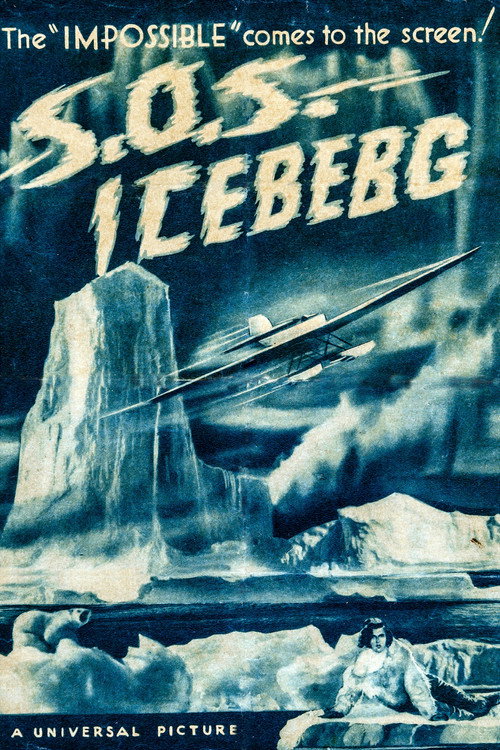
S.O.S. Iceberg1933
Both centre on a rescue mission as the emotional climax, both are fascinated by the technical problems of survival in extreme environments, both prioritize showing you real danger over story efficiency.
A German-American co-production about a rescue expedition to the Arctic, filmed partly on location on actual glaciers with real danger. The technical and logistical ambition rivals the narrative; it's a document of how films were made with their bodies on the line.
But It's slow, the acting is stilted (partly due to dubbing), and the rescue plot is subordinate to the documentary impulse to show you how hard it was to film this.
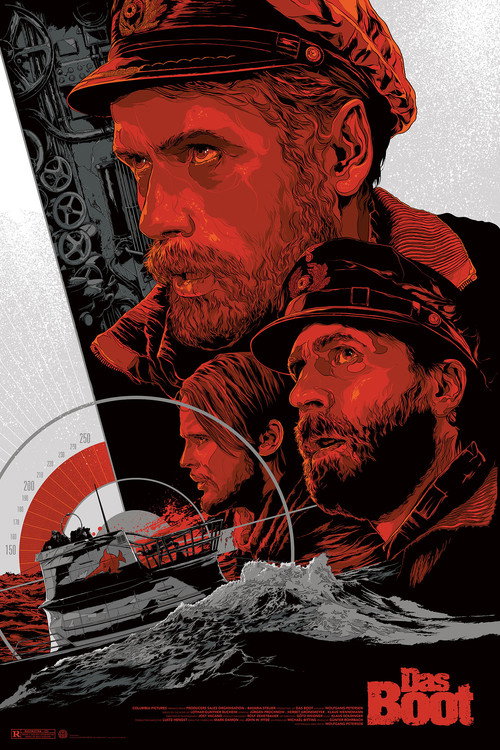
Das Boot1981
Both use the submarine and its cramped interior as a pressure chamber for character conflict, both make the machinery and claustrophobia as much a character as any person, both understand that being trapped underwater tests everything about who you are.
Wolfgang Petersen's submarine war film trades the 1920s' innocent technical fascination for claustrophobic psychological realism: a trapped crew, moral ambiguity, and the submarine as coffin. Peerless in tension and intimate in scale despite its scope.
But It's bleak, sometimes tedious, and three hours long; if you want heroism or clear moral victory, this film will deny you it completely.
People
Cast
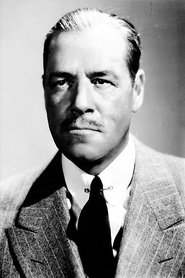 Jack HoltJack Dorgan
 Dorothy RevierBessie, Mrs. Jack Dorgan
 Ralph GravesBob Mason
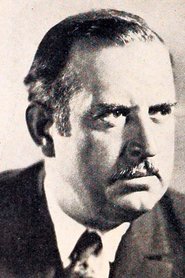 Clarence BurtonSubmarine Commander
 Arthur RankinThe Boy
- Joe BordeauxCrewman (uncredited)
 William H. O'BrienNightclub Waiter (uncredited)
- Eric WiltonNightclub Extra (uncredited)
Directing
- Charles C. ColemanAssistant Director
- Frank CapraDirector
Writing
- Norman SpringerStory
- Dorothy HowellWriter
Production
- Harry CohnProducer