
Film
20,000 Leagues Under the Sea
Other titles called 20,000 Leagues Under the Sea: the 1954 film.
A 1916 silent epic where Captain Nemo pursues vengeance across the ocean depths in his revolutionary submarine. Lavish sets, practical effects, and genuine wonder at the possibilities of early cinema. For anyone curious about how blockbusters worked before sound, or who loves early sci-fi worldbuilding executed with practical ingenuity and real spectacle.
If you liked this
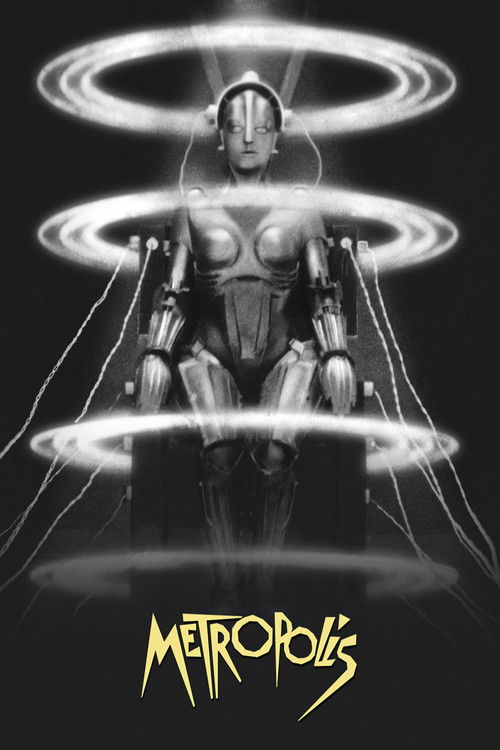
Metropolis1927
Expressionist masterpiece of the future city, built with the same scale and ambition as Nemo's submarine world. Fritz Lang's vision of technological wonder is staggering, and the restoration is genuinely magnificent.
But Silent, 145 minutes, and the pacing feels ceremonial rather than propulsive. Long sequences of workers moving through spaces in choreographed unity can feel slow.
The Thief of Bagdad1924
Douglas Fairbanks in a fantasy adventure of pure visual invention. Flying carpets, magical kingdoms, and effects work that astonishes—the same spirit of 'what can we actually build and film' as 20,000 Leagues.
But The racism in orientalist settings is baked in and painful. Even restored, it's a product of attitudes you'll have to sit with.

Nosferatu1922
German expressionism at its most haunting, with practical effects and lighting that create dread through pure cinema craft. Max Schreck is unforgettable. If you appreciate silent film language, this is the argument for it.
But Genuinely disturbing and bleak. It's not entertainment in the Fairbanks sense—it's an experience closer to nightmare.

Not sure tonight? Get a pick in a minute, starting from 20,000 Leagues Under the Sea
The wildcard
Something you would not have found on your own.
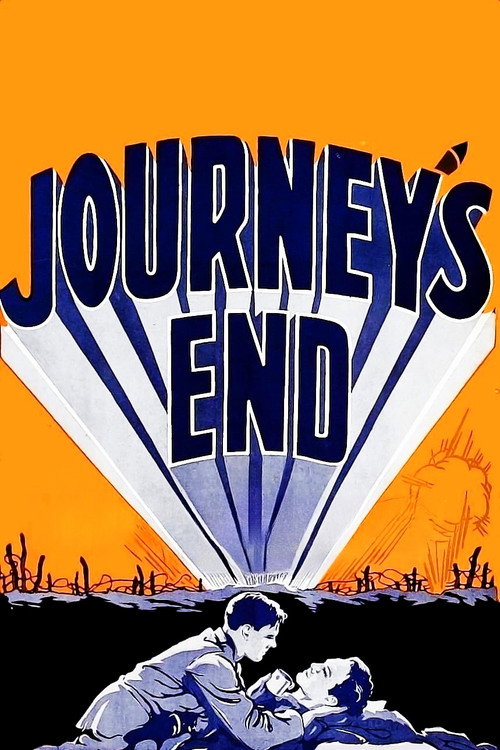
Journey's End1930
Both films explore command under pressure in enclosed spaces where men face death and madness. Nemo's submarine and the trench are architecturally similar: sealed worlds where authority breaks down.
Adaptation of R.C. Sherriff's play about a trench during World War I. Made just after silent film died, it captures something essential about Nemo's obsessive, isolated command—a submarine and a trench share the same claustrophobic, hierarchical pressure.
But Stagey, theatrical, and bleak. The war materiel and dialogue feel removed from modern experience, and there's no escape fantasy here.
More like this (8)
Intolerance: Love's Struggle Throughout the Ages1916
D.W. Griffith's biblical epic made the same year as Nemo, with sets that dwarf anything else on screen. Four timelines, thousands of extras, sequences of pure scale. A genuine vision, however problematic.
But It's also Griffith, so the racial politics are abysmal and inextricable from the film itself. And it's 165 minutes of silent storytelling that can feel distant.

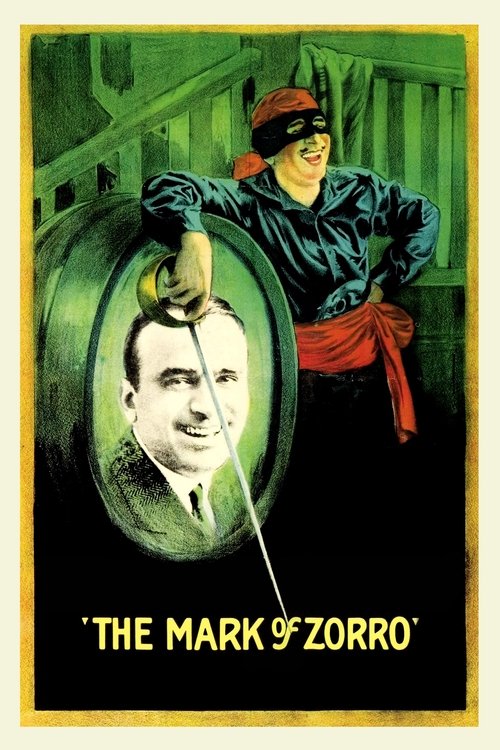
The Mark of Zorro1920
Fairbanks again, but this one's tighter: a thrilling action film where the spectacle serves the story. Sword fights, horse chases, genuine suspense. Proof that silent adventure film could move.
But Shorter and snappier than Nemo means less time to sit in the world. If you're coming for grandeur, this is more lean muscle.
The Phantom Carriage1921
Swedish existential ghost story with effects that are genuinely unsettling. Double exposures, tracking shots, practical tricks that create real emotion. Beautiful and haunting.
But It's quiet and philosophical, sometimes to the point of stillness. Not an adventure film, and some will find the pacing meditative rather than engaging.

Sunrise: A Song of Two Humans1927
F.W. Murnau's tragedy about temptation and redemption, filmed with such visual sophistication that it feels modern. Real emotional stakes. One of the greatest films ever made.
But It's a domestic melodrama, not adventure. And the gender politics around female temptation feel very much of their era.

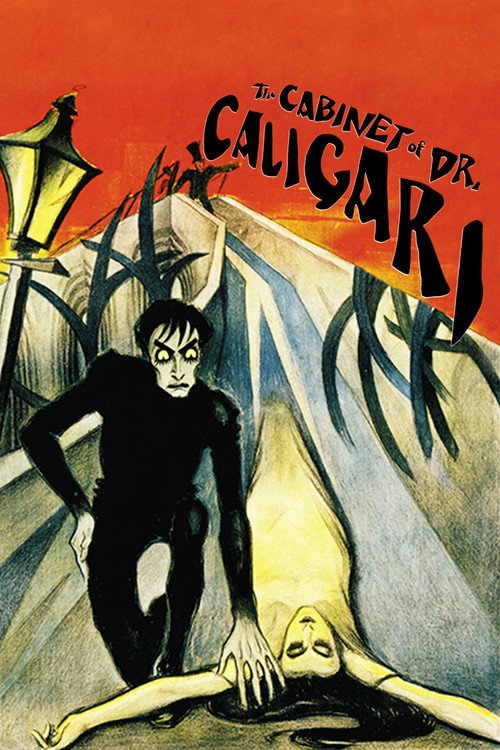
The Cabinet of Dr. Caligari1920
Expressionist nightmare where the sets themselves are warped and distorted. Hypnotism, murder, madness—all rendered through twisted geometry and expressionist design. Genuinely disorienting.
But It's cerebral and strange rather than straightforwardly thrilling. If you want plot-driven excitement, this goes inward.
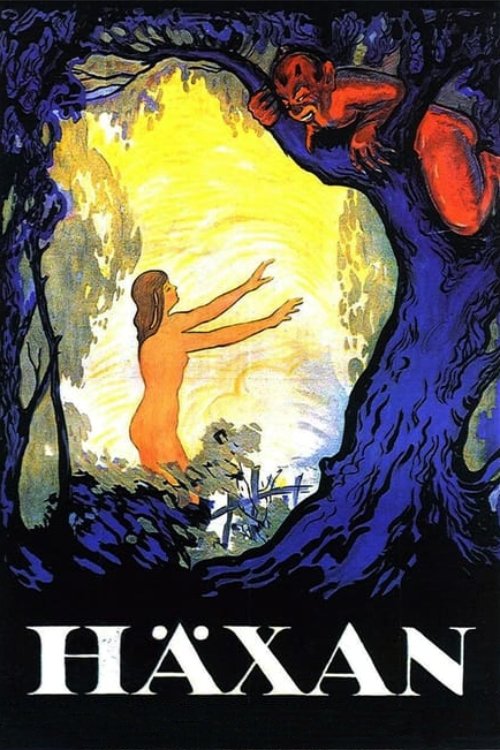
Häxan1922
Surreal documentary about witchcraft, demonology, and hysteria, with staged sequences that look like fever dreams. Shocking, weird, unlike anything else from the period. Genuinely experimental.
But It's structured as essay rather than narrative, the pacing is glacial, and some imagery is grotesque in ways that might repel rather than fascinate.
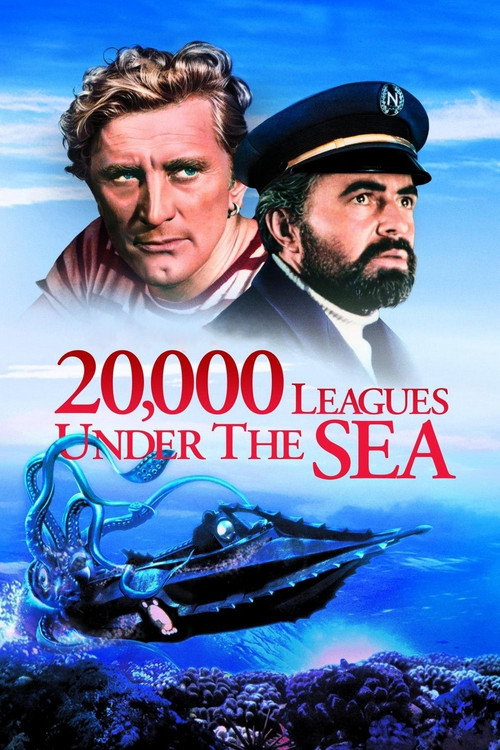
20,000 Leagues Under the Sea1954
Same source material, radically different era and medium. 1916 saw Nemo as a Shakespearean tragic figure; 1954 saw him as exotic adventure. They're arguments about what science fiction means.
Disney's version with Kirk Douglas, a giant squid, and full color romance. It rewrote what the story could be—splashier, warmer, more fun. A completely different thing.
But It's an adaptation of Verne, not a reimagining. If you've just watched the 1916 film, this will feel like seeing someone else's version of a dream you had.
Mad Max: Fury Road2015
Both films are obsessed with showing you the vehicle itself—how it works, how it moves, what it means. Both are about lone captains commanding impossible machines in pursuit of something they can't name. The machinery *is* the character.
A film about pursuit, command, revenge, and obsession filmed with 1916's love of practical spectacle and real machines. No CGI artificiality—real stunts, real vehicles, real design. George Miller built a world like Nemo built a submarine.
But Post-apocalyptic desert is the opposite of oceanic majesty. Some find it exhausting rather than exhilarating, and narrative is minimal.

People
Cast
 Allen HolubarCaptain Nemo, also known as Prince Daaker
 Jane GailA child of nature/Princess Daaker
 Howard CramptonCyrus Harding
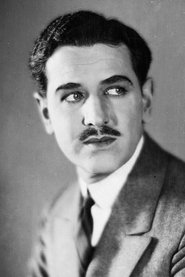 Matt MooreLieutenant Bond
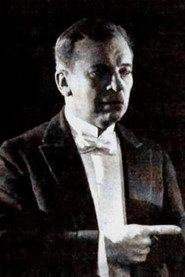 William WelshCharles Denver
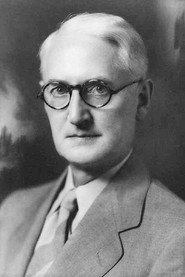 Joseph W. GirardMajor Cameron
 Curtis BentonNed Land
 Edna PendletonAronnax's daughter
- Dan HanlonProfessor Aronnax
- Wallace ClarkePencroft
- Martin MurphyHerbert Brown
Directing
- Stuart PatonDirector
Writing
- Jules VerneNovel
Production
- Carl LaemmleExecutive Producer
- Carl LaemmleProducer