
Film
The Wonderful Story
A 1922 British silent drama about moral redemption and family bonds. A domineering paralytic man controls his brother and wife through emotional manipulation until an innocent child's presence awakens his conscience. It's a quiet, character-driven study in human nature—the kind of intimate family drama that silent cinema excelled at, relying entirely on performance and composition to convey emotional truth. For patient viewers who appreciate acting as physical storytelling.
Should you watch it?
Watch it if you like silent melodrama where a grim domestic standoff plays out through faces, gesture and the slow pressure on a family's loyalties rather than through plot mechanics.
Skip it if you want fast, talky drama, since this is a silent picture with a heavy theatrical hand and its moral is pressed a little hard.
What it asks of you: Seventy-five minutes of silent screen, with intertitles to read and a patient eye for faces; the emotional weather is heavy and sits on a single household.
Not sure? Find tonight's pick in a minute.
If you liked this
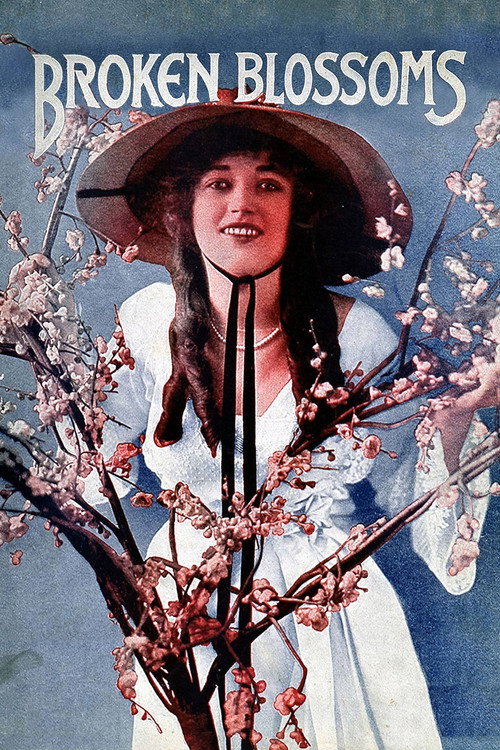
Broken Blossoms or The Yellow Man and the Girl1919
Lillian Gish in Griffith's devastating portrait of quiet suffering and emotional abuse. A young woman trapped by a brutal guardian finds solace in unexpected tenderness. The camera work is luminous, the performances unbearably human.
But Silent film pacing asks for a different kind of attention. Some viewers find the sentimentality suffocating rather than moving.
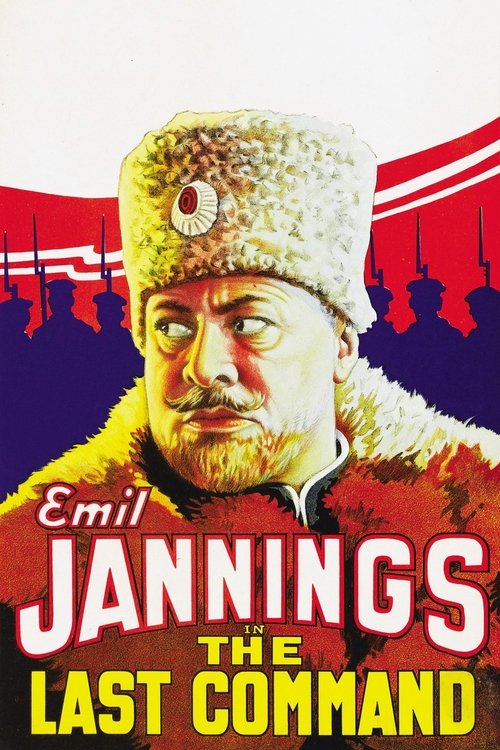
The Last Command1928
Emil Jannings in a role built around a dominating, theatrical character whose downfall mirrors his moral journey. Jannings was the era's greatest actor of wounded pride and slow degradation. Visually sophisticated and emotionally complex.
But The emotional register is bleak and unrelenting. There's no warmth here, only ash.
Sunrise: A Song of Two Humans1927
Murnau's masterpiece about manipulation, marriage, and redemption. A couple on the brink of destruction must rebuild trust and love. The cinematography is breathtaking; the emotional arc is earned and shattering.
But Nearly two hours of silent cinema about marital discord. If domestic drama bores you, this won't change your mind.

Not sure tonight? Get a pick in a minute, starting from The Wonderful Story
The wildcard
Something you would not have found on your own.
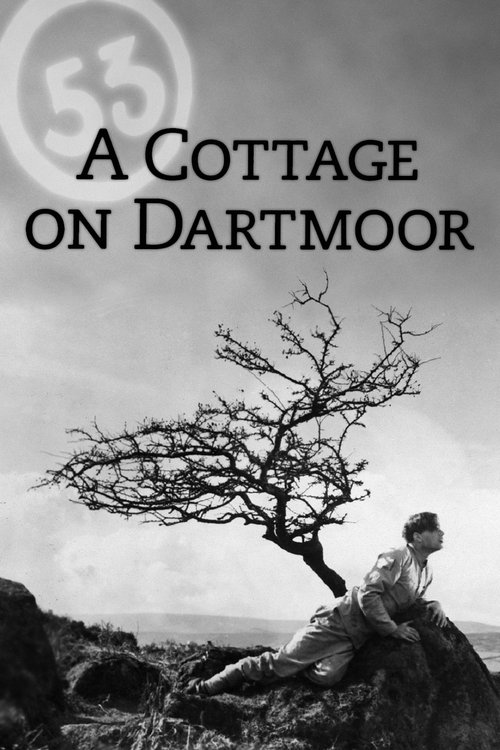
A Cottage on Dartmoor1929
Both films argue that control masquerading as love corrodes the controller as much as the controlled. Redemption comes not from external judgment but from seeing clearly what you've become.
Anthony Asquith's late silent film—technically just at sound's threshold—about obsession and possession as forms of love. It's visually audacious, with camera work that anticipates German Expressionism. A man's controlling love destroys the woman he claims to adore.
But It's a very dark meditation on romantic love as a cage. There's no catharsis, only the logic of obsession playing out to its end.
More like this (8)
The Phantom Carriage1921
Sjöström's meditation on how one person's cruelty ripples through others' lives, redeemed only by recognition and change. Structurally innovative, spiritually searching, with performances of remarkable subtlety for the era.
But The pacing is glacial. The film trusts silence in a way modern viewers often find frustrating.

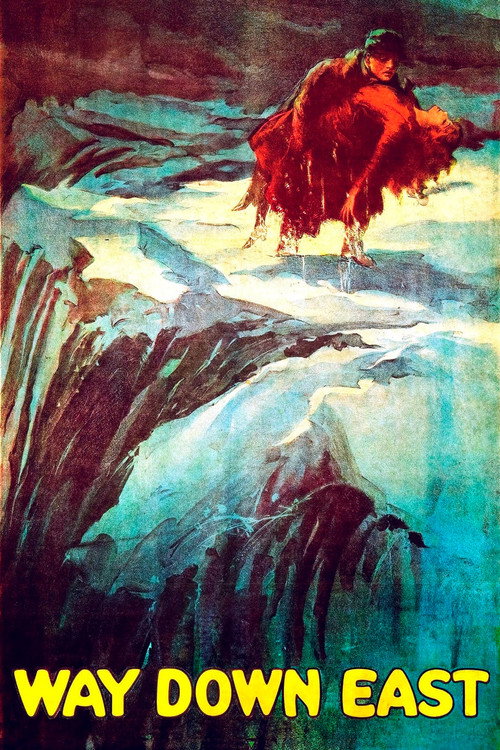
Way Down East1920
Lillian Gish again, as a woman wronged by male cruelty and restored by male sacrifice. Griffith's melodrama is shameless, but Gish's performance transcends it. The climax is genuinely harrowing.
But The gender politics are of their time—women exist to suffer until men rescue them. The moralizing can feel suffocating.
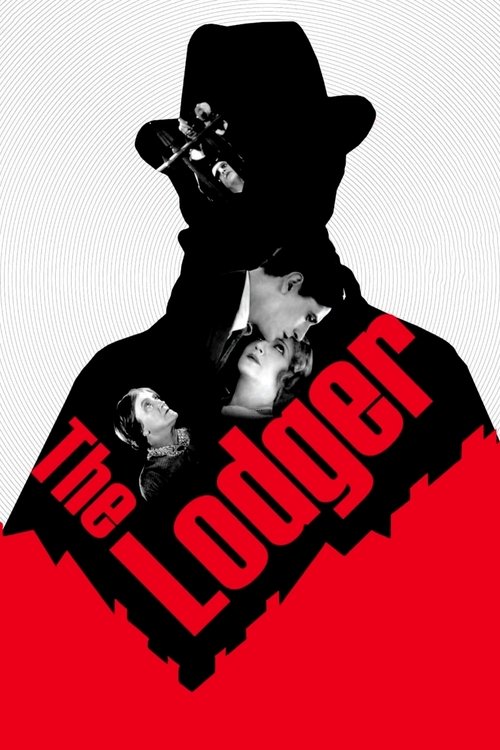
The Lodger: A Story of the London Fog1927
Hitchcock's debut explores suspicion, judgment, and the danger of assumption within a domestic space. Technically dazzling, psychologically acute, and utterly gripping. Proves silent cinema could be thrilling.
But It's a thriller about paranoia, not a character study. The emotional register is colder than The Wonderful Story.
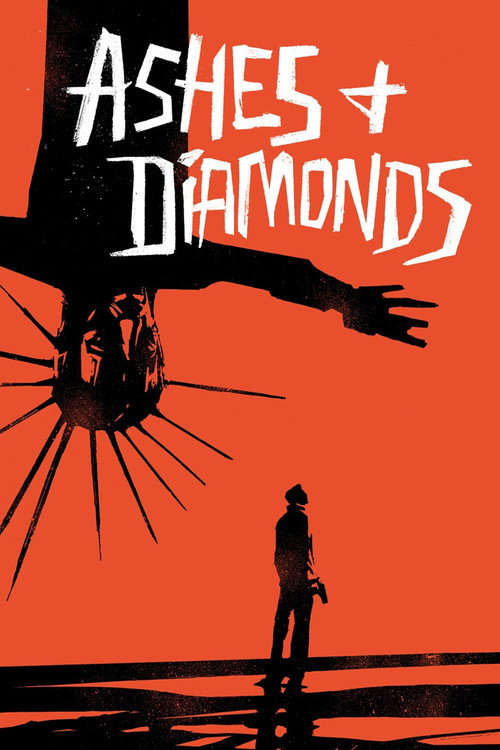
Ashes and Diamonds1958
Wajda's Polish masterpiece about a man caught between violence and redemption, trapped by forces beyond his control. Handsomely shot, morally urgent, powered by a luminous performance from Zbigniew Cybulski.
But It's a post-war political allegory as much as a character study. The context matters; you'll need to do some work.
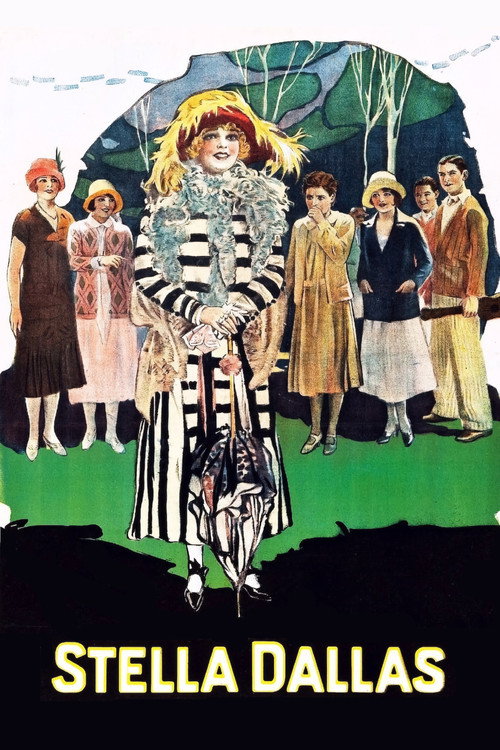
Stella Dallas1925
Belle Bennett as a mother who dominates her daughter's life through possessiveness and social climbing. A searing critique of maternal control dressed up as melodrama. The performance is all surface glamour hiding real damage.
But The perspective is entirely female-centered, and the men are ciphers. If you need male characters with interiority, look elsewhere.
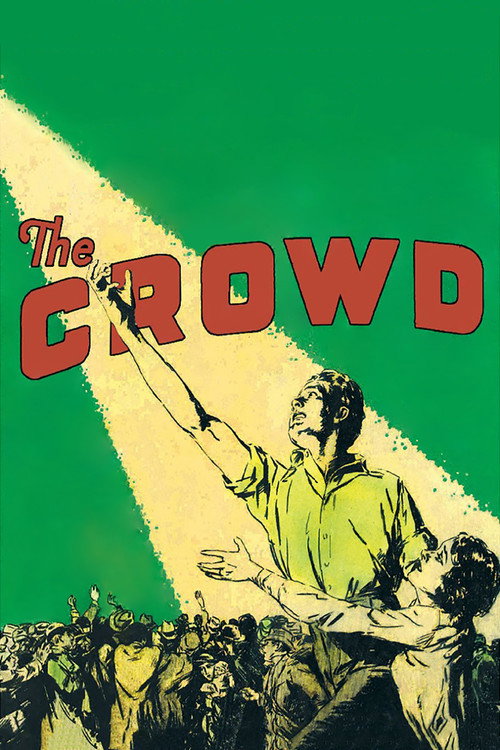
The Crowd1928
Vidor's portrait of an ordinary man whose weakness and selfishness damage everyone around him. It's quieter and sadder than you expect. The final image is unforgettable—ambiguous about whether redemption is possible.
But There are no heroes here and no clear answers. The film refuses to comfort you.
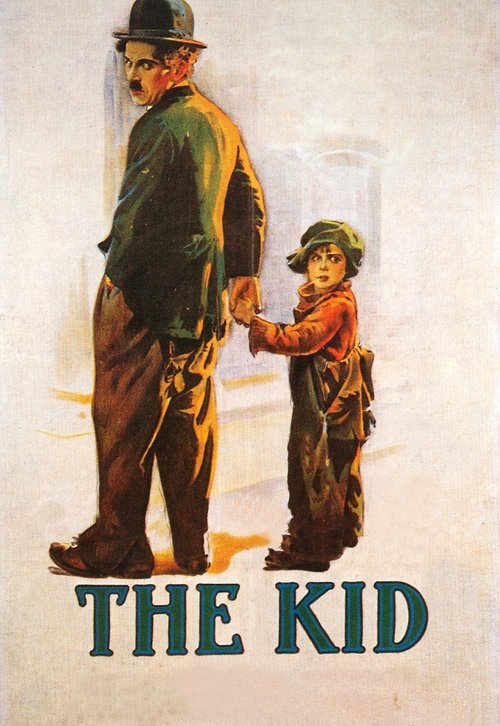
The Kid1921
A child as moral catalyst—the innocent presence that forces a damaged adult to become better. Both trust this transformation as real.
Chaplin's feature about a man raised in neglect and hardship who finds purpose through caring for a child. The child's presence redeems him exactly as in The Wonderful Story, but here it's played for both comedy and genuine pathos. Chaplin balances sentiment and satire perfectly.
But Chaplin's sentimentality can feel cloying to modern sensibilities. The child actor is sometimes precious rather than naturalistic.
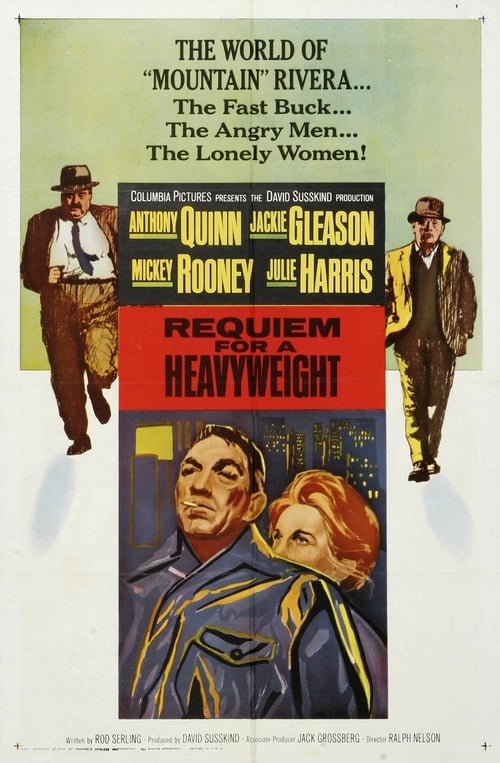
Requiem for a Heavyweight1962
Same emotional architecture—a man whose damage has made him tyrannical finds redemption through recognizing another person's need. It updates the 1922 story to post-war America, but the moral journey is identical.
Rod Serling's screenplay adapted from his television play, with Anthony Quinn as a washed-up boxer whose violence and pride isolate him until a woman's quiet kindness and a boy's need reconnect him to his own humanity. It's a 1960s American echo of the silent melodrama—slow, character-focused, sentimental without shame.
But The pacing is television-slow, not film-paced. It's also deeply, unironically earnest about redemption in a way that can feel dated.
People
Cast
- Lillian Hall-DavisKate Richards
- Herbert LangleyRobert Martin
 Olaf HyttenJimmy Martin
- Bernard VaughanVicar
Directing
- Graham CuttsDirector
Writing
- I.A.R. WylieNovel
- Patrick L. MannockWriter