
Film
A Cottage on Dartmoor
A 1929 British silent thriller about obsession and jealousy in a provincial town. A barber's assistant spirals dangerously when a manicurist he's fixated on shows interest in a farmer. It's visually inventive, psychologically tense, and moves with the economy of a nightmare. For those who love early cinema that still grips.
Should you watch it?
Watch it if you enjoy early sound-era silent hybrids where a tight, low-budget thriller is driven by jealousy and glances rather than spectacle, and you like seeing how the genre was still finding its grammar.
Skip it if you need brisk modern pacing or polished production values; the 88 minutes move at the speed of an older film, and the acting and staging can feel stagey and broad.
What it asks of you: Patience with a slow-simmering build and a tolerance for dated performance conventions; it rewards close watching more than it rewards quick attention.
Not sure? Find tonight's pick in a minute.
If you liked this
Nosferatu1922
German Expressionism at its most hypnotic. A vampire film that works through suggestion and shadow rather than gore, building dread through composition and performance. Essential viewing that still unsettles.
But Silent, black-and-white, deliberately paced. If you need plot momentum over atmosphere, this will feel glacial.

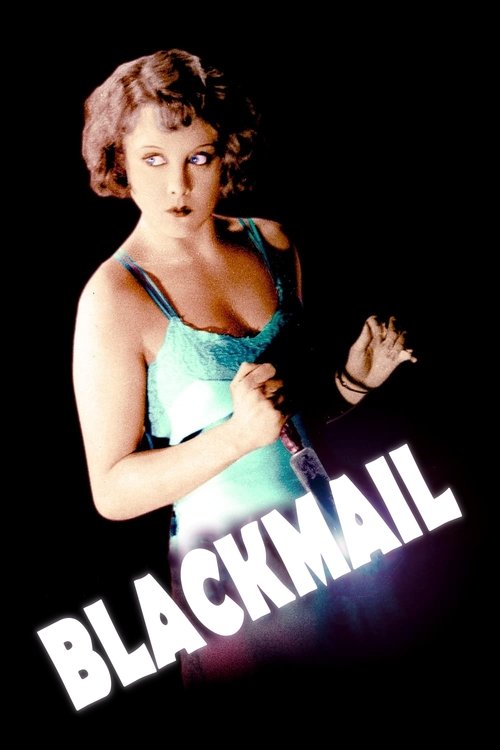
Blackmail1929
Hitchcock's first sound film, released the same year. A thriller about jealousy and moral compromise, shot with the visual precision of silent cinema but adding the texture of voice. Genuinely thrilling.
But Dialogue occasionally feels stagy. The transition to sound cinema shows its seams.
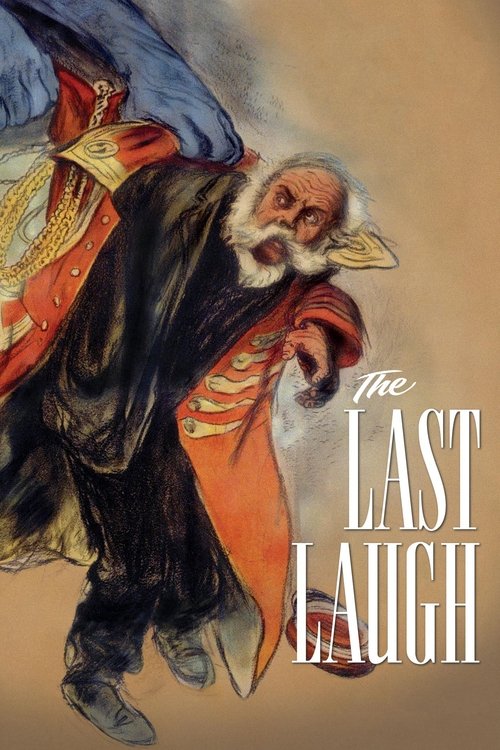
The Last Laugh1924
German Expressionist masterpiece about social humiliation and psychological collapse. Uses camera movement and distortion to make us feel a man's unraveling. Hypnotic and surprisingly moving.
But No intertitles until the very end; you have to read pure cinema. Demands active watching.
Not sure tonight? Get a pick in a minute, starting from A Cottage on Dartmoor
The wildcard
Something you would not have found on your own.
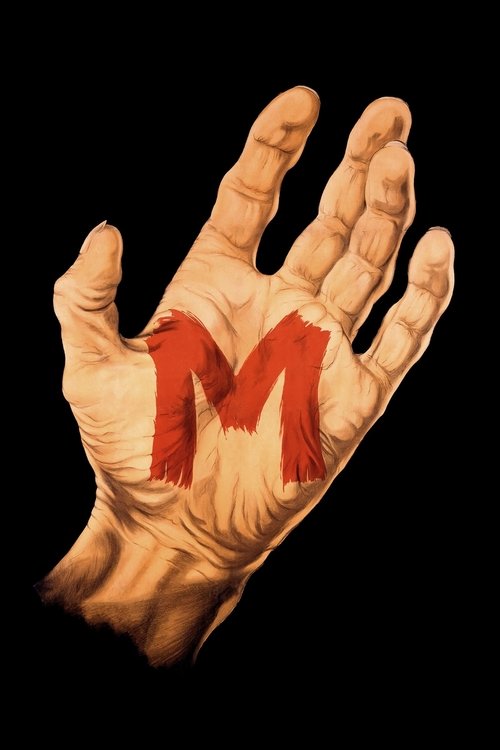
M1931
Both films treat obsession and sexual jealousy as psychological sickness, not romantic tragedy. Both use the everyday world—barbers, streets, ordinary people—as the stage for interior collapse.
Fritz Lang's first sound film, about the hunt for a child murderer in Weimar Berlin. What makes it radical: the killer is sympathetic, the mob is monstrous, and ordinary citizens become vigilantes. Psychologically sophisticated in ways most thrillers still aren't.
But It's bleak and morally unsettling. The climactic trial offers no comfort. Watching a murderer command your sympathy is not entertaining—it's destabilizing.
More like this (7)
The Phantom Carriage1921
Swedish supernatural thriller about guilt and obsession. Visually inventive, deeply strange, and genuinely eerie. A ghost story that works through visual storytelling and genuine atmosphere.
But Slow burn with long passages of very little happening. The pacing is 1920s funeral pacing.

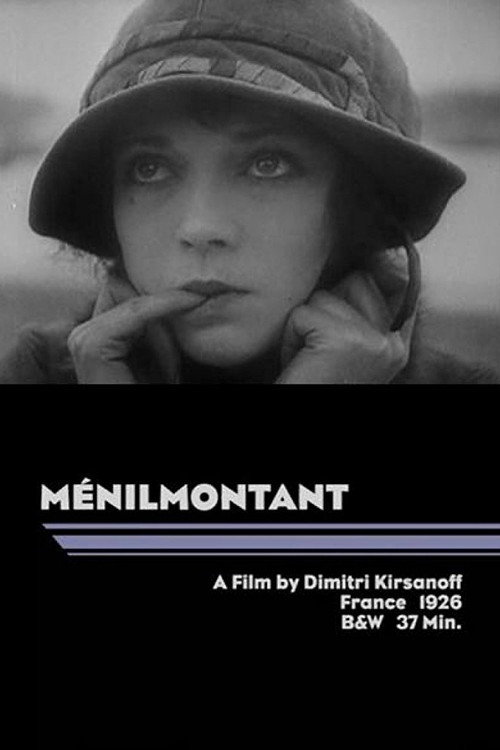
Ménilmontant1926
A 26-minute French experimental film about two sisters navigating poverty and desire. Pure visual poetry—no plot, just mood and movement. A masterclass in what cinema can do without words.
But It's not quite a story in any traditional sense. If you need narrative clarity, you'll find it frustrating.
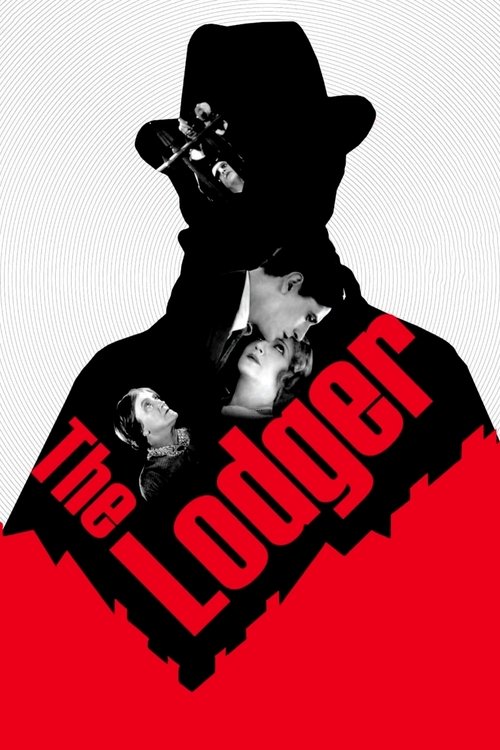
The Lodger: A Story of the London Fog1927
Hitchcock's first thriller, about suspicion and paranoia. A mysterious lodger may or may not be a serial killer; the tension comes from not knowing. Visually daring and genuinely unnerving.
But The plot is thin and occasionally melodramatic. The resolution feels rushed.
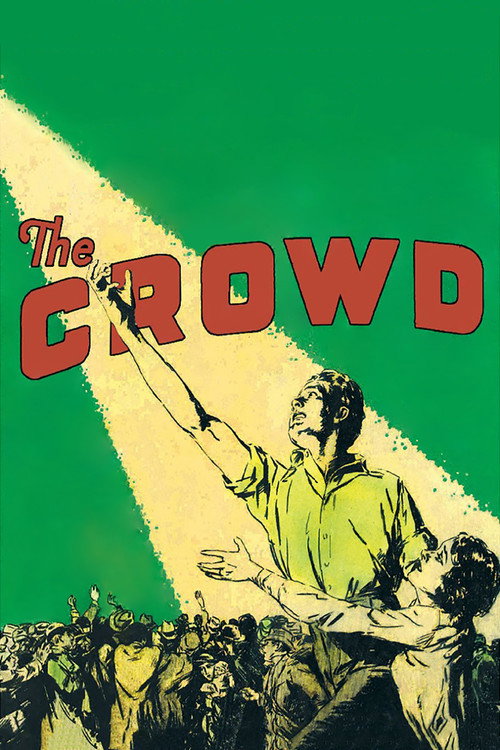
The Crowd1928
An ordinary man in an ordinary city, crushed by circumstance and his own mediocrity. Quietly devastating, with real emotional force beneath the social realism. One of the best films of the 1920s.
But It's bleak. No comforting arc, no redemption—just life happening to someone. Can feel slow and purposeless if you're not attuned to it.
Sunrise: A Song of Two Humans1927
F.W. Murnau's masterpiece about temptation and redemption. Visually stunning, emotionally direct, and uses the full vocabulary of silent cinema. A story about ordinary people in genuine danger.
But The first half drags intentionally, building mood over plot. Patience required before the film accelerates.

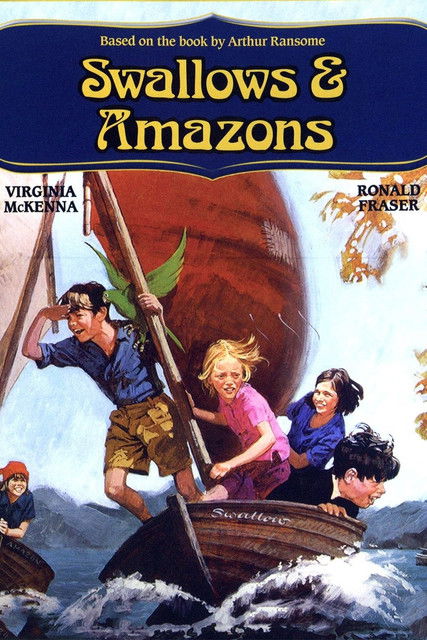
Swallows and Amazons1974
Both are British films from very different eras that trust visual storytelling and atmospheric dread over exposition. Both find intensity in restraint. Both are about desire and possession—one dark, one innocent—but both about what people want and what that wanting costs.
A BBC film adaptation of Arthur Ransome's adventure novel, shot on location in the Lake District with the deliberate pacing of British children's television. It moves slowly, trusts its audience, and finds genuine tension in small moments. Utterly unhurried.
But Nothing violent happens. The stakes are social and imaginative, not physical. If you want plot propulsion, this will feel like watching grass grow.
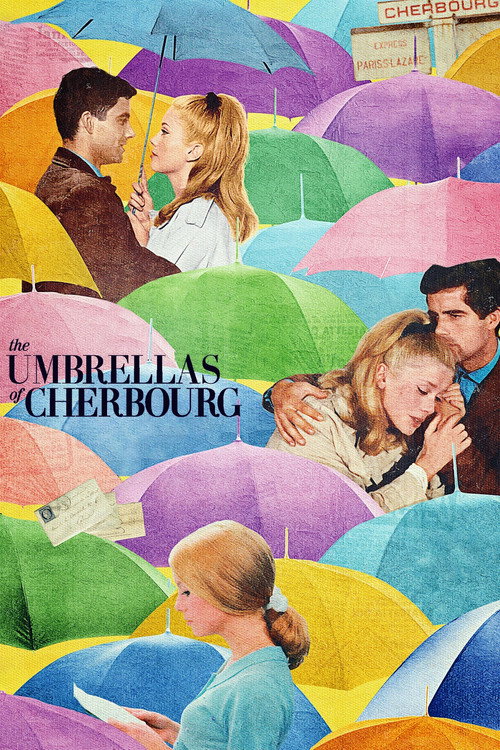
The Umbrellas of Cherbourg1964
Both explore desire as something that traps rather than liberates. Both are about ordinary people—a barber's assistant, a gas station attendant, a manicurist, a girl—and how passion can undo them. Both films are visually precise and emotionally austere about longing.
A French musical about two young people separated by class and circumstance. Stunning colour cinematography, Legrand's score, a story about longing and the roads not taken. Heartbreaking and beautiful.
But It's a musical, and musicals are not for everyone. The ending offers no happy resolution—just acceptance of loss. Some will find that devastating; others will find it maudlin.
People
Cast
 Norah BaringSally, a Manicurist
 Uno HenningJoe, a Barber's Assistant
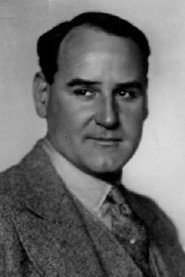 Hans Adalbert SchlettowHarry, a Dartmoor Farmer
 Anthony AsquithBespectacled Man in Cinema (uncredited)
- Judd GreenCustomer (uncredited)
Directing
- Anthony AsquithDirector
Writing
- Herbert PriceStory
- Anthony AsquithWriter
Production
- H. Bruce WoolfeProducer