
Film
Berberian Sound Studio
- Psychological horror
- Very dark
A 1970s sound designer in Italy creates visceral audio for a horror film, slowly fracturing under the weight of his dark work. Sparse, methodical, deeply unsettling—it's a film about how making art can poison you. For anyone fascinated by craft, obsession, or the machinery of dread.
Should you watch it?
Watch it if you love films about the craft behind the scares, where the real horror is the crackle of a cabbage being stabbed and a mind slowly unravelling in a wood-panelled booth.
Skip it if you want the horror delivered on screen, since the gore stays mostly off camera and the film runs at a deliberately withheld, dreamlike pace that some will find frustrating.
What it asks of you: Ninety-odd minutes of close attention, with few conventional scares; it builds through sound, repetition and mounting disorientation rather than through plot you can easily follow.
Not sure? Find tonight's pick in a minute.
If you liked this
Mulholland Drive2001
David Lynch's masterpiece about ambition and identity in Hollywood. Like Berberian, it's a descent into fractured reality where the line between work and nightmare dissolves entirely.
But Deliberately enigmatic and frustratingly long at over three hours. If you need clear answers, this will infuriate you.

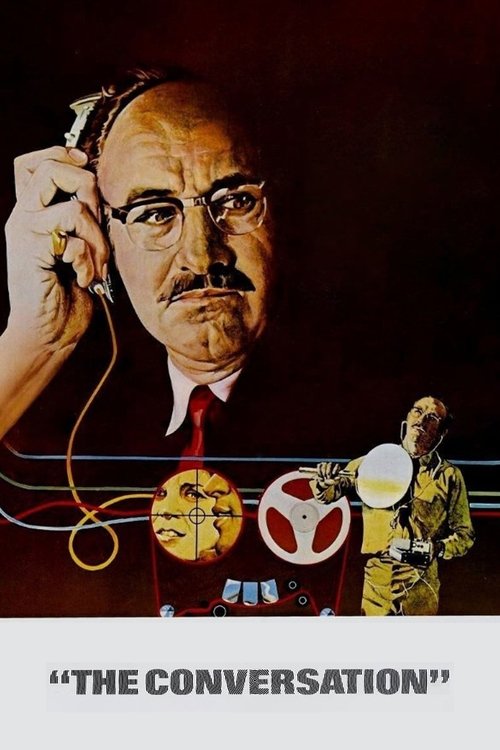
The Conversation1974
Coppola's paranoid classic about a surveillance expert consumed by his work. Same era, same dread—a man losing himself through obsessive attention to detail.
But Slow and deliberate in ways that feel stagy now. No big action beats, just mounting unease and procedural tedium.
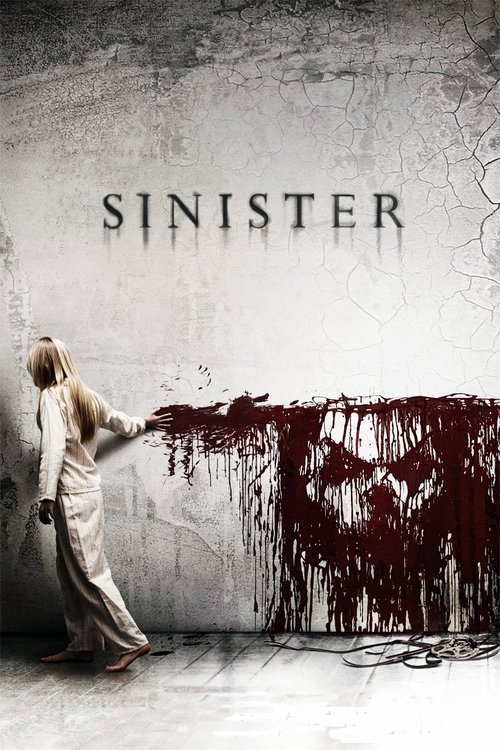
Sinister2012
A writer investigates a real-life crime and discovers home footage that destroys him. Trades pure craft for jump scares, but nails the psychological deterioration angle.
But Relies heavily on genre conventions and sudden noise as horror. Less interested in the philosophical dread that makes Berberian linger.
Not sure tonight? Get a pick in a minute, starting from Berberian Sound Studio
The wildcard
Something you would not have found on your own.
Stalker1979
Both films treat their protagonist's psychological unraveling as inseparable from their work. Sound versus landscape, but identical spiritual erosion.
Tarkovsky's meditative science fiction about three men traveling toward a mysterious room. Shares Berberian's conviction that obsession reshapes reality itself, but through philosophy rather than horror. Long, demanding, and absolutely transcendent.
But Soviet-era, glacially slow, barely a plot. Over two hours of men walking through mist contemplating desire. Actively hostile to conventional cinema.

More like this (8)
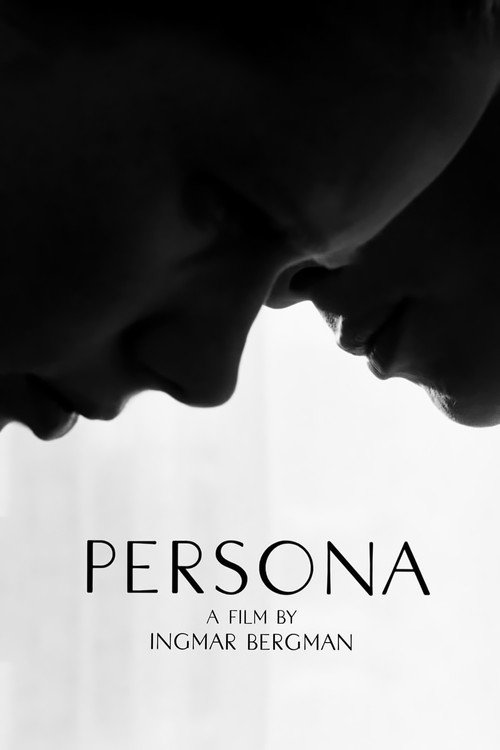
Persona1966
Bergman's study of two women—one silent, one voluble—whose identities begin to merge. Abstract, hypnotic, and unforgettable about the fragility of self.
But Deliberately obscure and filmed mostly in close-up. Feels more like a challenging art film than cinema you watch for pleasure.
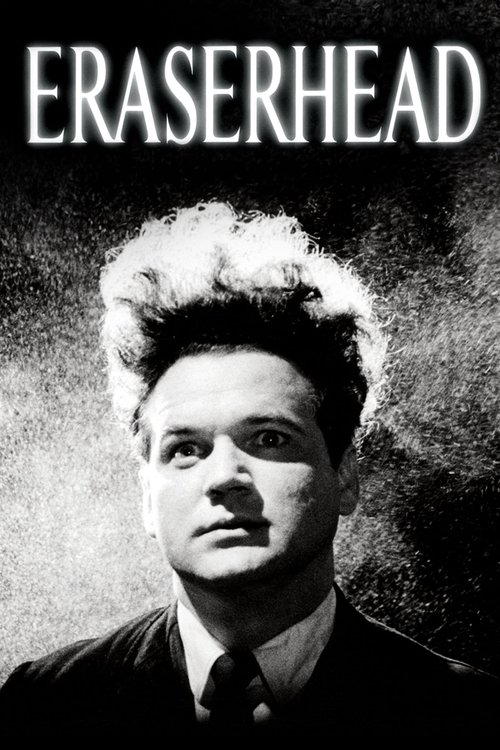
Eraserhead1977
Lynch's surreal debut about fatherhood, anxiety, and industrial desolation. Constructed almost entirely from sound and image as pure dread. Influenced Berberian directly.
But Black-and-white, incomprehensible plot, graphic body horror, and extremely depressing. Not a film you enjoy—you survive it.
Under the Skin2014
Scarlett Johansson drifts through Scotland in a nondescript van. Hypnotic sci-fi that trusts atmosphere over exposition, sound over dialogue.
But Glacially paced with no traditional narrative. Long stretches of ambiguity that feel pretentious rather than unsettling.

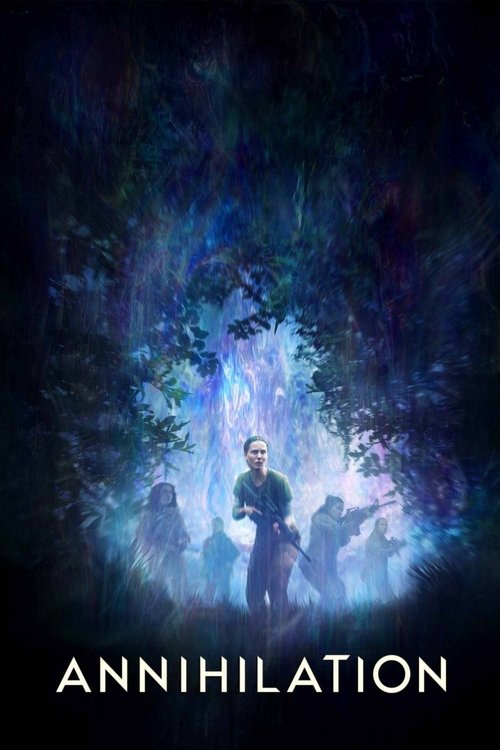
Annihilation2018
Scientists enter a shimmering zone where reality warps into nightmare. Gorgeous and terrifying, with an unsettling score that invades your head like Berberian's sound work.
But The third act abandons tension for psychedelic confusion. Leaves more questions than answers, which frustrates people wanting closure.
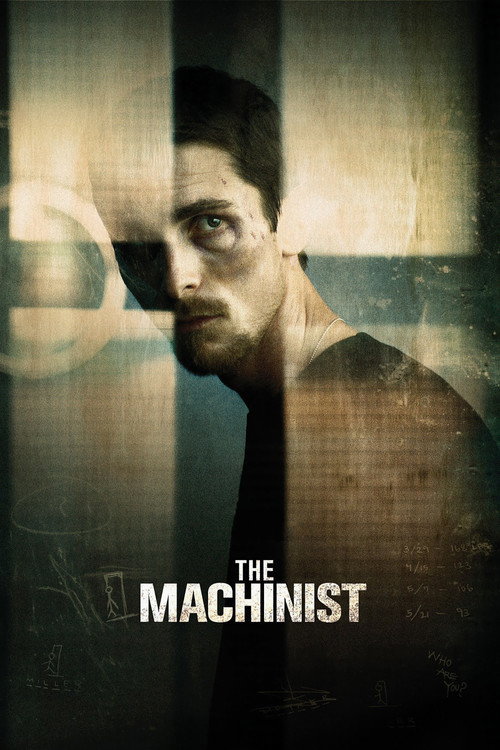
The Machinist2004
Christian Bale, skeletal and insomniac, manufactures guilt through paranoia. A man hollowed out by unresolved trauma—watch it for the slow-burn psychological decay.
But Bleak and repetitive. Once you clock the twist, the repetition feels like punishment rather than craft.
Suspiria1977
Dario Argento's garish masterpiece about a dancer in a witches' academy. Baroque excess where sound design is weaponised the way Berberian imagines.
But Narrative is almost nonsensical. Pure style over substance, which feels shallow if you want stakes that matter.

Requiem for a Dream2000
Both use the grammar of their own making—sound design and film editing—as weapons that damage the viewer the way the work damages the maker.
Aronofsky's four-person descent into addiction told through repeated visual and sonic motifs that escalate into aggressive disorientation. It does structurally what Berberian does psychologically—uses medium itself as the poison.
But Manipulative and exhausting. The repetitive editing style feels designed to assault rather than unsettle. Leaves you drained rather than moved.

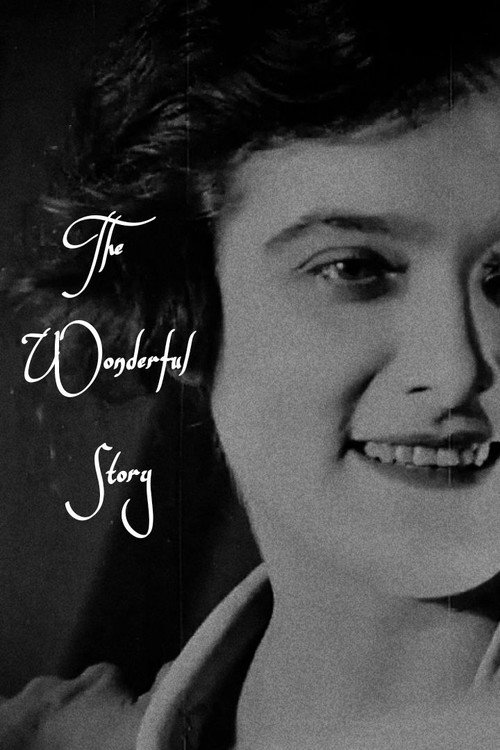
The Wonderful Story1922
Both treat the act of *making* something as corrosive to the maker's sense of self. Work as metamorphosis, not product.
A Japanese avant-garde experiment shot in a single take: a woman applies makeup for hours while fabric stretches and warps around her. Deeply unsettling meditation on identity and performance. Nothing you've seen like it.
But Barely narrative, no dialogue, extremely slow, and visually monotonous to people uninterested in conceptual cinema. Durational art as film can feel like a prank.
People
Cast
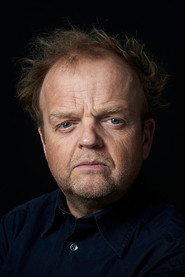 Toby JonesGilderoy
 Tonia SotiropoulouElena
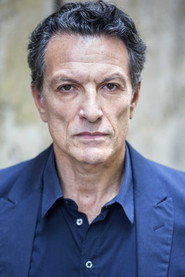 Cosimo FuscoFrancesco
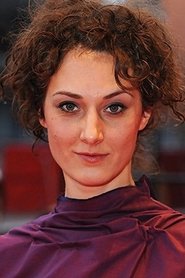 Hilda PéterAuditionee
- Layla AmirEquestrian Girl
 Eugenia CarusoClaudia
 Antonio MancinoSantini
 Fatma MohamedSilvia
 Chiara D'AnnaElisa
 Kata BartschScreamer
 Lara ParmianiChiara
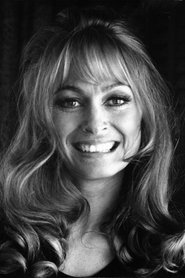 Suzy KendallSpecial Scream Performance
Directing
- Peter StricklandDirector
- Marinella SettiScript Supervisor
Writing
- Peter StricklandWriter
Production
- Shaheen BaigCasting
- Hugo HeppellExecutive Producer
- Katherine ButlerExecutive Producer
- Michael WeberExecutive Producer
- Robin GutchExecutive Producer
- Keith GriffithsProducer
- Mary BurkeProducer
Recommended by
Perfect Blue, The Assistant, The Duke of Burgundy, House of Wax, Hex, An Actor Prepares