
Film
The Wrecker
Other titles called The Wrecker: the 2025 film.
A 1929 British crime thriller about a saboteur orchestrating train wrecks to bankrupt a railway company. Audacious stunt work dominates: a multi-camera rail crash that dazzled contemporary audiences. Creaky dialogue and broad acting date it, but the sheer ambition of the spectacle—and the genuine danger involved—still reads as thrilling. For anyone curious about silent-era cinema excess or the practical ingenuity that predates CGI.
If you liked this
Nosferatu1922
A vampire film of genuine atmosphere and dread, shot with expressionist precision. The technical innovation and compositional brilliance influenced everything after it. A masterpiece of silent cinema.
But The pacing is glacial by modern standards, and some plot points feel underdeveloped. Requires patience and acceptance of a different visual language.

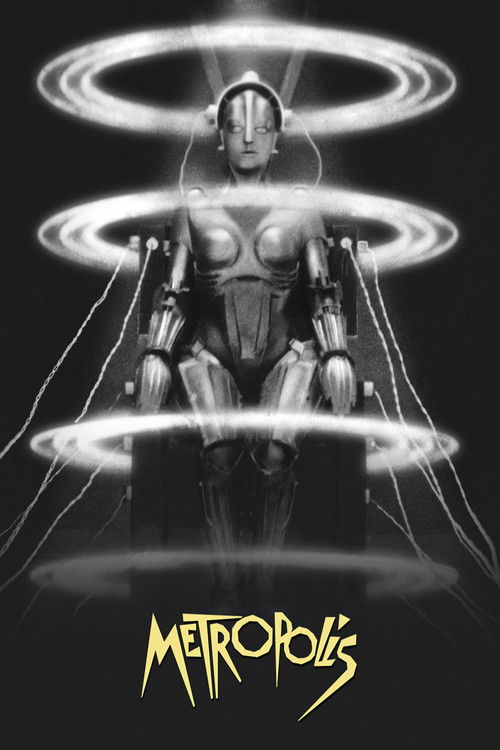
Metropolis1927
Expressionist sci-fi epic with production design that still astounds. Lang's technical ambition and visual imagination shaped the genre. The restored versions recover sequences lost for decades.
But The political message can feel heavy-handed. Even restored prints are incomplete, and some sequences remain lost to time.
The Phantom Carriage1921
A Swedish ghost story of genuine supernatural unease. Sjöström's performance carries the film; the use of double exposure and shadow work is sophisticated for its era. Emotionally devastating.
But Silent film acting conventions read as theatrical. The moral framework—redemption through suffering—won't resonate with everyone.

Not sure tonight? Get a pick in a minute, starting from The Wrecker
The wildcard
Something you would not have found on your own.
Battleship Potemkin1925
Both films showcase the era's obsession with technical audacity as narrative. The Wrecker uses practical stunt spectacle; Potemkin uses editing spectacle. Each believes cinema's tool—stunt work or montage—can carry meaning.
Eisenstein's montage technique—cutting to create meaning rather than show it—was born here. The Odessa Steps sequence is cinema's most imitated five minutes. It's not just a masterpiece; it's foundational.
But It's a Soviet propaganda film, unambiguously political. The editing requires active interpretation rather than passive spectatorship. Very of its moment.

More like this (8)
Intolerance: Love's Struggle Throughout the Ages1916
Griffith's four interwoven narratives across centuries. The Babylon set remains the most ambitious set construction in silent film. Audacious in scope and ambition, despite its flaws.
But The film is nearly four hours and narrative threads are difficult to follow. Griffith's politics are objectionable and visible in the text.

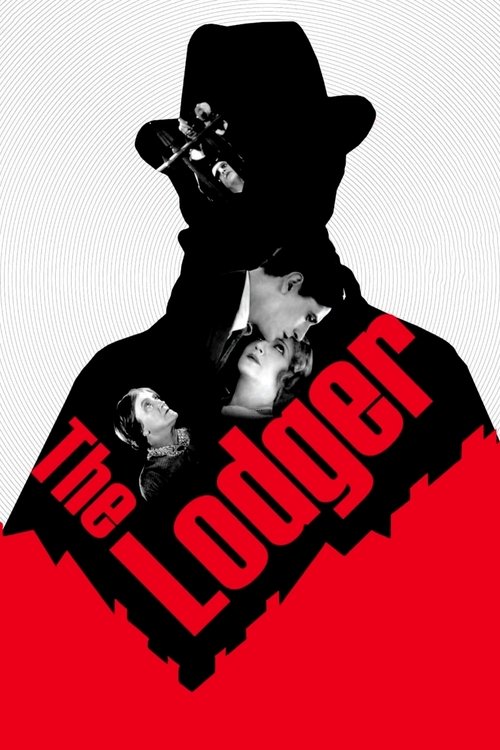
The Lodger: A Story of the London Fog1927
Hitchcock's first feature showcases his emerging mastery of suspense and visual storytelling. Atmospheric London and a Jack the Ripper premise generate genuine tension. Elegant and economic filmmaking.
But The plot mechanics are predictable if you know the genre tropes that followed. Some scenes feel stagey despite the cinematic technique.
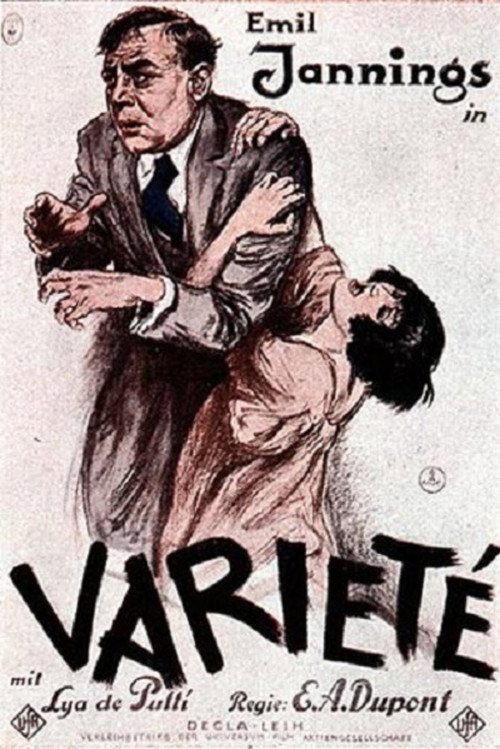
Variety1925
A trapeze artist's world filmed with technical brilliance—Dutch angles, subjective camera work, experimental editing. Murnau's influence on cinema language is everywhere. Genuinely gripping drama.
But The melodramatic plot can feel thin beneath the formal innovation. Subtitles occasionally obscure what's happening on screen.
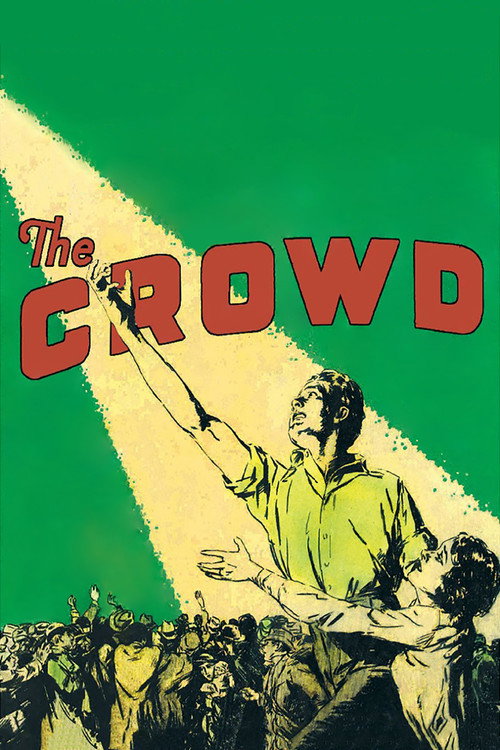
The Crowd1928
Vidor's portrait of ordinary urban American life is humane and funny. The depiction of marriage, work, and aspiration feels startlingly modern. A film about nothing that becomes everything.
But There's no obvious plot or villain, which can feel frustrating. The naturalistic acting takes adjustment if you're used to more theatrical silent performances.
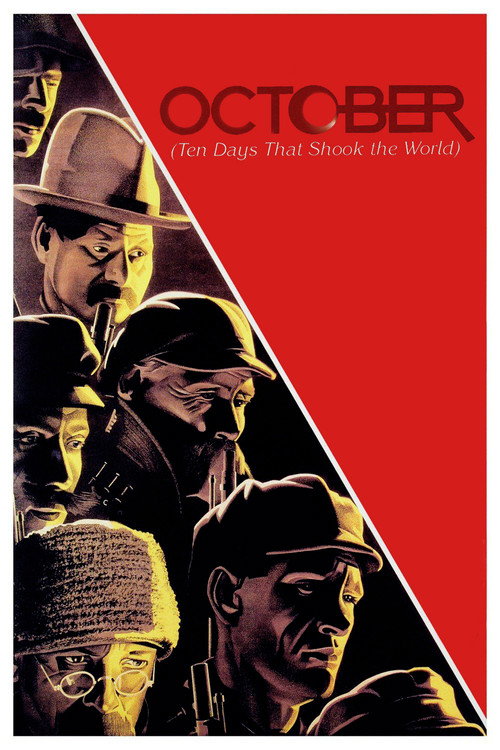
October (Ten Days that Shook the World)1928
Eisenstein's montage technique revolutionized editing itself. The Odessa Steps sequence alone justifies the film. A propagandistic work, yes, but one that fundamentally changed how cinema works.
But The political message is unambiguous and heavy. Soviet montage takes active work to parse; it's not passive viewing. The film's length can exhaust.
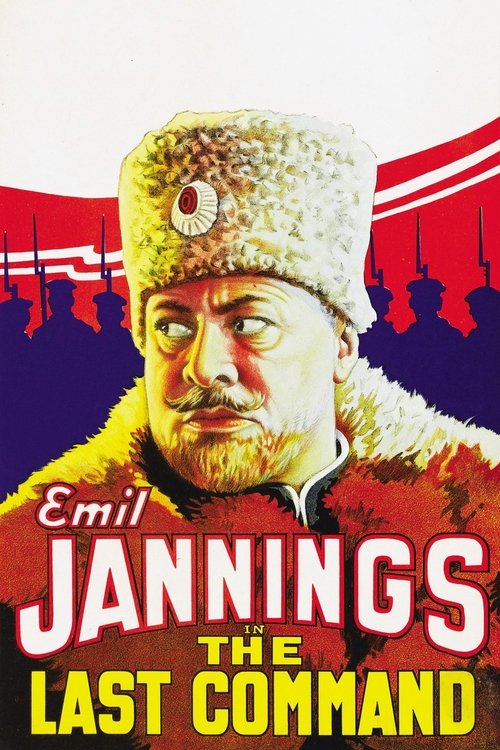
The Last Command1928
A Russian émigré plays an extra in Hollywood—a clever premise about exile and lost grandeur. Jannings is excellent; the direction is economical and touching. A film about how cinema dignifies and erases.
But The sentimentality of the finale won't land for everyone. The pacing drags in the middle section, and the restoration quality varies.
Pandora's Box1929
Both are 1929 British/European films about desire run to wreckage. The Wrecker crashes trains for money; Pandora's Box crashes lives through seduction. Both watch civilized worlds collapse when appetite takes the wheel.
Pabst's portrait of desire and moral corruption. Marlene Dietrich's performance redefined what acting could be on screen. The film moves like a thriller but thinks like tragedy. Sophisticated and dangerous.
But The misogyny is genuine and uncomfortable—Lulu is punished for desiring sex. The final act descends into melodrama. 1920s attitudes toward women are written into the film's DNA.

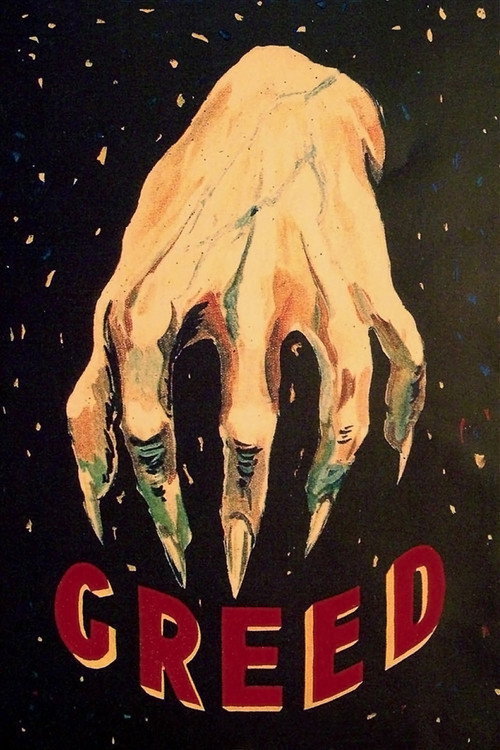
Greed1924
Both films were mutilated by studios: The Wrecker compressed from longer footage, Greed from Stroheim's original nine-hour vision. Both survived as compromised versions of grander ambitions. Both use spectacle—stunts, locations—to express moral collapse.
Stroheim's vision of American capitalism turned grotesque. Shot on location, with naturalistic violence and sexual explicitness shocking for the era. The film MGM cut down survives in fragments; even incomplete it's extraordinary.
But What survives is compromised—nine hours cut to four, then to two. The misogyny is unironic. The pacing can feel glacial, and Stroheim's style is aggressively anti-commercial.
People
Cast
 Carlyle BlackwellAmbrose Barney
 Benita HumeMary Shelton
- Joseph StrikerRoger Doyle
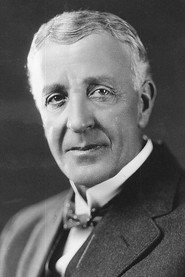 Winter HallSir Gerald Bartlett
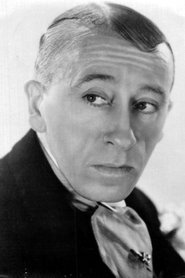 Gordon HarkerWilliam
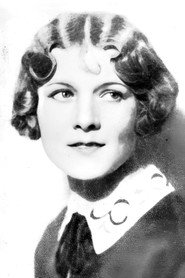 Pauline JohnsonBeryl Matchley
- Leonard ThompsonRameses Ratchett
Directing
- Géza von BolváryDirector
Writing
- Edgar WallaceNovel
- Angus MacPhailScreenplay
- Arnold RidleyWriter
- Benno VignyWriter
- Bernard MerivaleWriter
- Reginald BerkeleyWriter
Production
- Arnold PressburgerProducer
- Hermann FellnerProducer
- Josef SomloProducer