
Film
The Blood Ship
A 1927 silent drama of maritime brutality and revenge. A disgraced captain discovers his stolen ship and stolen wife aboard a vessel run by a sadistic tyrant. It's a compact thriller—67 minutes of raw conflict, class resentment, and claustrophobic tension on the high seas, rendered in the stark visual language of late silent cinema. For anyone drawn to early crime and revenge stories, or to the sea as moral proving ground.
If you liked this
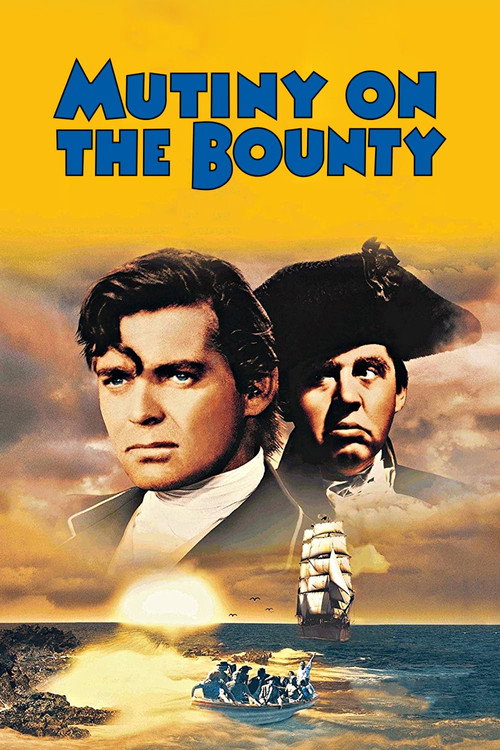
Mutiny on the Bounty1935
A classic naval mutiny story with Clark Gable and Charles Laughton, pitting humanity against tyranny aboard ship. Bigger budget and cast than *The Blood Ship*, same core engine of crew rebellion against an intolerable captain.
But Runs nearly three hours and has melodramatic stretches. The 1935 version can feel more theatrical than urgent in places.
In a Lonely Place1950
Humphrey Bogart as a man wronged, trying to survive in a world that despises him. Like *The Blood Ship*, it's about a decent person cornered by circumstance and the damage done by false accusation and theft.
But A psychological noir, not an action film. The violence is internal, which demands patience and attention to mood.

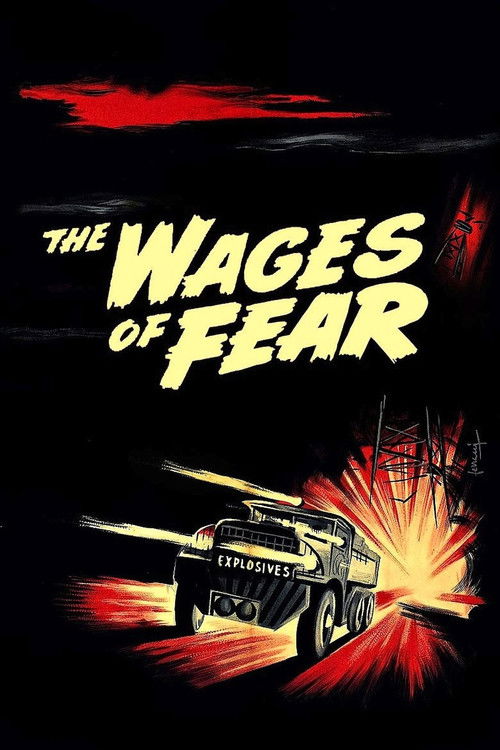
The Wages of Fear1953
Men trapped in desperate circumstances, forced to trust and betray each other under a brutal regime. Taut, sweating tension built from character and confinement rather than spectacle. Henri-Georges Clouzot at his finest.
But Deliberately paced and downbeat. Some viewers find it slow; others find it unbearable in the best way.
Not sure tonight? Get a pick in a minute, starting from The Blood Ship
The wildcard
Something you would not have found on your own.
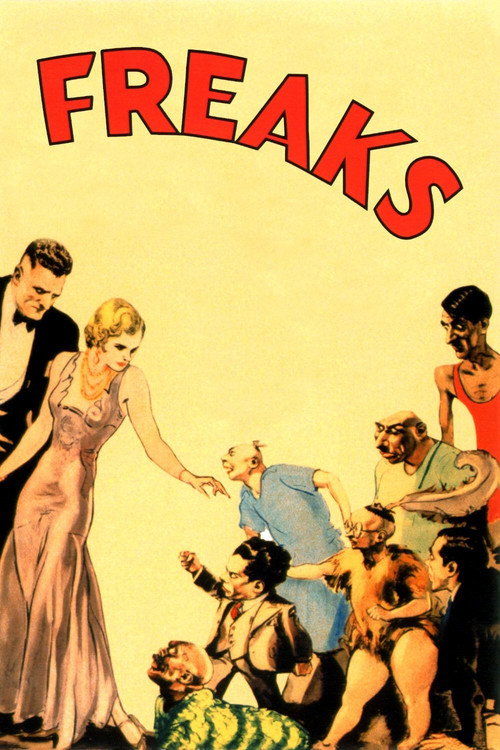
Freaks1932
Both films build moral weight around the revenge of the despised and enslaved. Both are about the moment when the cornered turn and fight back together.
Tod Browning's carnival sideshow as microcosm of cruelty and tribal justice. Like *The Blood Ship*, it asks hard questions about who deserves power and what happens when the powerless unite against exploitation. It is unforgettable and unlike anything else.
But It uses real people with disabilities as performers, which is deeply uncomfortable by modern standards. The subject matter is bleak, and the violence is shocking even now.
More like this (5)
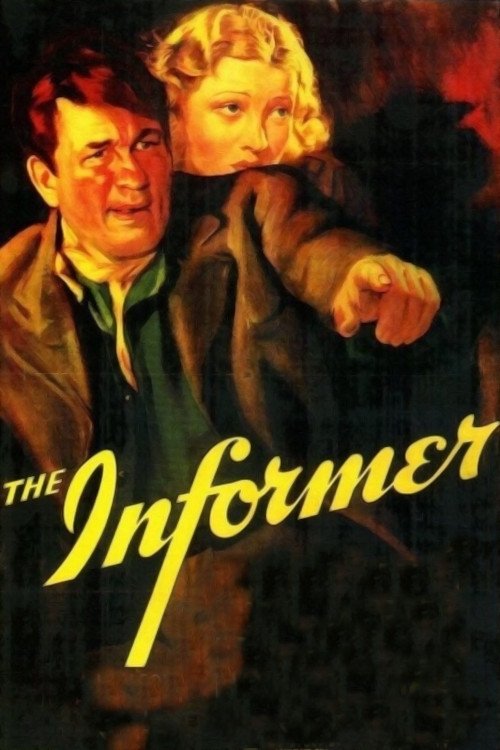
The Informer1935
Victor McLaglen in a John Ford film about betrayal, guilt, and redemption. Silent-era visual storytelling translated into sound, with the same expressionist shadow and moral weight as *The Blood Ship*.
But Melodramatic in ways that can feel dated. The score and performances are big; subtlety is not the goal.
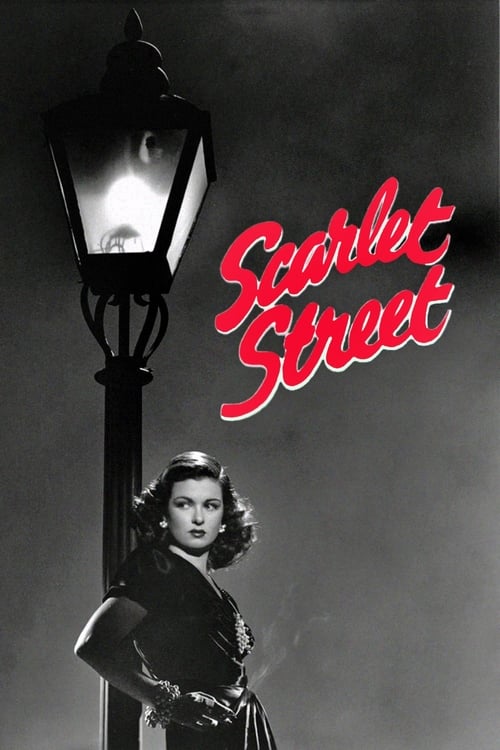
Scarlet Street1945
Fritz Lang's noir about a man victimized and destroyed by fate and the people around him. Like *The Blood Ship*, it traces how circumstance and cruelty can trap an ordinary person beyond escape.
But Bleak and cynical. There is no redemption here, only ruin. Not for those seeking uplift.
The Killing1956
Kubrick's lean noir about men trying to rise against the systems that own them. The ensemble of desperate sailors has echoes in *The Blood Ship*'s crew of shanghaied men forced into solidarity.
But Fractured narrative and a hard-boiled tone. It's modern and disorienting compared to straight melodrama.

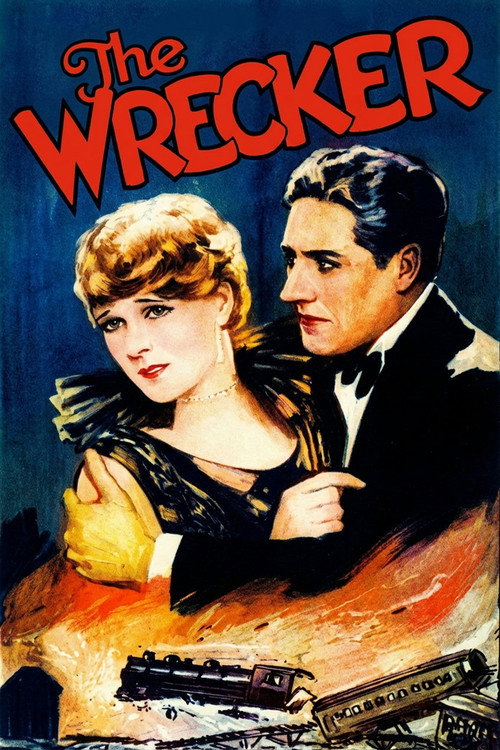
The Wrecker1929
A late-silent film about sabotage and shipwreck, with similar themes of deception and survival aboard ship. Rare and genuinely obscure, but a real period piece of maritime danger.
But Obscurity is obscurity for a reason. The plot is thin and the print quality can be rough. Not an essential watch.
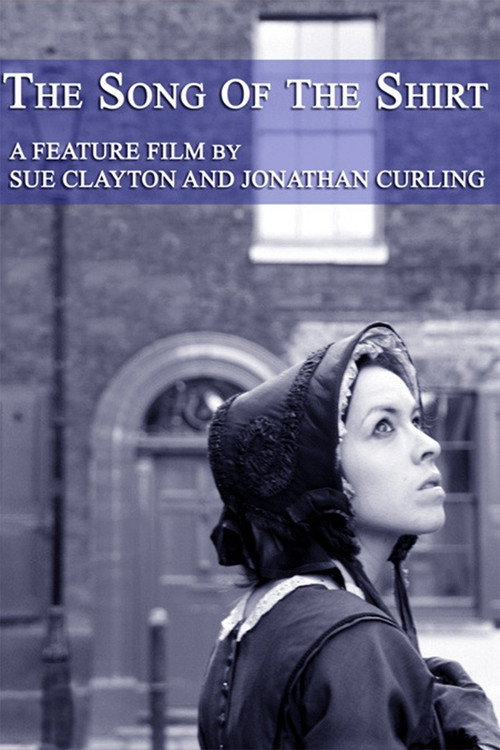
The Song of the Shirt1979
Same era as *The Blood Ship*, same concern with how power uses physical confinement and desperation to break people. One is narrative revenge, the other historical witness. Both are about the dignity of the exploited.
A British TV documentary about 19th-century seamstresses, exploitation, and labour organizing. It uses letters, images, and voices to tell a story of people trapped in brutal systems. Silent-era visual poetry meets working-class history.
But It is a documentary about labour conditions, not entertainment. Slow, archival, and deliberately unglamorous. Requires you to meet it halfway.
People
Cast
 Hobart BosworthJim Newman
 Jacqueline LoganMary Swope Newman
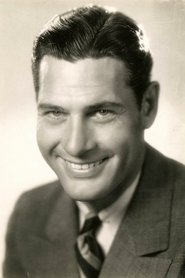 Richard ArlenJohn Shreve
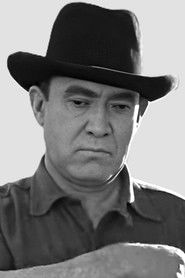 Walter JamesCapt. Angus Swope
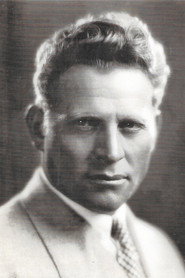 Fred KohlerFirst Mate Fitz
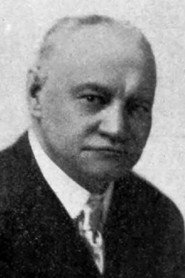 James Bradbury Sr.The Knitting Swede
 Arthur RankinNils
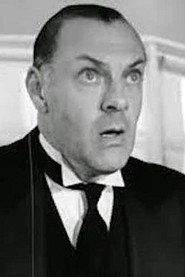 Syd CrossleyCockney Bouncer
- Frank HemphillSecond Mate
- Chappell DossettRev. Richard Deaken
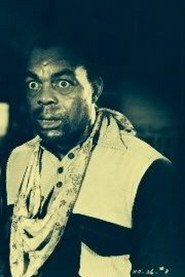 Blue WashingtonNegro
Directing
- George B. SeitzDirector
Writing
- Norman SpringerNovel
- Fred MytonWriter