
Film
24 Hours of a Woman's Life
A 1952 British melodrama about a worldly woman who impulsively intervenes in a stranger's self-destructive spiral, setting off a cascade of emotional and moral complications. It's introspective, elegant, and built on the tension between good intentions and the impossibility of saving someone who doesn't want saving. For viewers who prize character-driven tension over plot.
If you liked this
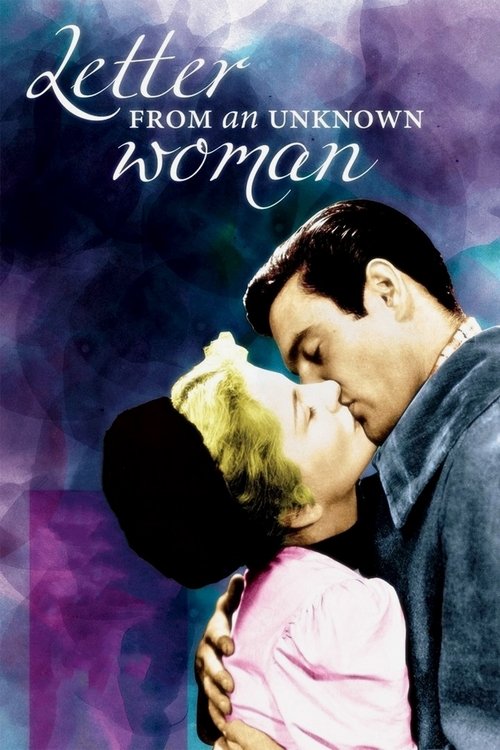
Letter from an Unknown Woman1948
A woman's decades-long devotion to a man, glimpsed in a letter as her life crumbles. Visually sumptuous, emotionally devastating, and structured around the gap between what we feel and what we can control.
But Melodrama of the highest order—if you find yourself resisting the emotional register, this will feel mannered rather than moving.
The Third Man1949
A man pursues the truth about someone he cares for through a corrupt, fractured Vienna. Every frame is composed like a painting; the moral ambiguity deepens with each revelation.
But The famous zither score divides people sharply. Some find it iconic; others find it aggressively quirky and dated.

Brief Encounter1945
Two strangers meet by chance and fall into an affair that will never be consummated. Noël Coward's script is witty and heartbreaking; the restraint is the whole point.
But Deeply English reserve—if you need passion expressed loudly, the quiet ache here may feel like nothing is happening.

Not sure tonight? Get a pick in a minute, starting from 24 Hours of a Woman's Life
The wildcard
Something you would not have found on your own.
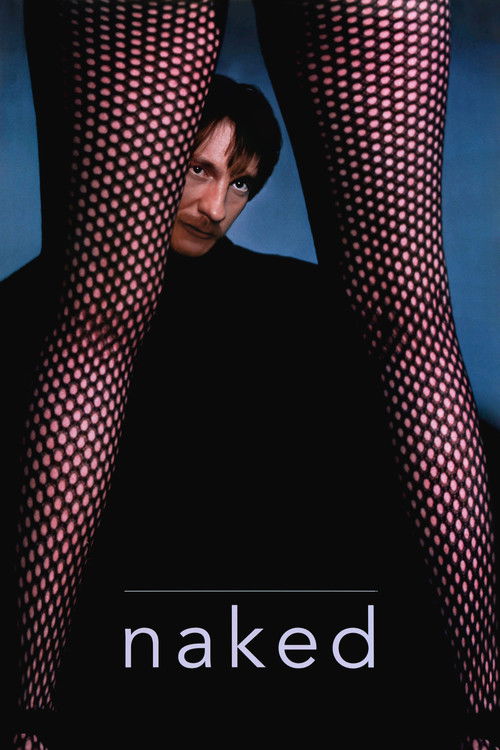
Naked1993
Both trap a morally uncertain protagonist inside moments of judgment—one's shot in cool elegance, one in brutal closeup, but both ask whether intervention is kindness or cruelty.
A man wakes in a council estate with no memory of how he got there and spends two nights arguing with strangers about meaning, sex, and God. Mike Leigh's savage comedy hides a meditation on how we wound each other.
But Structurally a series of confrontations, no release, relentlessly bleak. The misanthropy is the point, which doesn't make it any easier to endure.
More like this (6)
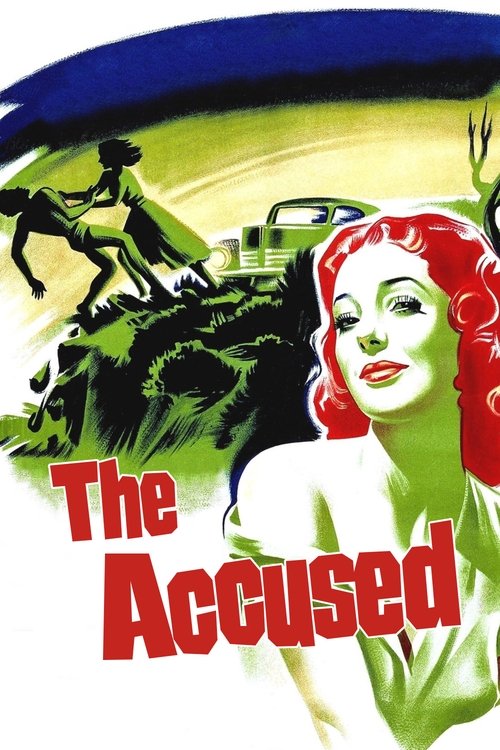
The Accused1949
A woman's reputation hangs on a single night of ambiguous events. The trial reconstructs her character piece by piece, asking what we really know about anyone.
But Courtroom procedural with a slow burn. If you want clear villains and swift justice, this equivocation will frustrate you.
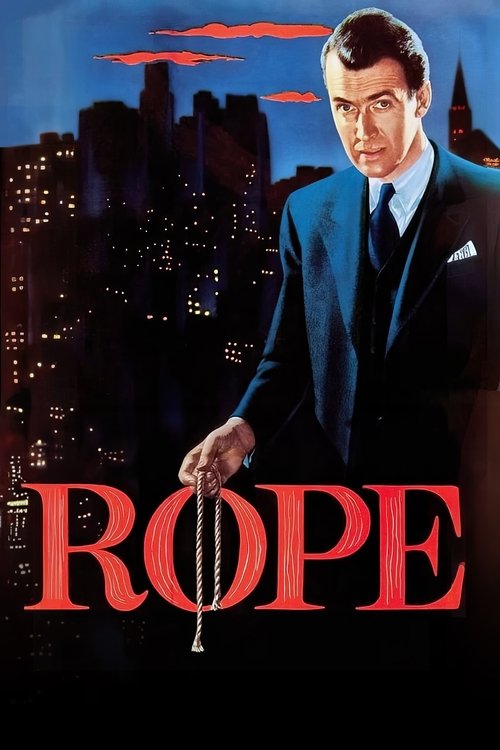
Rope1948
Two men commit a murder and host a dinner party above their victim's body, daring a guest to notice. Hitchcock's real-time pressure-cooker, morally and technically audacious.
But The single-take theatrical staging can feel airless. Its artifice is intentional, but that doesn't make it comfortable to sit with.
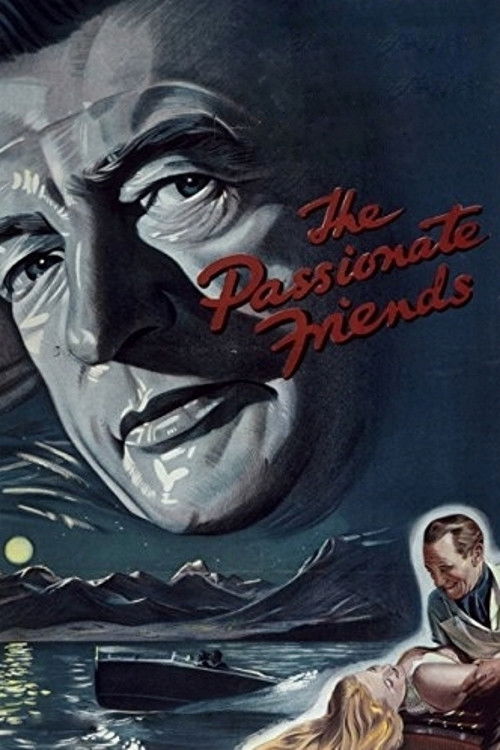
The Passionate Friends1949
A woman torn between her safe marriage and an old love who resurfaces. David Lean's command of emotion and landscape; the tragedy is that happiness isn't the only thing worth wanting.
But Post-war British restraint—feelings are expressed through glances and silences rather than declarations. Some will find that moving; others just slow.
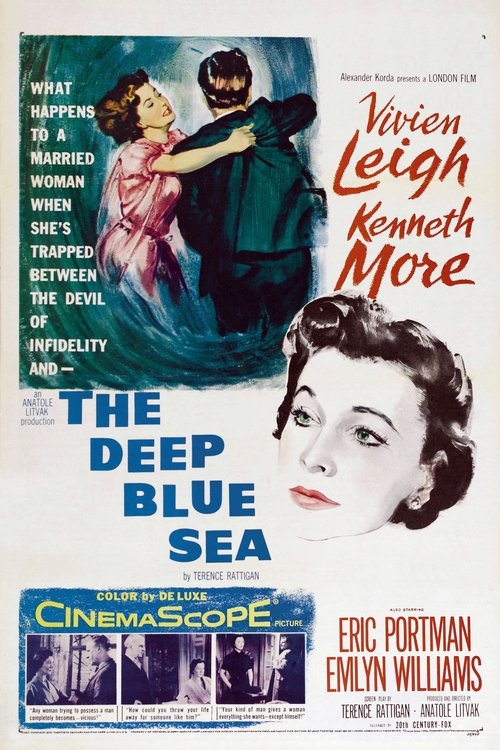
The Deep Blue Sea1955
A woman leaves her comfortable marriage for a man who doesn't quite love her back. The aftermath—raw, unglamorous, and achingly human—unfolds in a cramped boarding house.
But There is almost no plot. If you need external incident to carry you, watching someone grieve and think will feel like nothing.
A Place to Call Home2013
Both are intimate period dramas about outsiders who penetrate households that don't want them, and both understand that salvation is more complicated than a good heart.
An Australian soap opera with the scope and emotional intelligence of a genuine novel. A woman arrives at a grand house in 1954 and upends six generations of secrets. Addictive, gorgeously shot, and genuinely moving.
But It runs six seasons and does not hurry. If you can't commit to following dozens of characters through years of their lives, it will feel indulgent.

The Killing1956
Both hinge on a moment of impulsive intervention that sets tragedy in motion—one woman trying to save, one man trying to steal, each convinced they're in control.
Kubrick's debut: a heist film told in fragments, where a woman's greed and a man's fatalism converge. Formally radical for 1956, visually and narratively inventive, and genuinely tense.
But The non-linear structure was daring then and reads as restless now. If you prefer stories that move forward, the constant doubling-back will feel like affectation.

People
Cast
 Merle OberonLinda Venning
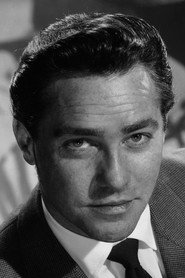 Richard Toddthe young man
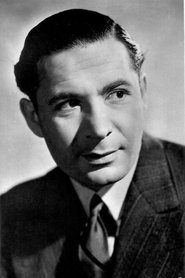 Leo GennRobert Sterling
 Stephen MurrayFather Andre Benoit
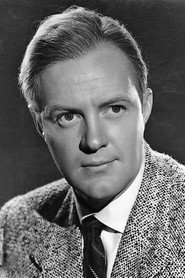 Peter ReynoldsPeter
 Joan DowlingMrs. Barry
 June ClydeMrs. Roche
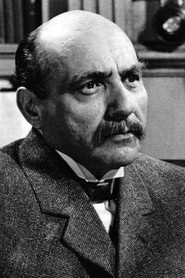 Peter IllingM. Blanc
 Jacques BruniusConcierge, Pension Lisa
 Isabel DeanMiss Johnson
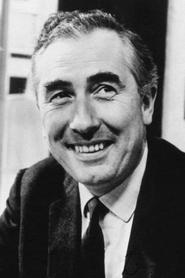 Peter JonesBill
 Yvonne FurneauxHenriette
Directing
- Victor SavilleDirector
Writing
- Stefan ZweigNovel
- Frederick GotfurtScenario Writer
- Warren Chetham-StrodeWriter
Production
- John RedwayCasting Director
- Ivan FoxwellProducer