
Film
The Miniver Story
A direct sequel to the beloved 1942 wartime drama, this 1950 film follows the Miniver family navigating post-war Britain's austerity and fractured relationships. It trades the unity of wartime for the messier reality of peacetime reconstruction. Greer Garson returns to a world where holding together matters as much as holding on. For those drawn to intimate British domestic drama and historical texture.
Should you watch it?
Watch it if you like postwar domestic drama where the real subject is a family's slow, awkward attempt to find its footing after a war, with small frictions carrying more weight than the big events.
Skip it if you want the sweeping wartime spectacle of the original Mrs. Miniver, since this sequel trades the bombing and courage for kitchen-table quarrels and the grind of rationing.
What it asks of you: It runs about 104 minutes at an unhurried pace, staying close to the family's rooms and conversations, so it wants patience more than urgency and a willingness to sit with ordinary unease.
Not sure? Find tonight's pick in a minute.
If you liked this
The Best Years of Our Lives1946
The definitive postwar American drama about ordinary people adjusting to peace. Follows three servicemen returning home with bruising honesty about displacement, disability, and marriage strain. Emotionally devastating and deeply humane.
But At nearly three and a half hours, it moves slowly by modern standards. The black-and-white cinematography and deliberate pacing ask patience.

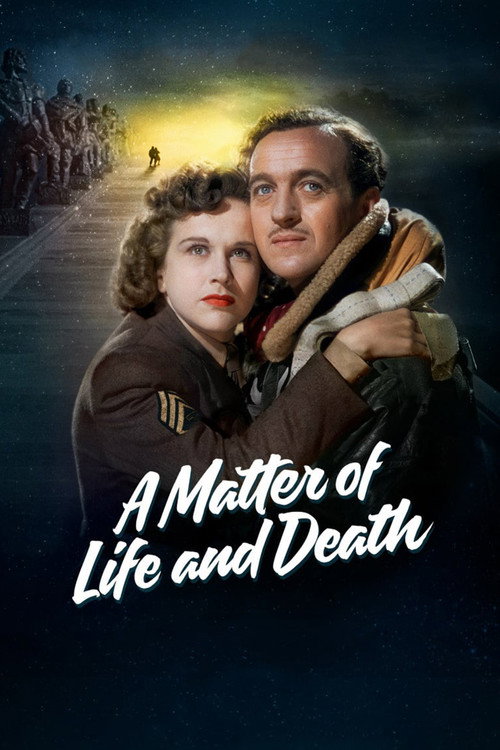
A Matter of Life and Death1946
A British fantasy about a RAF pilot between life and death, wrestling with love, duty, and belonging. Visually stunning Technicolor oddity that captures postwar British uncertainty with imagination and deep feeling.
But The metaphysical framing device feels deliberately strange. If you want realism, the film's dreamlike register will feel at odds.
Brief Encounter1945
Noël Coward's exquisite portrait of two married strangers stealing moments of connection in wartime Britain. Tender, restrained, utterly alive. A masterclass in unspoken emotion and the weight of propriety.
But The restraint might read as passivity. It's a film about what people don't say, which requires you to listen for silence.

Not sure tonight? Get a pick in a minute, starting from The Miniver Story
The wildcard
Something you would not have found on your own.
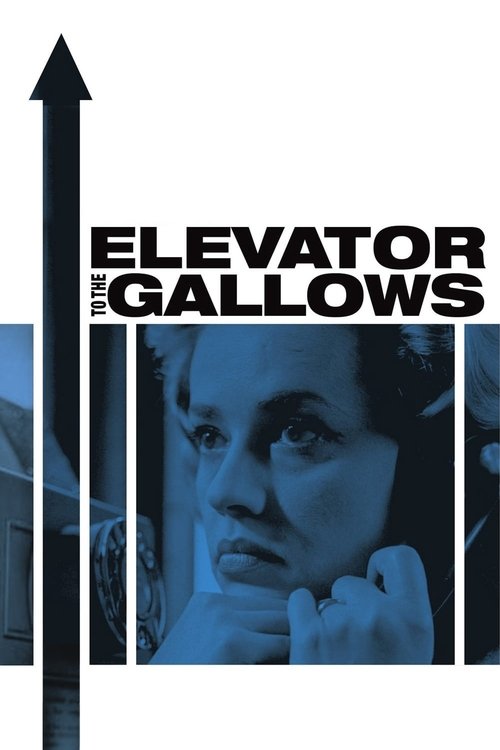
Elevator to the Gallows1958
Both are postwar films about the gap between intention and consequence, where ordinary people discover that returning to normal isn't possible.
Louis Malle's noir about a man trapped in an office building after committing what he thinks is the perfect crime—while his car, mistakenly stolen, implicates him in a random murder. Miles Cormier's score is a character itself. Tense, intelligent, French cool.
But The logic hinges on coincidence and chance. It's in French with subtitles. Some find it too cerebral to engage emotionally.
More like this (8)
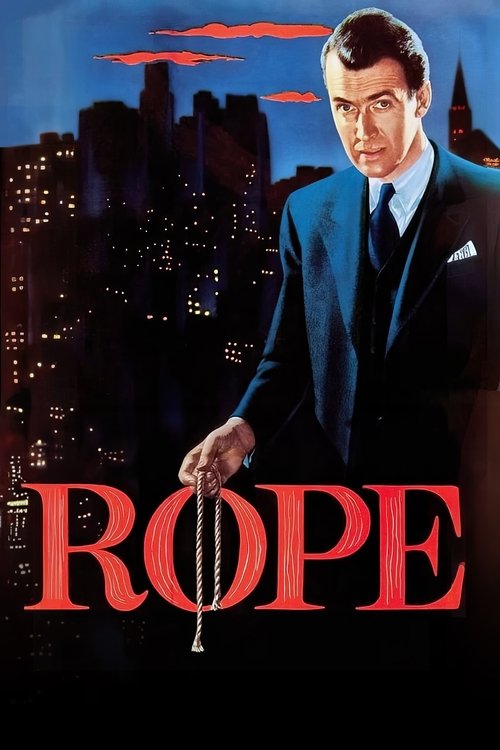
Rope1948
Hitchcock's chamber piece about two men concealing murder from their dinner guests. Bracketed by wartime references, it probes the fractures in civility and assumed superiority with escalating dread.
But Happens in real time across a single room. Claustrophobic direction and staginess aren't for everyone. The philosophy can feel ponderous.
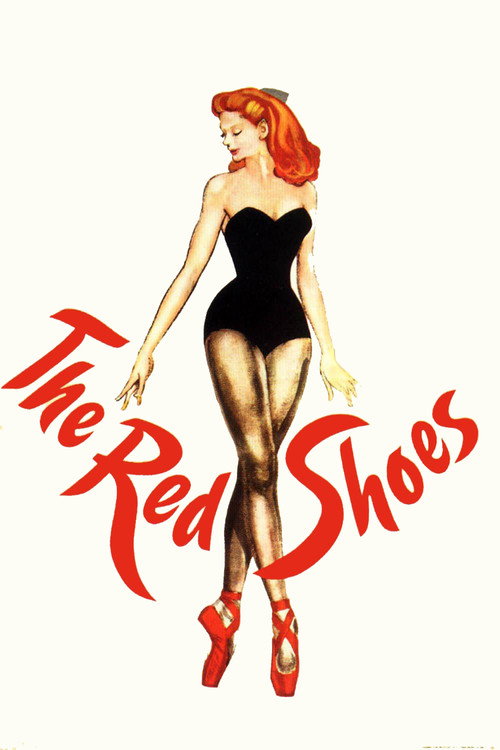
The Red Shoes1948
Powell and Pressburger's ravishing ballet melodrama about artistic obsession and impossible choices. Stunning colour cinematography and a heroine choosing between art and love with tragic consequences.
But The ballet sequences are lengthy. If you're uncomfortable with opera-house intensity and romantic doom, it's almost suffocatingly lush.
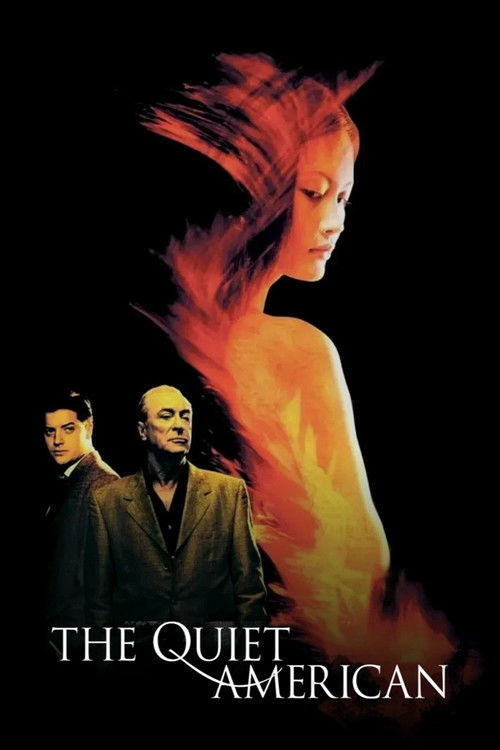
The Quiet American2002
Michael Caine in a quiet, complex study of American and British disillusionment in colonial Indochina. Explores the gap between innocence and complicity, naivety and responsibility.
But The political undertones are deliberate and sometimes heavy-handed. The pacing is contemplative rather than propulsive.
Kes1970
Ken Loach's gritty British realism about a working-class boy and his hawk. Raw, unsentimental yet deeply moving portrait of a life constrained by circumstance. Authentically English and achingly human.
But The dialect is thick. The world depicted is grimy and often brutal. There's no uplift or easy resolution.

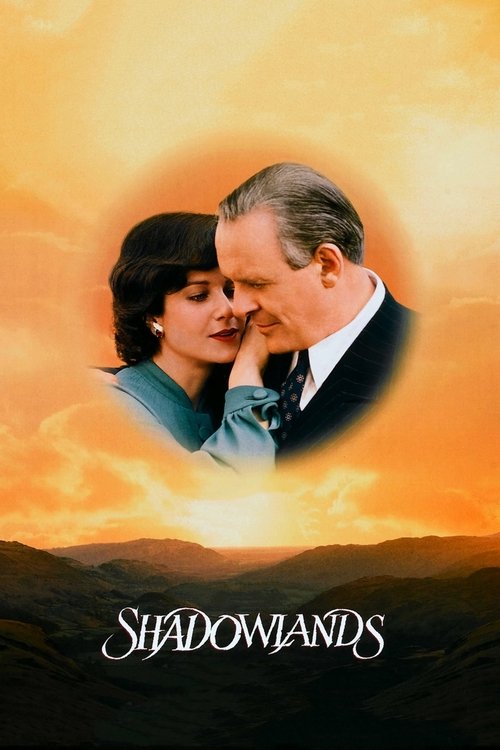
Shadowlands1993
Anthony Hopkins and Debra Winger in an achingly tender love story between C.S. Lewis and an American writer. Explores grief, faith, and the price of opening your heart late in life.
But It's emotionally demanding and occasionally feels slightly theatrical. The melancholy is pervasive.
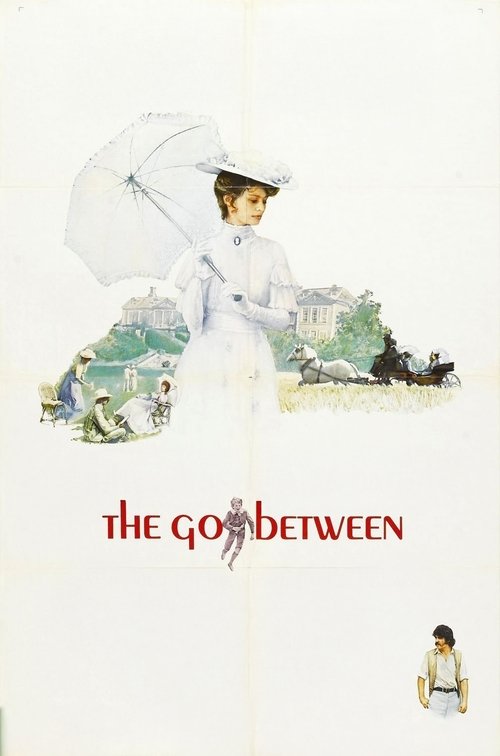
The Go-Between1971
Joseph Losey's haunting memory piece about class, desire, and childhood innocence. A boy becomes messenger between lovers across social divides. Gorgeously shot, morally complex.
But Very deliberate and painterly. The narrative is fractured across time. Some find it cold despite its emotional core.
The Killing1956
Like *The Miniver Story*, it concerns ordinary lives destabilized by circumstance and the failure of plans to survive contact with reality. Both use ensemble family dynamics to explore how people fracture under pressure.
Kubrick's debut: a crime caper told in fractured chronology about racetrack robbery and its small-town American aftermath. Lean, economical, funny and brutal. A master class in structure and inevitability.
But Jumps around in time deliberately—some find it confusing on first viewing. The fatalism is complete.

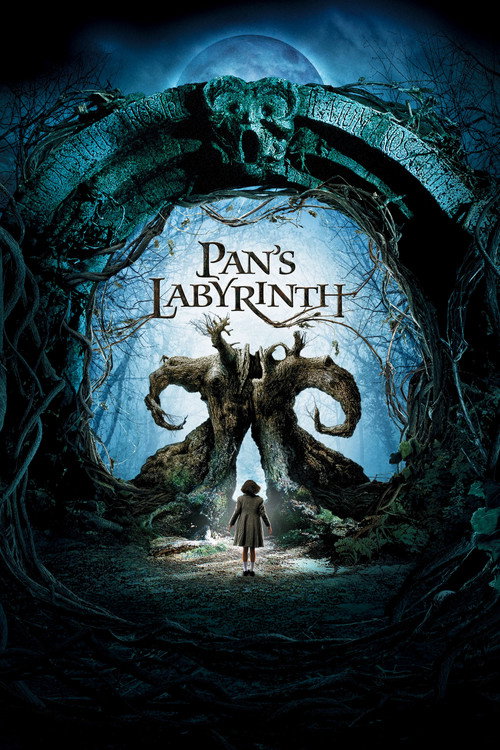
Pan's Labyrinth2006
Both grapple with the spiritual devastation of the postwar period—not trauma, but the peculiar numbness of living after catastrophe. Both suggest that ordinary domestic life cannot contain what's been broken.
Guillermo del Toro's Spanish fantasy about a girl in Franco's postwar Spain, caught between brutalist fascism and a gateway to a magical realm. Visually ravishing, morally uncompromising, quietly devastating about what happens to the young in the aftermath of war.
But It's a horror-fantasy, and the real violence is fiercer than any magic. Not a children's film despite its fairy-tale framing. In Spanish with subtitles.
People
Cast
 Greer GarsonKay Miniver
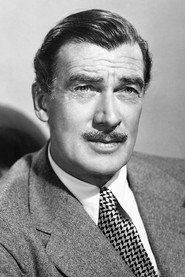 Walter PidgeonClem Miniver
 John HodiakSpike Romway
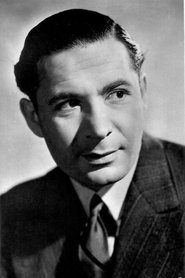 Leo GennSteve Brunswick
 Cathy O'DonnellJudy Miniver
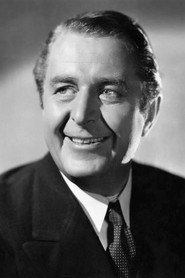 Reginald OwenMr. Foley
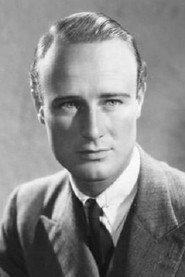 Anthony BushellDr. Kaneslaey
- Richard GaleTom Foley
 Peter FinchPolish officer
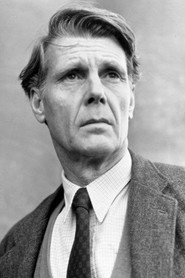 James FoxToby Miniver
- Cicely Paget-BowmanMrs. Kanesley
- Ann WiltonJeanette
Directing
- H. C. PotterDirector
Writing
- Jan StrutherCharacters
- George FroeschelWriter
- Ronald MillarWriter
Production
- Irene HowardCasting
- Sidney FranklinProducer