
Film
Best Foot Forward
- Comedy
- Light-hearted
A 1943 wartime musical comedy where a military cadet invites movie star Lucille Ball to his academy dance, causing romantic chaos when his real girlfriend arrives. It's fizzy, earnest, and designed purely for charm—a glimpse of how Hollywood packaged escapism during WWII, with Ball doing what she does best: stealing every scene with infectious energy.
Should you watch it?
Watch it if you enjoy wartime-era musicals where a star playing herself gets pulled into a sweet, slightly chaotic romance, and you like brisk songs that feel like a stage show squeezed onto a soundstage.
Skip it if you want a tight modern plot or real emotional stakes; the story is thin, the boy-meets-girl wheel turns predictably, and the musical numbers can feel like pauses between jokes.
What it asks of you: It runs about an hour and a half and moves at a bouncy clip, asking you to take its cheerful, old-fashioned silliness at face value rather than hunt for depth.
Not sure? Find tonight's pick in a minute.
If you liked this
Singin' in the Rain1952
The gold standard of Hollywood musicals: three leads with genuine chemistry, dance sequences that redefine what's possible on film, and a story that never gets in the way of joy. Pure moviemaking.
But If you find the cheerfulness exhausting or prefer musicals with dramatic weight, the relentless brightness can feel thin.

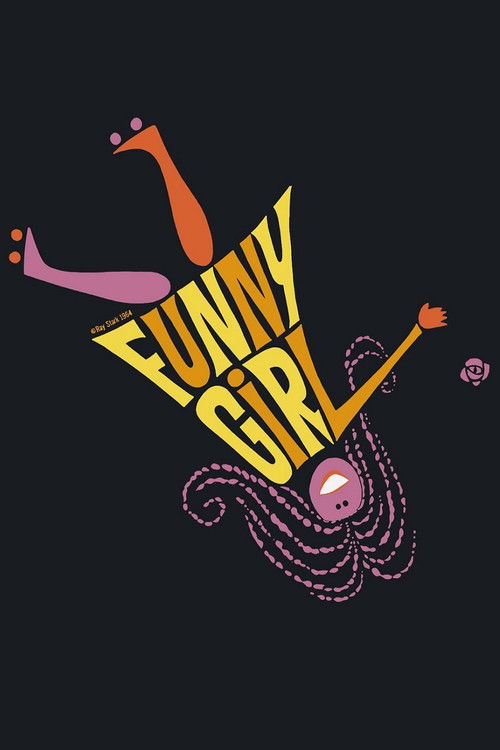
Funny Girl1968
Barbra Streisand as Fanny Brice carries this backstage musical with a voice and presence that justifies every second. The second half deepens into real emotion without losing the show's momentum.
But The first half is heavy on spectacle and light on story. Some find the pacing uneven and Streisand's character arc frustrating.
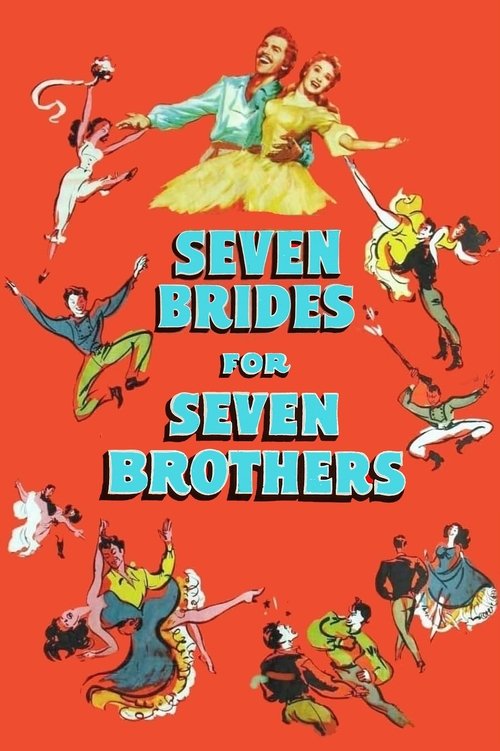
Seven Brides for Seven Brothers1954
A musical that swings between scrappy charm and genuinely inventive choreography. The barn-raising dance sequence alone is worth the price of admission, and it's funny without winking at the camera.
But The gender politics are very 1954, and the attempted abduction subplot lands oddly to modern ears no matter how the film frames it.
Not sure tonight? Get a pick in a minute, starting from Best Foot Forward
The wildcard
Something you would not have found on your own.
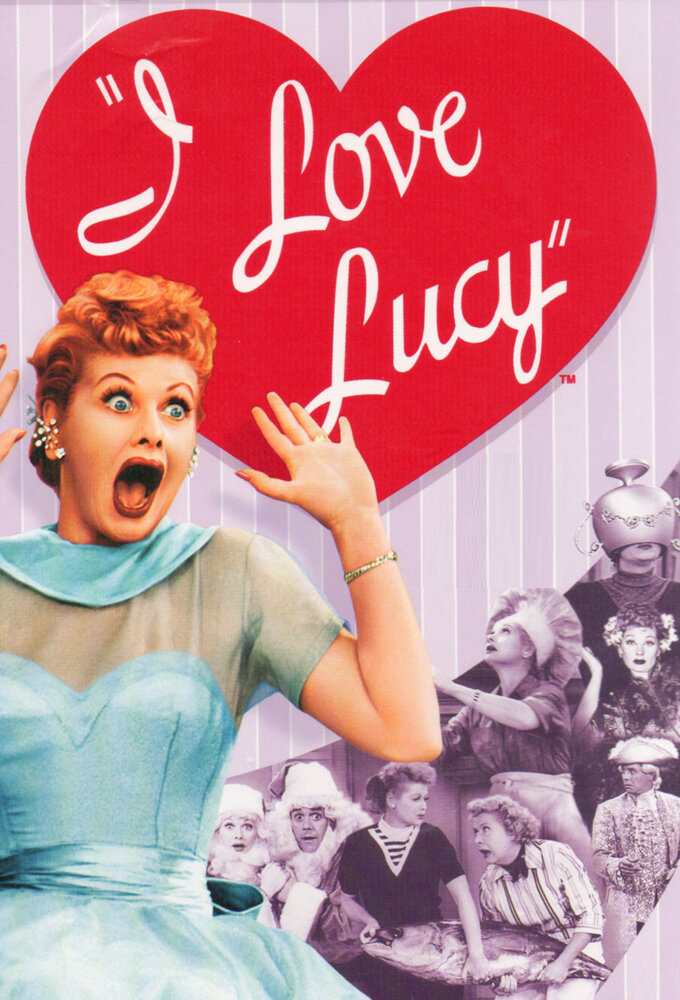
I Love Lucy1951
Ball as performer and muse: from supporting player in a studio musical to the creative force behind her own medium. This is what happened next.
Lucille Ball reinvents herself on television with Desi Arnaz, creating something entirely new: sitcom architecture that still holds. You watch Best Foot Forward and see her potential; you watch I Love Lucy and see what she actually became.
But The early episodes are in black-and-white and shot on videotape, which some find flat. The repetition of domestic conflict can feel thin after a few episodes.
More like this (8)
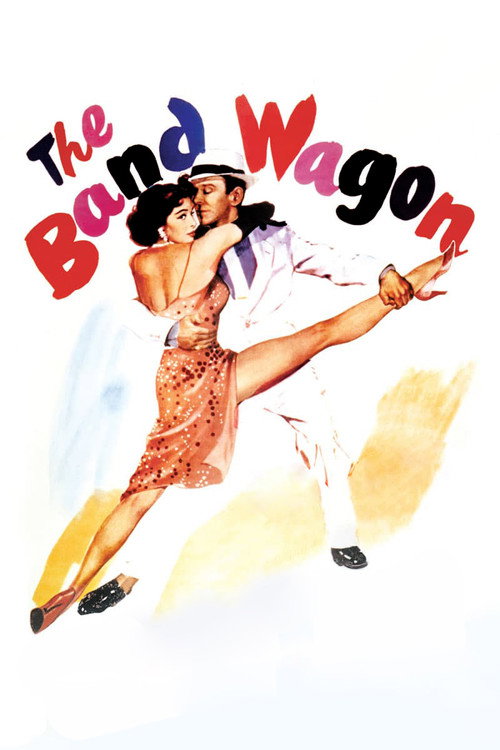
The Band Wagon1953
Fred Astaire and Cyd Charisse in a love letter to Broadway itself. Elegant, witty, and built around some of the finest dance on film. Every number justifies itself.
But The plot is gossamer-thin and the film is very much of its moment—if you don't engage with its worldview of artistic aspiration, it can feel slight.
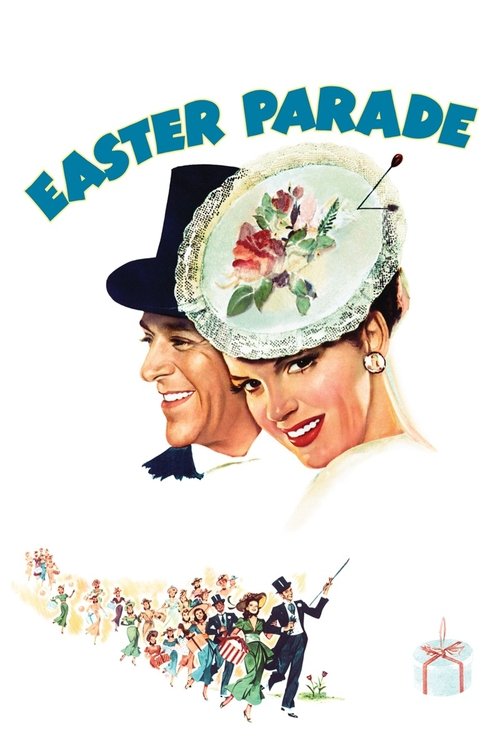
Easter Parade1948
Fred Astaire and Judy Garland glide through Irving Berlin's standards with a kind of effortless glamour. The film knows what it is and does it perfectly: two stars, good songs, dancing, done.
But There's almost no plot to speak of, and the film's entire purpose is to show you famous people being charming. That's either enough or it isn't.
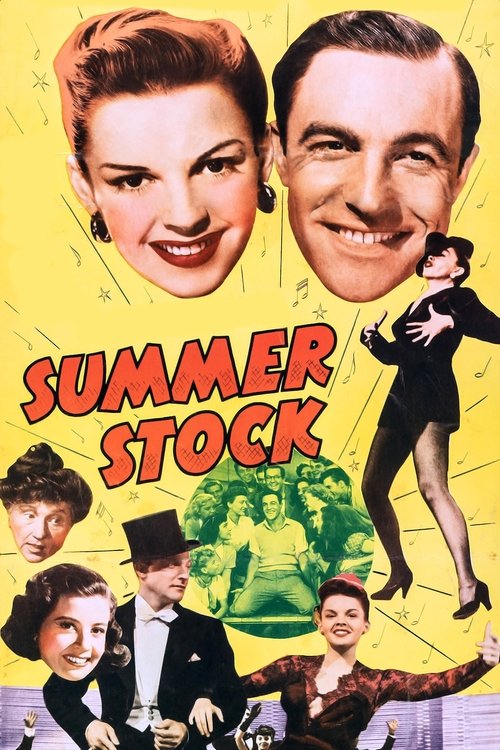
Summer Stock1950
Judy Garland and Gene Kelly running a theater together, with the chemistry to make you believe they're having as much fun as you are. The finale is genuinely moving in a way musicals rarely attempt.
But The film's second half deflates after a powerful midpoint, and some of Garland's later scenes feel reshuffled or incomplete—which they were.
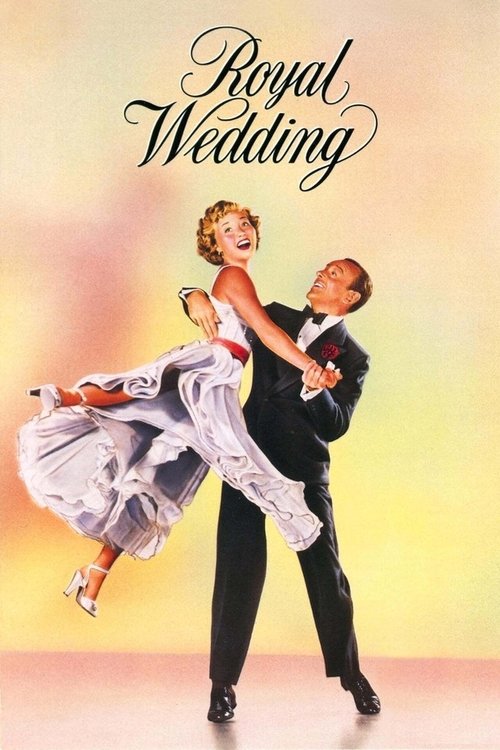
Royal Wedding1951
Fred Astaire in London for a royal wedding, dancing with remarkable inventiveness including the famous ceiling-and-walls sequence. It's lighthearted and visually surprising in ways that stuck with cinema.
But The plot is negligible and the supporting romance is genuinely dull. You're watching this for Astaire's choreography, not for narrative drive.
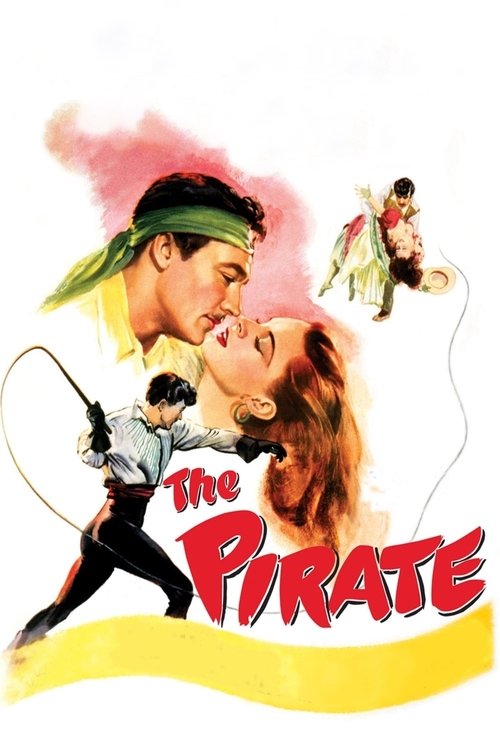
The Pirate1948
Gene Kelly and Judy Garland in a Vincente Minnelli fever dream of a musical—colorful, theatrical, tropically weird. It swings for the fences and lands most of its swings.
But The tone is bizarre and inconsistent; it's either exactly your jam or it feels like watching someone else's very specific fantasy.
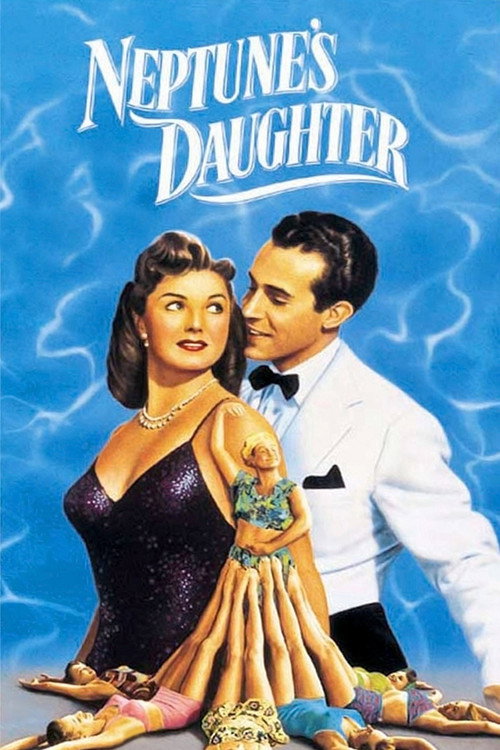
Neptune's Daughter1949
Esther Williams swimming in increasingly elaborate sequences, with a solid supporting cast and the kind of uncomplicated charm that wartime musicals perfected. It knows exactly what it is.
But The swimming spectacles eventually overwhelm narrative interest, and the film's gender dynamics feel very dated.
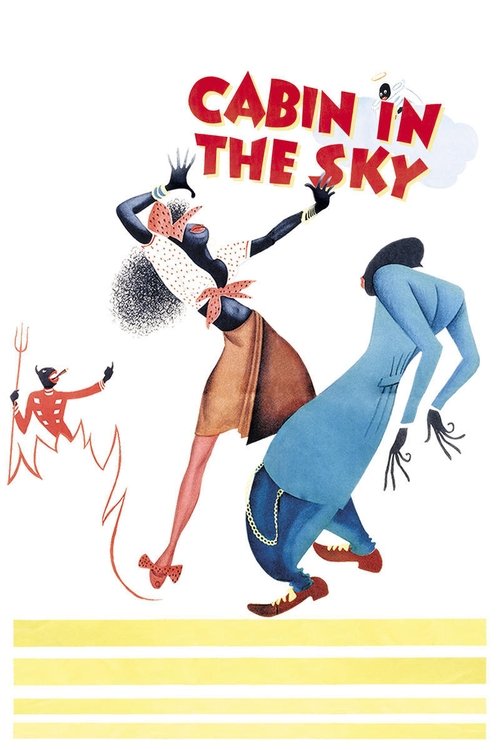
Cabin in the Sky1943
Wartime Hollywood in 1943: two musicals, two studios, two completely different answers to what a musical could be. This one had real stakes.
Released the same year as Best Foot Forward, this all-Black musical is simultaneously dreamier and more grounded, with Ethel Waters and Lena Horne giving performances of real vocal and emotional depth. Gorgeous and strange.
But The script's theological framework is dated and can feel condescending. Some scenes haven't aged well, and the film's messages about morality land awkwardly.
Battleship Potemkin1925
Best Foot Forward is escapism built on studio machinery; Potemkin is art built on editing. Both films understand that cinema is not theater—that it has its own language. One shows you how to disappear into entertainment, the other how to see the machinery making meaning.
Sergei Eisenstein's revolutionary silent film about a mutiny uses editing and composition to create emotion in ways that feel startling even now. It's the blueprint for how cinema builds meaning through pure form.
But It's silent, from 1925, and aggressively political. If you need dialogue and plot, or if Soviet cinema seems intimidating, this will feel difficult.

People
Cast
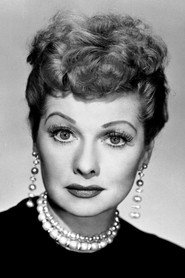 Lucille BallLucille Ball
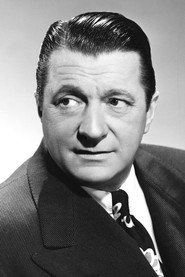 William GaxtonJack O'Riley
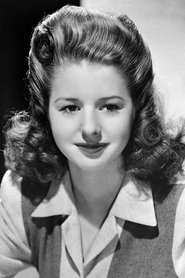 Virginia WeidlerHelen Schlesinger
- Tommy DixElwood C. "Bud" Hooper
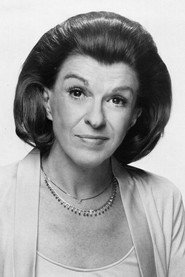 Nancy WalkerNancy - Blind Date
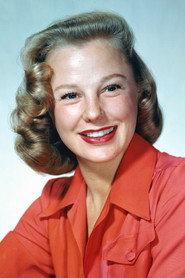 June AllysonEthel
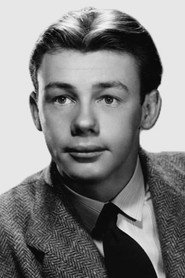 Kenny BowersDutch Miller
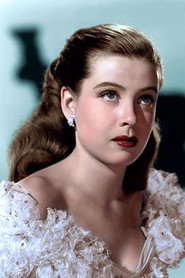 Gloria DeHavenMinerva Fierce
- Jack JordanHarvey "Hunk" Hoyt
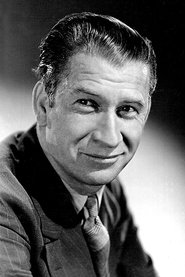 Chill WillsChester Short
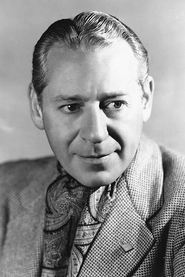 Henry O'NeillMaj. Roger W. Reeber
 Sara HadenMiss Talbert
Directing
- Edward BuzzellDirector
Writing
- John Cecil HolmNovel
- Fred F. FinklehoffeScreenplay
- Irving BrecherScreenplay
Production
- Arthur FreedProducer