
Film
Excuse My Dust
- Comedy
- Light-hearted
A charming 1951 musical comedy where Red Skelton plays a small-town inventor battling skepticism to prove his horseless carriage works. It's light, optimistic stuff—the kind of film that believes in progress and true love with equal sincerity. Perfect if you want something that doesn't ask much of you except to smile at pratfalls and hum along.
If you liked this
Singin' in the Rain1952
A masterpiece of joyful filmmaking where Gene Kelly and Donald O'Connor move through a love story with such infectious energy you'll forget to be cynical. The dancing is reason enough alone.
But If you find mid-century Hollywood sentimentality cloying, this will test your patience. It's unironic about happiness.

It Happened One Night1934
A screwball romance with real wit and chemistry between Clark Gable and Claudette Colbert. It moves like a song—snappy, surprising, fundamentally kind to everyone in it.
But The pace and wordplay reward close attention. If you're tired, it might feel slight rather than clever.

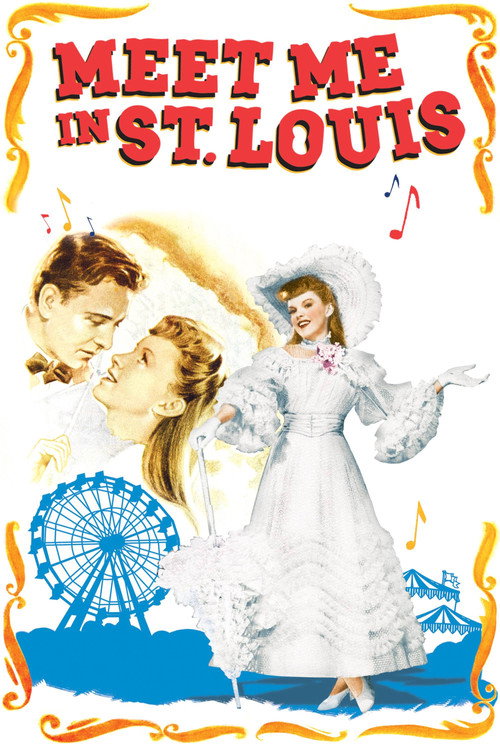
Meet Me in St. Louis1944
Judy Garland carries this hymn to American small-town life through seasons and romantic mishaps. Deeply felt without ever becoming heavy. The musical numbers are genuine storytelling.
But The nostalgia can feel suffocating if you're not in the mood for technicolor Americana. It's long and patient.
Not sure tonight? Get a pick in a minute, starting from Excuse My Dust
The wildcard
Something you would not have found on your own.
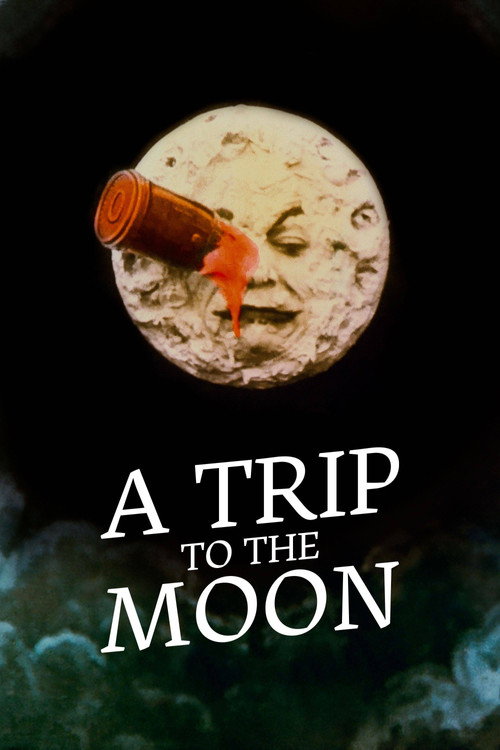
A Trip to the Moon1902
Both films celebrate the inventor as visionary against a skeptical world. Both trust that imagination and optimism can reshape reality.
Georges Méliès' 1902 masterpiece shows you where cinema learned to dream. A small-town inventor's fantasia about space travel, made before rockets existed. It's invention as pure imagination, in thirteen minutes of magic.
But It's silent, hand-colored, and moves at 19th-century pace. If you need plot or dialogue, you'll find it slight.
More like this (8)
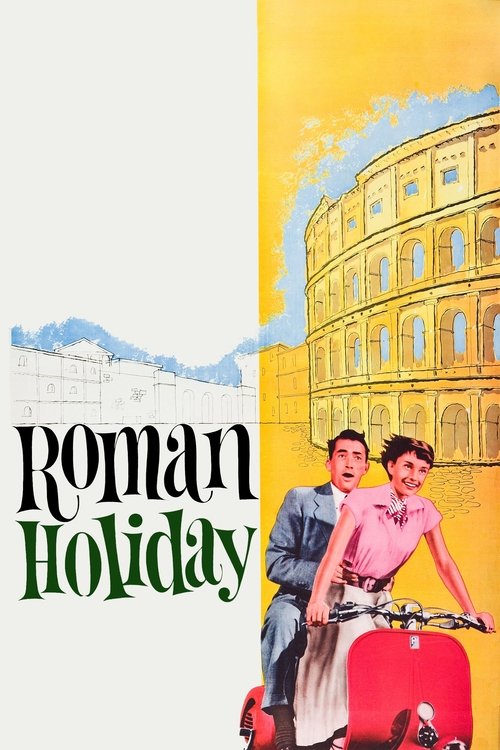
Roman Holiday1953
Audrey Hepburn and Gregory Peck in a romance that's genuinely sweet without being saccharine. The city of Rome is as much a character as the leads, and the whole thing floats on charm.
But The ending asks you to accept sacrifice as beautiful. If you want your couples to ride off together, you'll be disappointed.
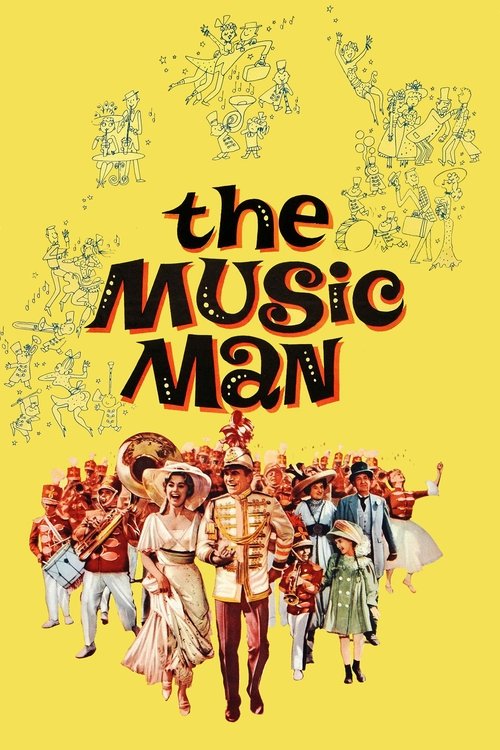
The Music Man1962
Robert Preston as a con man who accidentally improves a small town. It's a musical that understands Americana, small-town optimism, and the power of a good song without winking at the audience.
But It's long, theatrical, and deeply committed to wholesome values. Modern irony has no place here.
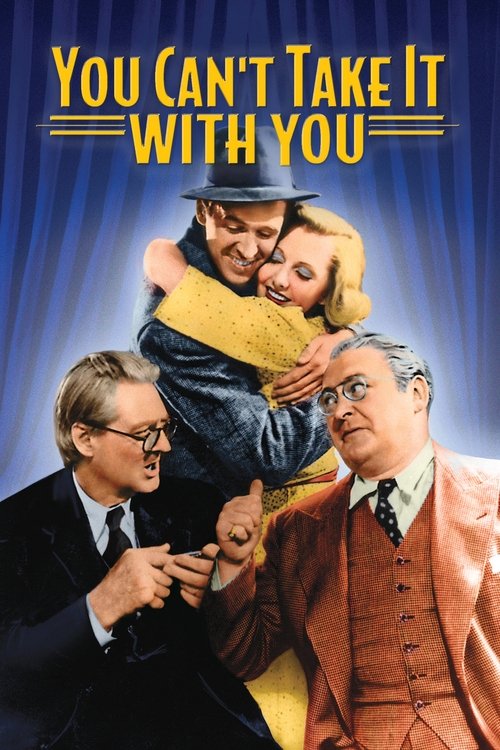
You Can't Take It with You1938
Frank Capra's greatest film: chaos and eccentric love winning over snobbish conformity. It's funny, genuinely moving, and contains multitudes of character and joy.
But The screwball pace takes work to follow. The Depression-era politics will feel quaint or, depending on your view, naïve.
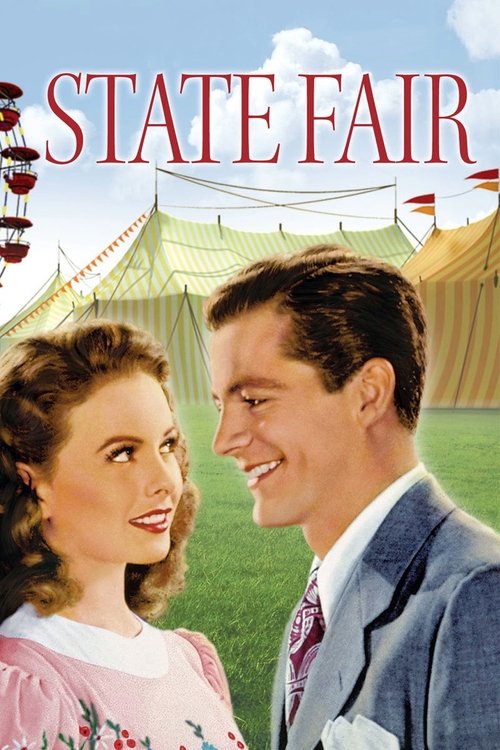
State Fair1945
A modest musical about a farm family at the fair. Rodgers and Hammerstein wrote the songs, which are gorgeous. It's unpretentious and warm—the definition of an evening well spent.
But The plot is thin and the sentiment runs very deep. If you need momentum or irony, you're in the wrong movie.
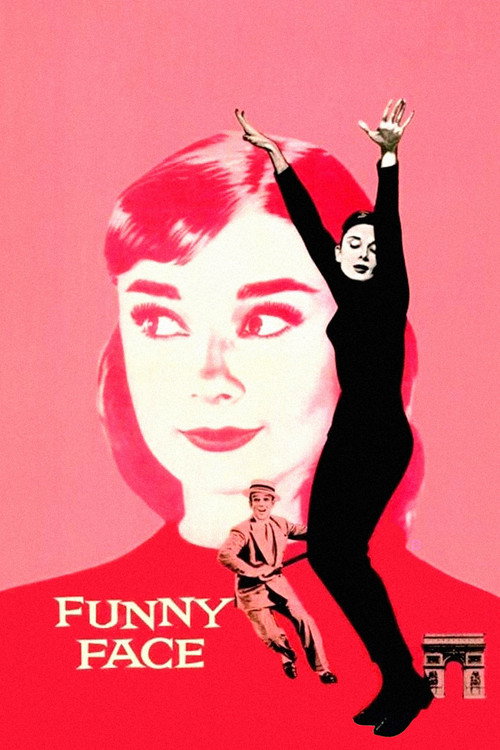
Funny Face1957
Audrey Hepburn and Fred Astaire in Paris, dancing and falling in love. The dancing is transcendent and the film knows how to make fashion and art feel glamorous without contempt.
But The premise—a photographer falling for his model—doesn't age well. The gender dynamics will frustrate some viewers.
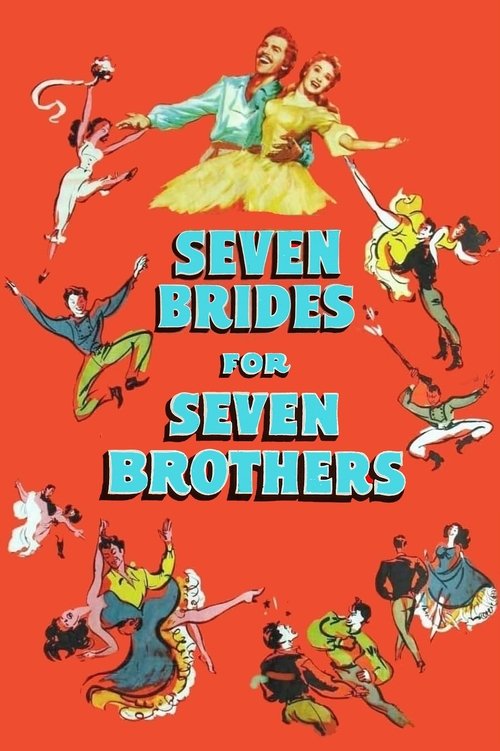
Seven Brides for Seven Brothers1954
A musical with genuinely inventive choreography and a surprisingly sturdy story. The barn-raising sequence is justly famous. It's exuberant in a way few things are.
But The depiction of courtship is aggressively old-fashioned. The women's agency is limited, and the tone can feel uncomfortable now.
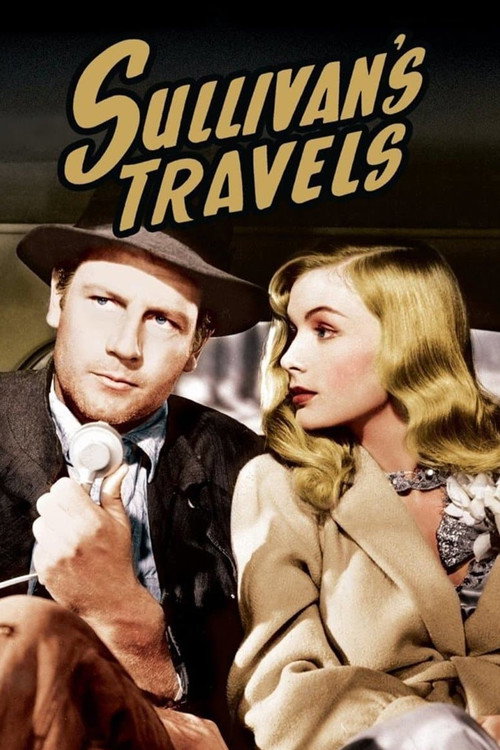
Sullivan's Travels1941
Both films ask what ordinary Americans believe in and whether progress (personal or mechanical) is worth the cost. Both love small towns and the people in them.
Preston Sturges' film about a Hollywood director who leaves luxury to understand American life. It's comedy and heartbreak at once—funny, moving, and about why laughter matters. Astonishing filmmaking.
But It's cynical about Hollywood and grief runs through it. The tonal shifts from comedy to darkness are jarring if you're not prepared.
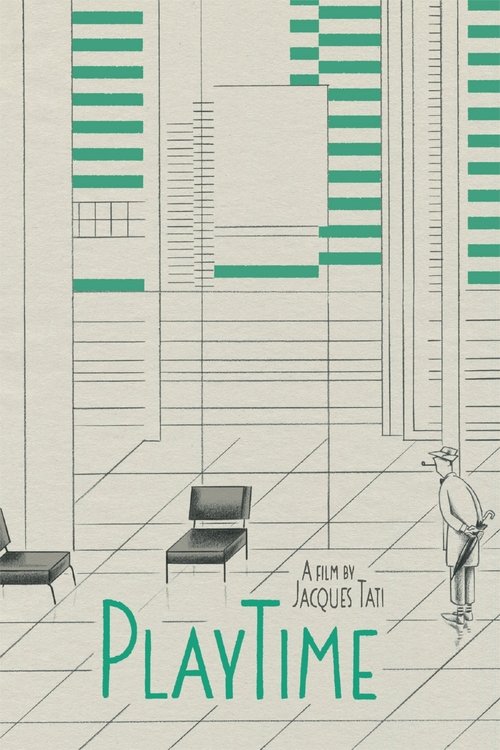
PlayTime1967
Both films are about the comedy of machines—what happens when they work, when they don't, and what it says about us. Both trust the audience to find the joke without being told.
Jacques Tati's masterpiece: a comedy made of pure geometric shapes, modern Paris, and the collision between human beings and the machines we build. Endlessly rewatchable, designed to find new jokes on each viewing.
But It's nearly three hours, dialogue-light, and demands active watching. The humor is visual and architectural, not punchy. Patience is mandatory.
People
Cast
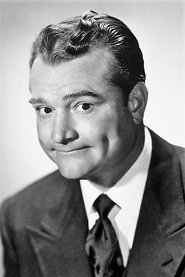 Red SkeltonJoe Belden
 Sally ForrestLiz Bullitt
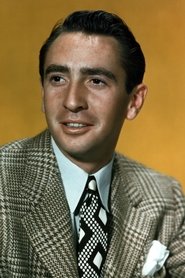 Macdonald CareyCyrus Random, Jr.
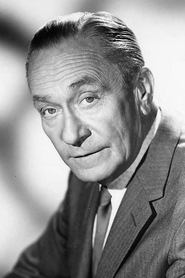 William DemarestHarvey Bullitt
 Monica LewisDaisy Lou Shultzer
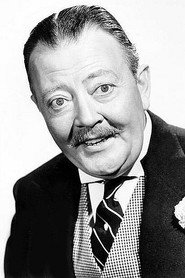 Raymond WalburnMayor Fred Haskell
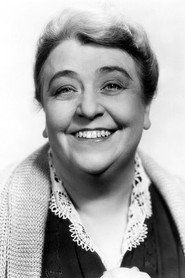 Jane DarwellMrs. Belden
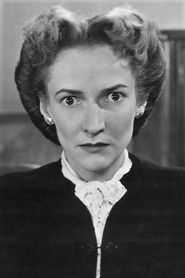 Lillian BronsonMrs. Matilda Bullitt
 Herbert AndersonBen Parrott
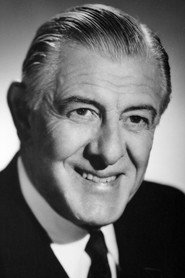 Paul HarveyCyrus Random, Sr.
 Marjorie WoodMrs. Cyrus Random Sr.
- Lee ScottHorace Antler
Directing
- Roy RowlandDirector
Writing
- Bellamy PartridgeWriter
- George WellsWriter
- Stephanie NordliWriter