
Film
The White Tower
A 1950 mountaineering drama where five climbers attempt a dangerous Alpine peak, each carrying unresolved trauma and moral uncertainty. It's a character study disguised as an adventure film, more interested in what drives people to risk everything than in the technical spectacle of climbing. For anyone drawn to ensemble pieces where the mountain becomes a mirror.
If you liked this
Rope1948
Hitchcock's real-time chamber piece about two men and a murder, building unbearable tension through talk and psychology rather than action. Like The White Tower, it trusts dialogue and character conflict to generate suspense.
But Confined, stagey, and deliberately slow—the entire film takes place in one apartment. If you need external momentum, this will feel claustrophobic.

The Red Shoes1948
Powell and Pressburger's lavish exploration of artistic obsession and the price of ambition. Visually sumptuous but unsentimental about passion—the stakes feel as real as any mountain climb.
But The ballet sequences are long and stylized. If you're impatient with artifice or theatrical presentation, it may feel self-indulgent.

The Third Man1949
Carol Reed's post-war thriller uses a foreign landscape (Vienna) and moral ambiguity the way The White Tower does—setting becomes character, and everyone is compromised. Atmospheric and profound without ever stopping being a page-turner.
But Dense, shadowy, and deliberately oblique about its central mystery. Watching it demands active attention; it won't spell things out.

Not sure tonight? Get a pick in a minute, starting from The White Tower
The wildcard
Something you would not have found on your own.
Ikiru1952
Both are ensemble films where a collective goal—mountain, legacy—becomes a container for individual reckoning. Both understand that the real journey is internal, not geographical.
Kurosawa's masterpiece about a man dying of cancer, searching for meaning in his legacy. Like The White Tower, it asks what drives us to leave something behind—but with devastating emotional clarity and no borrowed time.
But Structurally unconventional, shot in shadow and mist, and deeply Japanese in its philosophical registers. The pacing is meditative; it asks for patience and opens itself slowly.

More like this (7)
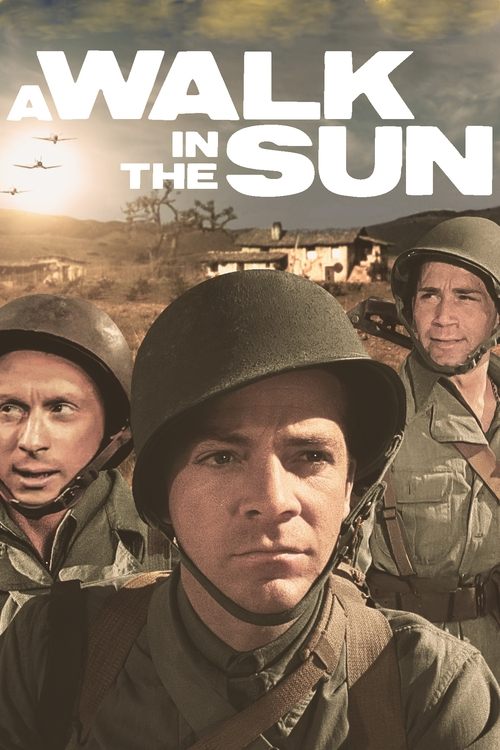
A Walk in the Sun1945
Follows a platoon on a single mission through Italy, staying with ensemble dynamics and internal conflict rather than battle spectacle. Quiet, character-focused war film that understands how stakes accumulate.
But Episodic and philosophical rather than plot-driven. Long stretches of soldiers talking can feel repetitive if you need forward momentum.
The Asphalt Jungle1950
Huston's heist prototype with an ensemble of morally complicated men planning something dangerous. The tension comes entirely from character, preparation, and what each man carries into the job.
But Dated police procedural elements and gender representation feel distinctly of 1950. The crime itself is less interesting than the people, which isn't everyone's preference.

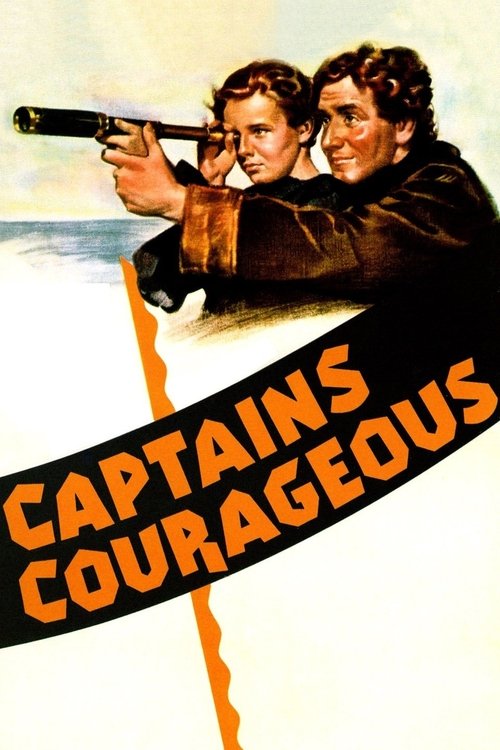
Captains Courageous1937
A privileged young man is forced to confront himself aboard a fishing vessel with working-class men who become his unlikely teachers. Like The White Tower, it's about transformation through shared hardship with strangers.
But Deeply sentimental and moralistic by modern standards. The redemption arc is broad and unsuble, and Freddie Bartholomew's performance is wince-inducing for some.
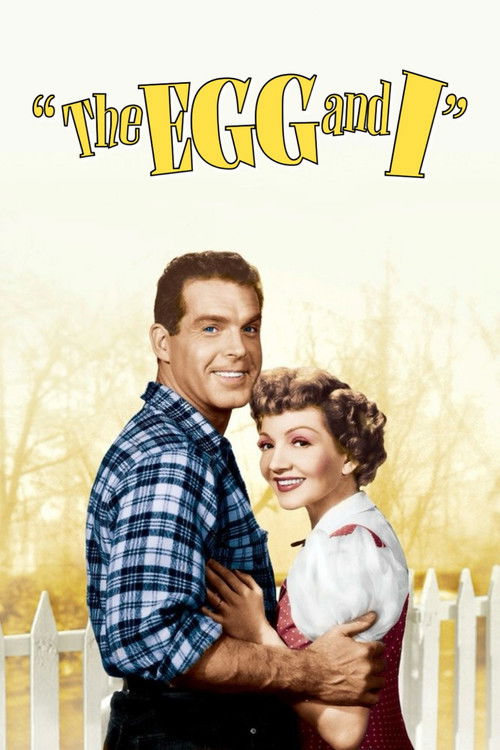
The Egg and I1947
Claudette Colbert and Fred MacMurray navigate marriage and frontier life in Washington State. A different kind of ensemble survival story where character and charm matter more than plot momentum.
But It's a romantic comedy-drama hybrid that wears its era heavily. Pacing is leisurely, and the gender politics are very much of 1947.
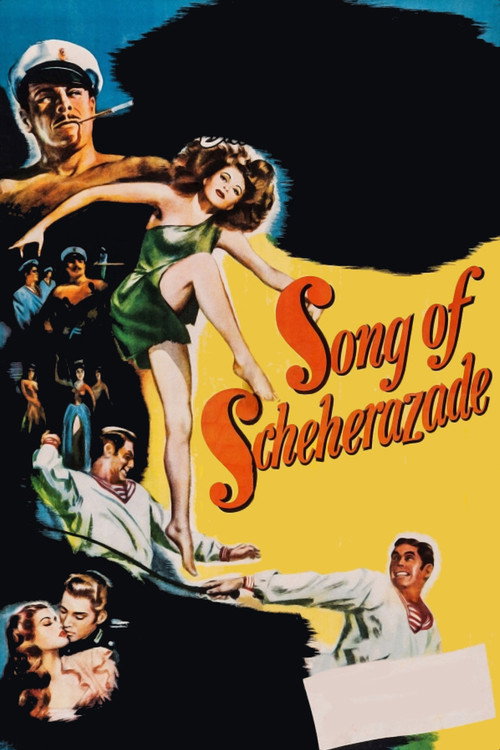
Song of Scheherazade1947
A musical biography where the frame becomes the point—less about Rimsky-Korsakov's life than about storytelling itself and how we construct meaning. Ornate, purposefully artificial, and surprisingly modern in its thinking.
But Extremely high-concept, visually busy, and skeptical of straightforward narrative. If you want clear cause-and-effect or a traditional plot, this will feel like watching someone else's fever dream.
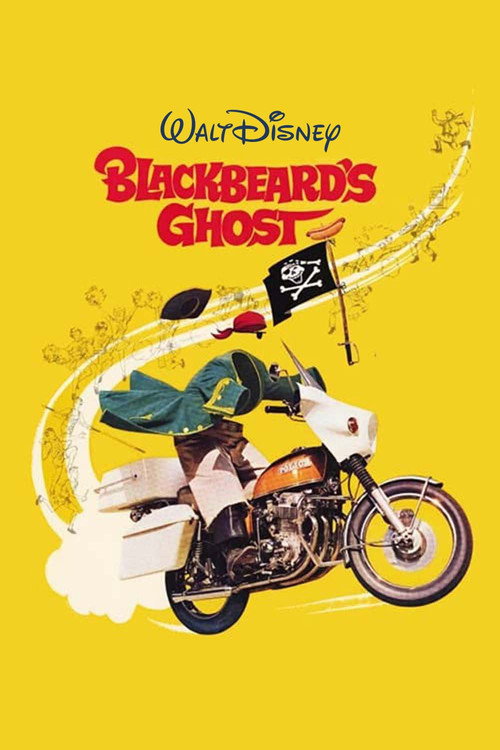
Blackbeard's Ghost1968
Peter Ustinov and Dean Jones in a adventure-comedy that doesn't take itself seriously but understands the appeal of colorful characters and daft complications. Lightweight and fun, with ensemble charm.
But It's intentionally broad and silly. Anyone looking for gravitas or psychological depth will find only cotton candy.
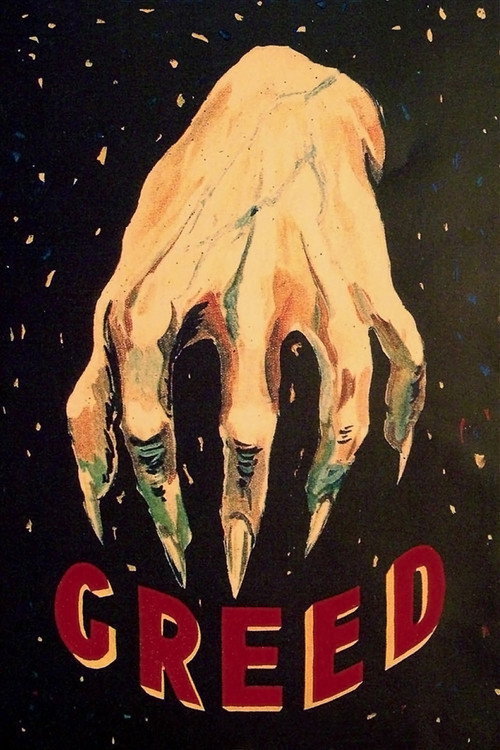
Greed1924
Like The White Tower, it uses a landscape and a group of people to ask what drives us toward our own destruction, and whether ambition is more powerful than conscience. The mountain is replaced with the desert, but the engine is identical.
Erich von Stroheim's silent epic about ordinary people destroyed by greed, filmed across Death Valley and San Francisco with geological precision. Visually staggering, utterly morally clear, and stranger than anything made in 1950. A corrupting ambition film with the landscape as prophecy.
But It's nearly four hours, silent, and from 1924. The pacing is not modern, the emotional register is expressionistic, and the film itself exists only in reconstructed form. Also genuinely bleak.
People
Cast
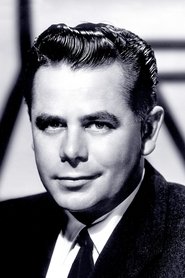 Glenn FordMartin Ordway
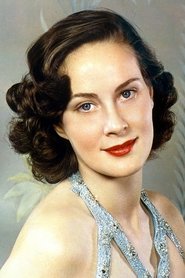 Alida ValliCarla Alton (as Valli)
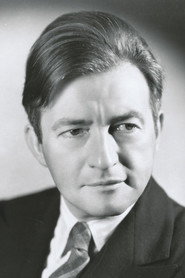 Claude RainsPaul Delambre
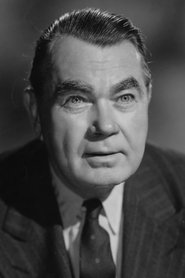 Oskar HomolkaAndreas (as Oscar Homolka)
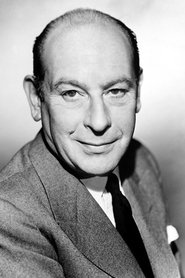 Cedric HardwickeNicholas Radcliffe
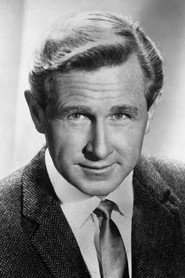 Lloyd BridgesHein
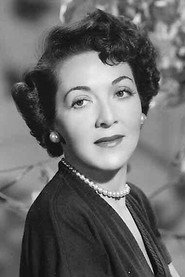 June ClayworthMme. Astrid Delambre
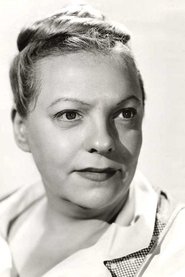 Lotte SteinFrau Andreas
- Edit AngoldFrau Knubel (uncredited)
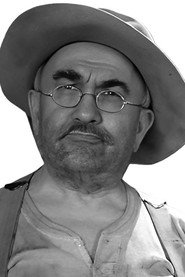 Fred EsslerKnubel (uncredited)
Directing
- Ted TetzlaffDirector
Writing
- James Ramsey UllmanNovel
- Paul JarricoScreenplay
Production
- Sid RogellProducer