Film
À propos de Nice
A 1930 French documentary that begins as a picturesque travelogue of Nice before pivoting into biting social satire. Director Jean Vigo turns the camera on the idle wealthy, the contrast between rich and poor, and the absurdity of leisure itself. It's experimental, playful, and surprisingly furious—a film that feels like watching someone's perspective shift in real time.
Should you watch it?
Watch it if you enjoy mischievous, anti-pompous filmmaking that turns a postcard view into a sly joke at the expense of the people enjoying it, and you like your irony delivered fast.
Skip it if you want a story with a clear spine; this loose, jolting collage can feel like a sketchbook of gags rather than a film to sink into.
What it asks of you: Barely half an hour, but it wants your full attention, with abrupt cuts and a restless rhythm that never lets you settle back.
Not sure? Find tonight's pick in a minute.
If you liked this
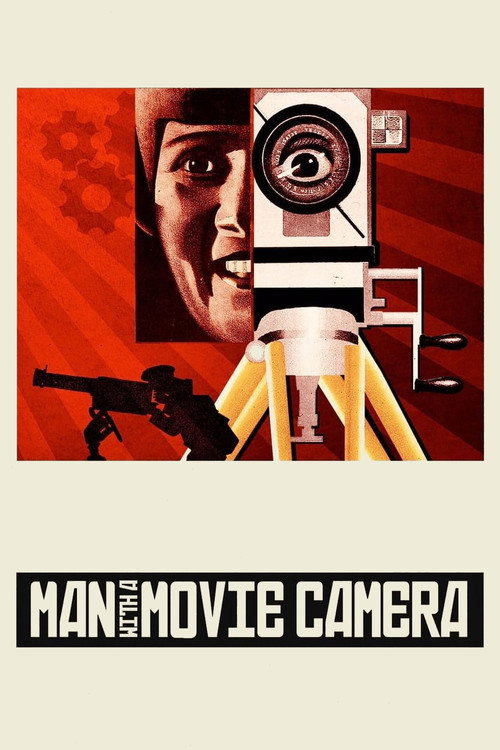
Man with a Movie Camera1929
Dziga Vertov's Soviet masterpiece about urban life uses similar formal innovation and rapid-fire editing to create poetry from everyday moments. A direct contemporary exploring cinema's power to reveal truth.
But Silent, avant-garde, and structurally demanding—it requires active viewing rather than passive watching. The constant formal experimentation can feel exhausting.
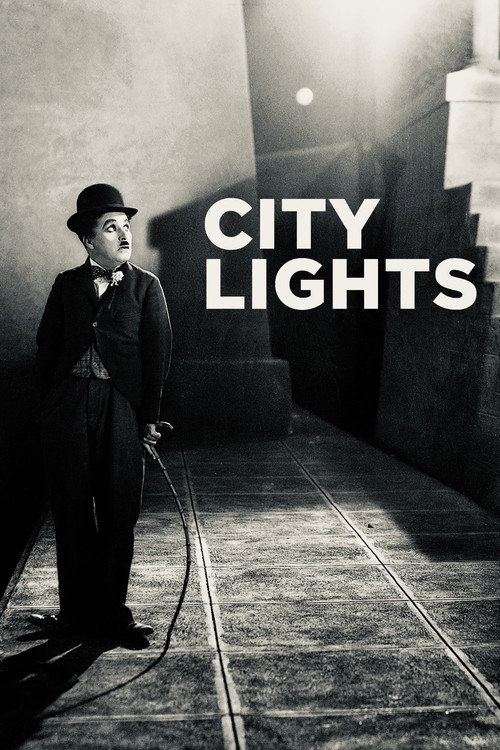
City Lights1931
Chaplin's film also mixes comedy with genuine social commentary, finding pathos and humour in the gap between rich and poor. Released just after Vigo's work, it shares that era's appetite for mixing registers.
But Sentimental in ways Vigo deliberately avoids. The romantic subplot may feel cloying to viewers seeking sharper satire.
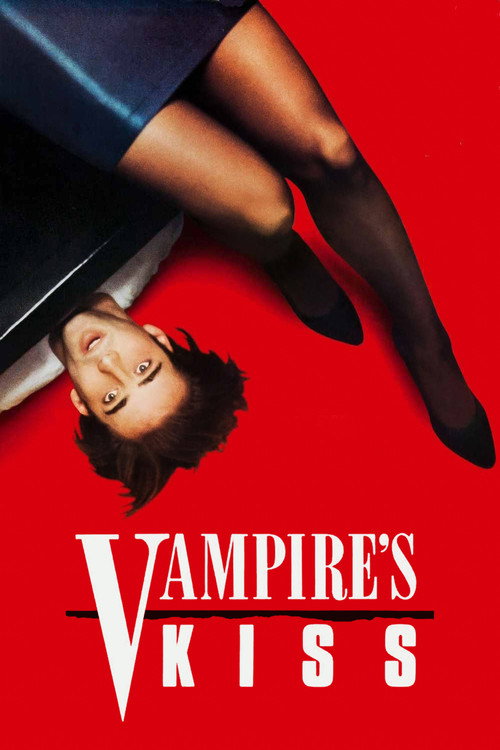
Vampire's Kiss1989
A deranged satire of New York wealth and neurosis that matches Vigo's willingness to make the comfortable grotesque. Nicolas Cage's descent into madness has that same mixture of mockery and unease.
But The humour is aggressive and deeply unsettling rather than charming. Not for viewers seeking gentler social critique.
Not sure tonight? Get a pick in a minute, starting from À propos de Nice
The wildcard
Something you would not have found on your own.
Harakiri1962
Both are formal experiments in service of exposing social hypocrisy and the price paid by those caught in systems designed to benefit the few.
Masaki Kobayashi's film dissects class, honour, and the machinery that grinds individuals into submission. It shares Vigo's fury at systems that sacrifice human beings, but channels it into a devastating formal precision. Visually austere, emotionally catastrophic.
But A very long, very bleak meditation on suicide and institutional cruelty. This is not viewing for comfort; it is viewing for understanding at cost.

More like this (6)
Contempt1963
Godard's film dissects wealth, leisure, and artistic compromise with the same formal playfulness and underlying rage. A meditation on how capitalism corrupts beauty and human connection.
But Deliberately difficult and slow-moving. Long, static scenes will feel self-indulgent to those wanting narrative momentum.

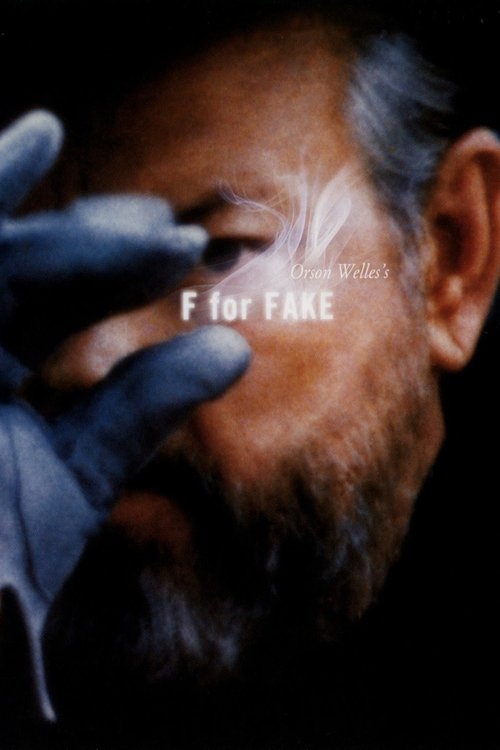
F for Fake1973
Welles's essay-film uses tricks, editing, and direct address to expose the gap between appearance and truth—exactly Vigo's project. Pure cinema used as an instrument of revelation and mischief.
But Playfully disorientating rather than clarifying. The constant shape-shifting can leave you unsure what you've actually learned.
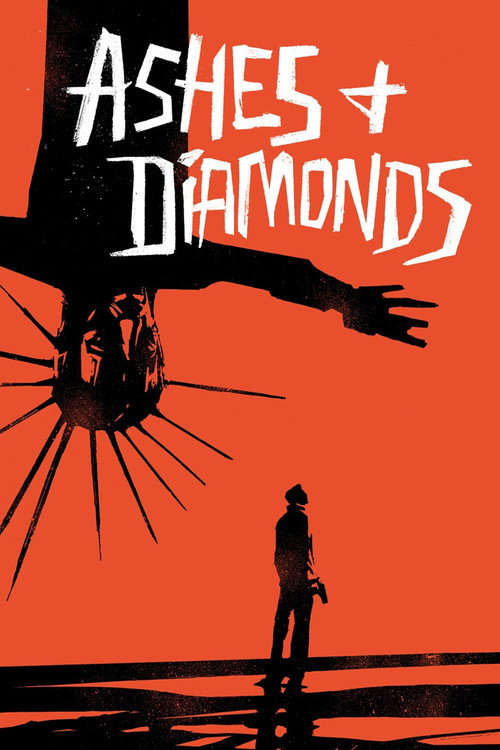
Ashes and Diamonds1958
Wajda's Polish masterpiece shows social upheaval through a densely symbolic story. It has Vigo's capacity to layer social critique into images without didacticism.
But Dense, allegorical, and set in a moment of historical tragedy—very different in subject matter. The formal sophistication demands intellectual engagement.
Sans Soleil1983
Chris Marker's essay-film pieces together images and narration to explore memory, ideology, and vision itself. A film about how we see the world—which is ultimately Vigo's subject too.
But No conventional story, just ideas and images. The oblique approach can feel vague and deliberately obscure.

Nanook of the North1922
Flaherty's ethnographic documentary pioneered the form that Vigo inverts. Seeing what Vigo was pushing back against—the myth of objective documentary—reveals what makes his critique sharp.
But Heavily staged and patronising by modern standards. The very thing Vigo mocks, which makes it hard to enjoy as entertainment.

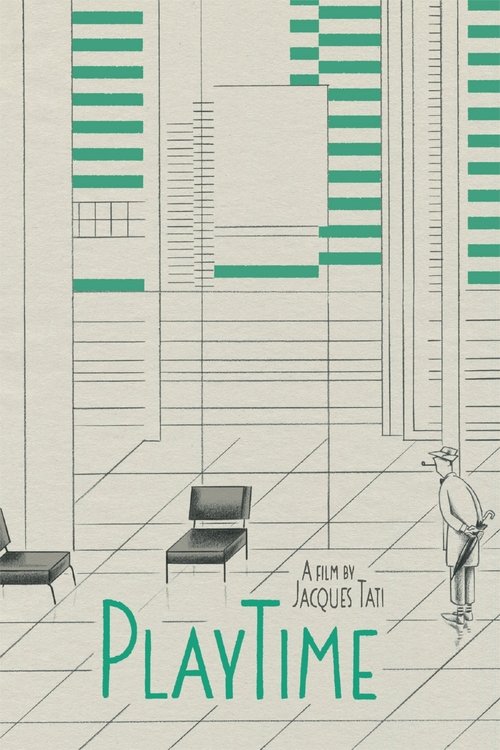
PlayTime1967
Both take the documentary/travelogue form and use it to deflate bourgeois life and urban pretension. Both are essayistic films disguised as something simpler.
Tati's surreal comedy constructs an entire world—1960s Paris rendered as a maze of glass and steel—to examine modernity and tourism. Like Vigo's travelogue, it pretends to show you a city while actually showing you how we see. Wordless, meticulous, endlessly strange.
But Long, plotless, and demands patience with visual gags that sometimes don't land. The grandiose production design can feel self-regarding. Very slow comedy.