
Film
The Pirates of Blood River
A 1962 Hammer swashbuckler where Christopher Lee leads pirates against a Huguenot settlement, all sword-clashing and eye-patch villainy. It's colourful, violent by the standards of the time, and proudly artificial—sets wobble, but that's part of the charm. For those who want adventure without thinking too hard.
Should you watch it?
Watch it if you love swashbuckling Hammer-era adventure with a bit of grim, grubby menace, where Christopher Lee's pirate captain is reason enough to sit down and the sea-raid rhythms feel like a rough old storybook.
Skip it if you want sharp modern pacing or fully believable characters, since this 87-minute picture is stagey in places and leans on broad villainy and a plot that moves on rails.
What it asks of you: Settle in for a brisk hour and a half that keeps its eyes on action and revenge rather than nuance, with a colour-soaked, theatrical tone you accept as is.
Not sure? Find tonight's pick in a minute.
If you liked this
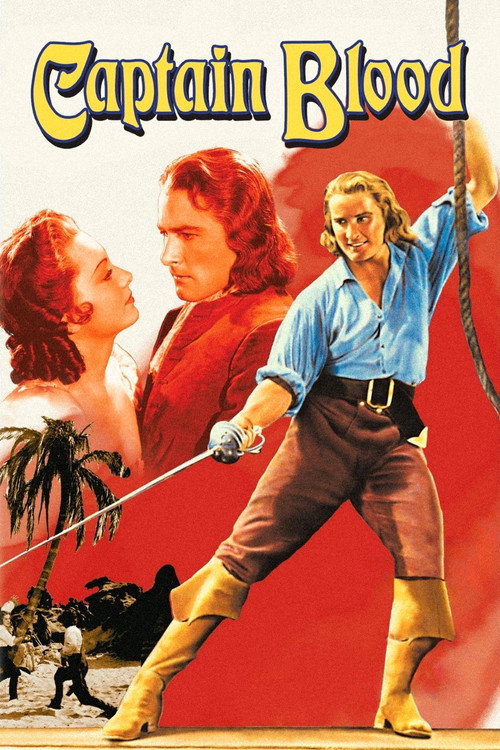
Captain Blood1935
The template Errol Flynn perfected: wronged man becomes pirate, charm and swordplay in equal measure, with actual moral complexity beneath the swashbuckling. You see why Hammer wanted to remake this energy.
But Flynn's charisma carries much of it; the plot is thin. Black and white might feel remote after colour adventure films.
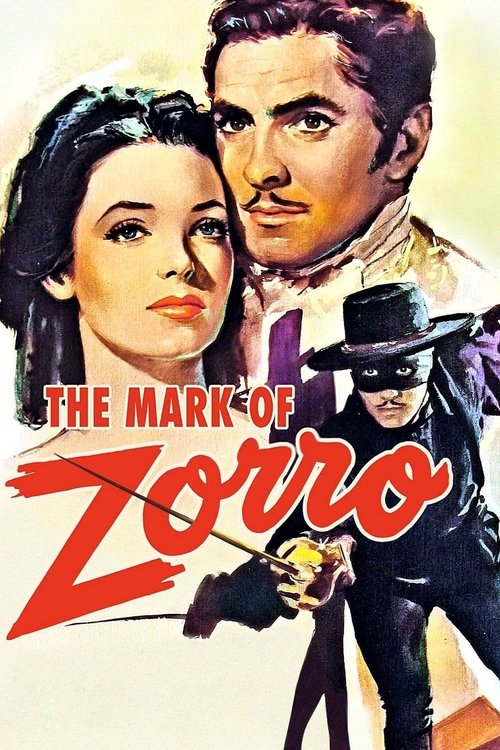
The Mark of Zorro1940
Tyrone Power as a dashing vigilante fighting tyranny with sword and wit. The DNA of every adventure hero since is here: the double identity, the impossible escapes, the physical grace of combat choreography.
But Slower paced than modern action. The love story takes up real estate some viewers won't want to spend.
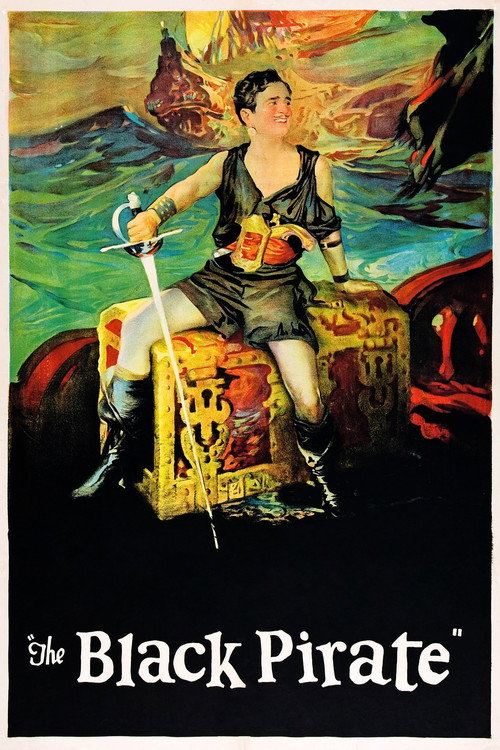
The Black Pirate1926
Douglas Fairbanks doing stunts you won't believe were real, filmed in early Technicolor that still pops. Pure physical comedy meets daring-do; the joy of silent cinema at its most inventive.
But Silent film with intertitles demands patience. The gender politics will grate. No dialogue means you're reading, not watching.
Not sure tonight? Get a pick in a minute, starting from The Pirates of Blood River
The wildcard
Something you would not have found on your own.
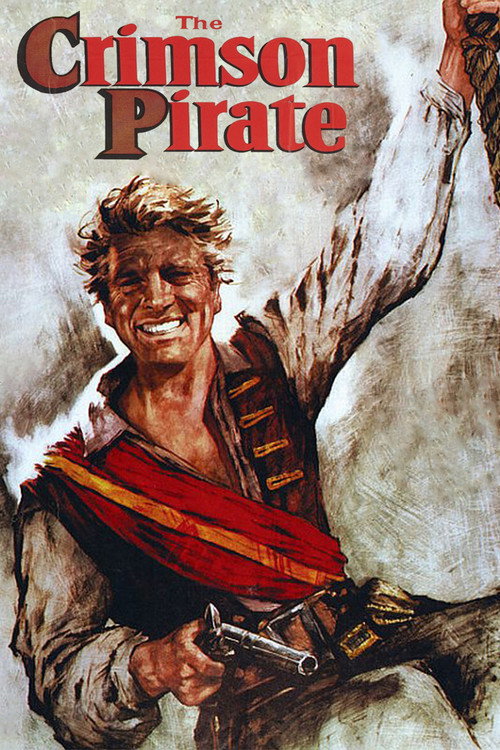
The Crimson Pirate1952
Both are Technicolor adventure fantasies built on spectacle and swordplay, but where Blood River plays it fairly straight, Crimson Pirate deconstructs the genre—Lancaster's acrobatics and self-aware humour make it the film Hammer's version wishes it could be.
Burt Lancaster playing a pirate who's also an acrobat, a spy, and possibly a revolutionary. It's part adventure, part physical comedy, part political allegory, shot in Technicolor and made by people who understood that genre work should delight. Lancaster flies through scenes.
But The tonal shifts are jarring: from slapstick to violence to near-tragedy. It's deliberately artificial in ways that might read as trite or precious rather than fun.
More like this (8)
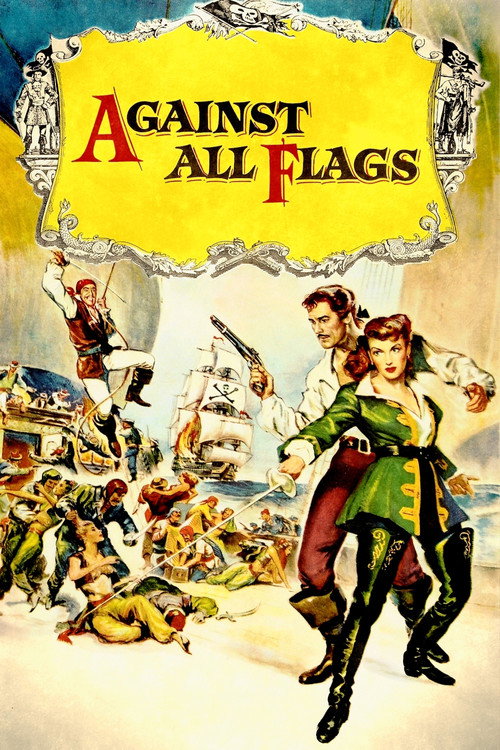
Against All Flags1952
Errol Flynn and Maureen O'Hara sparring as equals, both spies, both magnificent. A faster, wittier take on pirate adventure that doesn't take itself seriously, which is exactly right for the genre.
But The plot is a framework for set pieces and banter. If you want substance over swashbuckle, move on.
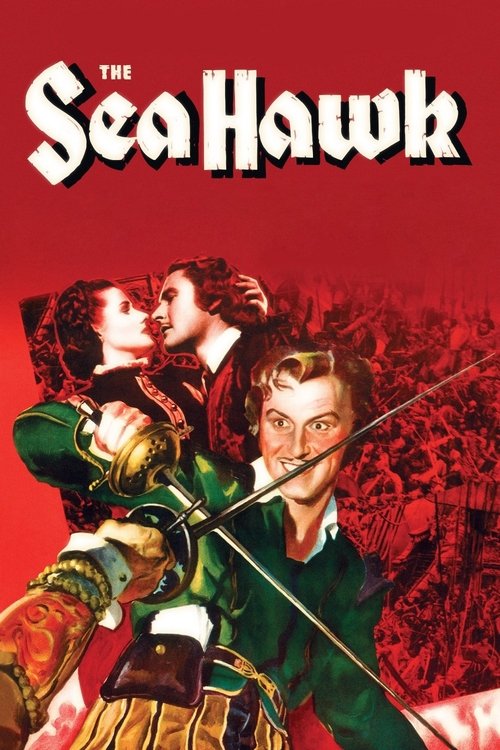
The Sea Hawk1940
Errol Flynn as a privateer in the age of Elizabeth I, fighting the Spanish Armada. Erich Wolfgang Korngold's score alone justifies the watch; the action is furious and the politics surprisingly engaged.
But Two hours 20 minutes and the pacing is deliberate. The anti-Fascist allegory is heavy-handed. Some scenes drag.
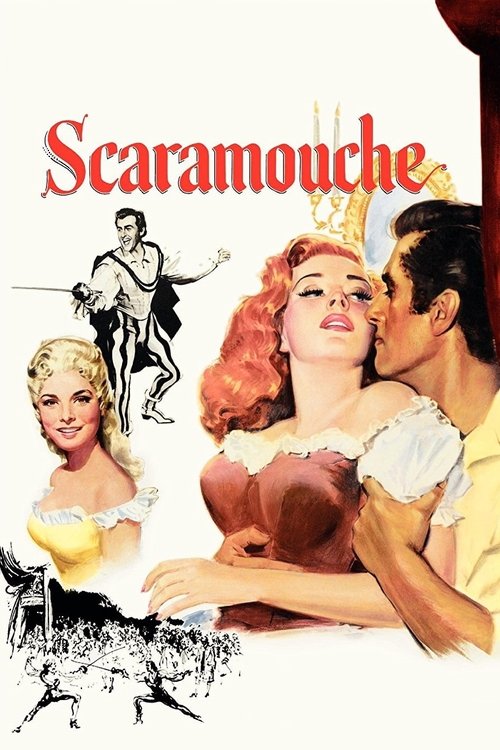
Scaramouche1952
Stewart Granger in a revolution-era romp with the finest swordplay sequence ever filmed. A love triangle, political intrigue, and action that actually makes physical sense, unlike much of the genre.
But The emotional stakes feel secondary to the spectacle. Melodrama peaks often feel unearned.
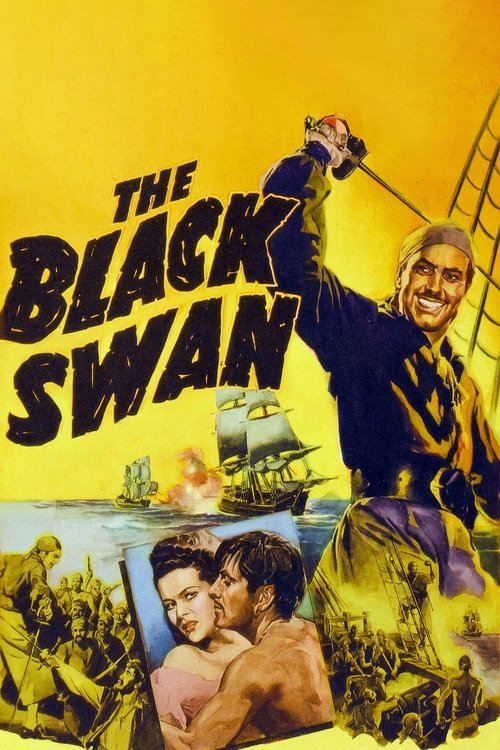
The Black Swan1942
Tyrone Power and Henry Davenport in Technicolor so vibrant it seems impossible. Pirates, treasure, double-crossing, and a score that swells at exactly the right moments. Pure entertainment, no apologies.
But The story is paint-by-numbers. Characterisation exists mainly to service plot. The final act feels rushed.
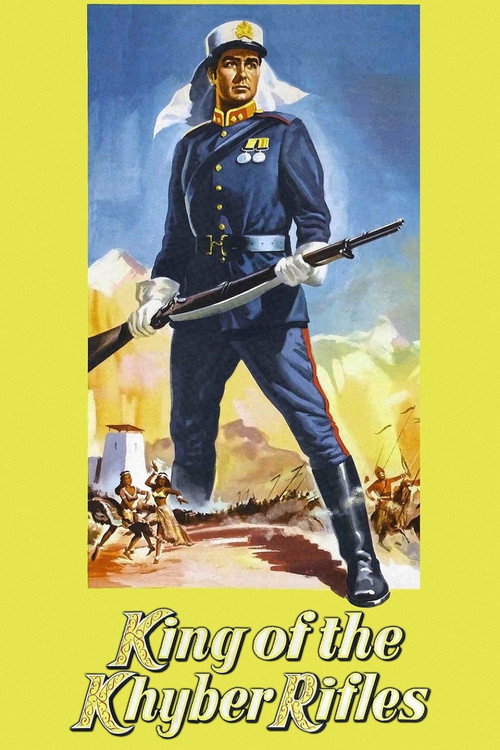
King of the Khyber Rifles1953
Errol Flynn leading troops on the Indian frontier, swords and rifles, exotic locations (well, sets), and the kind of straightforward adventure they don't greenlight anymore. It knows exactly what it is.
But The colonial politics are uncomfortable and unexamined. The plot is genuinely thin. Character development is minimal.
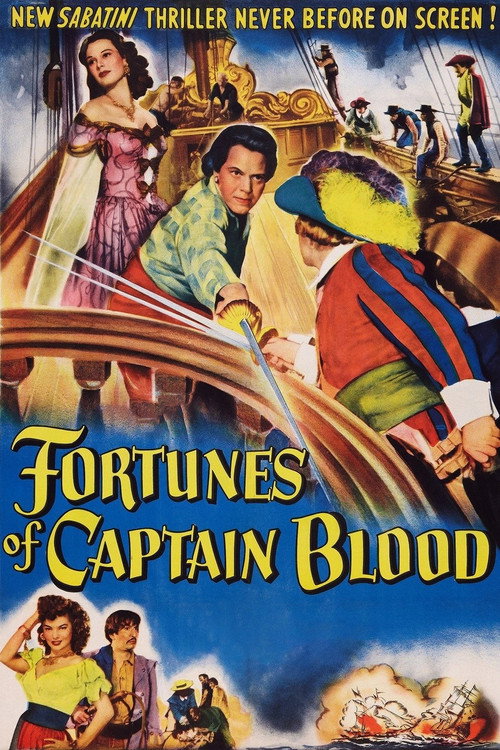
Fortunes of Captain Blood1950
A lesser-known adventure with good action choreography and genuine suspense in its plot mechanics. The Caribbean setting feels lived-in rather than painted. Competent fun without pretension.
But Lesser-known for a reason. The pacing meanders. The film lacks a star powerful enough to carry dull stretches.
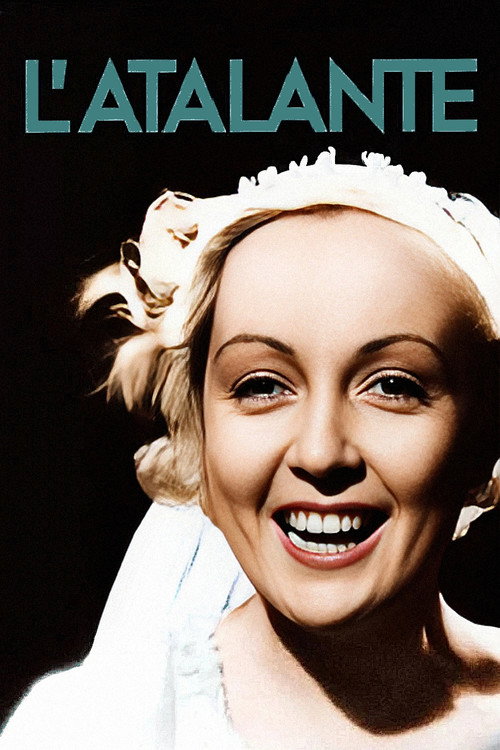
L'Atalante1934
Both are films about men at sea, about displacement and desire, but where Blood River uses the sea as backdrop for action, Vigo uses it as the space where intimacy fails and mystery begins. One is external adventure; the other is internal.
Jean Vigo's only feature: a newlywed couple on a river barge, and everything that could go wrong does. It's gorgeously shot, deeply strange, and more moving than it has any right to be. A masterpiece that changed cinema.
But Not an adventure in any traditional sense. Slow, dreamlike, melancholic. You're not coming for swordplay or treasure—you're sitting with loneliness and desire. French cinema of the 1930s can feel remote.
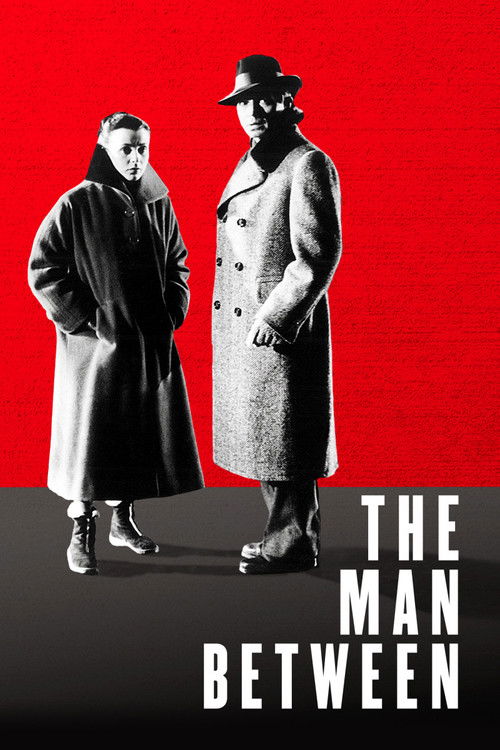
The Man Between1953
Like Blood River, it's a 1950s genre film with an older villain (Lee here would be the analogue) and a plot about loyalty and betrayal. But where Hammer makes villainry theatrical, Reed makes it banal and tragic. It asks what happens when adventure becomes impossible because the world is too complicated.
Carol Reed directing James Mason in divided Berlin, all shadows and moral ambiguity. It's a spy thriller dressed as a love story, and Mason plays a man who wants to be honourable in a world that won't let him. Genuinely tense and genuinely sad.
But It's not an adventure—it's a psychological drama that happens to have action. The pacing is deliberate. If you want visceral thrills, this offers dread instead, which is slower and colder.
People
Cast
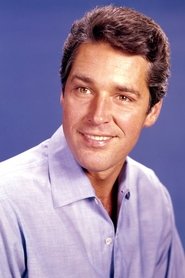 Kerwin MathewsJonathon Standing
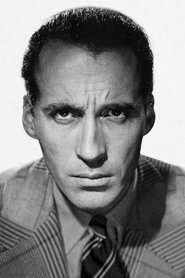 Christopher LeeCaptain LaRoche
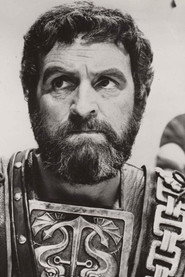 Andrew KeirJason Standing
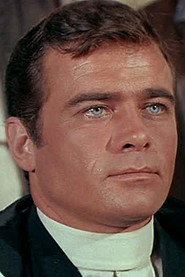 Glenn CorbettHenry
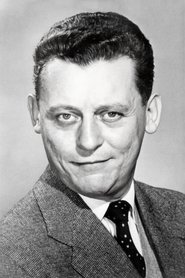 Michael RipperFirst Mate Mack
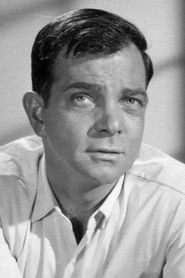 Peter ArneBosu'n Hench
 Marla LandiBess Standing
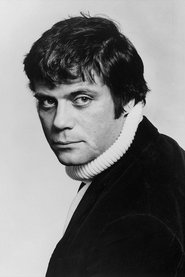 Oliver ReedPirate Brocaire
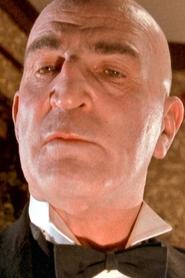 Jerold WellsPenal Colony Master
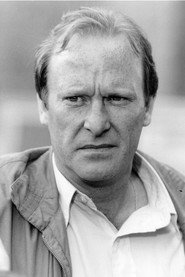 Dennis WatermanTimothy Blackthorne, the boy
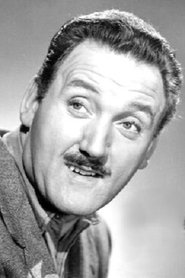 David LodgeSmith
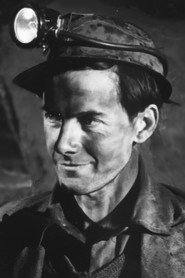 Jack StewartGodfrey Mason
Directing
- John GillingDirector
Writing
- John GillingScreenplay
- John HunterScreenplay
- Jimmy SangsterStory
Production
- Stuart LyonsCasting
- Michael CarrerasExecutive Producer
- Anthony Nelson KeysProducer