
Film
King of the Khyber Rifles
A 1953 adventure about a British officer on the Northwest Frontier whose mixed heritage makes him an outsider to both the regiment and the community he's meant to govern. It's a handsome, earnest colonial drama that wrestles with prejudice and belonging, anchored by Tyrone Power's charisma. For anyone drawn to intelligent period pieces about cultural friction and the cost of divided loyalty.
Should you watch it?
Watch it if you like old-fashioned studio adventure where a divided loyalty drives the story, and you don't mind a romance threaded through a tale about belonging and prejudice.
Skip it if you find 1950s colonial-era attitudes hard to sit through, or want a brisk modern pace; the picture's sympathies and staging feel very much of its time.
What it asks of you: Settle in for a leisurely hundred minutes of talk, pride and mistrust before the frontier action arrives, and expect a sincere, theatrical emotional register rather than subtlety.
Not sure? Find tonight's pick in a minute.
If you liked this
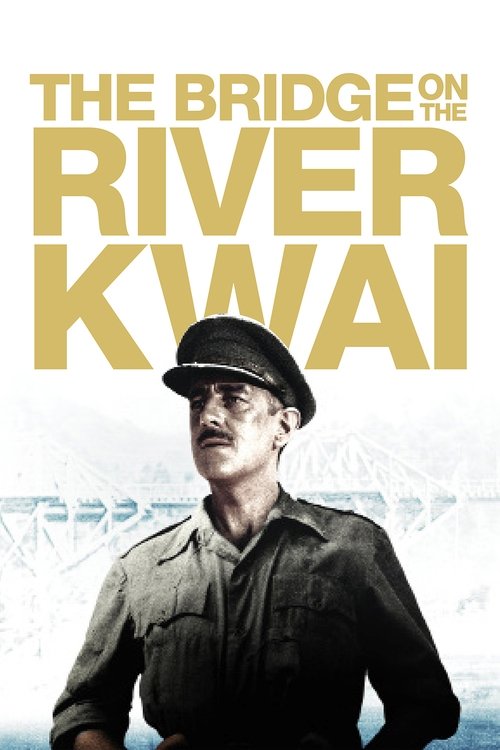
The Bridge on the River Kwai1957
Lean's masterpiece about duty, honor, and the moral ambiguity of empire. A British officer must navigate impossible choices under Japanese rule, wrestling with whether obedience serves his men or betrays them—the same tension at the heart of King of the Khyber Rifles.
But It's 161 minutes, deliberately paced, and the emotional payoff requires patience with extended scenes of bridge construction and military procedure.
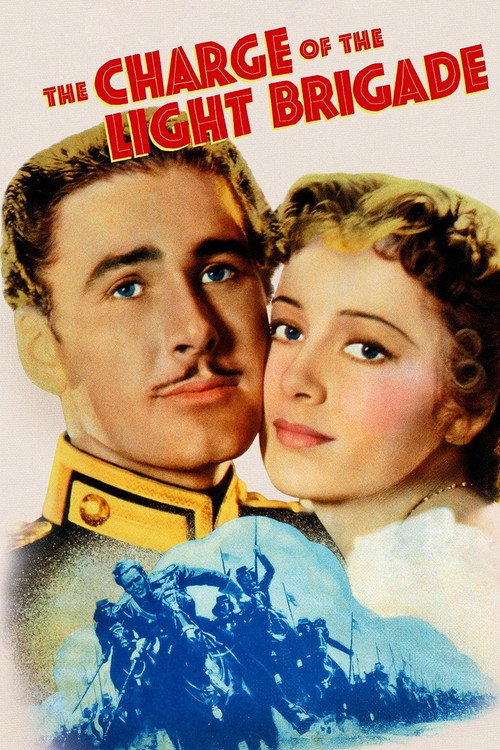
The Charge of the Light Brigade1936
Errol Flynn leads this glorious, swashbuckling cavalry film set in India during the Crimean conflict. It has the same romantic adventure and colonial setting, with similar questions about loyalty and the human cost of imperial ambition.
But It's dated in its attitudes toward empire and treats colonialism as noble backdrop rather than subject. The plot's fairly silly once you think about it.
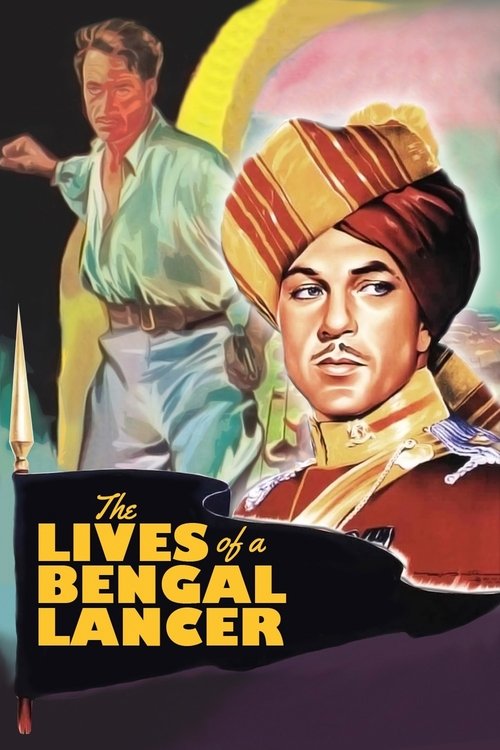
The Lives of a Bengal Lancer1935
Gary Cooper as a British officer serving in India, caught between duty to the Crown and sympathy for the people he's meant to control. The same themes of divided loyalty and prejudice within the officer corps, wrapped in first-rate adventure.
But Pre-Code Hollywood means some characters and attitudes feel very much of their era. It's also a straightforward adventure, not a serious examination of the contradictions.
Not sure tonight? Get a pick in a minute, starting from King of the Khyber Rifles
The wildcard
Something you would not have found on your own.
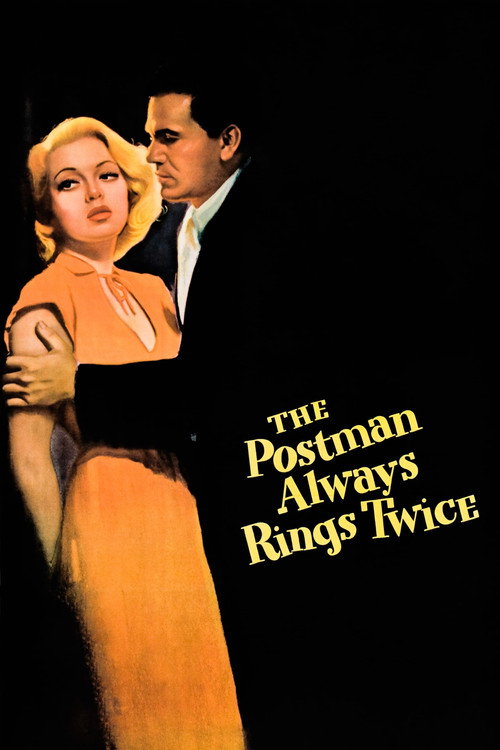
The Postman Always Rings Twice1946
Both films are about men undone by their position between two worlds—but where King of the Khyber Rifles treats this as an existential tragedy, The Postman treats it as noir inevitability. Same trap, different lighting. Both understand that belonging to an institution sometimes means betraying yourself.
A noir so sleek and dangerous it makes the whole genre look like it was invented by adults. Garfield and Turner destroy each other across 113 minutes, and the moral ambiguity will stay with you. It's about desire making people betray everything they thought they stood for.
But It's bleak, sexual in ways that scandalized 1946, and offers no redemption or certainty. If you need your characters to learn lessons, this will feel nihilistic.
More like this (7)
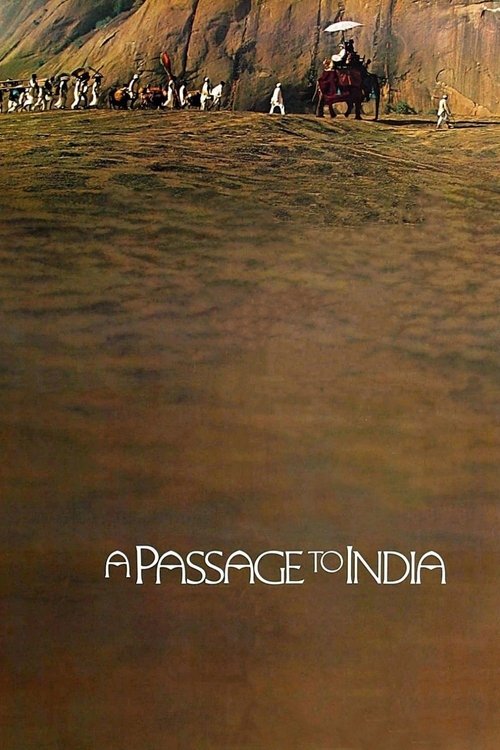
A Passage to India1984
Lean's final film adapts Forster's novel about colonial India with devastating intelligence. It explores the impossibility of real connection across the colonial divide—the central moral question simmering beneath King of the Khyber Rifles.
But It's bleak and unresolved in ways designed to unsettle. Some may find it slow; others will feel it's the only honest approach to the subject.
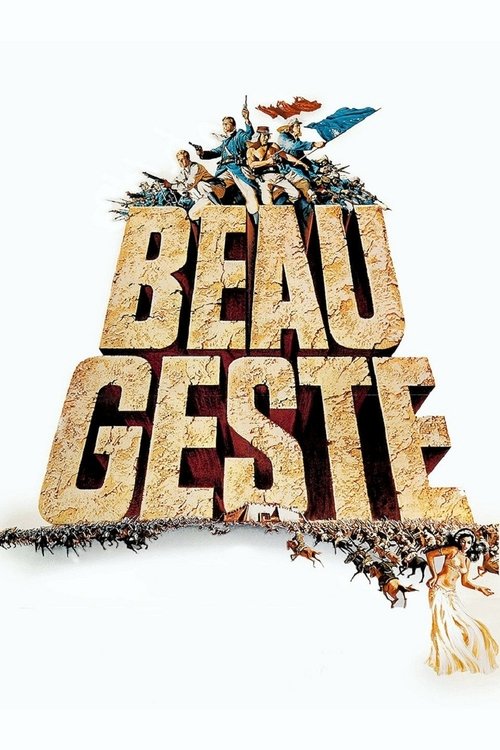
Beau Geste1966
Guy Stockwell joins the French Foreign Legion in the Sahara, exiled by circumstance and prejudice from the society he came from. It's another story about belonging to institutions that don't quite want you, shot through with melancholy and adventure.
But Less intellectually ambitious than King of the Khyber Rifles. It settles for being a solid adventure yarn rather than interrogating its own premises.
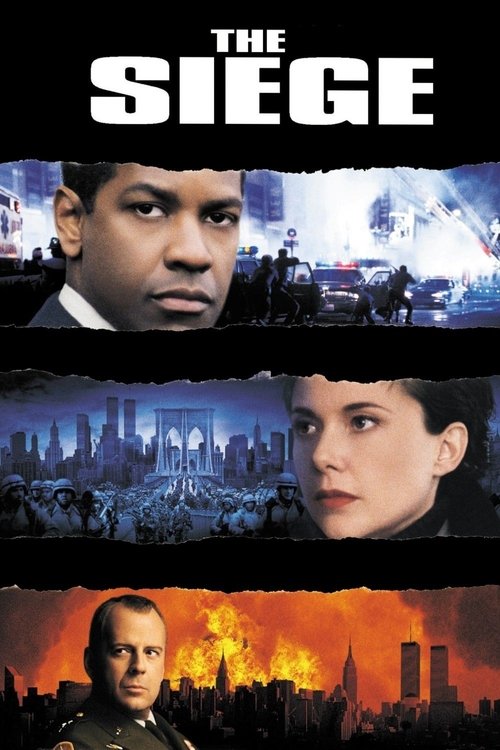
The Siege1998
A post-9/11 thriller about prejudice, security, and where loyalty truly lies when a Muslim community is targeted in New York. It's a modern reckoning with exactly the dilemmas Power's character faces—belonging while suspected.
But It's a thriller first, so it prioritizes plot momentum over nuance. Some will find its political simplifications frustrating; others will think the complications get in the way.
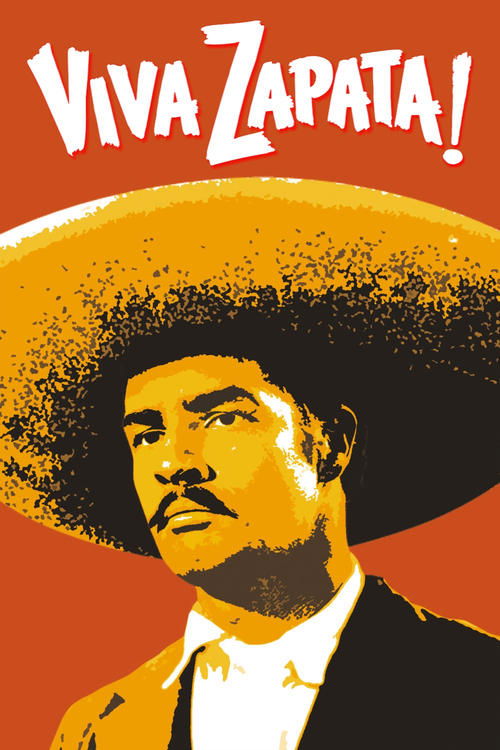
Viva Zapata!1952
Brando as a Mexican revolutionary caught between his people and the Mexican establishment. It shares King of the Khyber Rifles' interest in a man stranded between two worlds, unable to fully commit to either without betraying the other.
But Kazan's direction is sturdy rather than inspired, and the film sometimes feels like it's illustrating ideas rather than dramatizing them. Some scenes haven't aged gracefully.
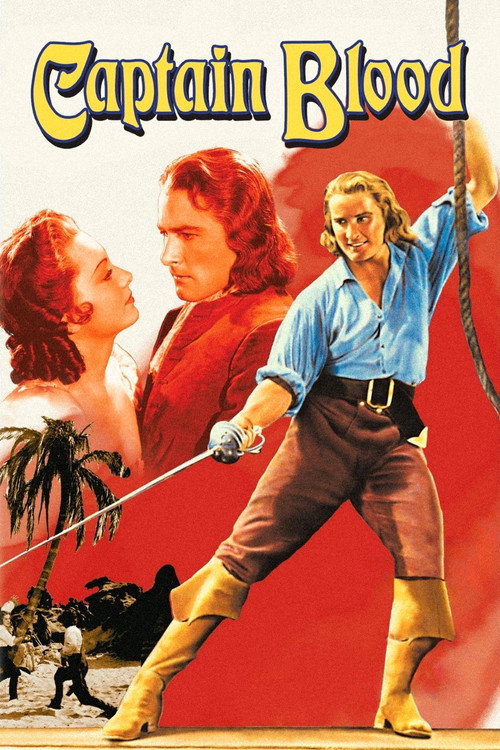
Captain Blood1935
Errol Flynn as a man wrongly condemned who finds freedom as a pirate, then must reckon with the society that condemned him. It's swashbuckling adventure with genuine pathos about displacement and the price of principles.
But The rape scene (by 1935 standards) is played for heroics, and the film's moral compass is unreliable by modern standards. It's entertainment first, not inquiry.
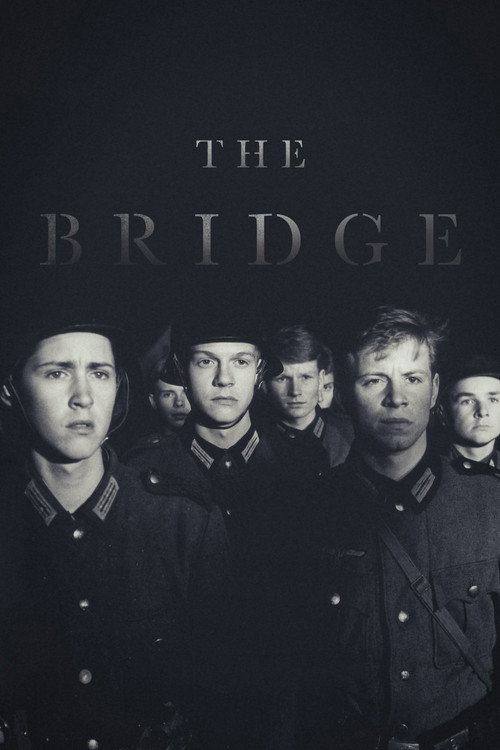
The Bridge1959
Both films use colonial or military duty as a lens to examine when loyalty becomes complicity. King of the Khyber Rifles asks if an officer can serve an unjust system; The Bridge asks what happens when the system is actively evil and you're too young to refuse.
A German film about a group of teenage Hitler Youth conscripted to defend a meaningless bridge in the final days of WWII. It's urgent, tragic, and absolutely unsentimental about the machinery that turns young men into loyal soldiers. Extraordinarily powerful.
But It's in German with subtitles, and it's relentlessly grim. There's no catharsis, just waste. Some find it depressing rather than moving.
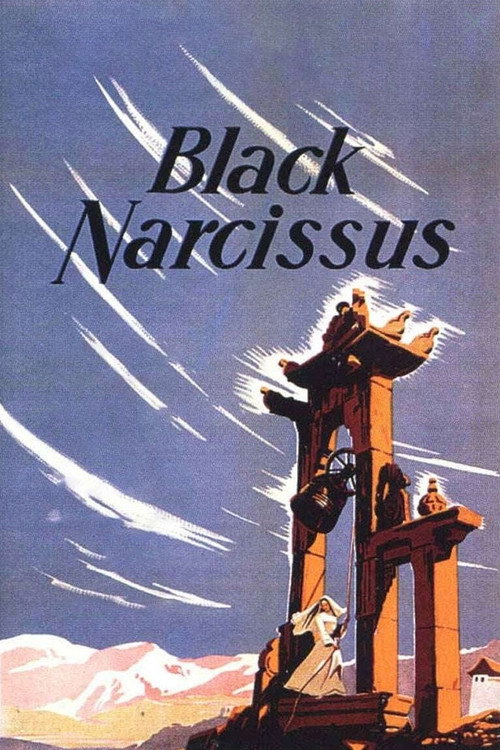
Black Narcissus1947
Both films understand the psychological toll of isolation in the mountains while surrounded by a culture you're trying to govern or convert. King of the Khyber Rifles plays that as drama; Black Narcissus recognizes it as psychological warfare—the landscape itself becomes the real antagonist.
Powell and Pressburger's chromatic fever dream about Anglican nuns in a remote Himalayan convent, where the landscape and isolation warp everything they believe about faith, sexuality, and belonging. It's gorgeously shot, psychologically complex, and genuinely unsettling.
But It's surreal and non-linear in ways that frustrate plot-driven viewers. Some find its treatment of sexuality and madness patronizing; others find it profound. Not everyone wants their adventure films to be this strange.
People
Cast
 Tyrone PowerCapt. Alan King
 Terry MooreSusan Maitland
 Michael RennieBrig. Gen. J. R. Maitland
 John JustinLt. Geoffrey Heath
 Guy RolfeKarram Khan
 Richard WylerLt. Ben Baird
 Murray MathesonMaj. Ian MacAllister
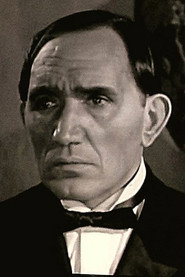 Frank De KovaAli Nur

- Sujata RubenerNative Dancer
- Patrick WhyteLt. White (uncredited)
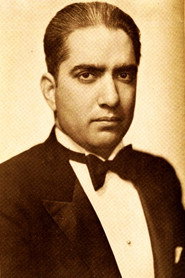 Lal Chand MehraTribal Chieftain (uncredited)
Directing
- Henry WeinbergerAssistant Director
- Henry KingDirector
Writing
- Talbot MundyNovel
- Ben RobertsScreenplay
- Ivan GoffScreenplay
- Harry KleinerStory
Production
- Frank P. RosenbergProducer
Recommended by
Tales of the Gold Monkey, The Wistful Widow of Wagon Gap, The Pirates of Blood River