
Film
Hôtel du Nord
A 1938 Parisian romance set in a shabby hotel on the Canal St. Martin. When a suicide pact goes tragically wrong, the film unfolds among the hotel's teeming cast of working-class Parisians—prostitutes, crooks, dreamers—all seeking connection in cramped rooms and narrow streets. It's tender, observant, alive with character and the melancholy beauty of ordinary lives.
If you liked this
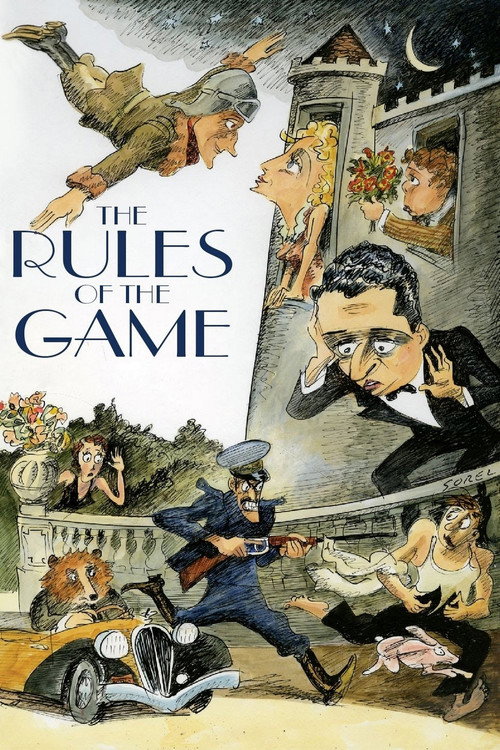
The Rules of the Game1939
Renoir's masterpiece of pre-war France captures the same ensemble richness and moral ambiguity as Hôtel du Nord. Multiple storylines, a sprawling cast, and the sense that life's meaning lives in human complexity rather than plot.
But It's nearly four hours long and moves at a 1939 pace. Some find its structure meandering; others call that the point.
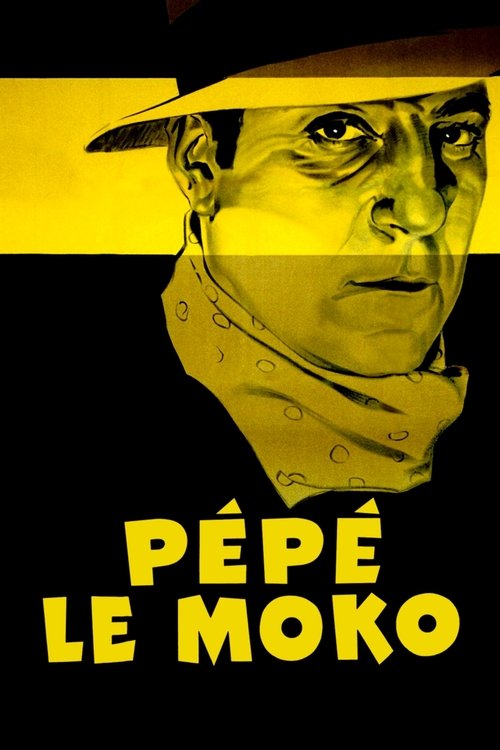
Pépé le Moko1937
Jean Gabin in a foggy Algiers casbah, surrounded by criminals and the desperate. The same atmospheric fatalism, the same sense of fate closing in on decent people trapped by circumstance, shot with poetry.
But It's a crime film first and romance second. If you want the love story centered, this subordinates it to mood and inevitability.
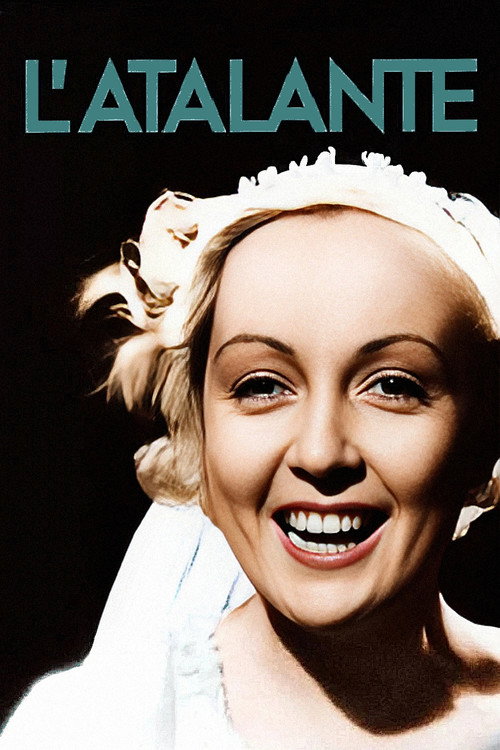
L'Atalante1934
Vigo's film about a barge captain and his new bride drifting on the Seine. Lyrical, intimate, and full of the same Paris-based melancholy. A young couple at odds with the world around them, and a city that feels like a character.
But It's experimental and sometimes oblique. The narrative isn't what matters most; atmosphere and emotion are.
Not sure tonight? Get a pick in a minute, starting from Hôtel du Nord
The wildcard
Something you would not have found on your own.
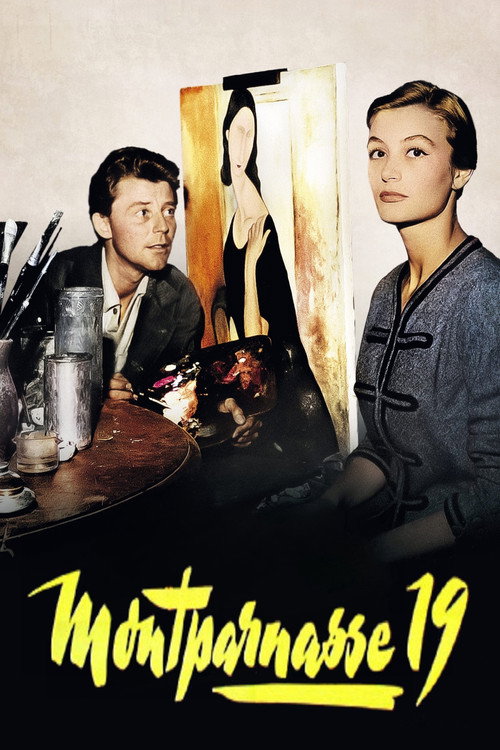
The Lovers of Montparnasse1958
Both are stories of working-class Parisians living in tight quarters, seeking meaning through love, with the city itself as a crucible of fate and beauty.
A film about Modigliani and his lover in 1920s Paris—poor, desperate, talented artists in a cheap hotel. It's a Parisian love story structured like a tragedy, with the same sense of beauty wrung from poverty and circumstance.
But It's a costume piece and somewhat melodramatic. The painting-based aesthetic can feel dated, and the biography overshadows the drama.
More like this (7)
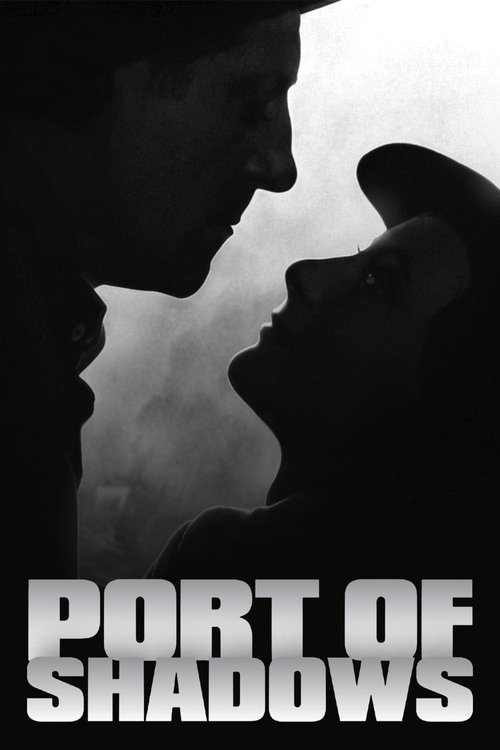
Port of Shadows1938
Carné and Prévert again—this time Gabin on a foggy Le Havre dock, caught between a woman and death. The same doomed romance, the same poetry, the same working-class Paris rendered as inevitability.
But If you've just watched Hôtel du Nord, the tonal ground will feel familiar. It's melancholy as method, not variation.
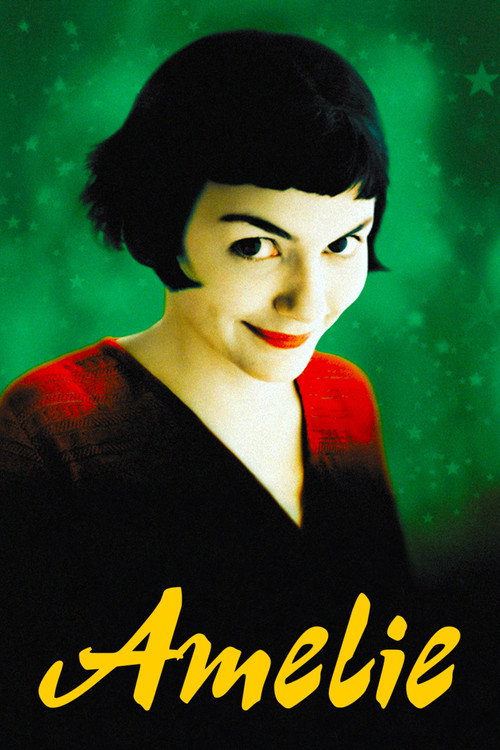
Amélie2001
Another love story set in a Parisian neighbourhood full of eccentric neighbours and small mysteries. Whimsical where Hôtel du Nord is elegiac, but they share an affection for marginal characters and the romance of city living.
But It's aggressively charming and stylized. If you want grit and realism, this trades them for whimsy and colour.
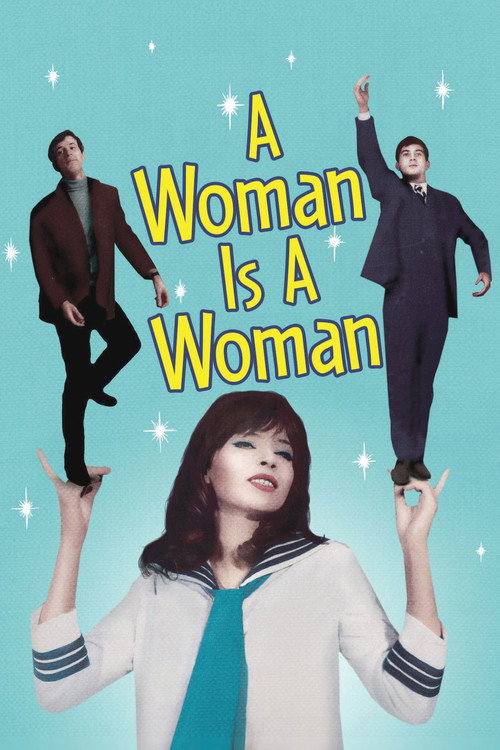
A Woman Is a Woman1961
Godard's playful take on Paris, romance, and desire. A young couple navigates jealousy and appetite in a modern Paris. It shares Hôtel du Nord's belief that love is complicated and the city makes us all a little strange.
But It's self-conscious and formally playful. It stops the story to play with cinema itself, which some find clever and others tedious.
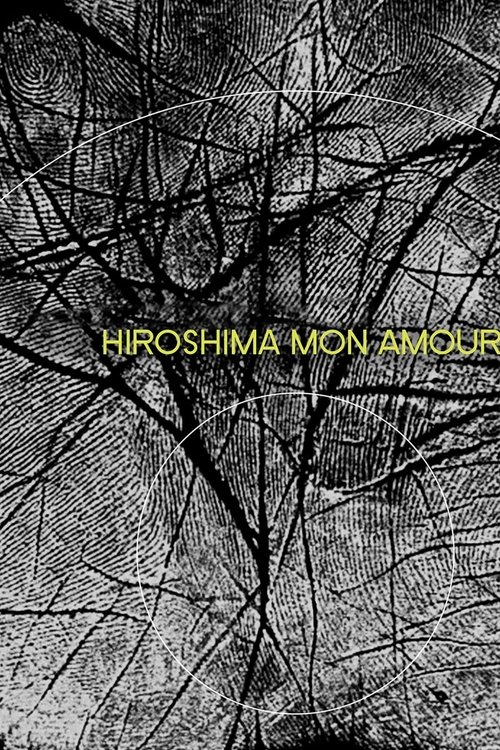
Hiroshima Mon Amour1959
Resnais and Duras on memory, love, and the impossibility of truly knowing another person. Two lovers in Hiroshima grapple with pasts that won't release them. Poetic and formally daring.
But It's abstract and dreamlike. If you want narrative clarity, you won't find it. Patience for mood over plot is essential.
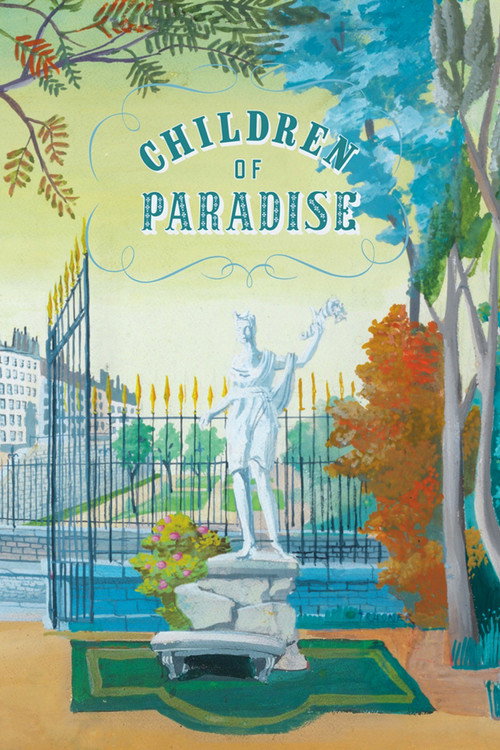
Children of Paradise1945
Carné's epic about theatre, love, and destiny in 19th-century Paris. It's grander than Hôtel du Nord but shares its belief that ordinary people contain depths and that Paris itself is a cathedral of human longing.
But It's long and its structure is loose. Some find it a masterpiece; others find it self-indulgent. Your patience matters more than its quality.
Synecdoche, New York2008
Both films believe that human connection is fragile and that trying to document it—through cinema or theatre—only reveals how much escapes. Both set love against a urban landscape that amplifies solitude.
Kaufman's baroque meditation on art, love, and the impossibility of capturing life. A theatre director stages a play-within-a-play about his own collapsing relationships. Dense, surreal, but structured like a love story unmade.
But It's bewildering and asks you to hold contradictions without resolving them. If you want clarity, you'll find none. Some find it brilliant; others exhausting.

Stalker1979
Both films treat longing—romantic or existential—as the true subject. Both believe that happiness is beside the point; what matters is how we reach for meaning in confined spaces.
Tarkovsky's film about three men journeying through a mysterious zone to find a wish-granting room. It's not a love story, but it's about desire, faith, and whether life can be anything but what it is. Hypnotic, slow, profound.
But It's 163 minutes of long takes and philosophical pacing. It requires surrender. If you want plot momentum, you'll be frustrated almost immediately.

People
Cast
 AnnabellaRenée
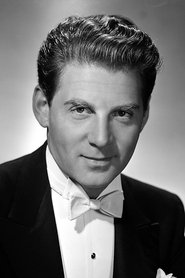 Jean-Pierre AumontPierre
 Louis JouvetMonsieur Edmond
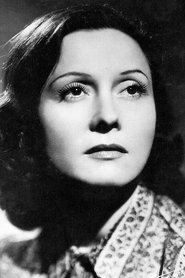 ArlettyRaymonde
 Paulette DubostGinette
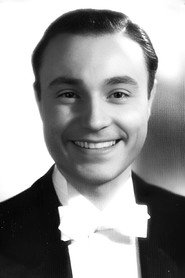 AndrexKenel
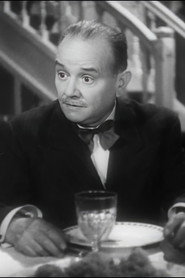 André BrunotEmile Lecouvreur
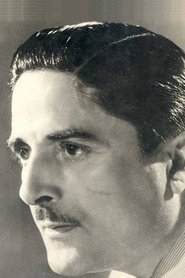 Henri BoscNazarède
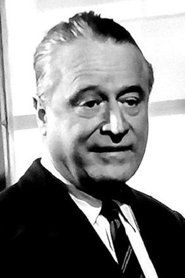 Marcel AndréLe chirurgien
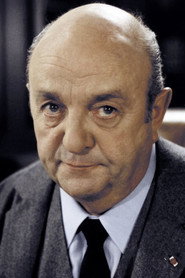 Bernard BlierProsper
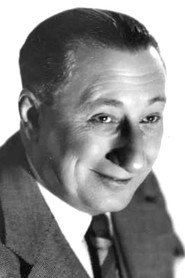 Jacques LouvignyMunar
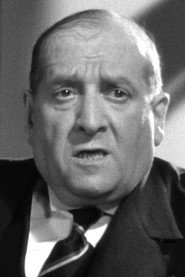 Armand LurvilleLe commissaire
Directing
- Marcel CarnéDirector
Writing
- Eugène DabitNovel
- Henri JeansonScreenplay
- Jean AurencheScreenplay
Production
- Joseph LucachevitchProducer
- Onésime GrinkrugProducer