
Film
Jenny
A 1936 French drama about a nightclub owner navigating desire, deception, and maternal love in Paris. Jenny is a film of elegant surfaces hiding murky depths—glamorous, frequently funny, but shadowed by the moral compromises its characters make without quite admitting them. For anyone who loves pre-war European cinema with actual stakes.
If you liked this
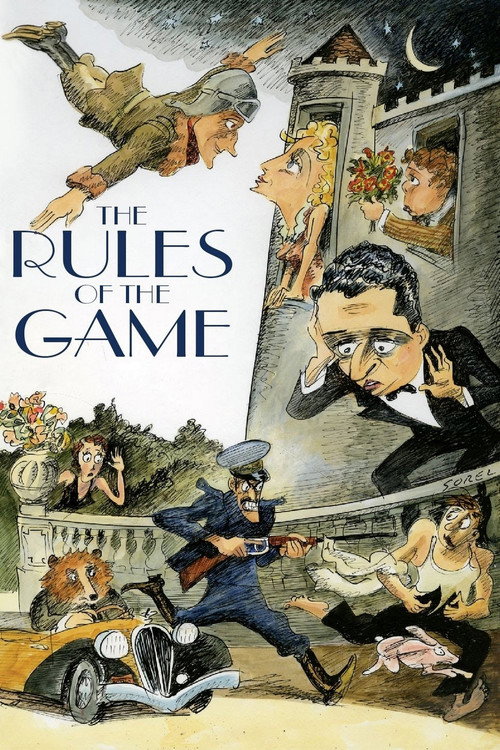
The Rules of the Game1939
Renoir's masterpiece of social comedy and romantic entanglement in pre-war France. Like Jenny, it finds tragedy and dark humour in the gap between what people want and what they're willing to do for it.
But Runs nearly three hours and moves at a pace that rewards patience rather than demanding it. Some find its ensemble sprawl harder to follow than a tighter plot.
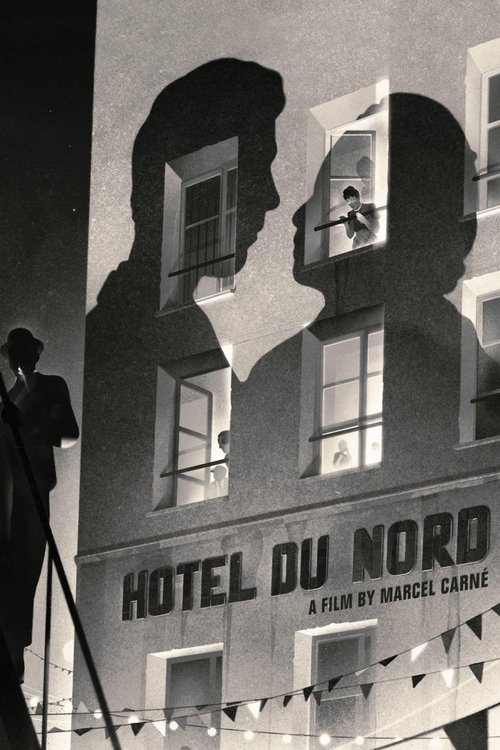
Hôtel du Nord1938
Another French 1930s gem about life in a modest Parisian hotel—atmospheric, romantic, and populated by people making dubious choices for understandable reasons. Carné's direction has the same fatalistic elegance as Jenny.
But The resolution feels neater and more sentimental than the dark world it depicts. May feel slight if you're expecting real consequences.
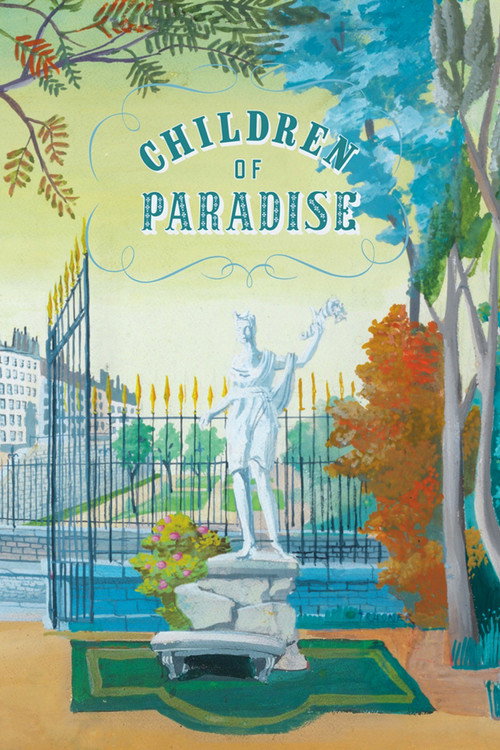
Children of Paradise1945
Carné and Prévert's epic about theatre, love, and performance in 19th-century Paris. Structurally bigger than Jenny but sharing its obsession with how people perform versions of themselves in society.
But Nearly three and a half hours. Its romanticism can feel overwhelming, especially if you prefer ambiguity to sweep.
Not sure tonight? Get a pick in a minute, starting from Jenny
The wildcard
Something you would not have found on your own.
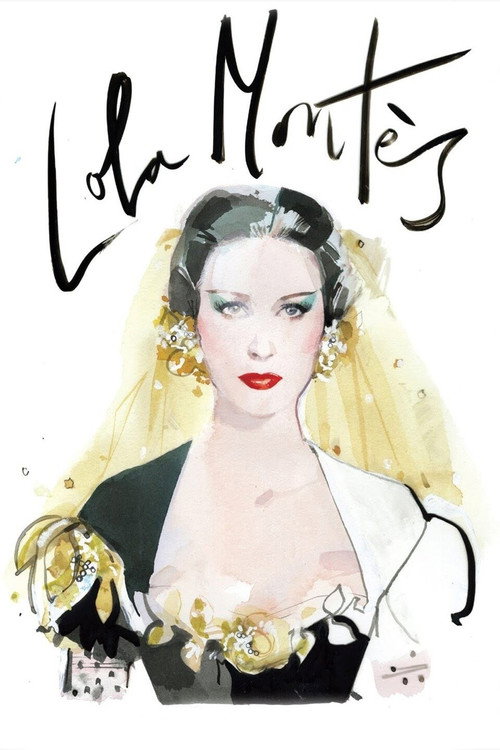
Lola Montès1955
Both centre on women whose sexuality and business acumen are inseparable from their survival. Both use glamour as a form of armour.
Ophüls' late masterpiece about a famous courtesan's life told through fragmented memory and circus performance. Like Jenny, it's about a woman navigating desire and power in a society that wants her to perform a version of herself.
But Formally demanding—non-linear, visually dense, deliberately constructed rather than natural. Its meditation on performance can feel cold.
More like this (6)
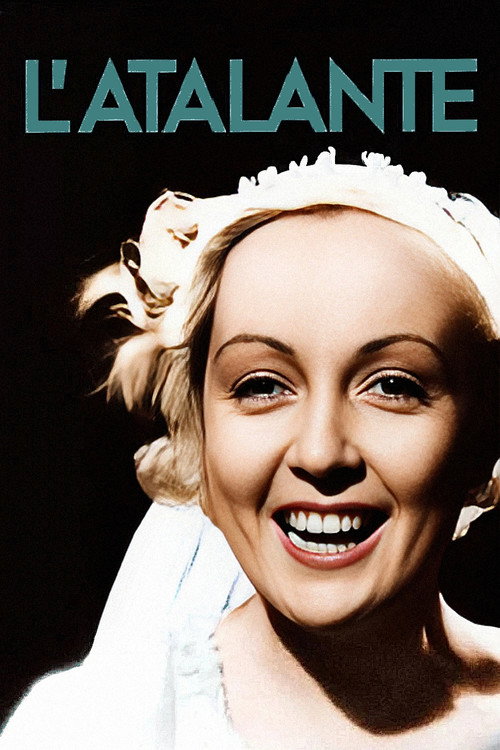
L'Atalante1934
Vigo's avant-garde love story set on a barge. Like Jenny, it's formally inventive and genuinely sensual about desire—visual and poetic rather than explicit, but unmistakably about bodies and want.
But Experimental narrative structure and surreal tonal shifts. If you want straightforward storytelling, this will frustrate you.
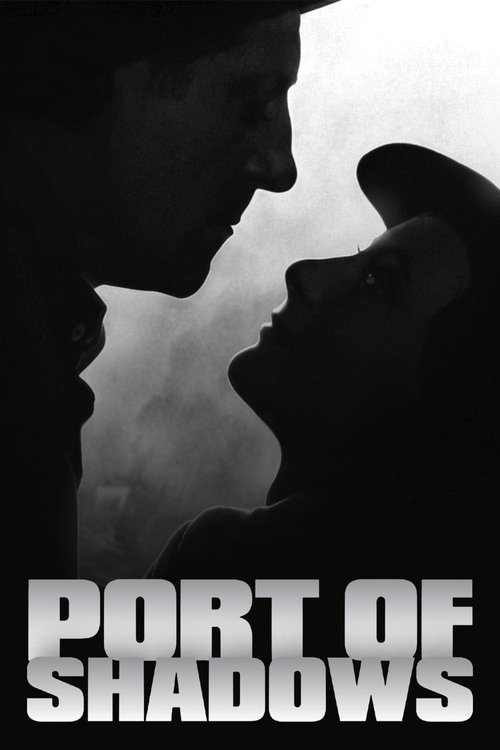
Port of Shadows1938
Carné again, this time with Gabin as a deserter falling for a young woman in Le Havre. Shares Jenny's fatalism and its recognition that love doesn't exempt you from the world's ugliness.
But A bit more conventionally noir and gloomier overall. Jenny has humour; this one mostly has rain and regret.
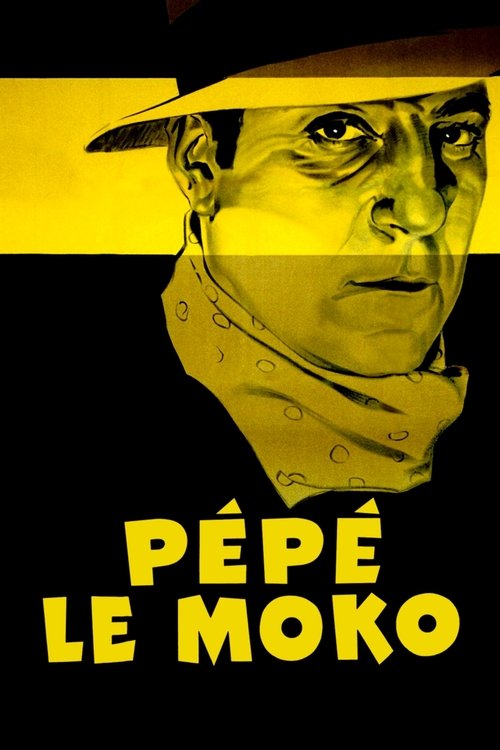
Pépé le Moko1937
A sophisticated crime film about a wanted man hiding in Algiers. Smart, stylish, and deeply interested in how people hide in plain sight—thematically close to Jenny's exploration of surfaces and secrets.
But The Casbah setting and some racial attitudes belong unmistakably to the 1930s. Requires viewing with historical awareness.
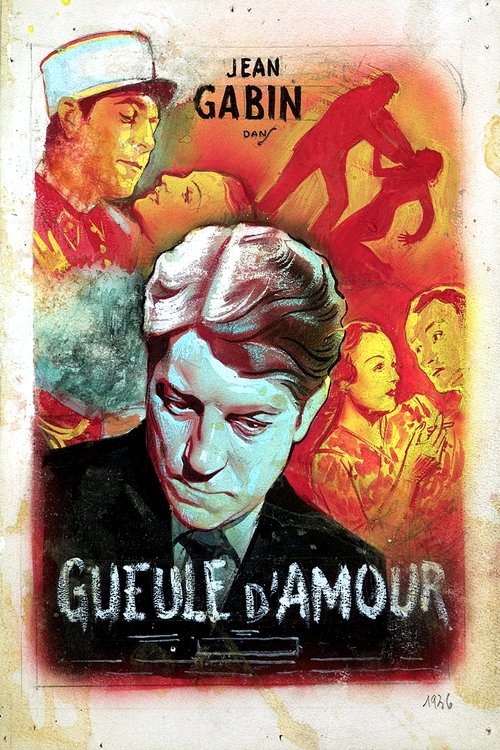
Lady Killer1937
Préjean (who stars in Jenny) in a romantic drama about a soldier and the woman who loves him. A chance to see the lead actor in a different register, and to sense the era's particular brand of doomed romance.
But Less formally innovative than Jenny. Depends heavily on performance, and Préjean's charm may not survive the century if you're not already sympathetic to the period.
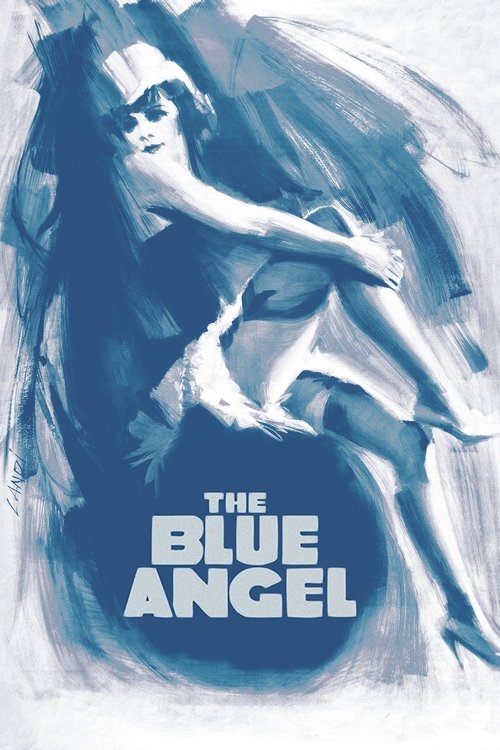
The Blue Angel1930
Both Jenny and Lola are women running businesses built on desire. The Blue Angel shows what happens when a man enters that world and forgets the transactional nature of it.
Sternberg's German masterpiece about a cabaret singer and a respectable professor who destroys himself for her. Electrifying, erotically frank in ways 1930s cinema barely allowed, and devastatingly about the gap between how people appear and who they are.
But Marlene Dietrich's performance is so magnetic it can overshadow the moral tragedy. The sexual politics, while the film critiques them, are still of their time.
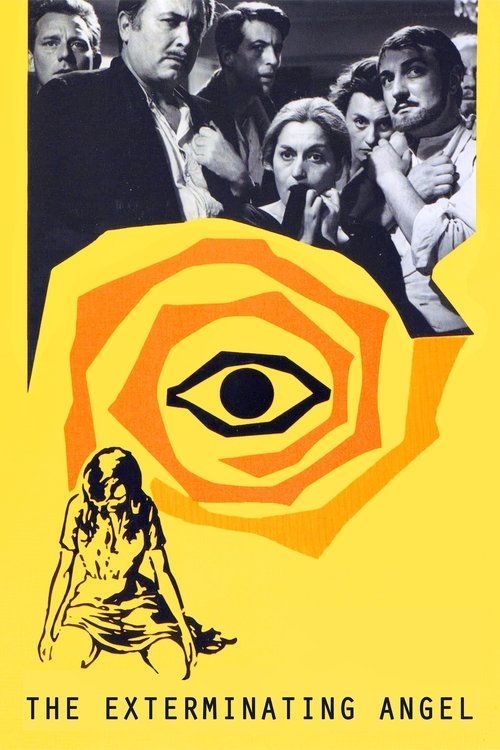
The Exterminating Angel1962
Both are fascinated by the rules that govern how we treat each other—and what lies just underneath them. Both suggest those rules are more fragile than we admit.
Buñuel's grotesque comedy about wealthy guests who cannot leave a dinner party. It has nothing to do with Jenny's plot but everything to do with its theme: the rituals we perform in society, and what happens when they break down. Darkly funny, unmistakably surreal.
But Obscure, deliberately bizarre, and patient with uncomfortable silences. If you need plot momentum or realistic behaviour, this will exhaust you.
People
Cast
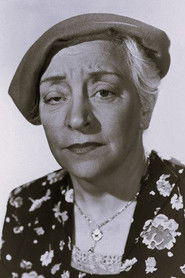 Françoise RosayJenny Gauthier
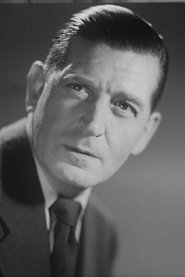 Albert PréjeanLucien Dancret
 Lisette LanvinDanielle Bricart
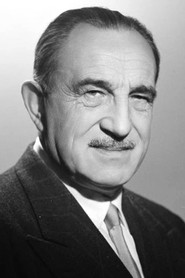 Charles VanelBenoit
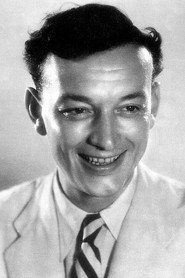 Roland ToutainXavier
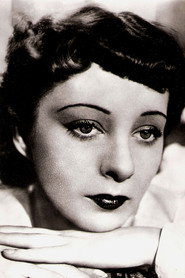 Sylvia BatailleFlorence
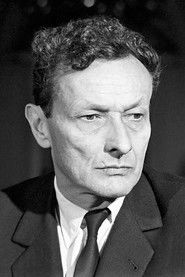 Jean-Louis Barraultle Dromadaire
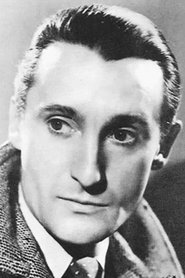 Robert Le Viganl'Albinos
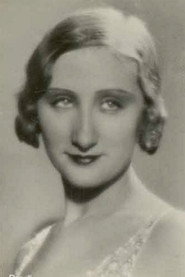 Margo LionMadame Vrack
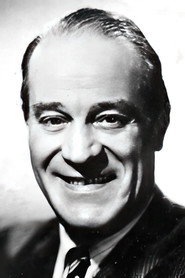 René Géninle pêcheur du bistrot
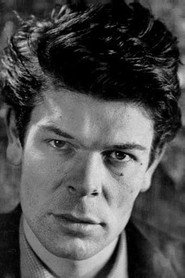 Roger Blinle malade solitaire
- Génia Vauryla jeune femme au chien
Directing
- Marcel CarnéDirector
Writing
- Pierre RocherNovel
- Jacques ConstantScreenplay
- Jacques PrévertScreenplay
Production
- Albert PinkovitchProducer
- Jean StelliProduction Manager