
Film
Lady Killer
A 1937 French drama where Jean Gabin's charm in uniform counts for nothing once he leaves the army. Lucien chases a woman who belongs to a world he can't buy his way into, learning that seduction and money don't solve class. It's a quiet, melancholic film about the gap between who we think we are and who we actually are.
If you liked this
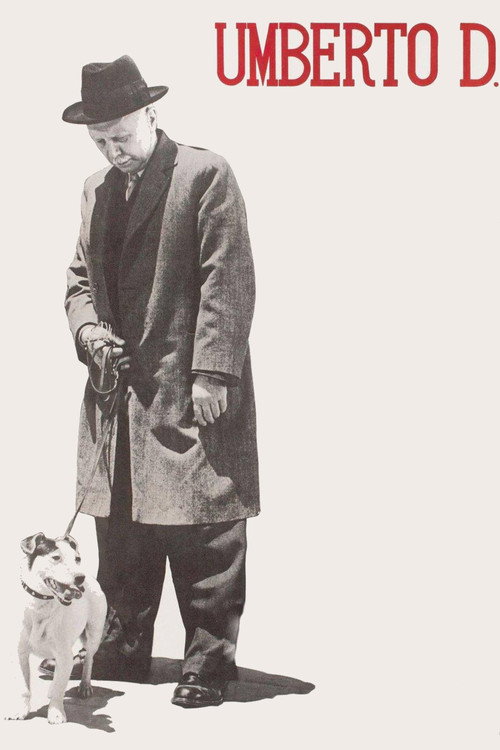
Umberto D.1952
An elderly retired man struggles to maintain dignity as poverty closes in. De Sica finds heartbreak in small humiliations. It shares Gueule d'Amour's clear-eyed refusal to sentimentalize decline, and its belief that character matters more than circumstance.
But It's unhurried and offers no catharsis. The sadness is genuine and lingers after the credits.
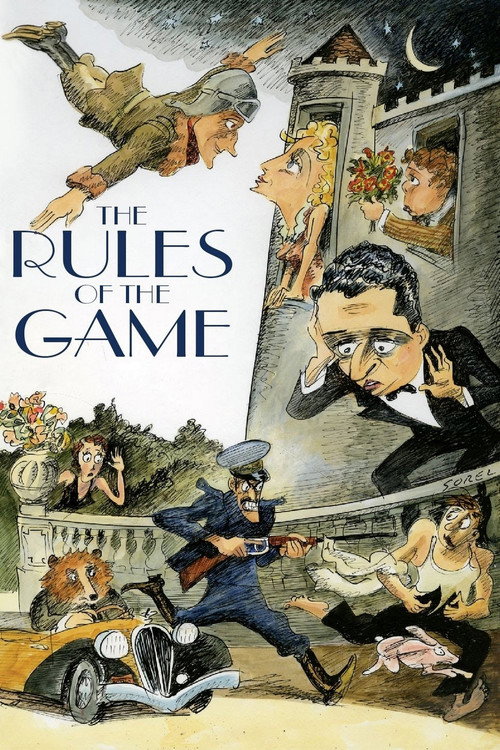
The Rules of the Game1939
Renoir's masterpiece about class, desire, and the masks we wear. Made just after Gueule d'Amour, it explores the same territory—who belongs where, what seduction really costs—but with Renoir's generous, tragic vision of human weakness.
But It's almost three hours and deliberately plotless. The social satire can feel remote if you're not attuned to French prewar society.
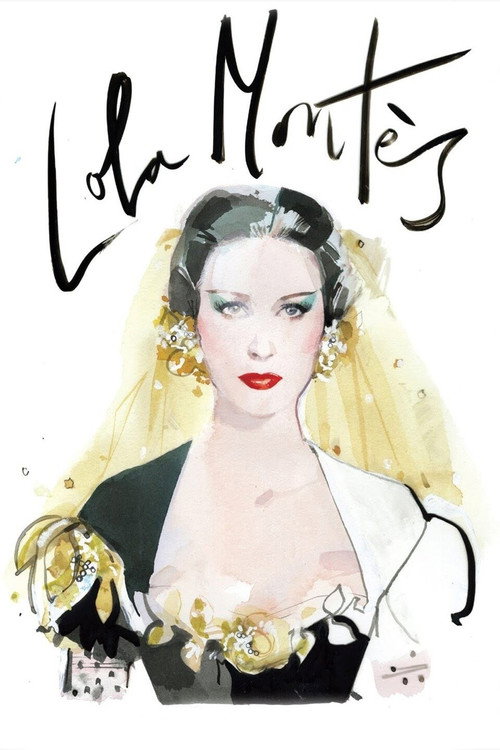
Lola Montès1955
Max Ophüls follows a woman destroyed by her own allure and men's inability to see past it. Like Gueule d'Amour, it traces how beauty and charm become traps, and how the world divides cleanly into those who have and those who don't.
But Ophüls' melodrama is ornate and heartbreaking in ways some find manipulative. It doesn't pull punches about suffering.
Not sure tonight? Get a pick in a minute, starting from Lady Killer
The wildcard
Something you would not have found on your own.
Brief Encounter1945
Both films argue that sincere feeling and good character mean nothing against the architecture of class. Both end with the protagonist alone, having learned that desire and belonging are not the same thing.
Noël Coward's masterpiece about two people from different worlds who find each other and can't have each other. It's English, not French, and entirely restrained, but it's the definitive film about the class barriers that make love impossible, told with devastating quiet.
But It's a middle-class romance that builds to absolute heartbreak. If you need your love stories to end in union, this will devastate you.

More like this (7)
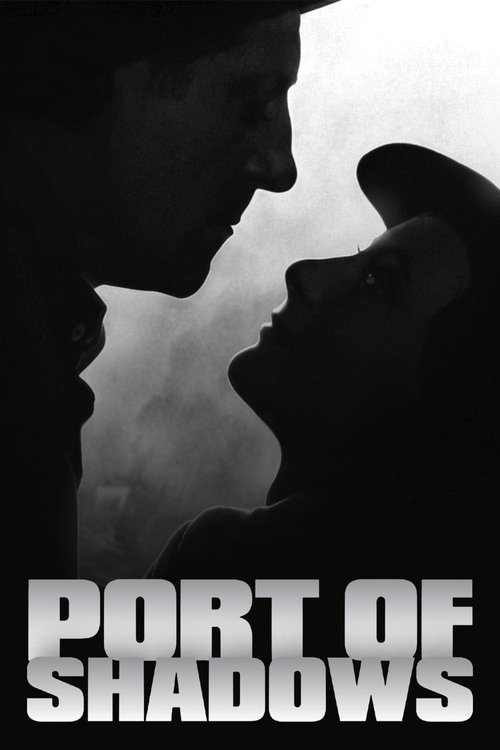
Port of Shadows1938
Gabin again, in another role where he's trapped by fate and circumstance. Carné creates a doomed atmosphere where charm and good intentions dissolve against fog and class barriers. Essential companion to understanding Gabin's tragic register.
But It's bleak. There's no redemption and little hope. If you need things to work out, this will frustrate you.
The Asphalt Jungle1950
Huston's crime film captures men from different worlds trying to work together across class lines. Like Gueule d'Amour, it sees clearly how social position shapes destiny, and how belonging is never quite possible for everyone.
But It's a procedural that takes its time. The heist isn't the point; the men are, and that bores some viewers.

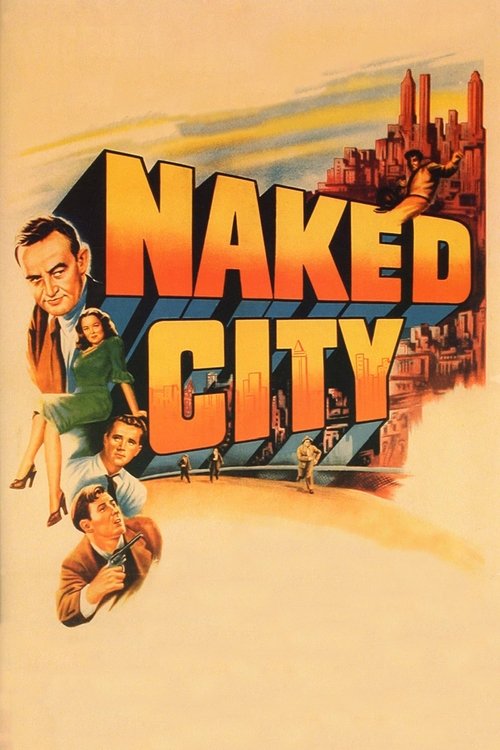
The Naked City1948
Dassin documents New York with the same unsentimental eye Gabin brought to Paris. A murder investigation becomes a map of who matters and who doesn't. The mood is cool, observant, and melancholic.
But The plot is secondary to atmosphere. If you want a thriller, you'll miss the point.
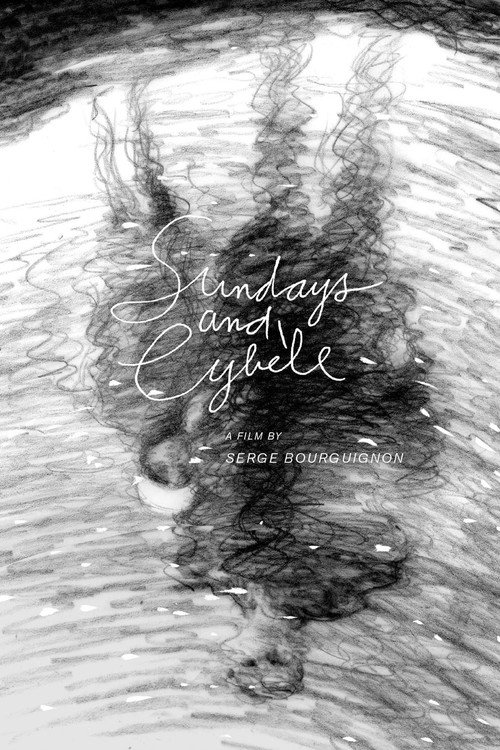
Sundays and Cybele1962
An aging man and a young girl form an unlikely bond that the world cannot accept. It has the same quality of longing and social impossibility as Gueule d'Amour, with a similarly unsentimental view of human need.
But The subject matter is uncomfortable and the ending is dark. It doesn't provide the comfort of conventional morality.
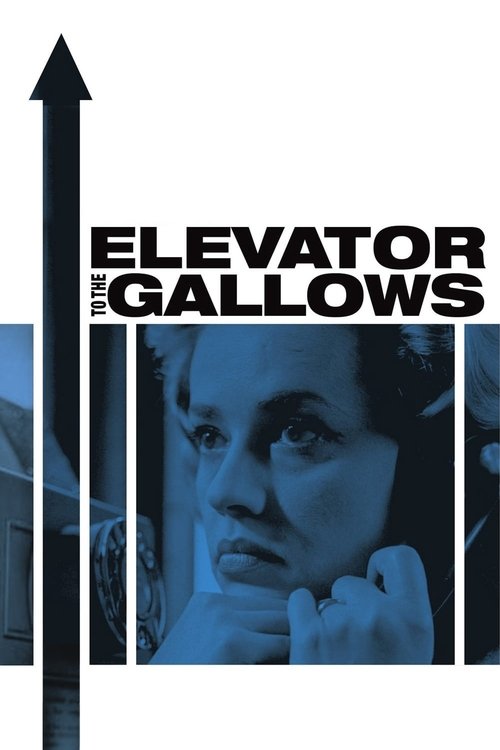
Elevator to the Gallows1958
Louis Malle follows a man of ambition trying to escape his circumstances through crime. It has the same 1930s-40s Paris atmosphere and the same fatalism: some people can never climb high enough.
But It's noir and cynical. No one is particularly likable, and justice is incidental.
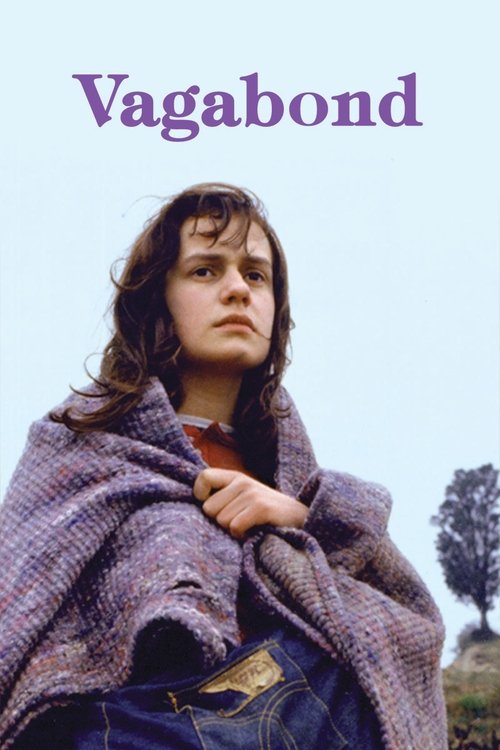
Vagabond1985
Like Gueule d'Amour, it refuses to blame its protagonist or offer false hope. Both see social exclusion not as a moral failing but as a structural fact. Neither film looks away.
Agnès Varda's documentary-realist film follows a homeless woman backward through her life, meeting the people who knew her. It has zero sentimentality and the same clear-eyed French view of social sorting: some people simply don't fit.
But It's bleak and formally demanding. There's no narrative arc, just accumulating evidence of how someone falls through the cracks.
The Third Man1949
Both films use a corrupted, beautiful woman as the agent of a man's downward education. Both end with the protagonist understanding that some gaps cannot be closed. Both are about learning what you're not.
Carol Reed's Vienna-set masterpiece about a man who discovers the person he trusted most is a different person entirely. It has the same mood as Gueule d'Amour—elegiac, disillusioned, beautiful—and the same recognition that the world sorts people and some stay sorted.
But It's a thriller that prioritizes mood over plot. The ending is famous but not triumphant. Some find it too controlled and cold.

People
Cast
 Jean GabinLucien Bourrache, dit 'Gueule d'Amour'
 Mireille BalinMadeleine Courtois, l'aventurière
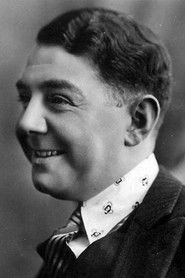 Pierre Etcheparele patron de l'hôtel
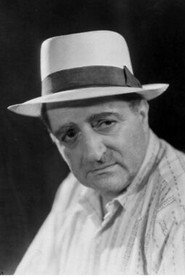 Henri PouponMonsieur Cailloux, le restaurateur
- Jean AyméAdrien, le valet de chambre
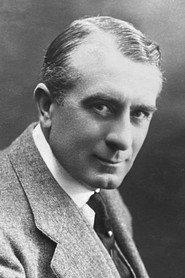 Pierre Magnierle commandant de la garnison d'Orange
- Marguerite DevalMadame Courtois, mère de Madeleine
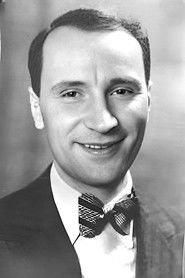 René LefèvreRené Dauphin, l'ami de Lucien
 Jane MarkenMme Cailloux, la restauratrice
- Robert CasaJean-Pierre Moreau, le protecteur
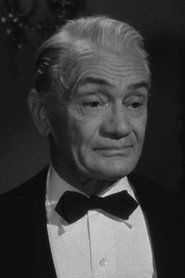 André SiméonLe patron du restaurant
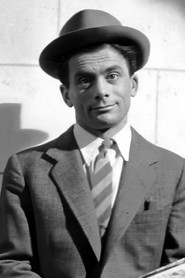 Maurice BaquetLe soldat malade
Directing
- Louis DaquinAssistant Director
- Roger BlancAssistant Director
- Jean GrémillonDirector
Writing
- André BeuclerNovel
- Charles SpaakScenario Writer
Production
- Raoul PloquinProducer