
Film
The Manxman
Hitchcock's silent melodrama about two childhood friends—a fisherman and an ambitious lawyer—torn apart by love for the same woman. Shot on the Isle of Man with remarkable visual storytelling, it's a tense emotional triangle played out through glances, gestures, and the landscape itself. For patient viewers who want to see an early master at work before he became famous for thrills.
Should you watch it?
Watch it if you love silent cinema's big, emotive faces and the slow burn of rivalry between two men bound by an old friendship, with the Isle of Man's rough coastline doing much of the talking.
Skip it if you need quick cuts and modern pacing; this 1929 Hitchcock film moves at a deliberate, stage-influenced rhythm, and its intertitles and melodrama can feel stiff to newcomers.
What it asks of you: Roughly a hundred minutes of patience, with long silences and sustained looks that reward close attention; the mood stays weighty and sombre rather than light.
Not sure? Find tonight's pick in a minute.
If you liked this
Sunrise: A Song of Two Humans1927
F.W. Murnau's masterpiece about temptation and moral ruin, told entirely through image and performance. Like The Manxman, it's a silent film that moves with operatic intensity and uses light and shadow to expose inner turmoil.
But It's a silent film from 1928. If you need dialogue and fast cuts to stay engaged, this will feel glacial and you'll feel your attention slipping.

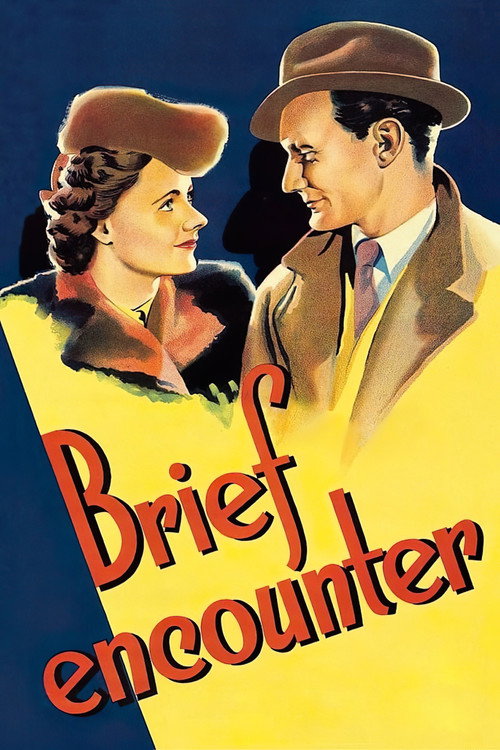
Brief Encounter1945
Noël Coward's achingly restrained drama about two strangers who fall in love but can't act on it. Same emotional architecture as The Manxman—impossible desire, class tension, the weight of social obligation—but in a British mode that's almost unbearably poignant.
But The pacing is deliberate and the passion is all subtext. If you want romance to be loud and obvious, this will feel like watching people not kiss for two hours.
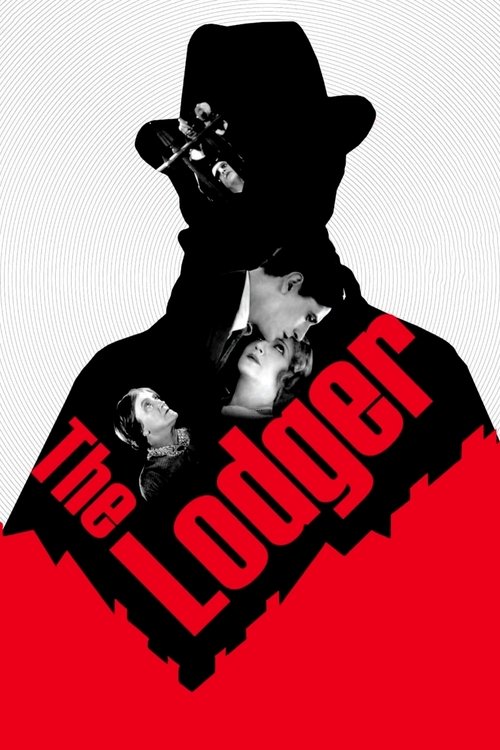
The Lodger: A Story of the London Fog1927
Hitchcock's first major success, a psychological thriller that proves he was brilliant at building dread through visual composition before he ever needed to shock with plot. The same precise control of mood and camera that defines The Manxman.
But It's a thriller, not a love story, so if you're drawn to The Manxman primarily for its emotional core, this will feel colder and more detached.
Not sure tonight? Get a pick in a minute, starting from The Manxman
The wildcard
Something you would not have found on your own.
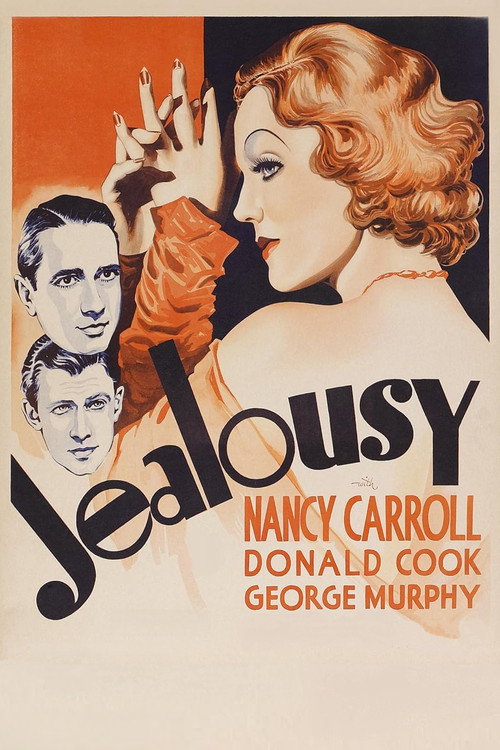
Jealousy1934
Both are regional love triangles where geography and class are destiny; both treat small communities as traps where passion and social position inevitably collide.
French director Jean Dréville's forgotten masterpiece about class, desire, and betrayal in a small fishing community. Like The Manxman, it's a tight drama about how love destabilizes social order, but it's crueler and more sordid—a shadow version of the story Hitchcock told.
But It's obscure, poorly preserved, and the romantic leads are less sympathetic than you might expect. The cynicism can feel jarring if you want your melodrama to have moral clarity.
More like this (7)
The Phantom Carriage1921
Swedish director Víctor Sjöström's masterpiece about guilt and redemption, told with supernatural overtones. The visual sophistication and emotional depth rival anything from the same era; it's a reminder that silent cinema could be genuinely profound.
But It's bleak, slow, and metaphysical rather than plot-driven. The supernatural framing device will feel dated if you're expecting realism.

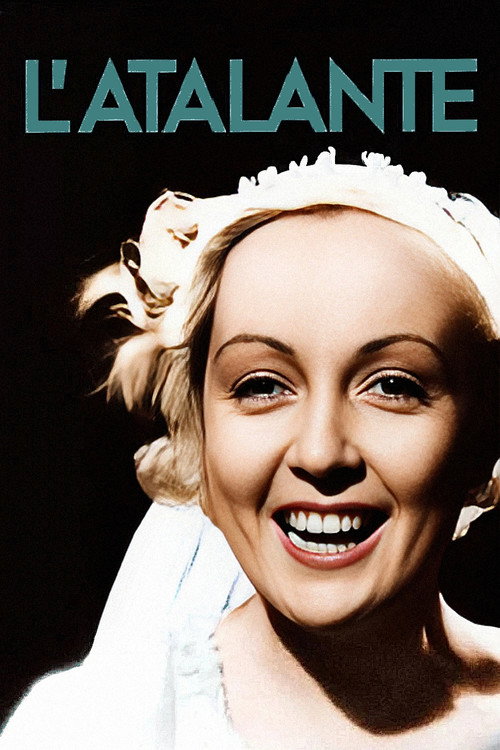
L'Atalante1934
Jean Vigo's poetic romance about a river barge and the tensions between a young couple and the crew. Like The Manxman, it's small in scale but enormous in emotional resonance, with deep focus cinematography that makes every frame sing.
But It's a French film from 1934 and can feel oblique; the plot is thin and the mood matters more than story momentum.
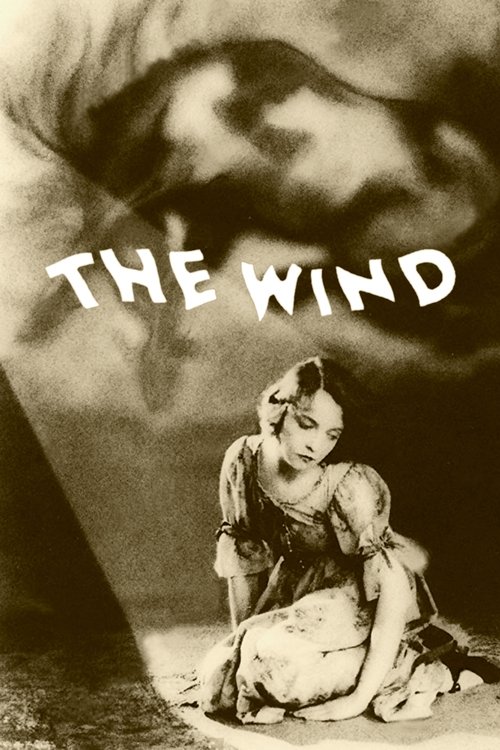
The Wind1928
Victor Sjöström again, in a Hollywood film that's a masterclass in using landscape and weather as character. The psychological unraveling is conveyed almost entirely through performance and composition—exactly the language of The Manxman.
But The story is punishing and the heroine's suffering is relentless. It's beautifully crafted but difficult to sit with.
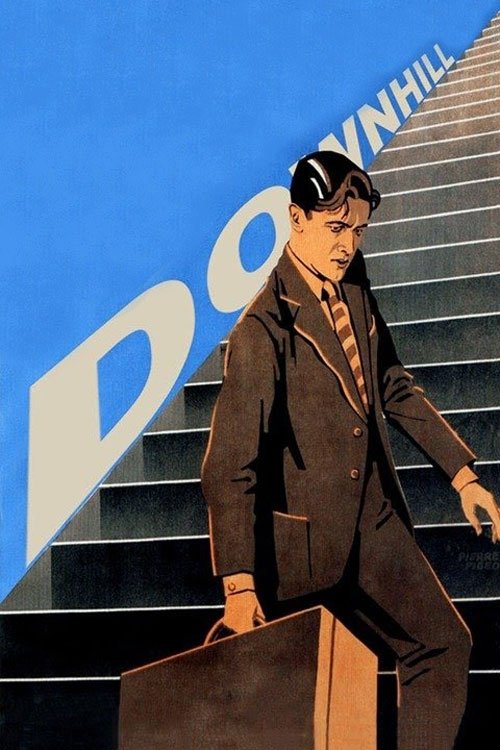
Downhill1927
Hitchcock's exploration of social class and moral judgment, with Ivor Novello as a schoolboy falsely accused of a crime. Early Hitchcock at his most empathetic, interested in how reputation can destroy a life—the same moral terrain as The Manxman.
But The plot is dated and the Hitchcock techniques aren't yet fully formed. It's interesting historically but less polished than his later work.
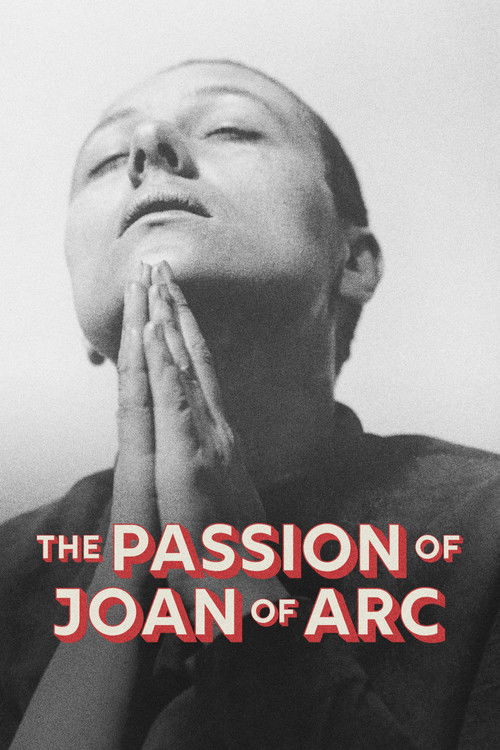
The Passion of Joan of Arc1928
Carl Theodor Dreyer's masterpiece of spiritual and physical suffering, told almost entirely through Renée Jeanne's face. A technical and emotional achievement that shows what silent cinema could do; if you want to see what moved audiences in this era, this is it.
But It's harrowing and the pace is glacial. Joan's martyrdom is graphic and the film offers no relief; it's an endurance test disguised as art.
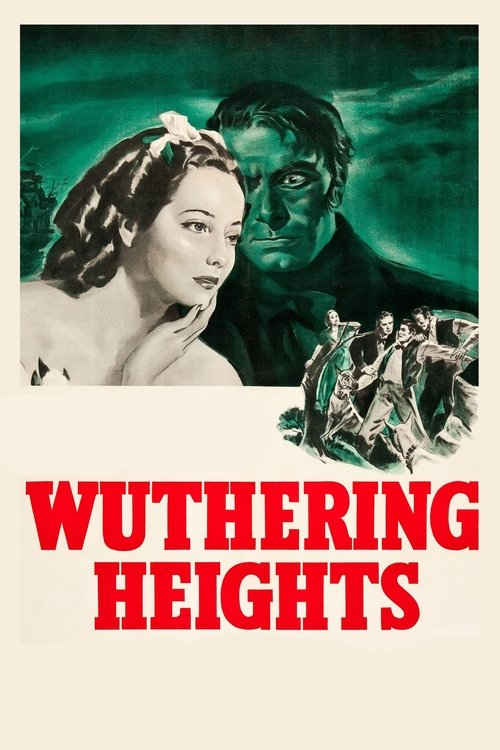
Wuthering Heights1939
Both use love between people from different social worlds as the engine of tragedy; both have characters whose attachment is rooted in childhood and is therefore almost beyond their control.
William Wyler's adaptation of Emily Brontë catches what's primal in the novel: childhood friends separated by class, burning love that destroys everyone it touches, landscape as emotional mirror. Laurence Olivier and Merle Oberon have the kind of electric tension that makes The Manxman's emotional temperature suddenly make sense.
But It's melodramatic in a Gothic register that feels overwrought to modern eyes. The obsession can read as unhealthy rather than tragic, and it's long.
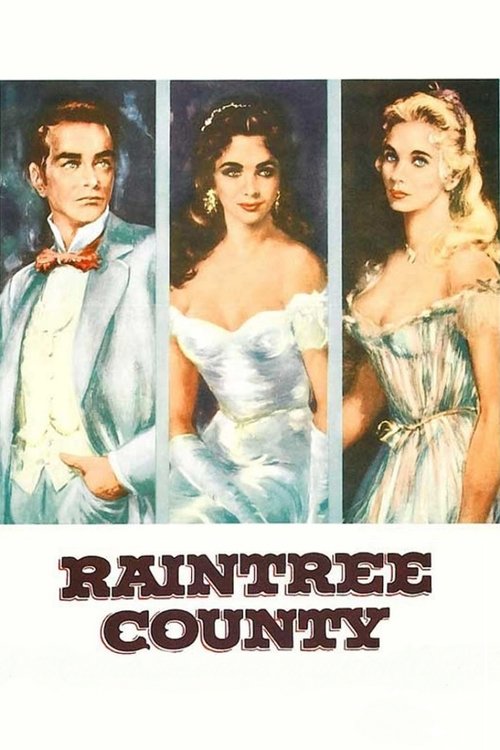
Raintree County1957
Both films use romantic conflict as a way to explore how personal desire crashes against obligation and circumstance; both suggest that some choices can't be unmade, no matter how desperately we want to.
John Ford's ambitious Civil War epic is ostensibly about history and politics, but it's really about a man torn between two women—one who represents duty, one who represents desire. Like The Manxman, it's a character study trapped inside a larger genre; the emotional architecture is the whole point.
But It's extremely long, visually indulgent, and the narrative jumps around. Ford doesn't make the emotional stakes as clear as they could be; you have to meet him halfway.
People
Cast
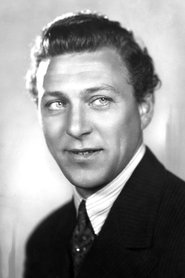 Carl BrissonPete Quilliam
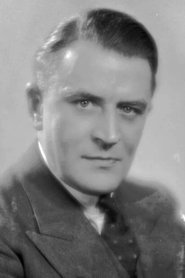 Malcolm KeenPhilip Christian
 Anny OndraKate Cregeen
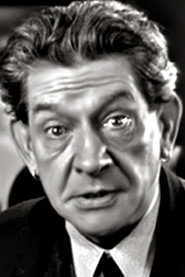 Randle AyrtonCaesar Cregeen
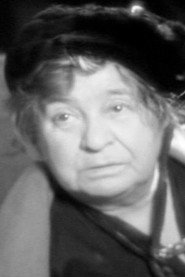 Clare GreetMrs. Cregeen
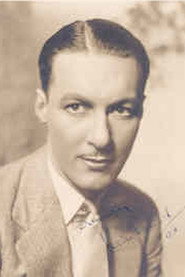 Kim PeacockRoss Christian (uncredited)
- Nellie RichardsWardress (uncredited)
- Wilfred ShineDoctor (uncredited)
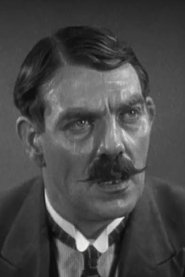 Harry TerryMan (uncredited)
Directing
- Frank MillsAssistant Director
- Alfred HitchcockDirector
Writing
- Hall CaineNovel
- Eliot StannardScenario Writer
Production
- John MaxwellProducer