
Film
Downhill
- Social drama
- Very dark
A silent melodrama about a fall from grace. Ivor Novello plays a public schoolboy who sacrifices everything for loyalty, then watches his life splinter across Europe. Downhill is Hitchcock's second film, and it moves with the swiftness of a nightmare—elegant, bitter, and genuinely about the weight of shame.
If you liked this
Sunrise: A Song of Two Humans1927
Released the same year, Murnau's masterpiece also tracks a man's moral collapse and redemption with visual poetry. The camera work will break your heart in ways dialogue never could.
But It's wordless and hypnotic—if you want plot momentum or clarity, the dreamy pacing may frustrate you.

Letter from an Unknown Woman1948
Ophüls refines the melodrama of self-destruction into something devastating. A man's callousness wrecks lives with the same inevitability as Roddy's choices do, but told with more psychological depth.
But It's lush and mannered to a degree that can feel overwrought if you're not in the mood for pure emotional wallowing.

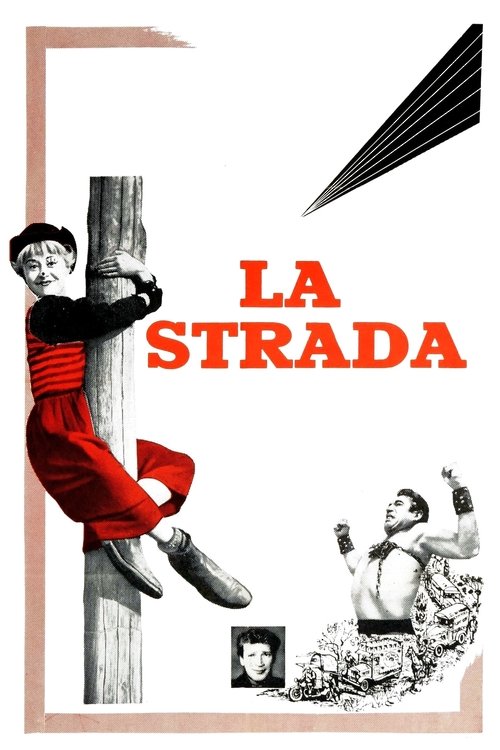
La Strada1954
Fellini's film about a man who discards the woman devoted to him and drowns in regret. The same trajectory of ruin, but rendered with compassion instead of judgment—sadder, perhaps, because of it.
But It's very long and very slow, and the exploitation at the story's heart doesn't sit lightly. Not an easy watch, even by 1950s standards.
Not sure tonight? Get a pick in a minute, starting from Downhill
The wildcard
Something you would not have found on your own.
Pandora's Box1929
Both are Weimar-era films about the social machinery that destroys individuals. Downhill blames the individual's conscience; Pandora's Box blames the world's hypocrisy. Together they're a complete argument.
Pabst's Weimar masterpiece about Lulu, a woman whose casual destruction of everyone around her mirrors Roddy's fall but inverts it—she doesn't fall, everyone else does. The camera is so fluid and modern it feels like it was made in the 1970s. A formal heir to Downhill but far more radical.
But Lulu is neither sympathetic nor likable, and the film doesn't ask you to judge her—it asks you to see through her eyes. That refusal of moral clarity unsettles most viewers.

More like this (8)
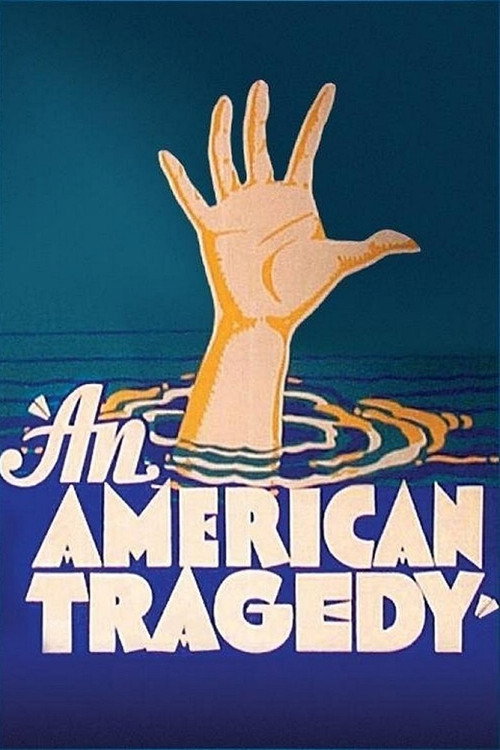
An American Tragedy1931
Dreiser and Sternberg create an American Roddy—a man destroyed by ambition and circumstance. It's darker than Downhill and far more politically acute about class and desire.
But The pacing feels ponderous now, and the ending is brutally bleak without any of Downhill's hint of redemption.
Nosferatu1922
German Expressionism at its peak: Count Orlok descends on a town with the inevitability of Roddy's fall. Same era, same visual language, but the horror is literal instead of psychological.
But It's slow by modern standards, and the special effects, though brilliant, won't unsettle you the way they once did.

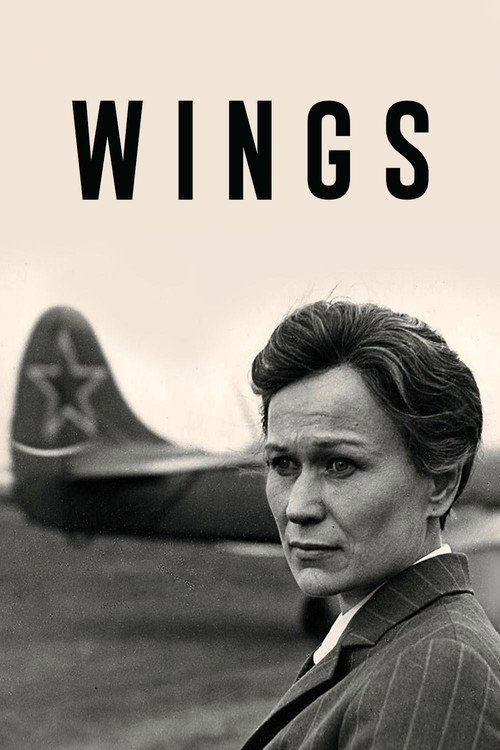
Wings1966
Larisa Shepitko's austere Soviet masterpiece about a former pilot haunted by the weight of command. The same meditation on failure and regret, but stripped to something almost abstract.
But It's formally challenging and emotionally glacial—beauty without warmth, which is precisely what makes it work, but not everyone's idea of an evening.
The Third Man1949
Greene and Reed's Vienna-set thriller about a man discovering his friend is a monster. The atmosphere of moral corruption and European decay mirrors Downhill's world exactly, but with a spy plot underneath.
But It's genuinely cynical—no redemption possible, only compromise and complicity. If you want characters to learn, this will disappoint you.

Kes1970
Loach's kitchen-sink realism about a working-class boy whose one source of grace is taken from him. The descent is slower and more sociological than Downhill, but equally merciless.
But It's grim and sometimes feels more like documentary than drama. The brutality is casual rather than poetic, which some find more disturbing and others just depressing.

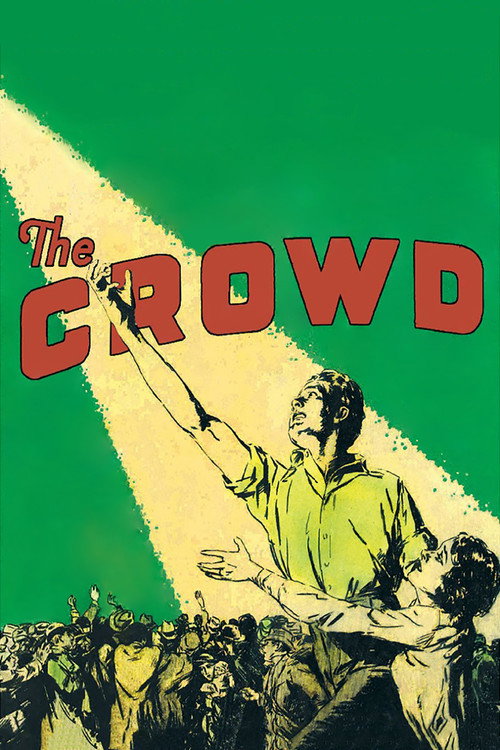
The Crowd1928
Vidor's existential melodrama about an ordinary man destroyed by ordinary circumstance. Made just after Downhill, it asks the same question: what happens when the world is indifferent to your suffering?
But The print quality varies wildly, and the sentiment—though real—can read as maudlin if you're resistant to silent-era emotional manipulation.
Stalker1979
Both films are about journeys into darkness—Roddy into literal degradation, the Stalker into metaphysical uncertainty. Both believe that descending teaches you something true about yourself.
Tarkovsky's science fiction poem about a man guiding others through a mysterious zone toward wish-fulfillment. It's Downhill's opposite—a descent into spiritual longing rather than social ruin—but shot with the same visual precision and the same obsession with what the fall costs.
But It's three hours of philosophical meditation with barely any plot. If you want narrative momentum, this is purgatory. Even fans find it exhausting.

The Killing1956
Same trajectory of moral and social collapse, but told with black comedy instead of melodrama. Where Downhill makes you ache, The Killing makes you flinch.
Kubrick's heist film told in fractured chronology, following multiple men destroying themselves through a single crime. It's Downhill remade as noir—faster, colder, utterly without sentiment, but asking the same question about whether good intentions excuse bad choices.
But It's glacial and bleakly funny in ways that can feel cruel. There's no one to root for, and the ending is designed to mock the idea that fate is fair.

People
Cast
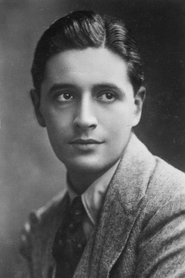 Ivor NovelloRoddy Berwick
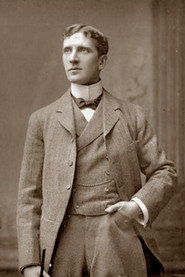 Ben WebsterDr. Dawson
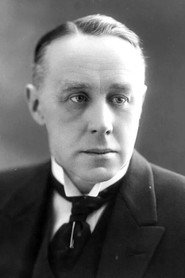 Norman McKinnelSir Thomas Berwick
 Robin IrvineTim Wakeley
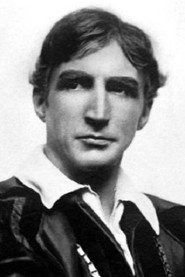 Jerrold RobertshawThe Rev. Henry Wakeley
 Sybil RhodaSybil Wakeley
 Annette BensonMabel
- Lilian BraithwaiteLady Berwick
- Isabel JeansJulia
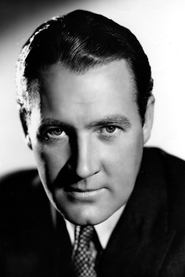 Ian HunterArchie
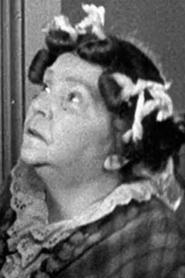 Hannah JonesDresser
- Barbara GottMadame Michet
Directing
- Frank MillsAssistant Director
- Alfred HitchcockDirector
Writing
- Constance CollierOriginal Story
- Ivor NovelloOriginal Story
- Eliot StannardScenario Writer
Production
- C.M. WoolfProducer
- Michael BalconProducer