
Film
Jealousy
Other titles called Jealousy: the 1971 film, the 2013 film.
A 1934 melodrama about a boxer destroyed by jealousy. Larry's possessiveness costs him his fight, his marriage, and eventually a life—his own or his wife's, depending on how the cards fall. It's raw, economical storytelling: sixty-six minutes of escalating desperation, shot through with the fatalism of early sound cinema. For anyone curious about pre-Code Hollywood's willingness to sit with moral wreckage.
Should you watch it?
Watch it if you like tight, sour domestic melodrama where one jealous streak bends everyone's choices, and you're happy with a 1930s film that plays its suspicions straight rather than winking at them.
Skip it if you want brisk plotting or a light touch, because its sixty-six minutes stay in a claustrophobic mood and performances that feel stagey by today's standards.
What it asks of you: Settle in for a short, close-quarters film where the dread builds slowly through quarrels and sulks, and your patience with 1930s acting conventions does real work.
Not sure? Find tonight's pick in a minute.
If you liked this
In a Lonely Place1950
Bogart as a man whose jealousy and rage isolate him completely, watched by a woman who loves him but cannot save him. A portrait of toxicity that never excuses the toxin. Burnett directs with surgical precision.
But It's bleak without catharsis, and Bogart is deliberately unlikeable. The pacing is slow, built on dread rather than incident.

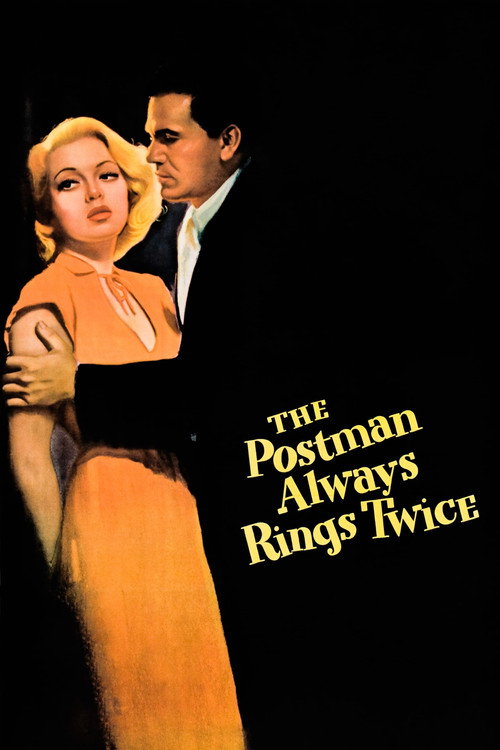
The Postman Always Rings Twice1946
Lana Turner and John Garfield in a spiral of desire and murder that mirrors Jealousy's trajectory but with more money and less conscience. The same fatal logic, dressed in lipstick and fedoras.
But It's a noir, so shadows and cynicism replace the rawer emotion of the earlier film. Some find the style overshadows the story.
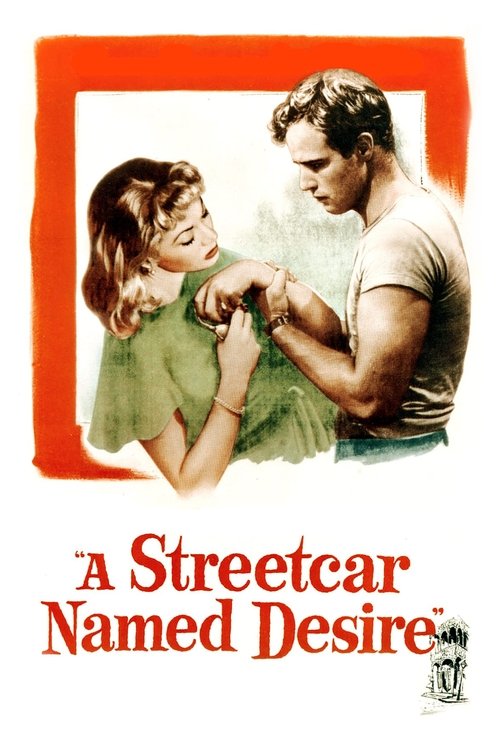
A Streetcar Named Desire1951
Brando as Stanley, a man whose possessiveness erupts into violence. The same jealous desperation, but psychologically deeper and theatrically urgent. Williams understood male rage the way few writers do.
But It's loud and claustrophobic. The sexual tension can feel oppressive, which is the point, but that doesn't make it easy to sit with.
Not sure tonight? Get a pick in a minute, starting from Jealousy
The wildcard
Something you would not have found on your own.
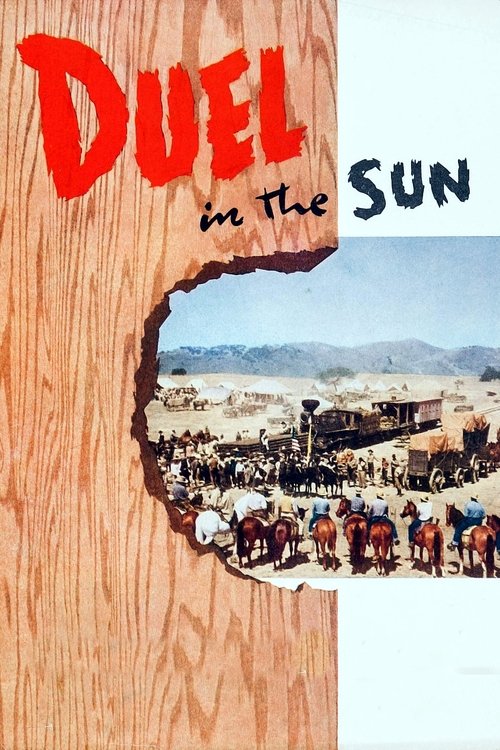
Duel in the Sun1946
Both films center on a woman trapped between masculine jealousy and possession, and both treat her sacrifice as inevitable. Duel invites us to see that inevitability as tragic poetry rather than just tragedy.
David O. Selznick's Technicolor fever dream of desire and violence. A woman caught between two brothers, one jealous and brutal, one weak. It's Jealousy's themes blown up to melodramatic excess, photographed like a wound.
But The racial politics are ugly, the plot is preposterous, and the visual style can feel overwrought. It's also nearly two hours when the idea could be told in half that.
More like this (8)
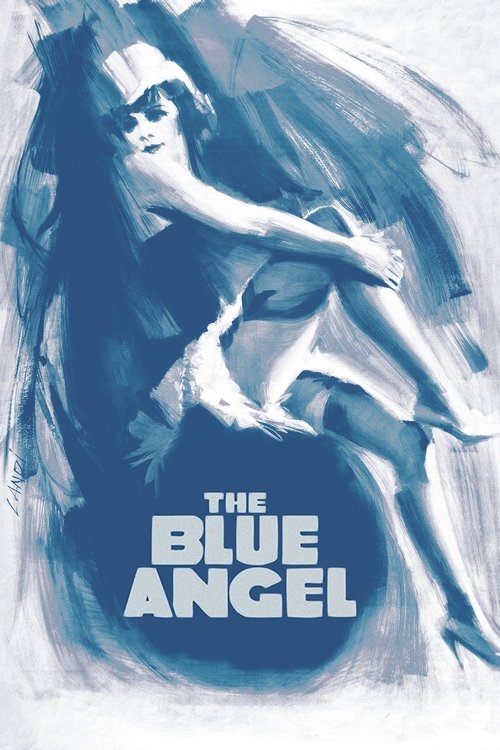
The Blue Angel1930
Jannings as a man unmade by fixation on a woman. Like Jealousy, it watches a respectable man dissolve into humiliation and chaos. Sternberg shoots it like a descent into hell.
But The pacing is deliberate to the point of stasis. Jannings' performance is extreme even by Expressionist standards, which some find overwrought.
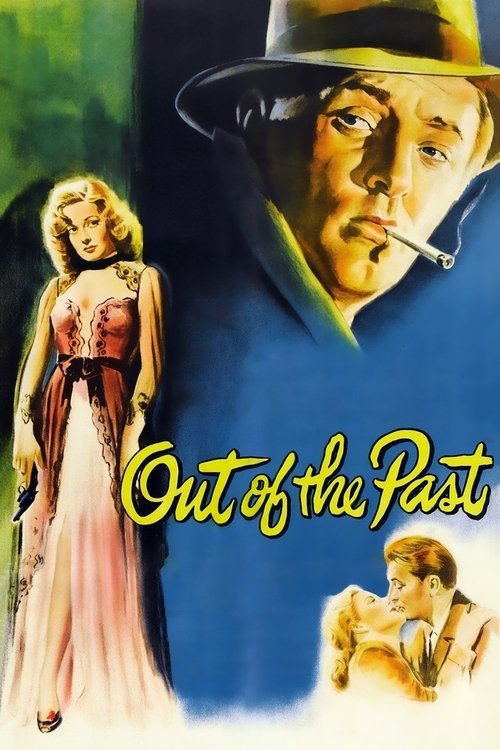
Out of the Past1947
Mitchum as a man trapped by a woman and his own inability to let go. The jealousy here is quieter but no less fatal. A masterclass in noir fatalism and the cost of desire.
But The plot twists can feel contrived, and the femme fatale trope, while deployed brilliantly, still trades in misogyny. It's a product of its era.
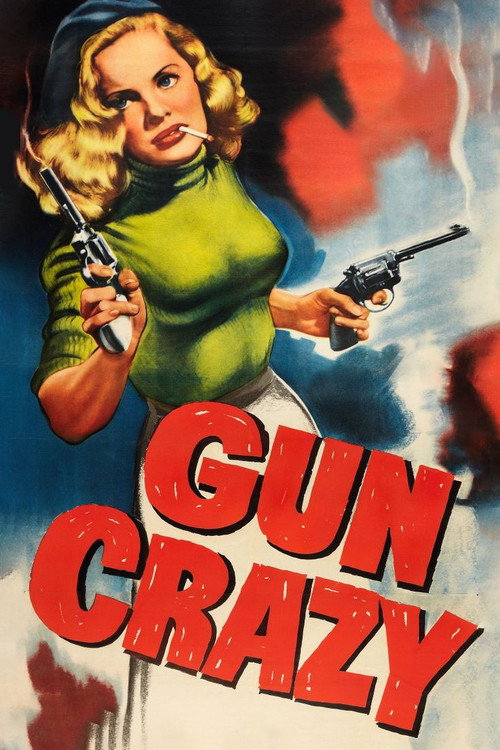
Gun Crazy1950
Two lovers spiral into violence together, codependent and doomed. It has the same urgent inevitability as Jealousy, but with more style and a genuine tenderness before everything fractures.
But It's stylistically mannered in ways that can distract. Some viewers find the romanticization of the couple troubling, even accounting for irony.
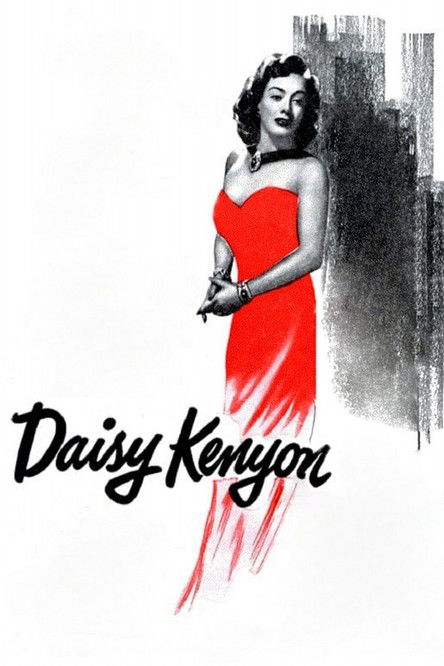
Daisy Kenyon1947
Joan Crawford caught between two men, one possessive, one weak. A sharp examination of how jealousy masquerades as love, with more wit and social observation than Jealousy allows itself.
But It's a woman's picture of the era, which means it can feel dated in its assumptions about romance and divorce. The ending is tidy in ways the setup doesn't quite earn.
The Killers1946
Burt Lancaster in his debut, a man undone by a woman who may or may not deserve his devotion. Siodmak's direction is taut and noir-dark; the jealousy simmers beneath the surface like radiation.
But It's fractured in structure, jumping through time and perspective. If you need a clear narrative spine, this will frustrate you.

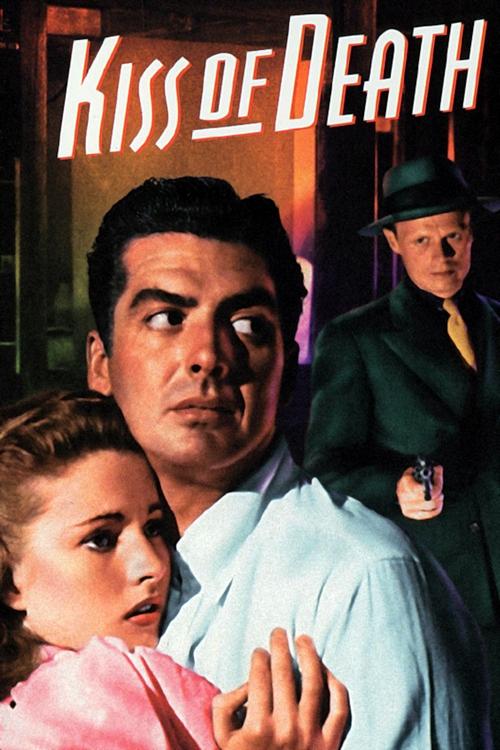
Kiss of Death1947
Victor Mature as a man trying to go straight, Colleen Gray as the woman who might save him. It has Jealousy's interest in how quickly devotion can turn destructive, though with more action and less introspection.
But Widmark steals the film as a psychotic killer, which dilutes the psychological focus. It's more crime thriller than character study, which some will find a relief and others a dilution.
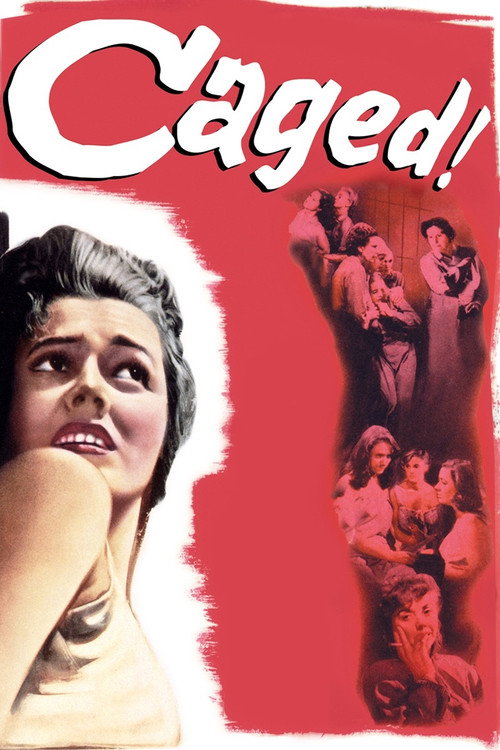
Mexican Bus Ride1952
Where Jealousy is brutally linear—jealousy leads here, then here—Buñuel lets the same emotions fracture across dream and reality. Same moral wreckage, but experienced as fever rather than crime.
Buñuel's only Mexican film, a surrealist journey through a man's desperation and desire. A widow's son steals to pay for her funeral, then pursues a woman across impossible landscapes. It's jealousy and possession rendered as dreamlogic.
But It's surrealist, so plot coherence is not the point. The sexual morality is complicated and sometimes troubling. It's in Spanish without subtitles on many copies.
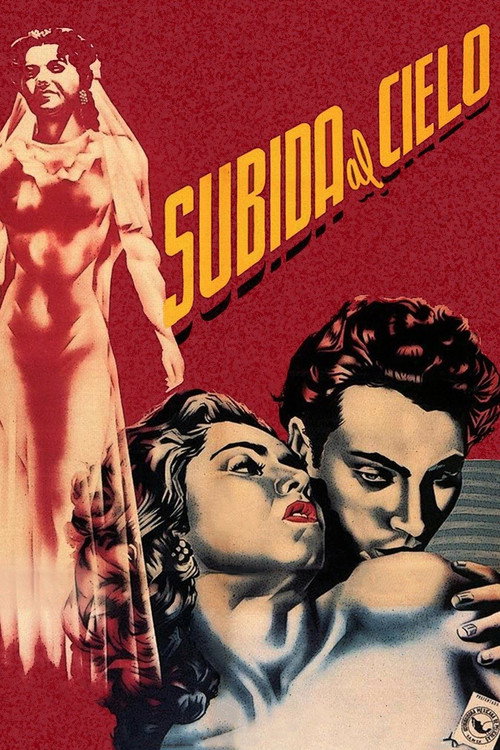
Caged1950
Both films hinge on a woman accepting imprisonment for a man's crime, but Caged refuses the sentimental reading. It asks: what if she's not noble for this choice? What if she's destroyed by it?
Eleanor Parker as a young woman imprisoned and destroyed by the system. It's a dark mirror of Jealousy: a woman taking the fall for a man's violence, but this time the focus stays on her degradation, not his redemption.
But It's brutal in ways that can feel exploitative. The lesbian subtext reads as punishment. It's claustrophobic and offers almost no comfort, even at the end.
People
Cast
 Nancy CarrollJo O'Roarke
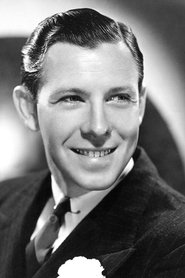 George MurphyLarry O'Roarke
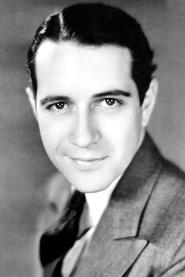 Donald CookMark Lambert
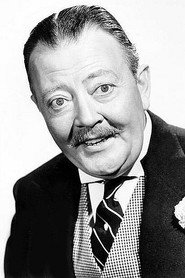 Raymond WalburnPhil
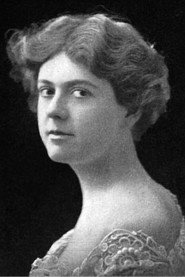 Clara BlandickMrs. Douglas
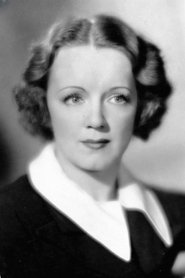 Inez CourtneyPenny
 Arthur HohlMike Callahan
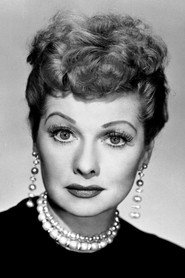 Lucille Ball(uncredited)
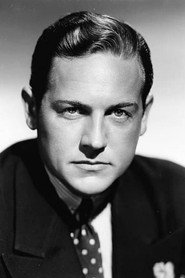 Robert AllenJim Rainey
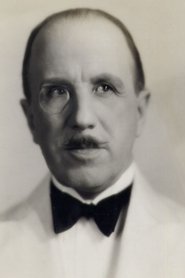 Arthur HoytMr. Smith
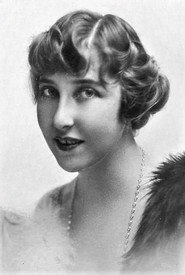 Josephine WhittellLaura
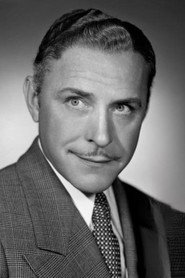 Arthur VintonTony
Directing
- Roy William NeillDirector
Writing
- Joseph Moncure MarchScreenplay
- Kubec GlasmonScreenplay
- Argyle CampbellStory