
Film
Daisy Kenyon
A Manhattan commercial artist torn between two men: a married lawyer she loves but can't have, and a decent war veteran who loves her. Otto Preminger's 1947 drama throbs with genuine conflict—not resolved by morality but by messy, human compromise. It's for anyone who knows that love isn't always about choosing the right person, but sometimes just choosing.
If you liked this
In the Mood for Love2000
Wong Kar-wai's hypnotic study of two neighbours discovering they're both betrayed by unfaithful spouses. Longing expressed through colour, geometry, and barely-held composure—pure visual ache about desire you can't act on.
But The pacing is glacial and the plot is minimal. If you need plot momentum or dialogue-driven narrative, this will feel like watching paint dry in slow motion.

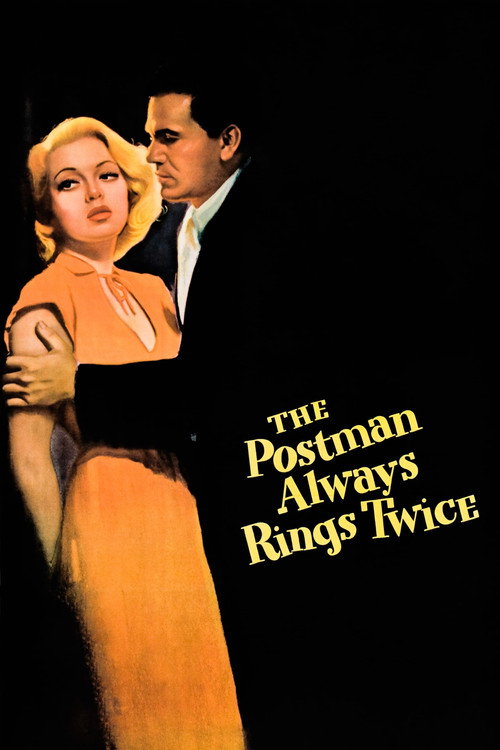
The Postman Always Rings Twice1946
Lana Turner and John Garfield's adulterous affair spirals into murder and obsession. Raw sexual chemistry and moral decay in a diner—makes clear why Dan's appeal matters to Daisy, and what it costs.
But The ending feels like punishment for passion rather than resolution. Some viewers find the morality suffocating and the femme fatale trope reductive.
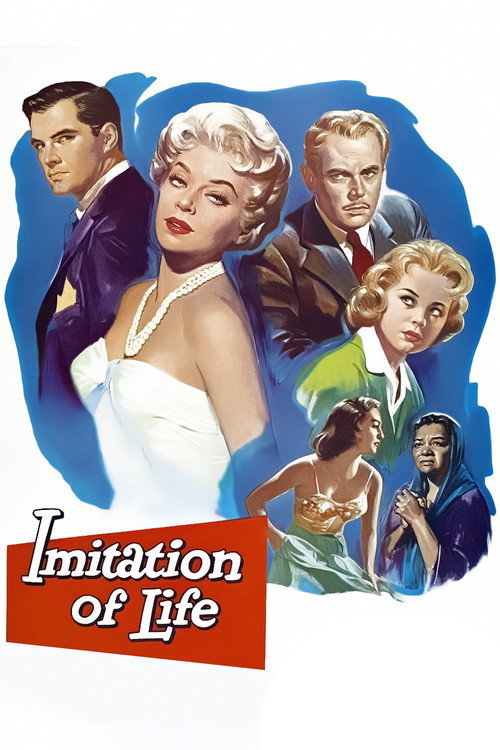
Imitation of Life1959
Sirk again, but this time the impossible choice is between ambition and love, identity and motherhood. Lana Turner's actress prioritises her career over her daughter with tragic consequences—a different impossible bind.
But Heavy-handed symbolism and a structure that can feel soap-operatic if you're not in the mood for big feeling expressed big.
Not sure tonight? Get a pick in a minute, starting from Daisy Kenyon
The wildcard
Something you would not have found on your own.
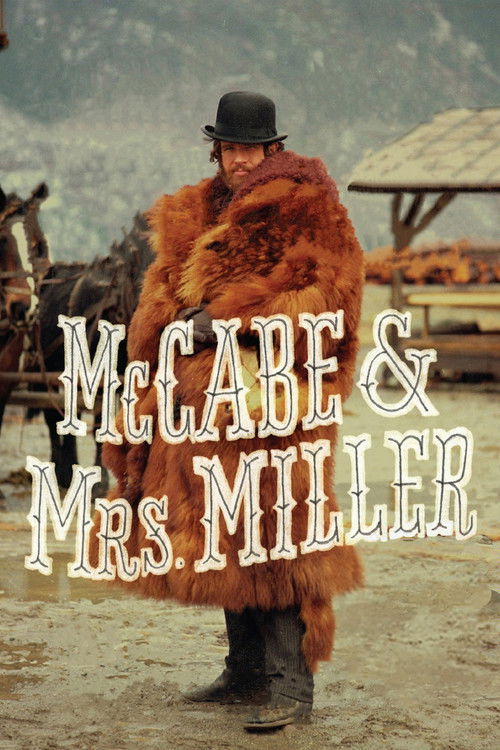
McCabe & Mrs. Miller1971
Both films understand that love and life circumstances are often irreconcilable—you can want someone completely and still choose (or be forced to choose) away from them. No redemption, no neat answer.
Robert Altman's anti-Western: a drifter and a businesswoman try to build something together in a muddy frontier town, but circumstance and their own flaws tear it apart. It's about how people fail each other despite genuine affection.
But Deliberately ugly cinematography, overlapping dialogue you'll struggle to hear, and a tragic ending that refuses consolation. Not a film that wants to comfort you.
More like this (7)
Breakfast at Tiffany's1961
Audrey Hepburn's Holly Golightly is commitment-phobic and manipulative, yet we understand her—she's running from love because she's terrified of needing it. The film asks whether she'll let someone catch her.
But It's prettier and lighter than Daisy Kenyon, which might feel like a step down. The Henry Mancini whimsy isn't for everyone.

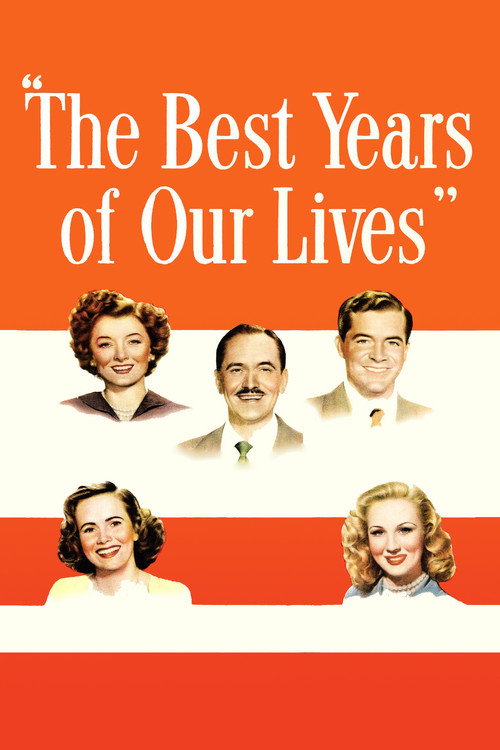
The Best Years of Our Lives1946
Three soldiers return from WWII and find civilian life doesn't fit anymore. A war veteran struggling with identity and belonging—Peter Lapham's experience of return and reintegration gets real attention here.
But Nearly three and a half hours long, and the pacing is deliberate. The earnestness will feel dated to some viewers.
Brief Encounter1945
Two ordinary people meet by chance, fall in love, and choose duty over passion. Noël Coward's greatest gift: making constrained British emotion feel like the most romantic thing imaginable.
But The restraint is the whole point, which means if you need overt passion and declaration, you'll find it frustratingly buttoned-up.

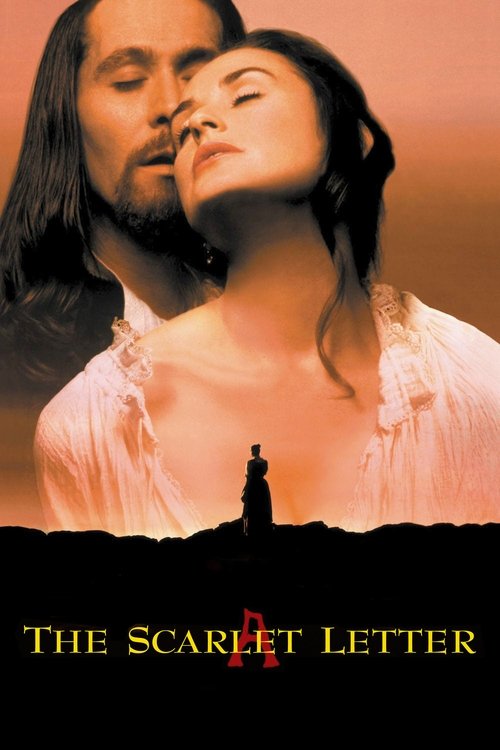
The Scarlet Letter1995
Demi Moore and Gary Oldman as Hester and Dimmesdale—desire and guilt eating them alive in Puritan Boston. A riff on the same engine as Daisy Kenyon: adultery, shame, and the impossibility of love in the world as it is.
But This adaptation is wildly revisionist and some find it campy. Also, the 1990s gloss on Hawthorne alienates purists.
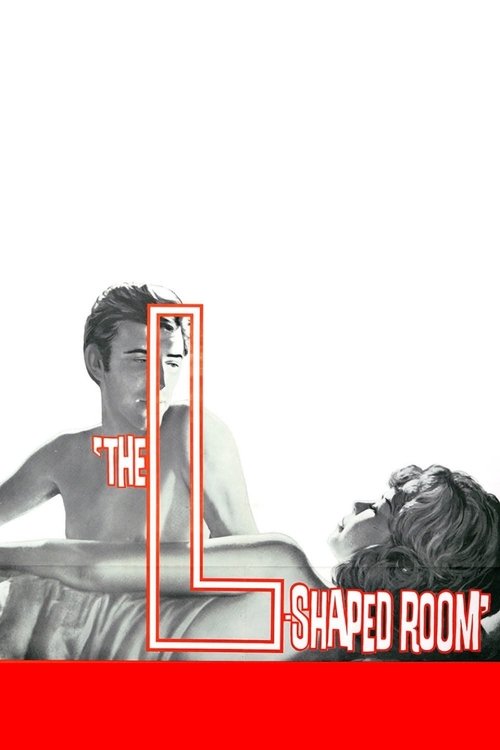
The L-Shaped Room1962
Leslie Caron as an unmarried pregnant woman renting a room in a London boarding house. She finds unexpected friendship and love, but the film doesn't pretend romance solves everything—reality still intrudes.
But The British kitchen-sink realism can feel slow and claustrophobic. The sexual politics, though progressive for 1962, feel dated now.
Yi Yi2000
Like Daisy Kenyon, it rejects the idea that a single romantic choice determines happiness. Life is wider than love; we are wider than our desires. The film sits with that complexity rather than untangling it.
Edward Yang's three-hour epic tracks a Taiwanese family through a wedding, a funeral, and a reunion. The central couple's marriage is loving but strained; their children seek meaning; nothing resolves, everything continues. Achingly human.
But The length and the purposefully undramatic pacing will test patience. It moves like life moves, which means very slowly and without climax.
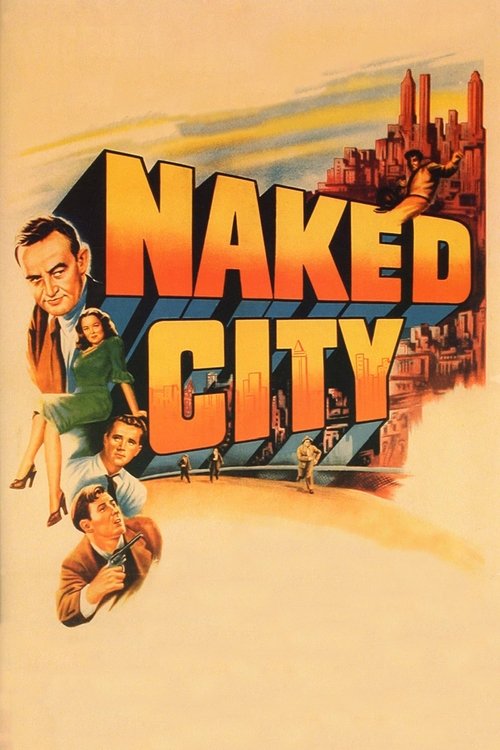
The Naked City1948
Both are love stories set in Manhattan, but The Naked City suggests that the city itself matters more than any one person's romantic fate. Daisy's desire plays out against the same urban anonymity—lots of people want things; the city doesn't care.
Jules Dassin's seminal film noir, shot entirely on the streets of New York. A murder investigation becomes an excuse to catalogue the city itself—its people, its rhythms, its indifference to individual tragedy.
But The detective plot is mechanical and the ending is tacked-on. If you watch for plot, you'll be disappointed; you have to love the texture and the streets themselves.
People
Cast
 Joan CrawfordDaisy Kenyon
 Dana AndrewsDan O'Mara
 Henry FondaPeter Lapham
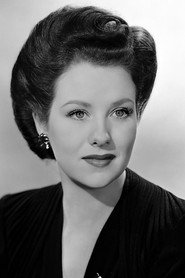 Ruth WarrickLucille O'Mara
 Martha StewartMary Angelus
 Peggy Ann GarnerRosamund O'Mara
 Connie MarshallMarie O'Mara
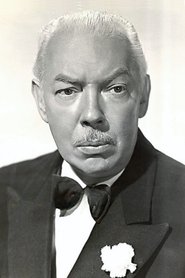 Nicholas JoyCoverly
 Art BakerLucille's Attorney
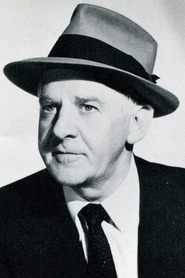 Walter Winchellhimself
- Leonard Lyonshimself
 Mae MarshWoman Leaving Apartment (uncredited)
Directing
- Otto PremingerDirector
Writing
- Elizabeth JanewayNovel
- David HertzScreenplay
Production
- Otto PremingerProducer