
Film
The Four Musketeers
Richard Lester's 1974 swashbuckler splits Dumas' novel into two films, letting the story breathe with wit and spectacle. Michael York's earnest D'Artagnan finds brotherhood with three rogues played by Oliver Reed, Richard Chamberlain, and Frank Finlay. It's adventure that knows it's fun—sword-fighting and scheming with a comic timing that rarely strains.
If you liked this
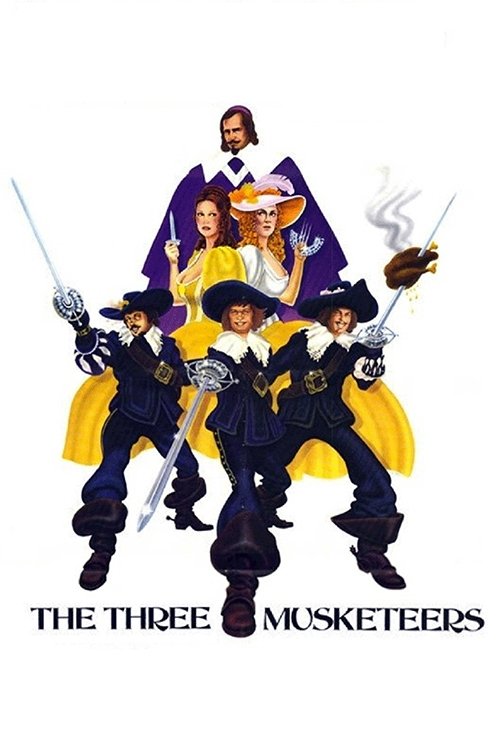
The Three Musketeers1973
The first half of the same story, same cast, same director. If you loved this one's energy and chemistry, you need to see where D'Artagnan's friendship begins. Watch them back-to-back for the full Lester treatment.
But Splitting one novel across two films means you're committing to nearly four hours. The pacing in both films is deliberately unhurried, which feels luxurious until it doesn't.
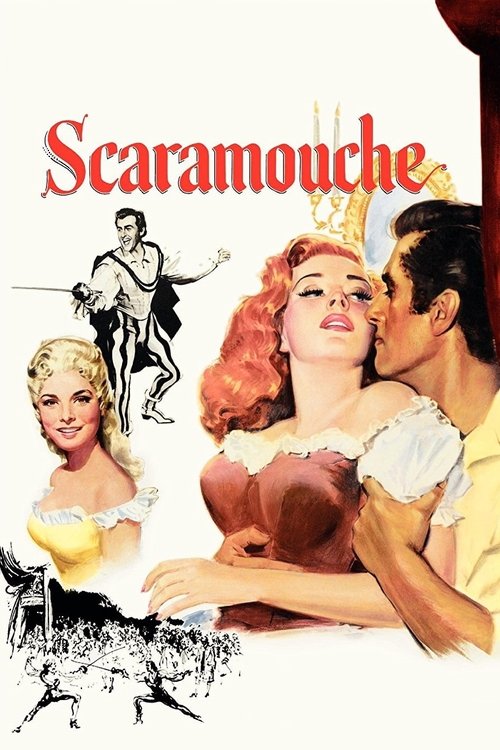
Scaramouche1952
Stewart Granger in a cousin of the same adventure: one man, a sword, and aristocratic plotting during revolution. The swordplay is glorious and absurdly athletic. Janet Leigh doesn't hurt either.
But Made twenty years earlier, so the film stock and editing feel quite different. There's no ensemble foolishness here—it's more earnest and romantic than comic.
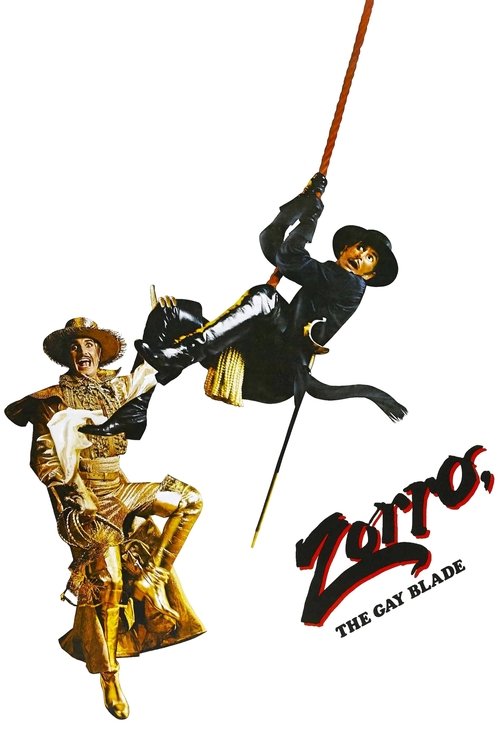
Zorro, The Gay Blade1981
George Hamilton as a swashbuckling hero who plays it completely straight while everyone around him reacts with bafflement. Absurdist adventure comedy that shares the same DNA as Lester's approach—finding laughs in the genre itself.
But This one leans much harder into the joke. If you want adventure first and humor as seasoning, not the other way round, it tips too far.
Not sure tonight? Get a pick in a minute, starting from The Four Musketeers
The wildcard
Something you would not have found on your own.
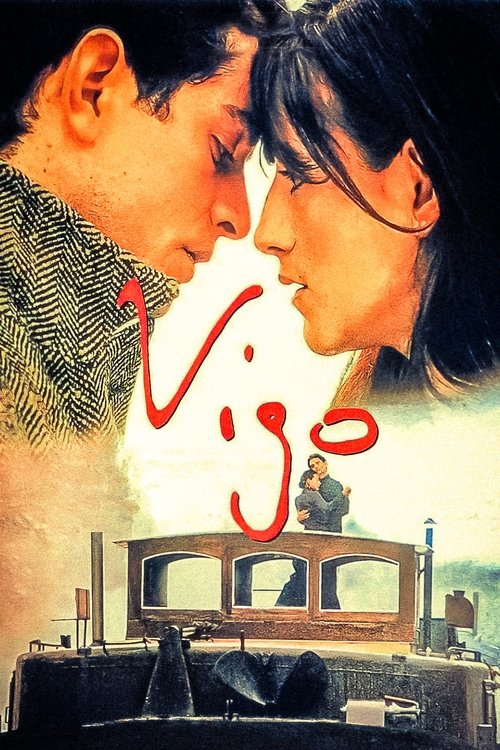
Vigo1998
Like Lester's Musketeers, Vigo found freedom by refusing to separate story from style, comedy from seriousness, cinema from play. Both filmmakers treat the medium itself as the subject.
A documentary-essay about the revolutionary French filmmaker Jean Vigo, made by Julien Schnabel. It's visually rapturous and deeply strange—structured like a poem about cinema itself, not a conventional biography.
But It's experimental and abstract. There's no plot, minimal dialogue, and it demands active attention. You're not watching a story; you're feeling your way through an artist's obsession.
More like this (8)
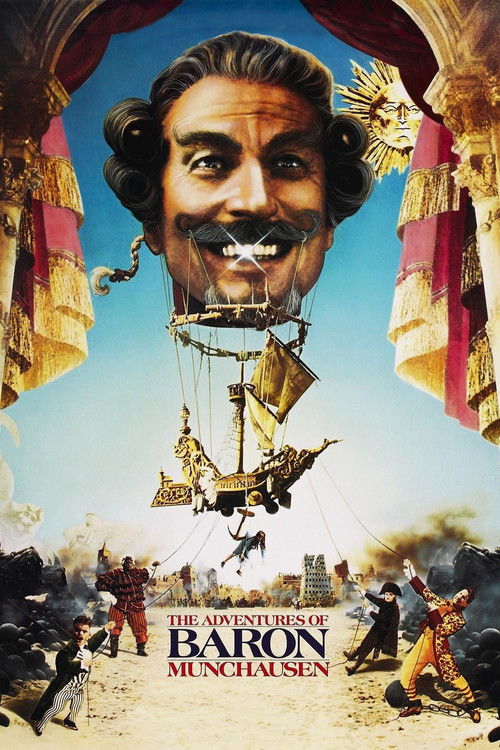
The Adventures of Baron Munchausen1988
Terry Gilliam's operatic tall-tale adventure has the same mixture of genuine spectacle and playful absurdity. A small group of oddly-matched heroes, extravagant sets, and a director who refuses to let the story move in a straight line.
But Gilliam's vision is much darker and more visually baroque. It's a stranger film, less accessible, and the tone shifts can feel uncomfortable rather than entertaining.
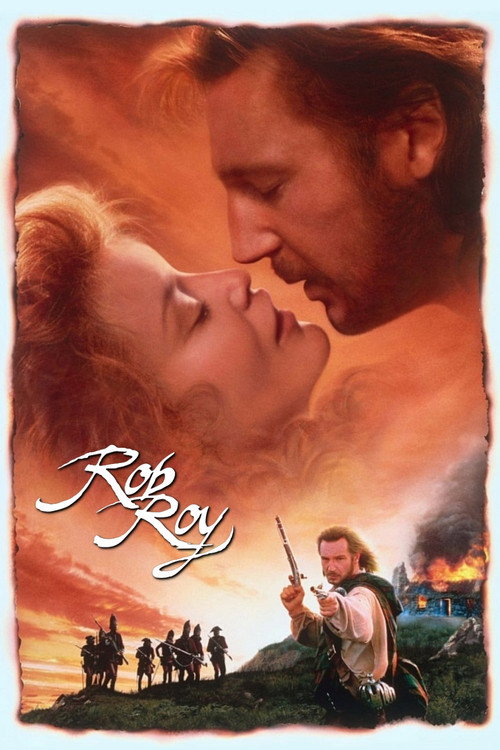
Rob Roy1995
Liam Neeson as a Highland chieftain in 18th-century Scotland, trapped between honor and pragmatism. It has the Lester energy—real action, real stakes, ensemble camaraderie—but with genuine emotional weight underneath the adventure.
But This is a more serious film. The humor is there but subdued, and the violence has real consequences. You're looking at a different register entirely.
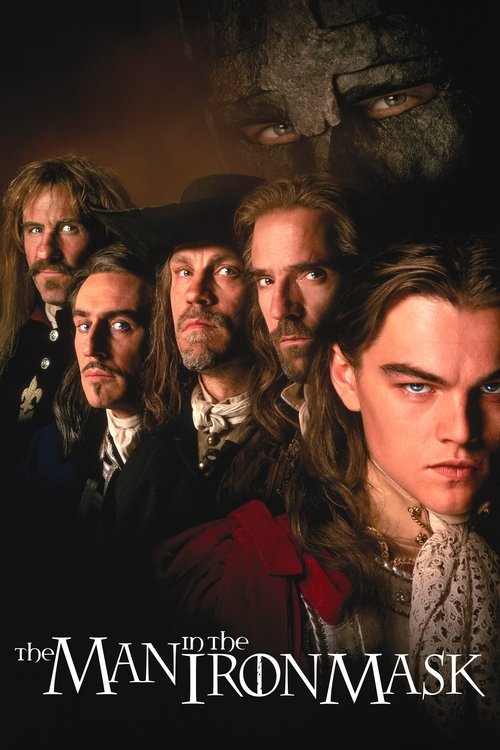
The Man in the Iron Mask1998
Leonardo DiCaprio in a lavish Dumas adaptation with sword fights, royal intrigue, and a premise that's pure swashbuckling fun. It has the ensemble chemistry and visual pleasure without Lester's structural ambition.
But It's safer and more conventional. There's less of the anarchic spirit that makes Lester's films snap—it's adventure as comfort rather than surprise.
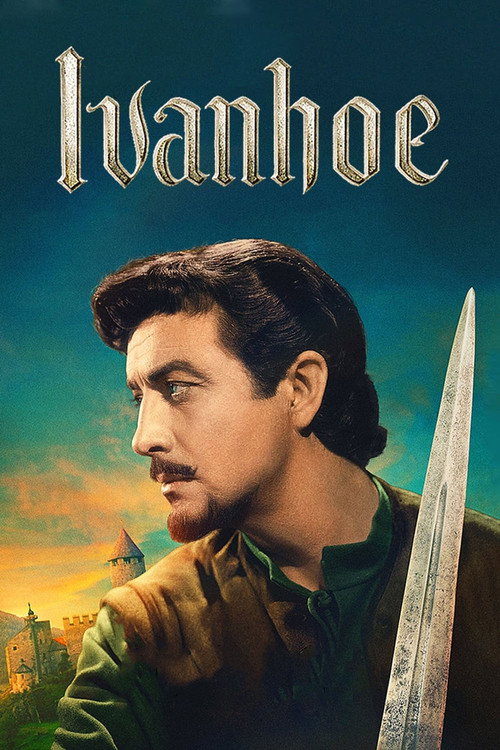
Ivanhoe1952
Robert Taylor in a similarly rousing adventure about loyalty, romance, and swordplay during the Crusades. Richly designed, genuinely exciting, with a supporting cast of real characters rather than stock types.
But It's more earnest and romantic. There's virtually no comedy, and the pacing favors dramatic scenes over movement.
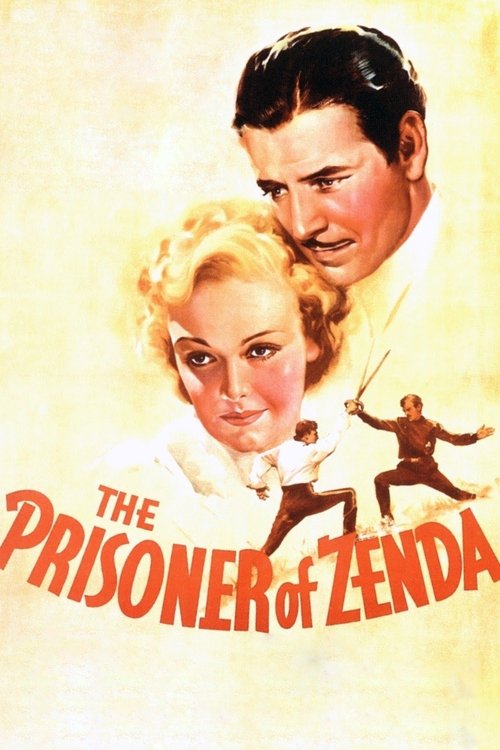
The Prisoner of Zenda1937
Ronald Colman as a commoner who impersonates a king: political scheming, sword fights, and the kind of old-Hollywood craftsmanship that makes adventure look effortless. A template for everything the musketeers learned from.
But It's a period piece in the most formal sense. The comedy is dry and the emotional beats are sentimental by modern standards.
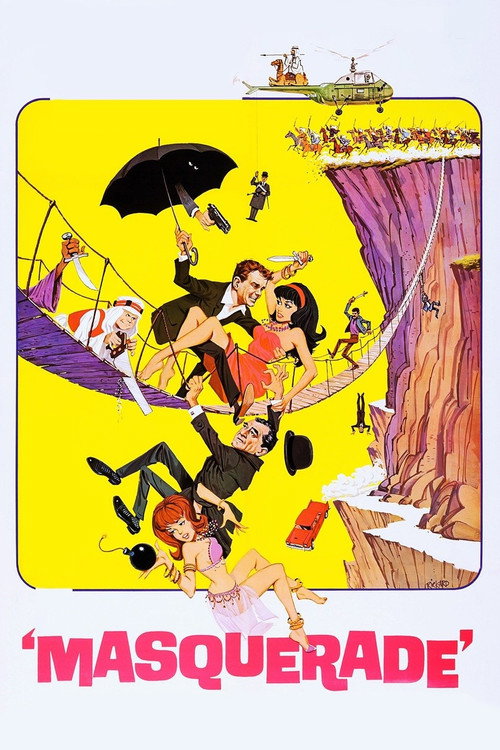
Masquerade1965
Cliff Robertson in a jazzy, mod-inflected spy adventure with beautiful cinematography and a cast of models and aristocrats. It has Lester's playful, slightly irreverent tone applied to a contemporary setting.
But It's much more style than substance, and the plot is deliberately shallow. If you're watching for narrative momentum rather than atmosphere, you'll be frustrated quickly.
Thieves Like Us1974
Both are films where a group of outsiders bond through loyalty and transgression, finding freedom in company. But where Lester's is exultant, Altman's is elegiac—what happens when the game ends.
Robert Altman's Depression-era film about a gang of small-time criminals. It's the same year as the Musketeers, the same spirit of ensemble chemistry, but stripped of costumes and spectacle. Three men, a woman, loyalty that destroys them.
But It's melancholic and fatalistic. The adventure here ends in ruin, not triumph. If you're watching for the joy of it, Altman will break your heart instead.
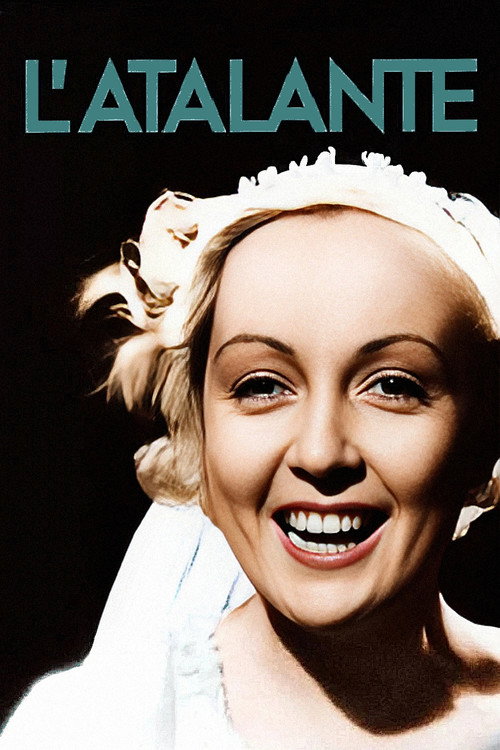
L'Atalante1934
Lester and Vigo share a belief that cinema should delight in its own artifice while breaking your heart. Both find adventure in small moments and big gestures equally. Both refuse to choose between beauty and comedy.
Jean Vigo's masterpiece about newlyweds, a river barge captain, and a strange old sailor. It's gorgeous, romantic, funny, and deeply odd—a film that moves like its own current, neither plot-driven nor static.
But It's in French without subtitles (in some versions), it's 90 minutes but feels like it exists outside time, and the emotional arc is unconventional. Modern audiences often find it slow.
People
Cast
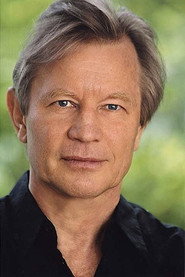 Michael YorkD'Artagnan
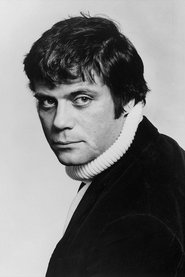 Oliver ReedAthos
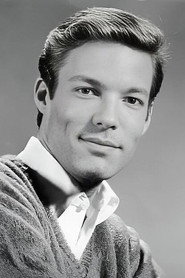 Richard ChamberlainAramis
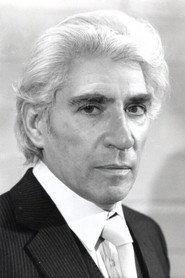 Frank FinlayPorthos
 Faye DunawayMilady de Winter
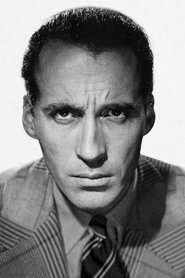 Christopher LeeRochefort
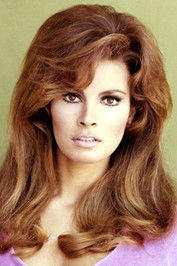 Raquel WelchConstance de Bonancieux
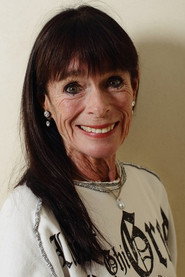 Geraldine ChaplinQueen Anne of Austria
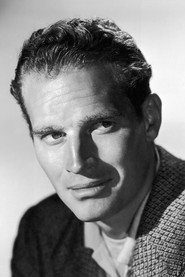 Charlton HestonCardinal Richelieu
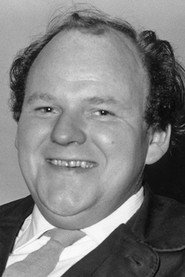 Roy KinnearPlanchet
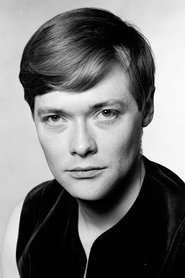 Simon WardDuke of Buckingham
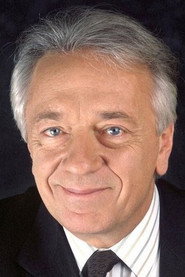 Jean-Pierre CasselLouis XIII
Directing
- Alain WalkerAssistant Director
- Dusty SymondsAssistant Director
- Patricio Beltran AparicioAssistant Director
- Ann SkinnerContinuity
- Richard LesterDirector
- Clive ReedFirst Assistant Director
Writing
- Alexandre DumasNovel
- George MacDonald FraserScreenplay
Production
- Pierre SpenglerExecutive In Charge Of Production
- Ilya SalkindExecutive Producer
- Alexander SalkindProducer
- Ilya SalkindProducer
- Michael SalkindProducer
- Francisco BellotProduction Manager
- Enrique EstebanProduction Supervisor