
Film
The Big Broadcast of 1938
- Comedy
- Light-hearted
A vaudeville-variety film where W.C. Fields and Martha Raye wreak havoc aboard a luxury liner, with musical interludes from radio stars. It's a loose collection of sketches and songs rather than a tight plot—essentially a filmed radio broadcast. Expect rapid-fire gags, physical comedy, and the particular charm of 1930s showmanship. Best for anyone curious about comedy's prehistoric era.
If you liked this
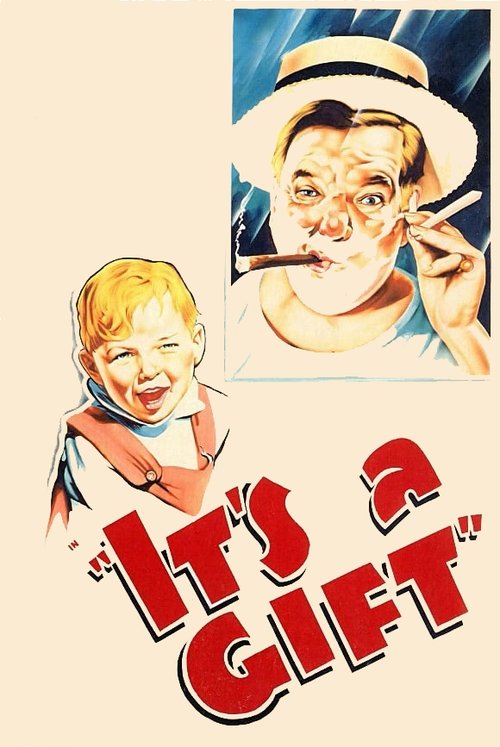
It's a Gift1934
W.C. Fields at his peak, playing a man trying to move his family across America. Pure character comedy: Fields' misanthropy and physical timing are unmatched, and he dominates every scene he's in.
But No plot to speak of, no romance, no real stakes. Just fields complaining and stumbling through situations. If you need emotional investment, this won't give it to you.
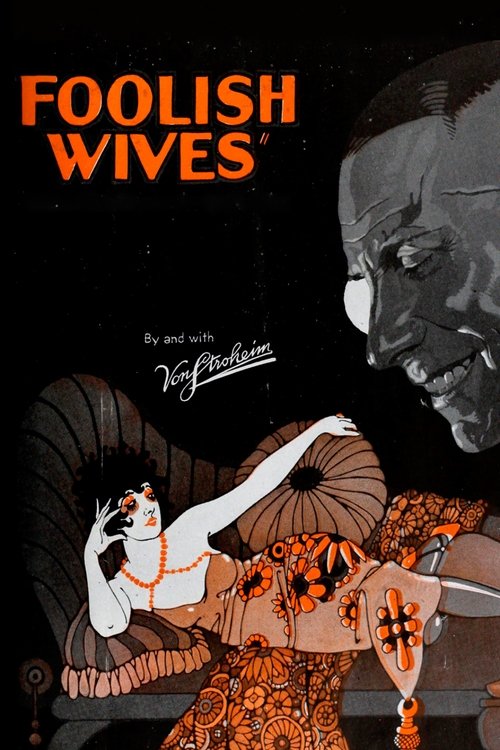
Foolish Wives1922
A masterwork of silent comedy and drama where Erich von Stroheim plays a fake Russian count conning wealthy Americans. Elaborate, visually inventive, darkly funny, with real pathos underneath the con.
But It's nearly three hours, silent, and the pacing is glacial by modern standards. The emotional beats won't land if you're expecting laughs every thirty seconds.
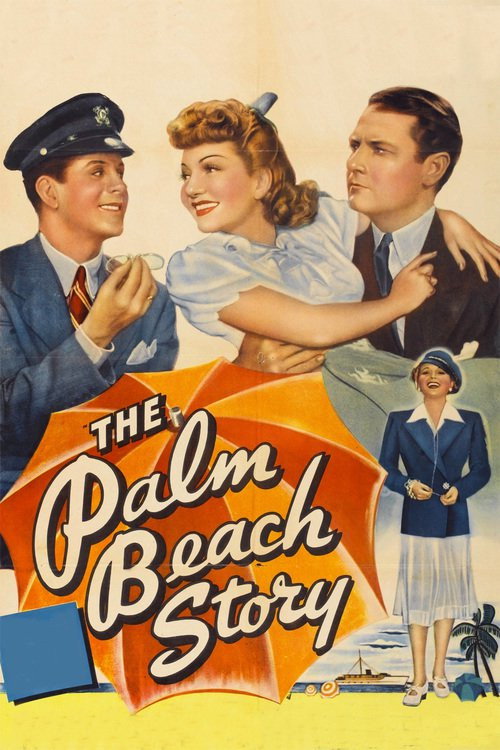
The Palm Beach Story1942
Preston Sturges at his sharpest: screwball comedy with impeccable dialogue, gorgeous black-and-white cinematography, and a pace that feels genuinely effortless. Claudette Colbert and Joel McCrea have real chemistry.
But The gender politics are very much of 1942. If period attitudes toward women grate on you, this will test your patience despite the charm of the performances.
Not sure tonight? Get a pick in a minute, starting from The Big Broadcast of 1938
The wildcard
Something you would not have found on your own.
The Phantom Carriage1921
Both are ensemble pieces built from theatrical traditions, but this one shows what that tradition could do when it reached for something beyond entertainment—the same building blocks, aimed at the soul instead of the funny bone.
A Swedish supernatural drama where a ghost shows a dying man his wasted life on New Year's Eve. It's visually stunning—precise, haunting, genuinely profound—and uses the supernatural as genuine metaphor rather than decoration.
But It's a ghost story about mortality and redemption, not a comedy. Silent Swedish cinema from a century ago moves at its own pace. You must meet it quietly.

More like this (8)
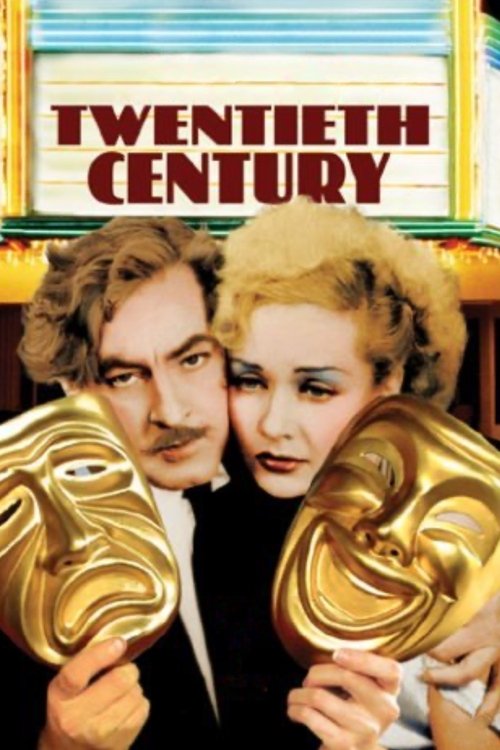
Twentieth Century1934
John Barrymore and Carole Lombard trade insults on a train with theatrical excess and perfect comic timing. It's all speed and artifice—a comedy about theater people that understands its own ridiculousness.
But The humor is entirely arch and performative. If you prefer grounded comedy with real characters, the constant theatrical posturing will feel exhausting.
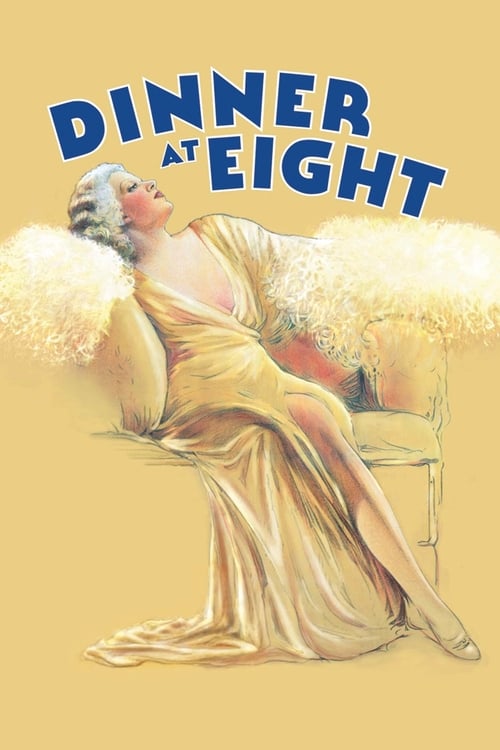
Dinner at Eight1933
Grand ensemble comedy-drama with an ensemble cast that reads like a hall of fame: Barrymore, Harlow, Lionel Barrymore, Marie Dressler. Witty, sophisticated, and surprisingly touching beneath the society satire.
But It moves between multiple storylines and tones, which can feel scattered. The pacing stutters when you want momentum, and some subplots fade out unconvincingly.
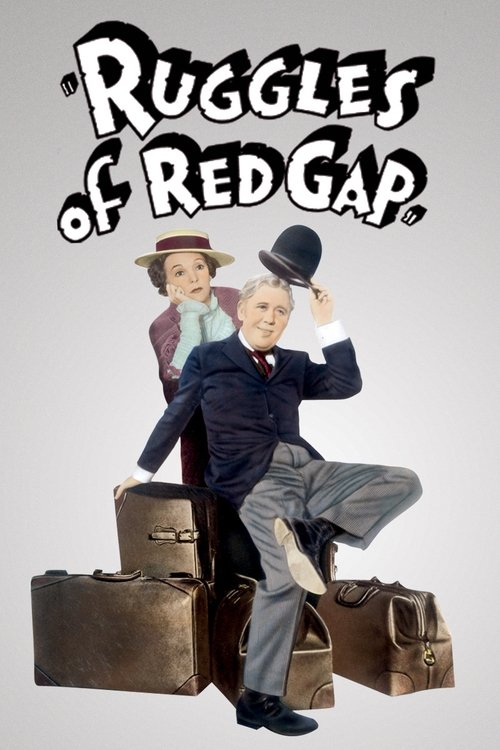
Ruggles of Red Gap1935
Charles Laughton as an English butler stranded in the American West is both genuinely hilarious and oddly moving. A fish-out-of-water story done with real warmth and intelligence underneath the gags.
But It's sentimental in places, which dilutes the comedy. The second half shifts tone so dramatically it almost feels like a different film—some find that shift earned, others feel it derails the fun.
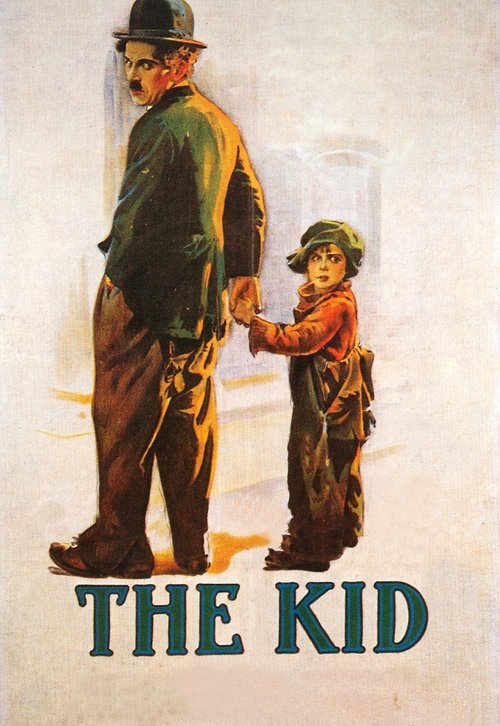
The Kid1921
Chaplin's silent masterpiece: a perfect balance of physical comedy, genuine pathos, and visual poetry. The emotional core is real, but the laughs are constant. Simply great filmmaking.
But Silent film, slow by modern standards, and genuinely sad in places. If you're watching for pure laughs, the sentimentality will pull you out of the mood you came for.
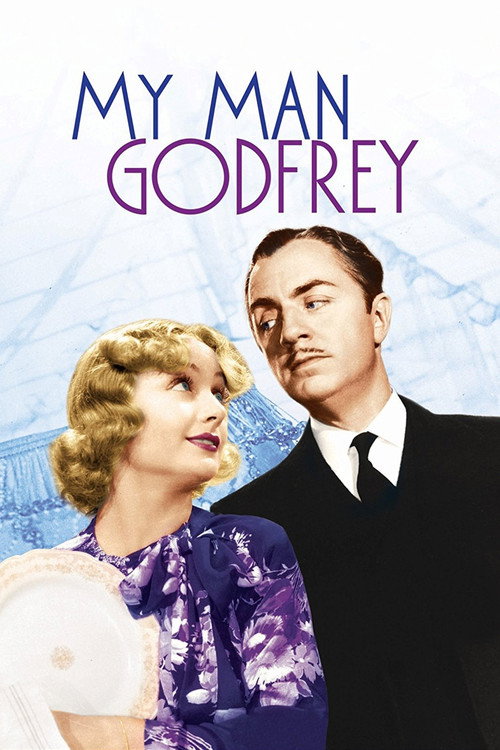
My Man Godfrey1936
William Powell as a hobo hired as a butler by the scatterbrained wealthy Carole Lombard. Smart, funny, and genuinely charming, with a screenplay that never wastes a line of dialogue.
But The depression-era politics date it visibly. The wealthy characters' obliviousness to poverty is presented as cute, which can feel tone-deaf now.
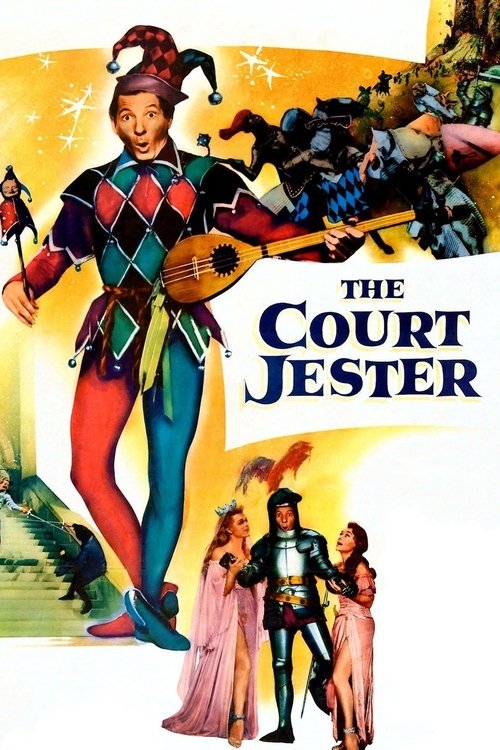
The Court Jester1955
Danny Kaye in a swashbuckling comedy musical with elaborate set pieces, witty wordplay, and genuine acrobatic skill. It's energetic, colorful, and never stops trying to entertain you.
But Kaye's comic energy is exhausting if you're not already a fan. The plot is nonsense, and the film's very pleased with itself about that. Some find it charming, others find it exhausting.
Singin' in the Rain1952
Both are love letters to the golden age of live entertainment—radio, vaudeville, the energy of performers used to working in front of audiences. This is what that energy looks like when translated into pure cinema.
Gene Kelly, Donald O'Connor, and Debbie Reynolds in the most purely joyful film musical ever made. The dancing is virtuosic, the songs are perfect, and the whole thing feels like watching people who love their work.
But It's aggressively cheerful. If you're in a dark mood, its relentless optimism and charm can feel cloying. Also, the rape scene plays as comedic, which hasn't aged well.

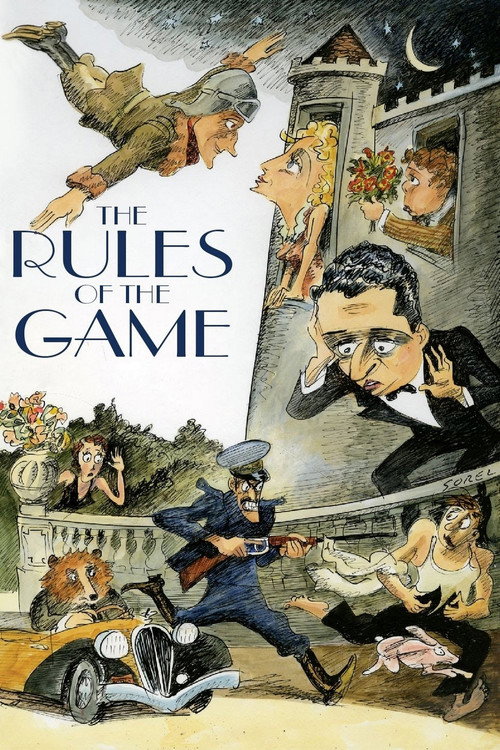
The Rules of the Game1939
Both capture a specific moment in entertainment history—this one treating it with tragic awareness rather than joy, showing what happened to the world those 1938 performers were singing about.
Renoir's masterpiece: a French chamber comedy where the intricate social choreography of a weekend house party becomes a mirror of society itself. Technically impeccable, funny, sad, and structurally brilliant.
But It's in French with subtitles, nearly two hours long, and the humor is situational rather than gag-driven. The tone is wry rather than laugh-out-loud. Patience required.
People
Cast
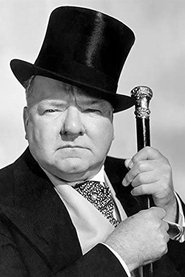 W.C. FieldsT. Frothingill Bellows / S.B. Bellows
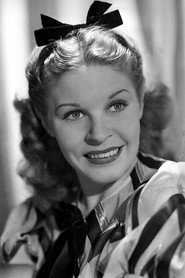 Martha RayeMartha Bellows
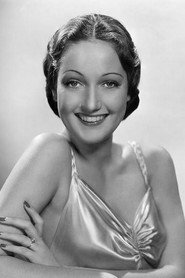 Dorothy LamourDorothy Wyndham
 Shirley RossCleo Fielding
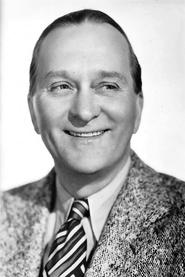 Lynne OvermanScoop McPhail
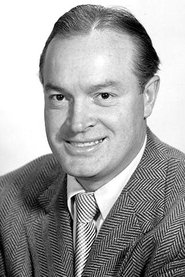 Bob HopeBuzz Fielding
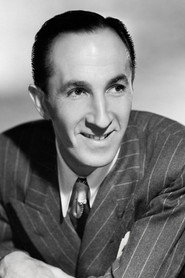 Ben BlueMike
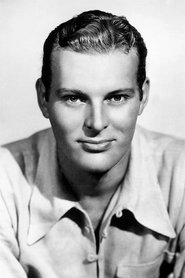 Leif EricksonBob Hayes
 Patricia WilderHoney Chile
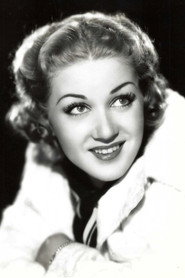 Grace BradleyGrace Fielding
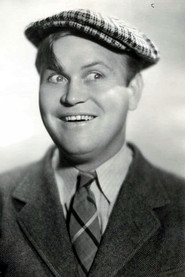 Rufe DavisTurnkey
- Lionel PapeLord Droopy
Directing
- Mitchell LeisenDirector
Writing
- Howard LindsayAdaptation
- Russel CrouseAdaptation
- Cecil MackLyricist
- Leo RobinLyricist
- Ted KoehlerLyricist
- Francis MartinScreenplay
- Ken EnglundScreenplay
- Walter DeLeonScreenplay
- Frederick Hazlitt BrennanStory
Production
- William LeBaronExecutive Producer
- Norman LaceyLocation Manager
- Harlan ThompsonProducer