
Film
Copacabana
Other titles called Copacabana: the 1985 film.
- Screwball comedy
- Light-hearted
A 1947 musical comedy where Groucho Marx's fast-talking talent agent passes off his girlfriend (Carmen Miranda) as two different nightclub performers to book her twice. It's a high-energy farce built on mistaken identity, buoyed by Miranda's charisma and the era's brash, anarchic comedy style. For anyone who loves classic Hollywood charm and performers who could sing, dance, and carry a joke simultaneously.
If you liked this
Singin' in the Rain1952
The gold standard of Hollywood musicals: impeccable dancing, genuine wit in the script, and three leads (Kelly, O'Connor, Reynolds) with real chemistry. A film that works as pure cinema, not just entertainment.
But If you want character depth or emotional stakes, this isn't it. It's deliberately slight, a showcase of talent over narrative substance.

The Philadelphia Story1940
Cary Grant, James Stewart, and Katharine Hepburn in sparkling comedy with actual romantic tension. The writing is so good it elevates the mistaken-identity premise into something that feels almost profound.
But It's a period piece about rich people's problems, and the gender politics feel dated. Some find it slower than expected—it trades slapstick for wit.

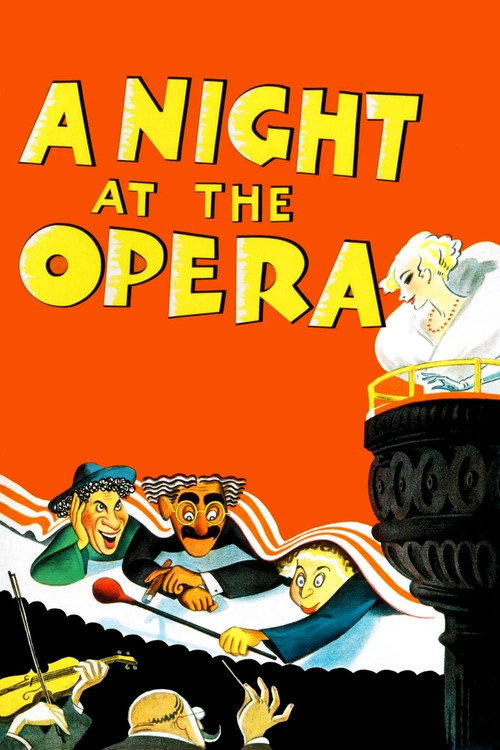
A Night at the Opera1935
Marx Brothers at their peak: anarchic, quotable, genuinely surreal. Groucho's rapid-fire wordplay and Harpo's pantomime create chaos that still feels alive. A masterclass in how to break every rule of storytelling and win.
But The pacing is relentless and deliberately absurdist. If you want coherent plot or character arcs, this will frustrate you. It's comedy for its own sake.
Not sure tonight? Get a pick in a minute, starting from Copacabana
The wildcard
Something you would not have found on your own.
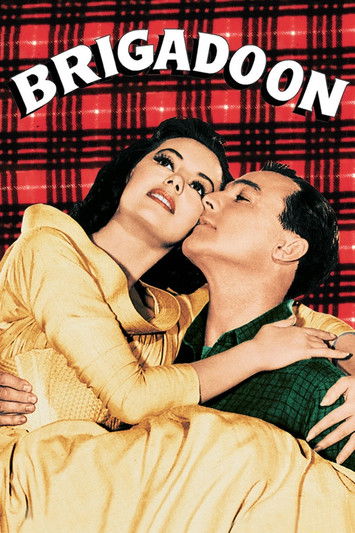
Brigadoon1954
Both films turn romance into a plot mechanism for costume changes and performance. But Brigadoon lets the artifice become the subject—it's a musical *about* why we love musicals, while Copacabana is content to just be one.
Gene Kelly in a musical where Scotland is enchanted, a man falls in love in one day, and the whole film asks what you'd sacrifice for real happiness. The dancing is extraordinary, but it's genuinely about something: the cost of belonging.
But It's schmaltzy and the fantasy logic is murky. The female lead has almost no autonomy. If you want realism or feminist credibility, this will annoy you.
More like this (8)
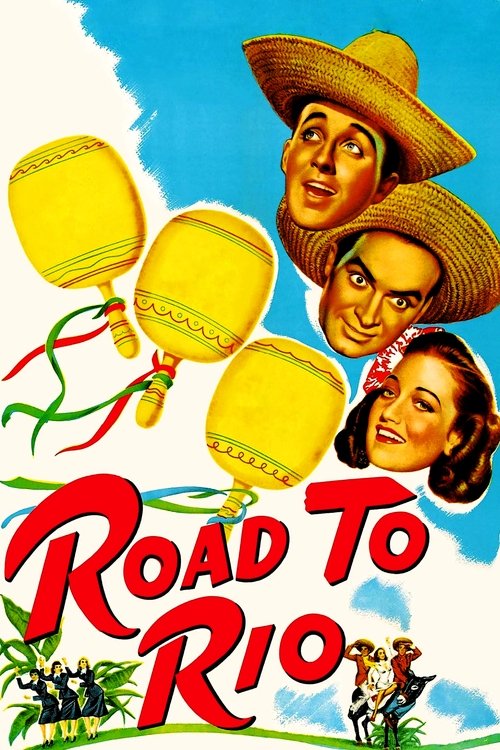
Road to Rio1947
Bing Crosby and Bob Hope trade insults and songs across Brazil with Dorothy Lamour caught in the middle. The same year as Copacabana but looser and weirder—full of ad-libbed gags and tangents.
But The humor is sometimes at the expense of the Brazilian setting. Dated gender dynamics. It runs on charm rather than story.
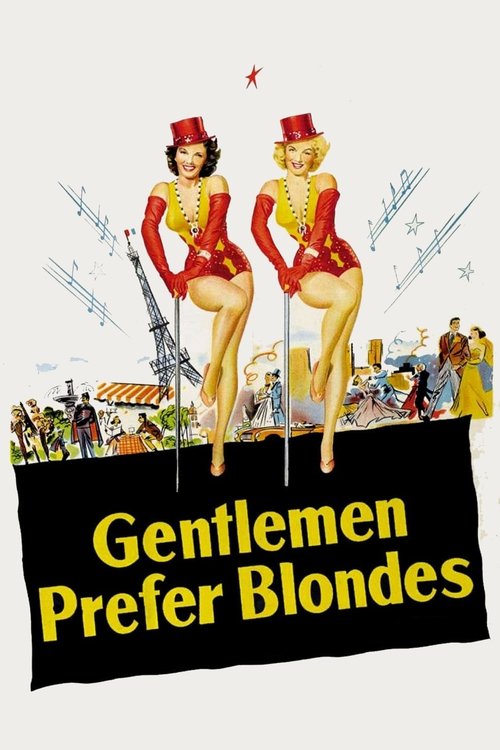
Gentlemen Prefer Blondes1953
Marilyn Monroe and Jane Russell prove they're comedians, not just icons. The musical numbers are inventive, the dialogue lands, and the film's view of women as clever operators rather than victims is surprisingly modern.
But If you're not charmed by Monroe's persona, the film may not work for you. Some moments feel like period pieces about sexism without critiquing it.
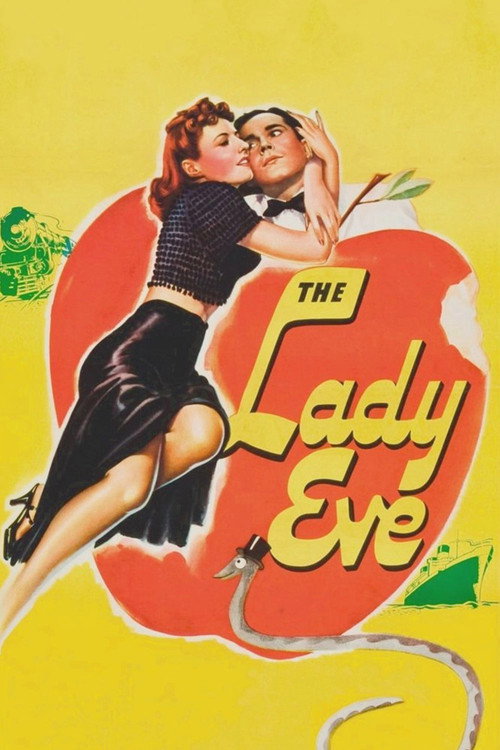
The Lady Eve1941
Preston Sturges on peak form: Barbara Stanwyck as a con artist with perfect comic timing, Henry Fonda playing dumb brilliantly. Rapid dialogue, physical comedy, and a heroine who's smarter than everyone else in the room.
But The plot is deliberately convoluted and kept purposefully frivolous. Some find Sturges' style exhausting—he doesn't pause for you to breathe.
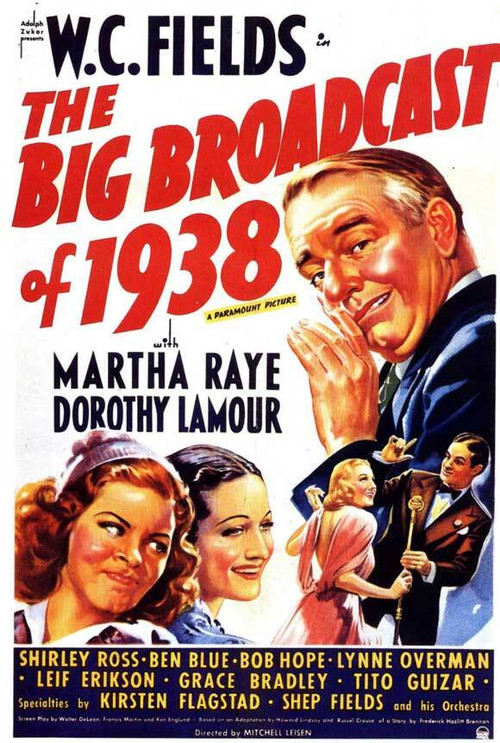
The Big Broadcast of 19381938
A kaleidoscope of 1930s entertainment: W.C. Fields, Burns and Allen, Martha Raye, plus a transatlantic sea liner setting. It's a film about performance itself, where the plot is just an excuse for talent to shine.
But There is almost no coherent story. It's a revue masquerading as narrative. If you need plot momentum, you'll feel adrift.
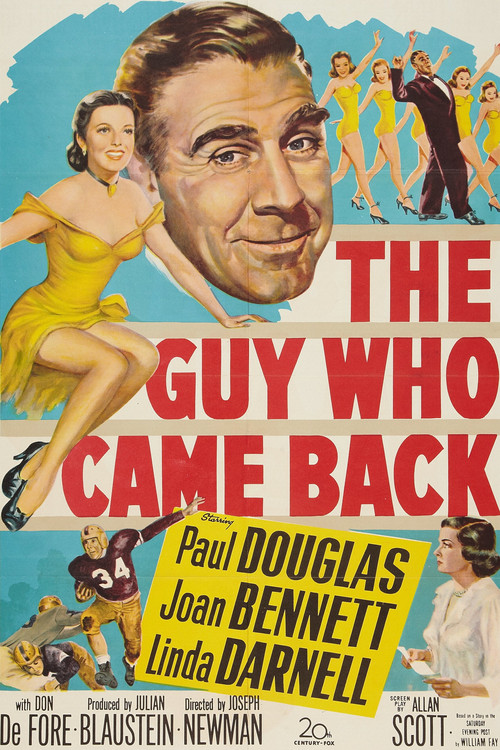
The Guy Who Came Back1951
Paul Douglas and Joan Bennett in a snappy postwar comedy about a boxer trying to rehabilitate his image. Lighter than it sounds, with good banter and a sense of how showbiz works.
But It's minor league compared to the era's best comedies. The stakes are low and the narrative forgettable, even if the performances are solid.
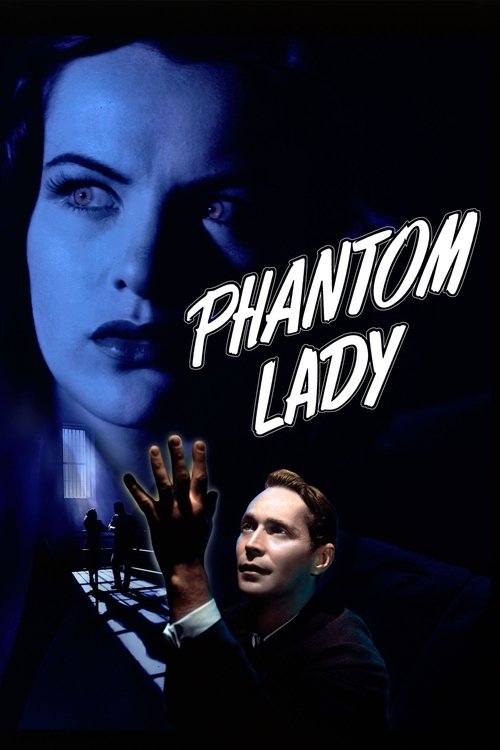
Phantom Lady1944
Ella Raines investigates her boyfriend's false murder conviction with style and wit. It's a noir thriller that commits to the mystery while delivering the glamour and pacing of a studio-system entertainment.
But The gender politics are complicated—the heroine's agency comes through seduction. The twists are mechanical. It's slick rather than deeply satisfying.
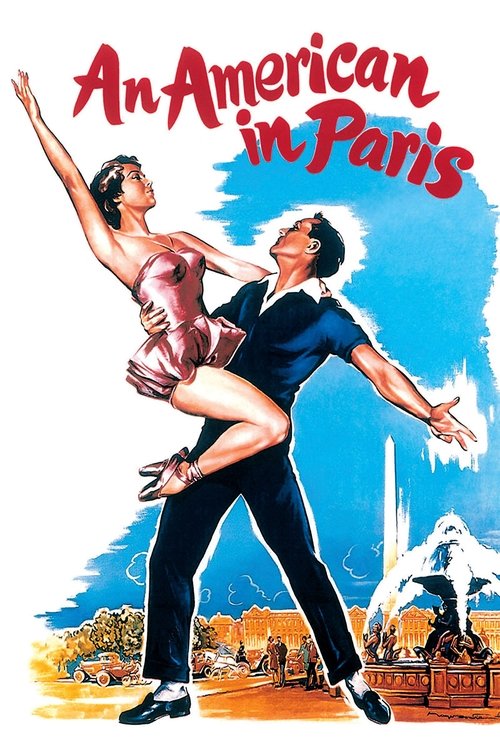
An American in Paris1951
Both celebrate the nightclub and the performer as the center of the world. But An American in Paris is a love letter to dance itself—it lets the spectacular overwhelm the script completely, which Copacabana never quite does.
Gene Kelly and Leslie Caron in Paris, where the climax is a 20-minute ballet that abandons plot entirely for pure cinema. It's Technicolor hedonism—weightless, gorgeous, and about the joy of performance and movement.
But The story is thin. The female lead exists largely to be desired. The whole thing is courtly and old-fashioned, unapologetically so. Some find it shallow.
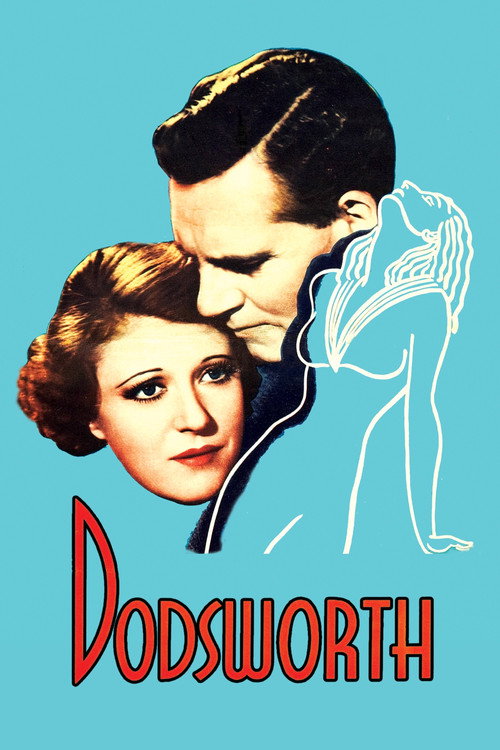
Dodsworth1936
Both examine the gap between public and private selves, but inverted: Copacabana makes deception comic and harmless, while Dodsworth suggests it's the tragedy of adult life. They're the same idea in entirely different moods.
Walter Huston as a retired industrialist who discovers his wife is shallow and selfish, then finds real love. It sounds melodramatic but William Wyler directs it as a serious character study about maturity and knowing yourself.
But It's heavy. There's no music, no lightness, no nightclub glamour—just the long, unglamorous work of understanding who you are and what you want. Completely the opposite register.
People
Cast
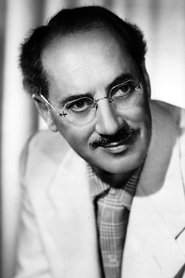 Groucho MarxLionel Q. Deveraux
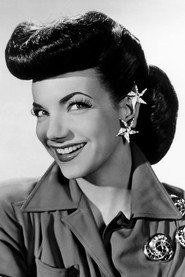 Carmen MirandaCarmen Novarro / Mlle. Fifi
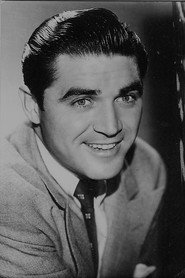 Steve CochranSteve Hunt
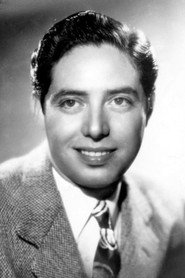 Andy RussellAndy Russell
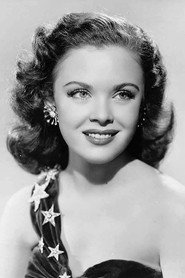 Gloria JeanAnne Stuart
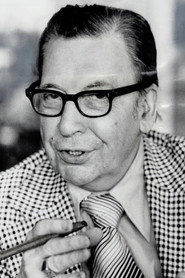 Earl WilsonSelf
- Abel GreenSelf
 Louis SobolSelf
- Peggy De CastroSinger
- Cherie De CastroSinger
- Babette De CastroSinger
- Raul ReyesRhumba Dancer
Directing
- Harold GodsoeAssistant Director
- Alfred E. GreenDirector
Writing
- Sam CoslowLyricist
- Allen BoretzScreenplay
- Howard HarrisScreenplay
- László VadnayScreenplay
- László VadnayStory
Production
- Walter BatchelorAssociate Producer
- David HershExecutive Producer
- Sam CoslowProducer
- Raoul PagelProduction Manager