
Film
The Guy Who Came Back
A 1951 drama about a washed-up footballer stuck in self-pity, given a second chance through a charity game. Paul Douglas carries this modest but sincere story about men learning to forgive themselves and each other. It's earnest without being saccharine—the kind of film that believes in redemption without making it easy.
If you liked this
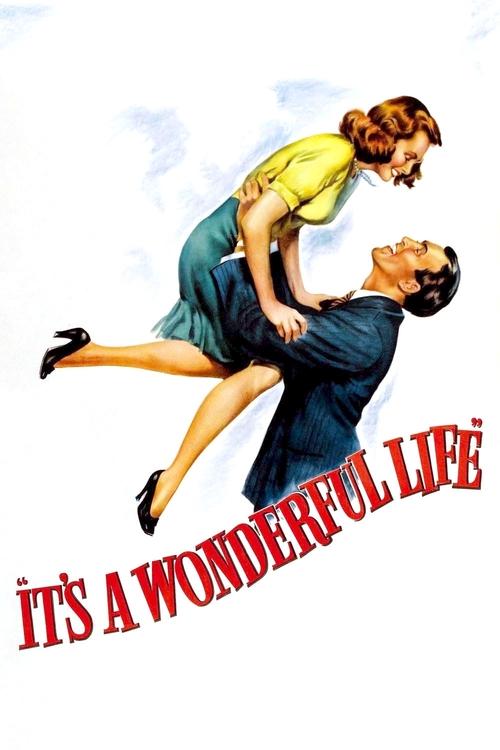
It's a Wonderful Life1946
The definitive portrait of a man learning his worth through seeing his impact on others. Jimmy Stewart's despair-to-grace arc prefigures Harry's own journey, but with Capra's larger-than-life emotional generosity.
But Can feel heavy-handed in its messaging, and the ending trades complexity for uplift. Not everyone wants their redemption quite so tidy.
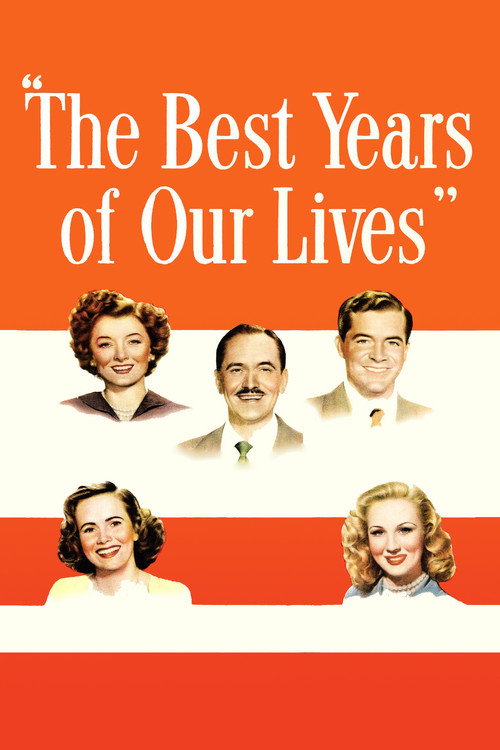
The Best Years of Our Lives1946
Three veterans struggle to rebuild after war, learning that coming home is harder than leaving. Like Harry, they must recalibrate their sense of manhood and worth in a world that's moved on without them.
But Nearly three and a half hours, and deliberately paced. Its refusal to hurry can feel glacial if you're not in the mood.
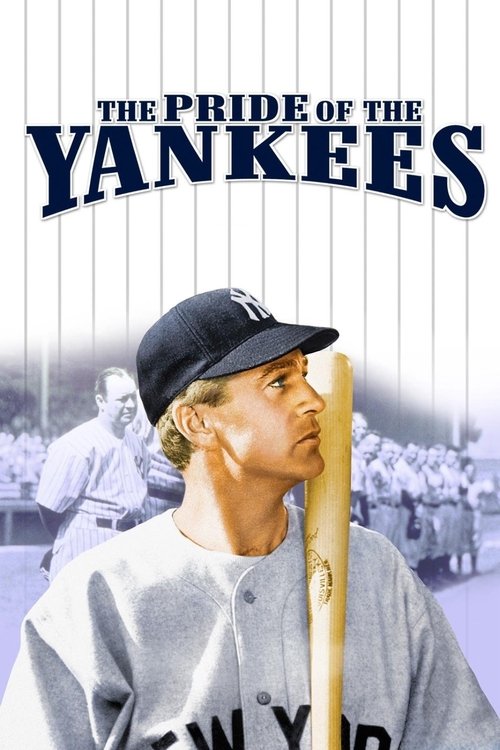
The Pride of the Yankees1942
Gary Cooper as Lou Gehrig grapples with his legacy and mortality. The parallels to a career derailed are direct, and the film finds genuine dignity in limitation rather than victory.
But A biopic made during Gehrig's lifetime, so it's reverent to the point of caution. The emotion feels prescribed rather than discovered.
Not sure tonight? Get a pick in a minute, starting from The Guy Who Came Back
The wildcard
Something you would not have found on your own.
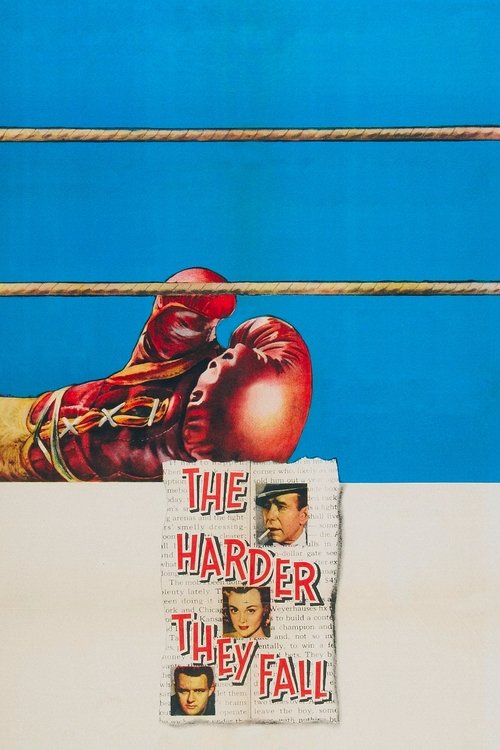
The Harder They Fall1956
Both center on fallen men in the sports world; both insist that real redemption requires facing what you've become, not just wishing it away.
Humphrey Bogart's final film: a boxing saga about a washed-up sportswriter trying to rehabilitate his career by managing a fighter. It shares Harry's sports-world setting and his desperate bid for second chances, but transposes the theme into exposé of corruption.
But Bogart is ill and showing it, which makes the film's energy uneven. The boxing scenes are repetitive, and the moral crusade can feel tacked-on.
More like this (8)
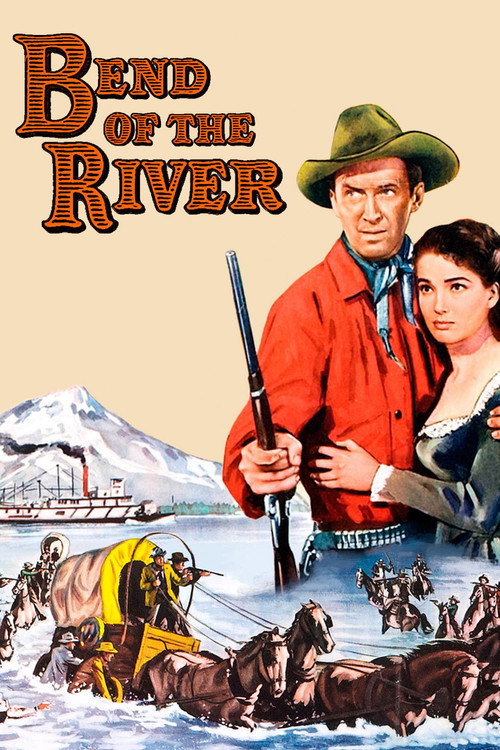
Bend of the River1952
James Stewart plays a man with a shady past trying to build something honest. Like Harry, he must prove to others—and himself—that change is possible, not just wishful thinking.
But It's a Western, and if you're not in the mood for saddle-sore pacing, the plot meanders toward its point.
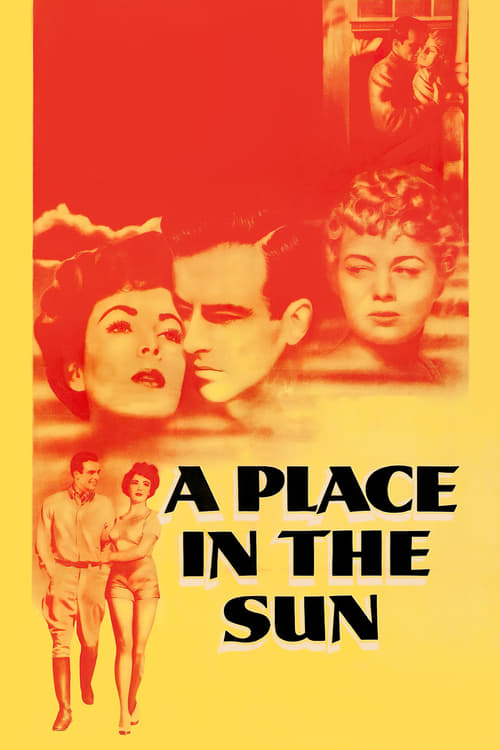
A Place in the Sun1951
Montgomery Clift as a desperate man whose past catches up with him. The moral weight—the real cost of second chances—is fiercer here, making it a darker mirror of Harry's dilemma.
But Deeply sad and increasingly bleak. This is not a film about men learning to forgive themselves; it's about the systems that won't let them.
Rope1948
Hitchcock examines guilt and unworthiness through two men who've done something unforgivable. The intimacy and claustrophobia probe why some people can't simply move past their failures.
But Deliberately theatrical and confined. If you want a thriller with motion, this is static and suffocating by design.

Champion1949
Kirk Douglas as a boxer who climbs and falls and must reckon with who he's become. The portrait of masculine pride refusing grace is bracing and unsentimental.
But Darker and meaner-spirited than you might expect from the premise. Not everyone wants their redemption story to end with such moral ambiguity.

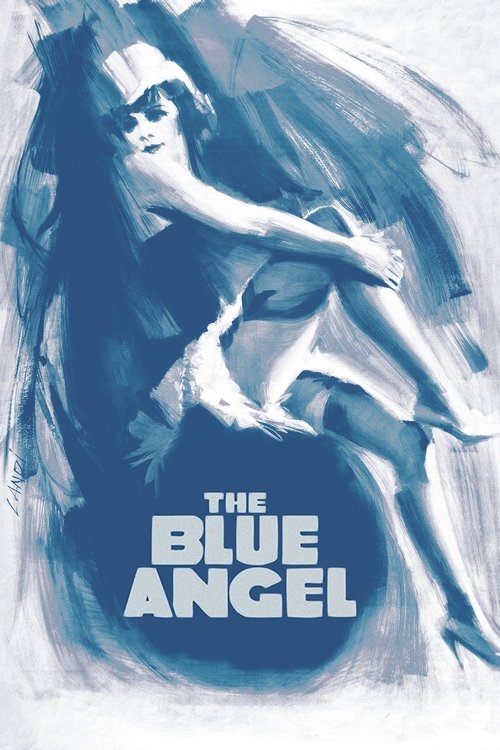
The Blue Angel1930
Emil Jannings as a man destroyed by his own shame and refusal to forgive himself. A German Expressionist masterpiece about the weight of unworthiness and how it can crush you.
But It's from 1930, silent-era pacing and heavily stylized. The emotional register can feel operatic to modern viewers.
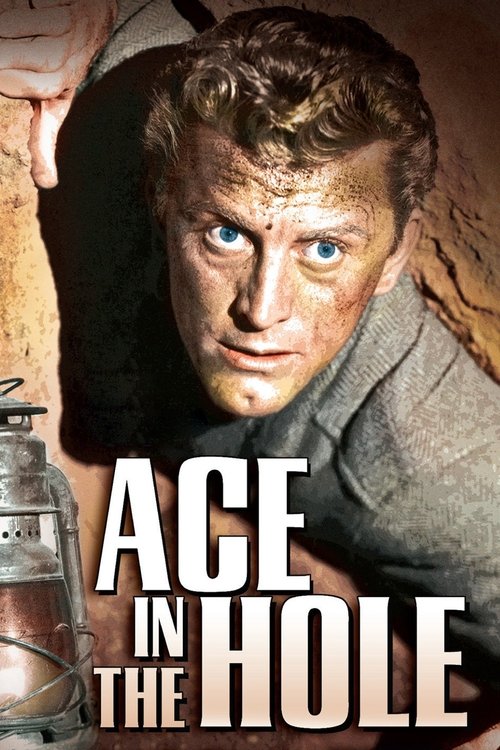
Ace in the Hole1951
Billy Wilder's cynical take on redemption: Kirk Douglas as a man using tragedy for comeback, learning too late that some things can't be redeemed. A necessary counterweight to easier recovery narratives.
But Wilder goes for the jugular. If you want warmth or forgiveness, this film will deny you both. It's bleak by intention.
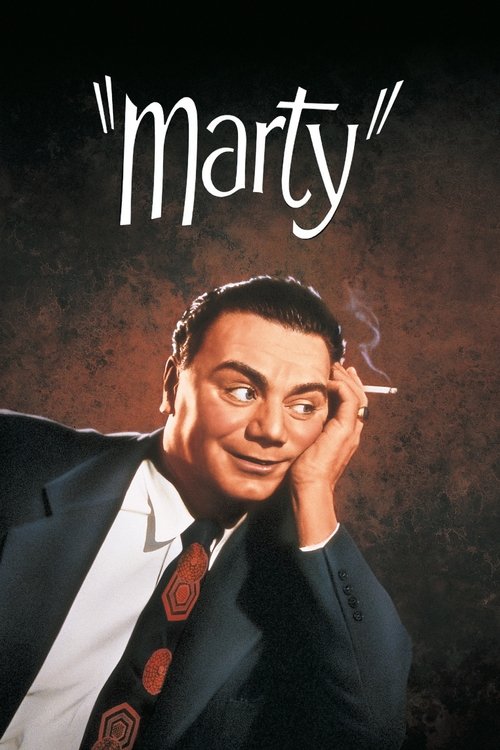
Marty1955
Both are small, sincere stories about masculine insecurity and unworthiness. Both trust that the real drama is internal, not external. Both earned their modest reputations honestly.
A television play adapted to film, about a lonely butcher learning he's worthy of love. Utterly ordinary and utterly moving—no grand gestures, just a man discovering his own value through simple human connection.
But Aggressively quiet and unglamorous. It's a television play, shot like one. If you need spectacle or narrative momentum, you won't find it here.
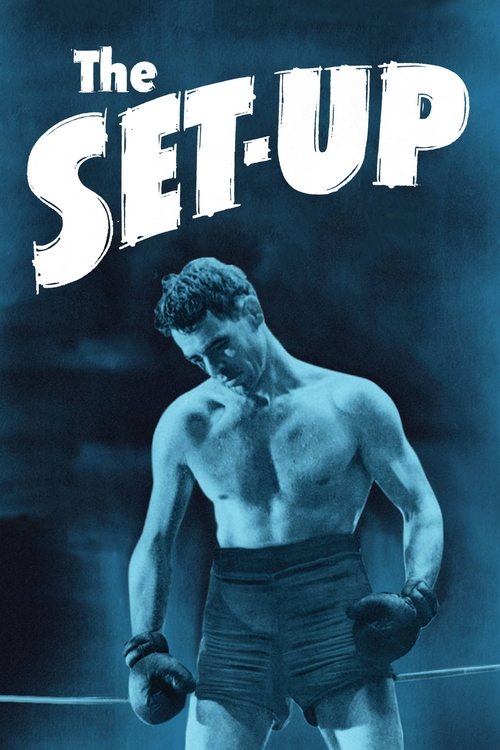
The Set-Up1949
Both films use sport as a mirror for male self-worth. But where Harry finds grace, The Set-Up shows what happens when grace doesn't come—when you get one last chance and it destroys you anyway.
Robert Ryan as an aging boxer fighting one last time, told in real time across ninety minutes. The brutality is unflinching, the humanity quiet. It understands that sport is where men go to prove themselves when everything else has failed.
But The violence is graphic for 1949, and unrelenting. No musical uplift here, no redemptive charity game—just the reality of bodies refusing to do what pride demands.
People
Cast
 Paul DouglasHarry Joplin
 Joan BennettKathy Joplin
 Linda DarnellDee Shane
 Don DeForeGordon Towne
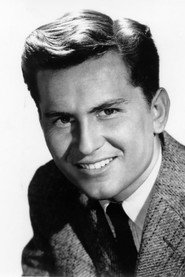 Billy GrayWilly Joplin
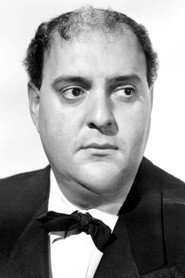 Zero MostelBoots Mullins
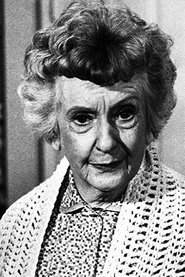 Ruth McDevittGrandma
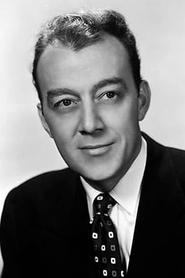 Edmon RyanJoe Demarcus
 Walter BurkeO'Mara
 Henry KulkyWizard, Wrestler
Directing
- Horace HoughAssistant Director
- Joseph M. NewmanDirector
Writing
- Allan ScottScreenplay
- W.G. FayStory
Production
- Julian BlausteinProducer