
Film
The Time, The Place and The Girl
- Backstage musical
- Light-hearted
A 1946 Warner Bros musical comedy about a nightclub owner who sweet-talks an opera singer into helping save his club from being shut down. It's a breezy, colorful romp through postwar showbiz with big production numbers, charm to spare, and the kind of romantic chemistry that made Golden Age Hollywood so effortless. Perfect if you like your entertainment optimistic, tuneful, and unashamed about being fun.
Should you watch it?
Watch it if you like light 1940s Hollywood musicals where the songs, the sly banter between two sidekicks and a neighbourly feud keep the froth buoyant and the romance easy.
Skip it if you find the opera-versus-jazz setup too thin to carry a full film, or you want sharp plotting, since the comedy leans on goofy mugging and the romance is pleasantly predictable.
What it asks of you: Light and brisk at 105 minutes, with frequent song breaks and quick back-and-forth, it wants a relaxed evening and little more than a willingness to be charmed.
Not sure? Find tonight's pick in a minute.
If you liked this
It Happened One Night1934
The template for screwball romance: a cynical man and a refined woman forced together, banter that crackles, and a plot that gets better the less you think about its logic. Capra made magic from nothing.
But Pacing feels glacial by modern standards, and there's a lot of sitting in cars talking. The romance works only if you surrender to 1930s timing.

Singin' in the Rain1952
The gold standard of movie musicals: Gene Kelly, Donald O'Connor, and Debbie Reynolds in a love story wrapped around showstopping numbers that justify every dollar spent. Pure, concentrated joy.
But If you're allergic to earnestness about the magic of entertainment, this will test your patience. It wears its heart completely on its sleeve.

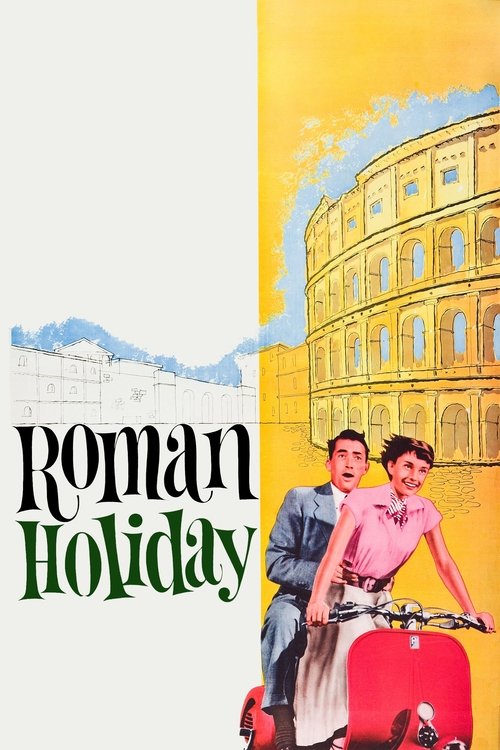
Roman Holiday1953
Audrey Hepburn and Gregory Peck: effortless charm, genuine wit, and a love story that trusts you to feel what it feels. A fairy tale for adults made by adults who understood romance.
But The stakes are low—nobody's in real danger—and some find it too safe, too pretty, too satisfied with looking good doing nothing.
Not sure tonight? Get a pick in a minute, starting from The Time, The Place and The Girl
The wildcard
Something you would not have found on your own.
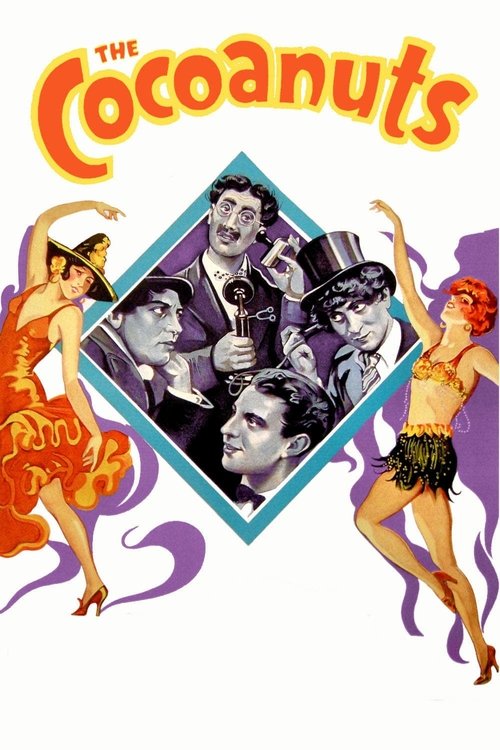
The Cocoanuts1929
Both are backstage farces where the plot (about putting on a show, keeping a place open) barely matters; what matters is the energy of people refusing to be stopped. The chaos is the whole point.
The Marx Brothers' feature debut: Groucho running a hotel during a land boom, pure vaudeville chaos captured on film, and a blueprint for comedy that influenced everyone who came after. Anarchic and alive.
But Shot flat and static like a stage play, the pacing is slack, the plot is genuinely nonsensical, and humor built on rapid-fire wordplay requires active listening—you can't coast.
More like this (8)
The Philadelphia Story1940
Three leads at the peak of their powers, dialogue so sharp it could draw blood, and a romance built on actual character development rather than just proximity. Every scene sparkles.
But It's long, it's stage-bound, and the central relationship hinges on a woman being humbled for wanting independence—a logic that hasn't aged well.

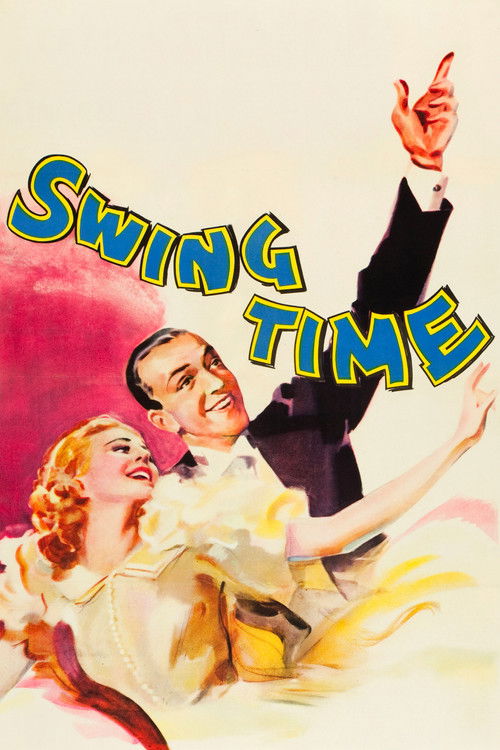
Swing Time1936
Fred Astaire and Ginger Rogers: a con-man plot, romantic complications, and dance numbers so inventive they redefine what bodies can do. Dancing as language, romance as motion.
But The plot is a pretense, the racial caricatures are indefensible, and if tap dancing doesn't move you, there's not much underneath holding it up.
Breakfast at Tiffany's1961
Audrey Hepburn as a woman unknowable and mercurial, George Peppard as a man trying to figure out who he is, and New York in autumn looking like a promise. Sad underneath the style.
But It's precious about itself, the racial elements are deeply uncomfortable, and if you need plot momentum, you'll be frustrated by all the loitering.

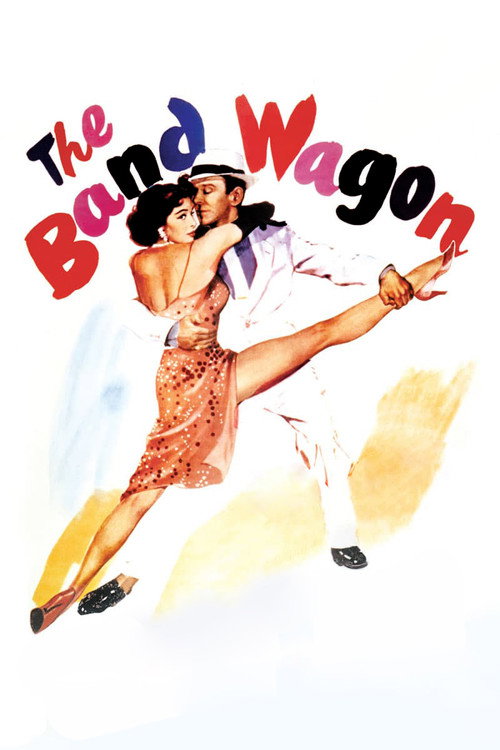
The Band Wagon1953
Fred Astaire and Cyd Charisse: a show-within-a-show structure, a cynical Hollywood story with teeth, and dance sequences so innovative they still look impossible. Meta before meta was a word.
But The theatrical in-jokes might sail past you, the framing narrative is thin, and there's a lot of sitting around talking about putting on a show.
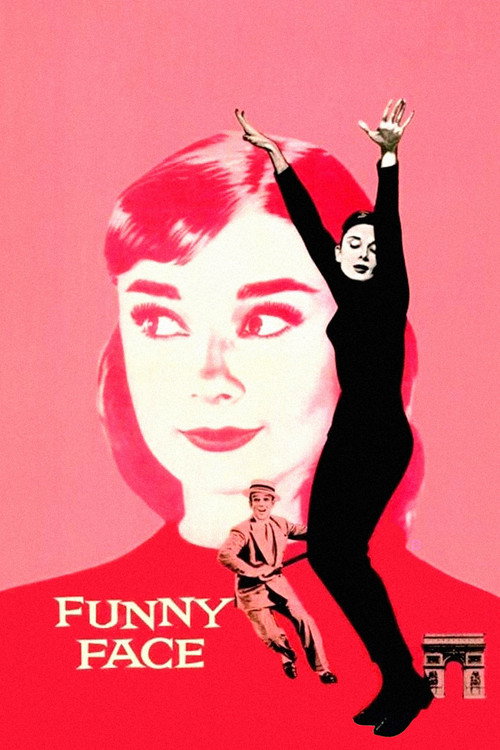
Funny Face1957
Fred Astaire and Audrey Hepburn: a romance that starts as exploitation and has to earn its sincerity, Paris as pure abstraction, and dance numbers that function as genuine character moments.
But The age gap is uncomfortable to modern eyes, the fashion-world satire is thin, and the emotional beats move fast enough to feel convenient.
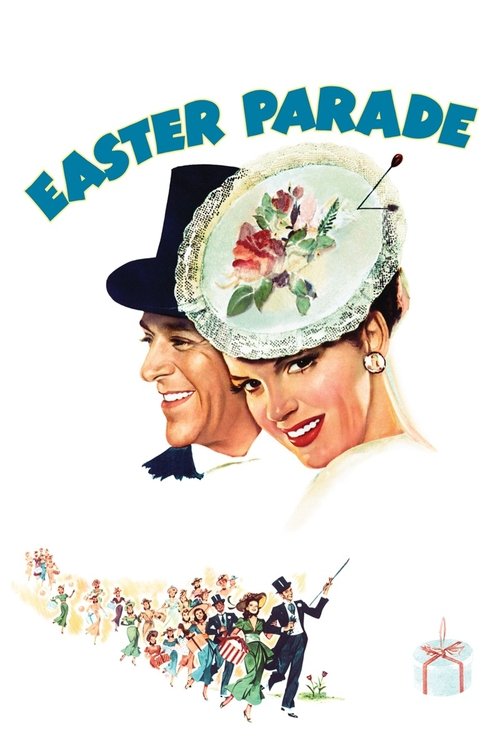
Easter Parade1948
Fred Astaire and Judy Garland as a dance team trying to hurt each other through ambition and success. Darker than the title suggests, with numbers that ache as much as they dazzle.
But Garland was struggling during filming and it shows; uneven pacing; relies on you finding redemptive meaning in people who mostly behave badly to each other.
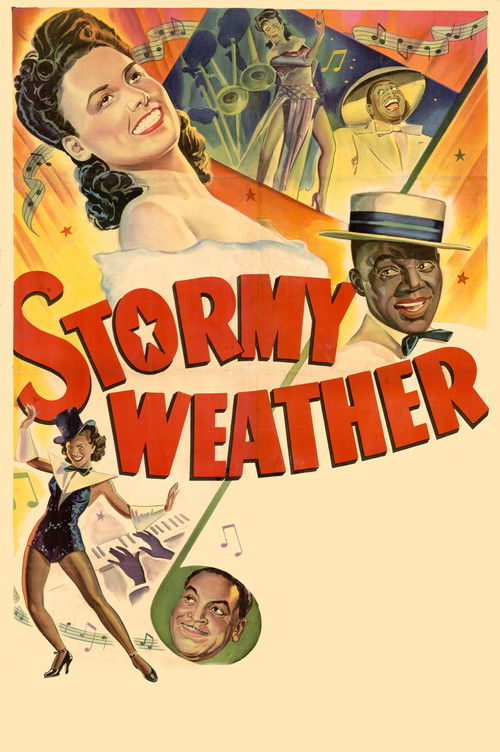
Stormy Weather1943
Both are romantic comedies held together by musical entertainment rather than narrative logic, but *Stormy Weather* does something far more important—it was allowed to be beautiful and complex by people usually shut out of that possibility.
Lena Horne, Bill Robinson, Fats Waller, Cab Calloway: a Black cast in a major studio production, musical numbers that rewrote what cinema could do, a love story with actual complexity underneath the spectacle.
But The plot is deliberately thin because the numbers are the story; shot in Technicolor by white cinematographers with ideas about lighting Black skin; exists as a historical artifact as much as entertainment.
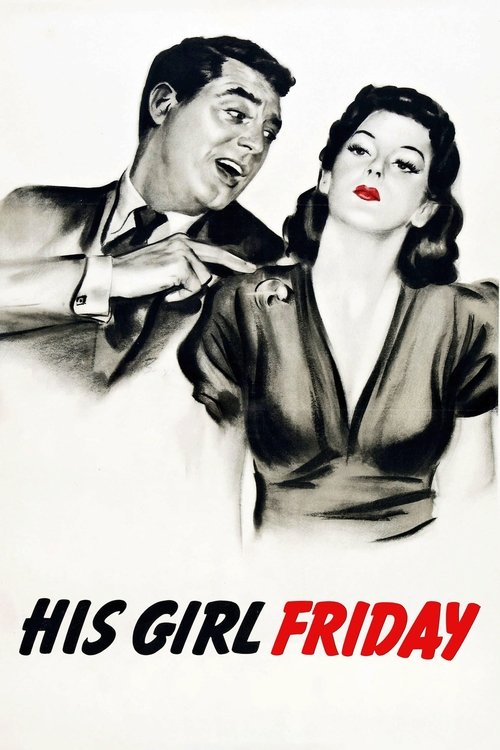
His Girl Friday1940
A romantic comedy made mostly of talk and performance rather than plot, where the real story is two smart people circling each other, using work and schemes as foreplay, recognizing themselves in each other.
Rosalind Russell and Cary Grant as exes sparring like equals over a murder case, dialogue that overlaps and tramples itself, a newsroom on fire. Comedy as intellectual sport, fast and thrilling.
But Everyone talks at once, the screwball logic is punishing if you miss a line, and the central romance is built on professional sabotage—fun in 1940, harder to cheer for now.
People
Cast
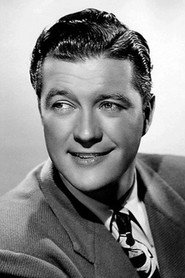 Dennis MorganSteven Ross
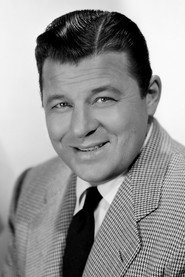 Jack CarsonJeff Howard
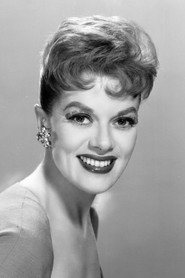 Janis PaigeSue Jackson
 Martha VickersVictoria Cassel
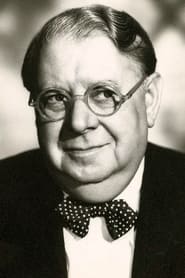 S.Z. SakallLadislaus Cassel
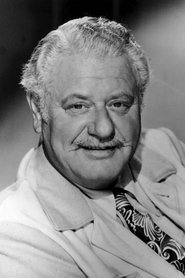 Alan HaleJohn Braden
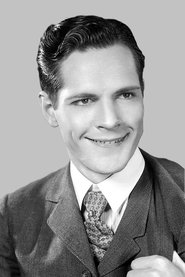 Donald WoodsMartin Drew
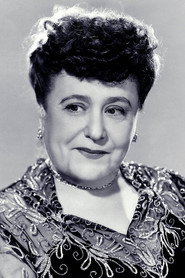 Florence BatesMme. Lucia Cassel
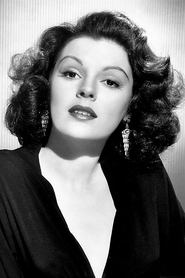 Lynn BaggettNurse (uncredited)
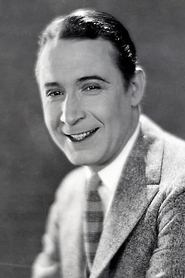 Monte BlueStage Manager (uncredited)
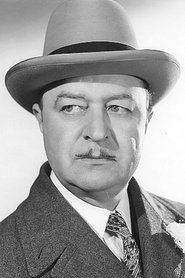 Chester CluteJeff's Apartment manager (uncredited)
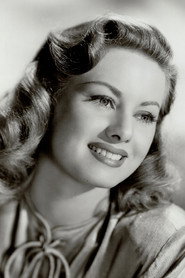 Jane HarkerBar Patron (uncredited)
Directing
- David ButlerDirector
Writing
- Agnes Christine JohnstonWriter
- Francis SwannWriter
- Lynn StarlingWriter
Production
- Alex GottliebProducer