
Film
Follow the Boys
A 1944 wartime variety revue built around George Raft as a hoofer organizing entertainment for troops. Essentially a two-hour showcase for Universal's contract players—Donald O'Connor, Marlene Dietrich, W.C. Fields, the Andrews Sisters—performing musical numbers and comedy bits. It's a time capsule of Hollywood mobilized for morale, occasionally inspired, mostly charming in its sprawl.
Should you watch it?
Watch it if you enjoy wartime morale pictures as time capsules, where the pleasure is spotting a studio's whole roster doing bits and novelty numbers one after another.
Skip it if you want a tight plot or a story that builds; this is a loose string of skits and song interludes, and at 122 minutes the seams show.
What it asks of you: Expect a long stretch of loosely linked sketches and numbers, with patience needed for the stretches between the good ones and no real sustained tension.
Not sure? Find tonight's pick in a minute.
If you liked this
Singin' in the Rain1952
The gold standard of Hollywood musical joy: three stars at their peak, numbers that genuinely astound, and a script that earns every song. Pure filmmaking craftsmanship applied to uncomplicated happiness.
But If you don't love dance on film, the lengthy production numbers may feel indulgent. Some of the comedy bits are dated.

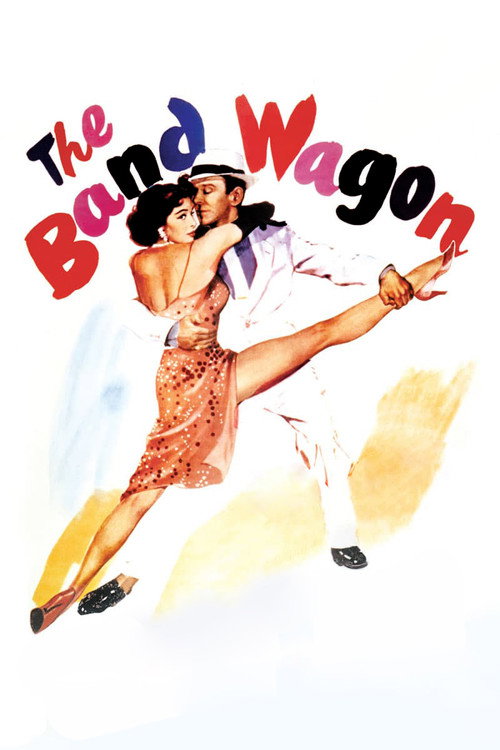
The Band Wagon1953
Fred Astaire and Cyd Charisse in what many consider the finest musical ever made. Elegant, witty, with extraordinary dance sequences that justify every second of runtime. A masterclass in form.
But It's about putting on a show, which can feel thin to modern eyes. The meta-theatrical conceit takes a while to land.
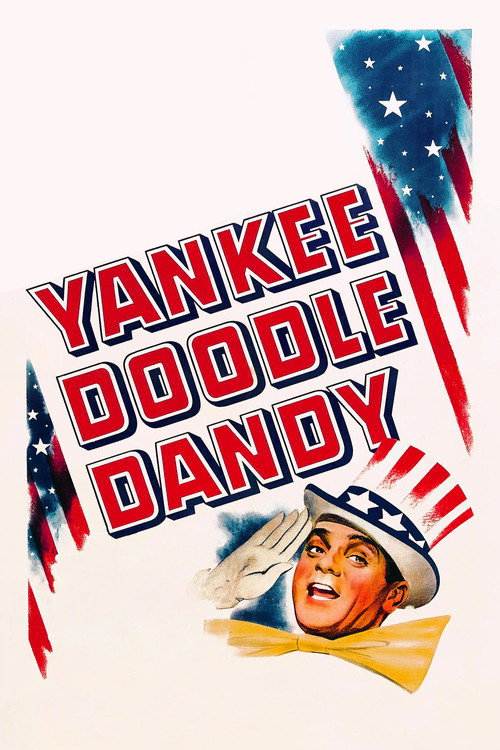
Yankee Doodle Dandy1942
James Cagney's performance as George M. Cohan is volcanic and joyful. The dance numbers are genuinely thrilling, the script crackles with period charm, and Cagney sings and taps his way into your memory.
But It's a biopic of a stage performer, so the momentum stops for sentimental domestic scenes. Some numbers run long.
Not sure tonight? Get a pick in a minute, starting from Follow the Boys
The wildcard
Something you would not have found on your own.
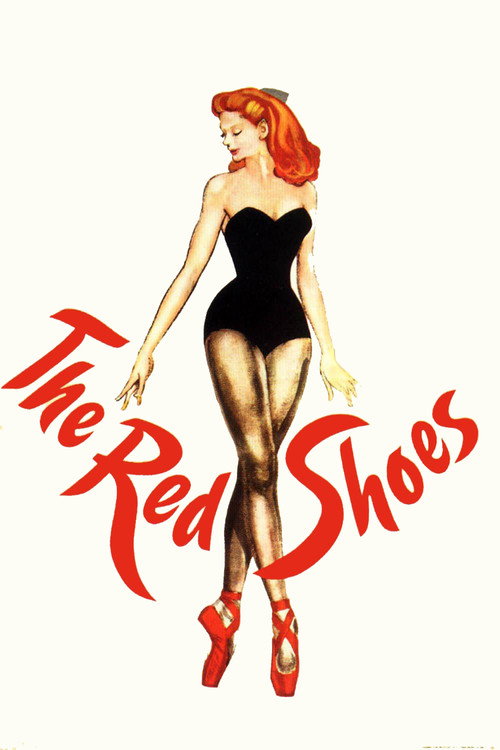
The Red Shoes1948
Both films use performance to process the world around them, but where Follow the Boys uses variety to boost morale, The Red Shoes uses spectacle to explore artistic obsession and the cost of beauty—the shadow cast by the same light.
Powell and Pressburger's film about a dancer caught between love and art is *the* answer to wartime variety shows—not a revue but a coherent vision of performance as consuming passion. The twenty-minute ballet sequence is cinema transformed into dance.
But It's a tragic film dressed in color and music. The ending breaks your heart. It requires emotional investment in a woman's impossible choice, not light entertainment.
More like this (8)
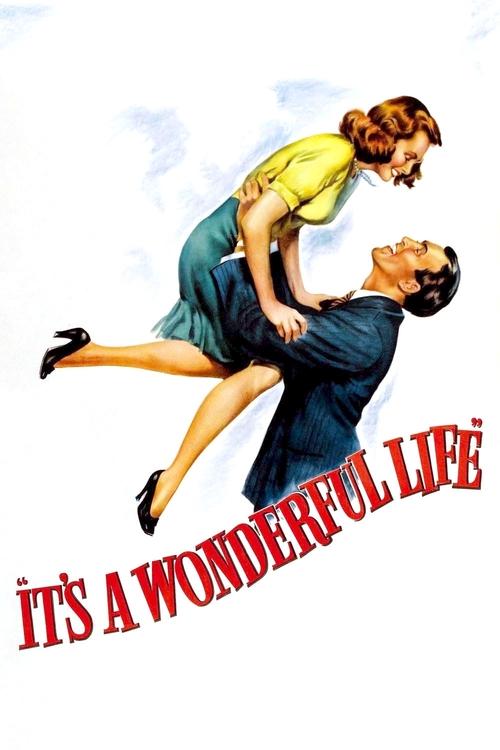
It's a Wonderful Life1946
Capra's masterwork about community and belonging, released just after the war. It functions as both profound spiritual meditation and crowd-pleasing entertainment—the rare film that works equally well on both levels.
But It's been culturally exhausted by December rebroadcasting. The sentiment can feel heavy-handed if you're not in the right mood.
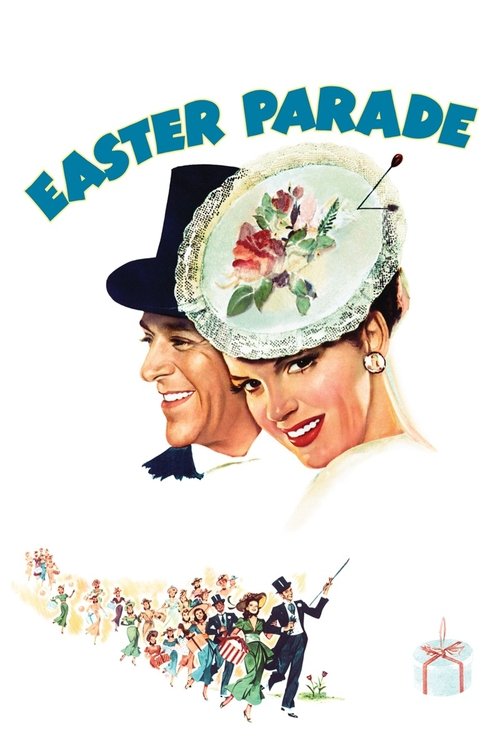
Easter Parade1948
Fred Astaire and Judy Garland dancing through Manhattan in Easter finery. Lighter than Astaire's other masterworks but pure pleasure—the songs are excellent and the chemistry crackles.
But The plot is negligible, just an excuse for numbers. If you want narrative stakes, you won't find them.
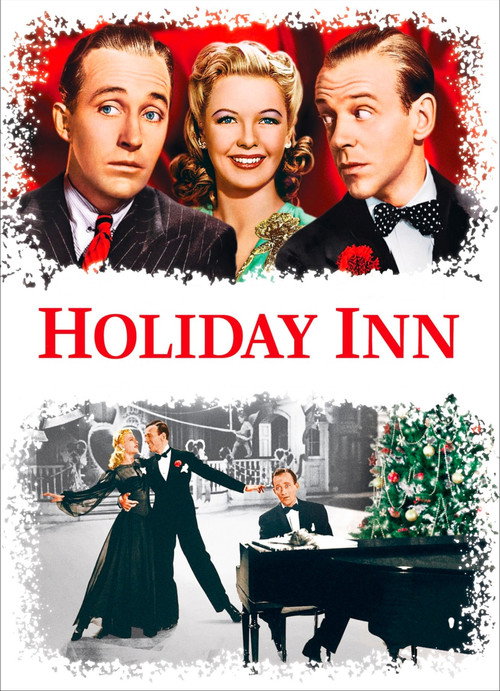
Holiday Inn1942
Astaire and Bing Crosby at an estate where every holiday gets a full production number. Ingenious structural concept that gives each musical sequence purpose. Vera-Ellen is magnetic as the female lead.
But The premise grows repetitive. Pacing sags in the middle. Some numbers overstay their welcome.
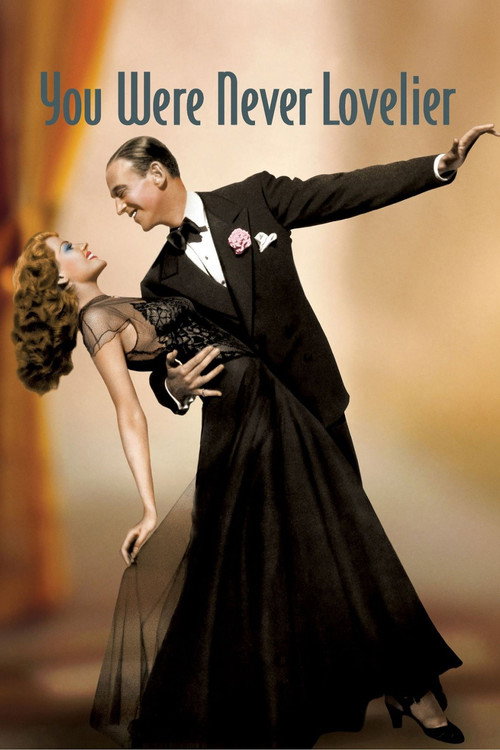
You Were Never Lovelier1942
Rita Hayworth and Fred Astaire dancing in a plot about courtship and deception. Beautiful Technicolor, a stellar Jerome Kern score, and Astaire's choreography at its most romantic and inventive.
But The plot requires you to care about a con that's not very interesting. The dramatic bits feel obligatory.
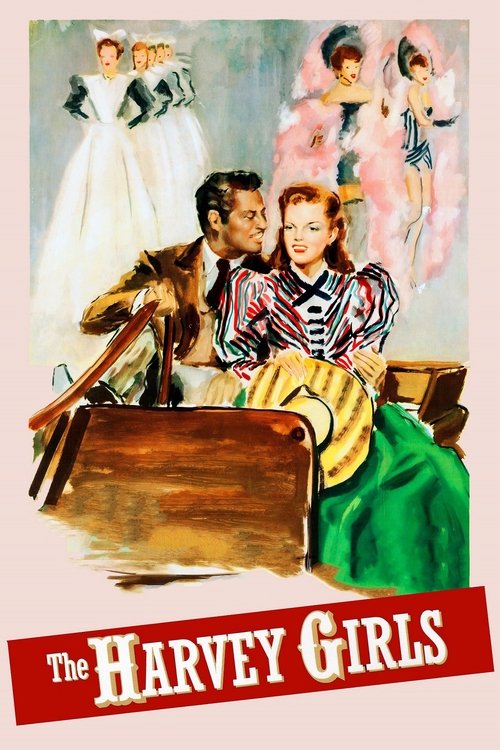
The Harvey Girls1946
Judy Garland and Ray Bolger in a Western musical with genuine stakes—railroad waitresses bringing civilization to Arizona. Energetic, colorful, unexpectedly engaging despite its slight premise.
But The tone wobbles between screwball comedy and earnestness. Some numbers feel tacked on. The Western setting can feel like window dressing.
Phantom of the Opera1943
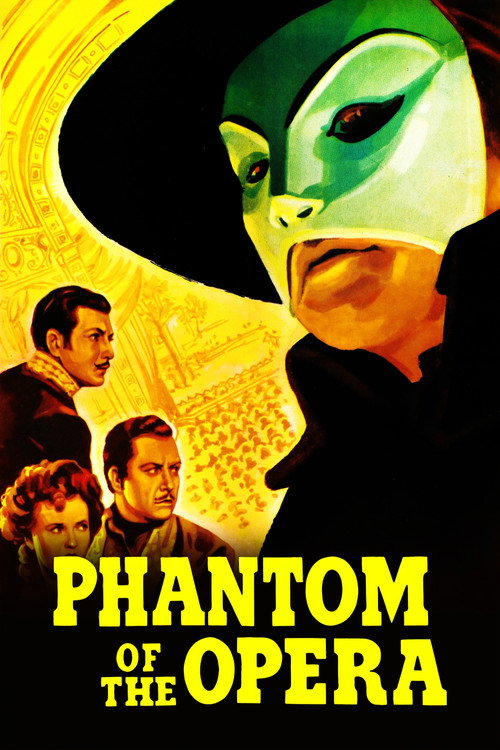
Universal's Technicolor showstopper starring Nelson Eddy and Susanna Foster. Lush production design, lavish opera sequences, and enough melodrama to keep you watching. Pure spectacle as comfort food.
But It's operetta, which means sustained vocal performances some find unbearable. The plot is soap opera. The pacing is glacial by modern standards.
Pennies from Heaven1981
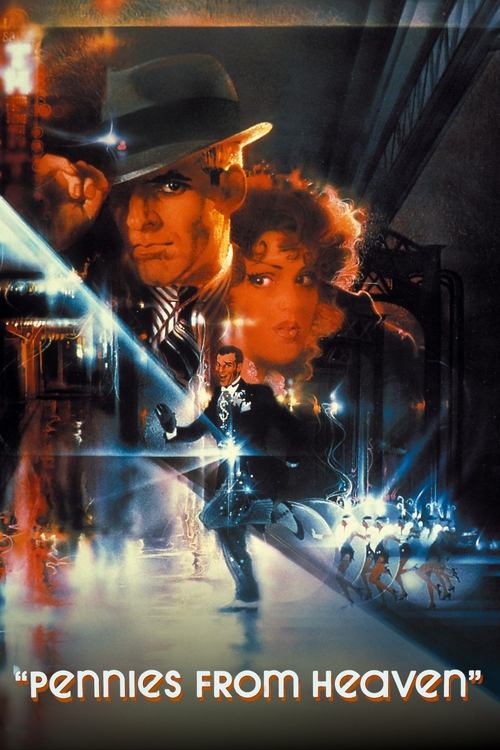
Both films use song and spectacle to show us how Americans used entertainment as escape during hard times—but Pennies asks what that escape costs, while Follow the Boys asks only that we enjoy it.
Steve Martin as a Depression-era sheet-music salesman who lip-syncs to classic recordings while real life crumbles. Dennis Potter's fusion of Hollywood fantasy with genuine sadness—the opposite of Follow the Boys' optimism but cut from the same cloth.
But It's bleak and sexual and weird in ways 1944 could never be. The lip-syncing feels alienating rather than joyful. Some find it wilfully depressing.
A League of Their Own1992
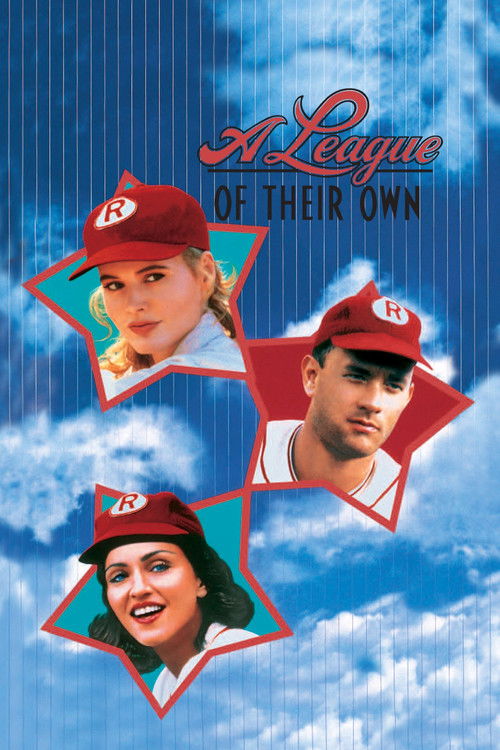
Both assemble talented performers across genres to celebrate American resilience during WWII, but League uses individual characters within a narrative frame instead of variety revue structure—the same warmth, a different shape.
Tom Hanks, Geena Davis, Madonna in a film about women's baseball during World War II. It's a variety show hidden in a sports movie: musical sequences, comedy bits, ensemble joy, and genuine feeling about community and belonging during wartime.
But It's sentimental and doesn't hide it. The romantic subplot overshadows the team narrative. Some baseball sequences are clunky and pacing stumbles in the middle.
People
Cast
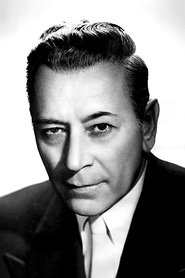 George RaftTony West
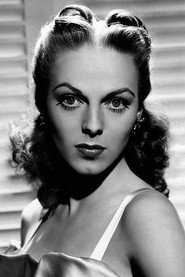 Vera ZorinaGloria Vance
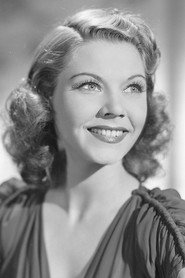 Grace McDonaldKitty West
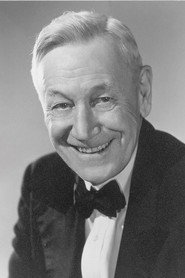 Charley GrapewinNick West
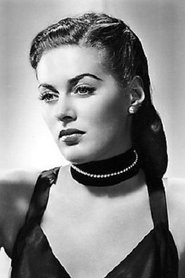 Ramsay AmesLaura
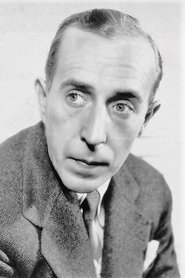 Charles ButterworthLouie Fairweather
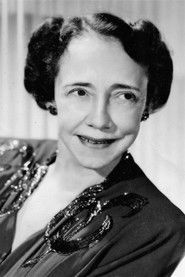 Elizabeth PattersonAnnie
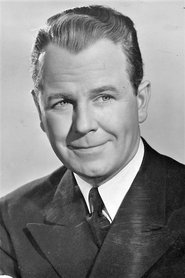 Regis ToomeyDr. Henderson
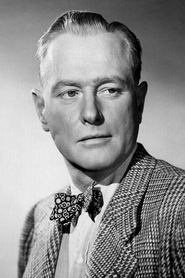 George MacreadyWalter Bruce
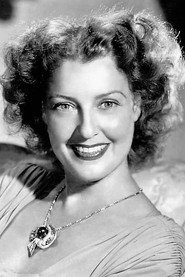 Jeanette MacDonaldJeanette MacDonald
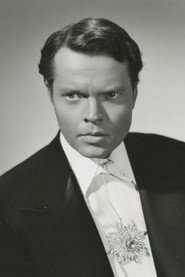 Orson WellesOrson Welles (uncredited)
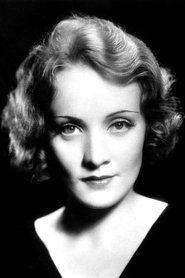 Marlene DietrichMarlene Dietrich
Directing
- A. Edward SutherlandDirector
Writing
- Sammy CahnLyricist
- Gertrude PurcellScreenplay
- Lou BreslowScreenplay