
Film
Reveille with Beverly
- Comedy
- Light-hearted
A 1943 wartime musical comedy where a radio operator's early-morning show becomes a lifeline for soldiers awaiting deployment. Ann Miller shines in a role that lets her dance, flirt and broadcast patriotic cheer with genuine warmth. It's lighter than air—designed to entertain and comfort during anxious times—and succeeds entirely on charm and Miller's charisma.
Should you watch it?
Watch it if you like wartime radio comedies where big band numbers and quick-witted chatter carry the romance, and you don't mind the fluff being the point.
Skip it if you find the 1940s musical-comedy formula thin, or want a war story with real weight, since the army camp is mostly a cheerful backdrop for romantic bickering.
What it asks of you: Expect a brisk 78 minutes of light, chirpy comedy with songs slotted in between the jokes, and little more than tracking who is sweet on whom.
Not sure? Find tonight's pick in a minute.
If you liked this
Singin' in the Rain1952
The same infectious joy and dance-forward energy, with a star who loves performing as much as the audience loves watching. Gene Kelly and Donald O'Connor are irresistible, and the numbers are justly famous.
But Post-war Hollywood spectacle at grand scale; if you want something as intimate as Reveille, this might feel oversize.

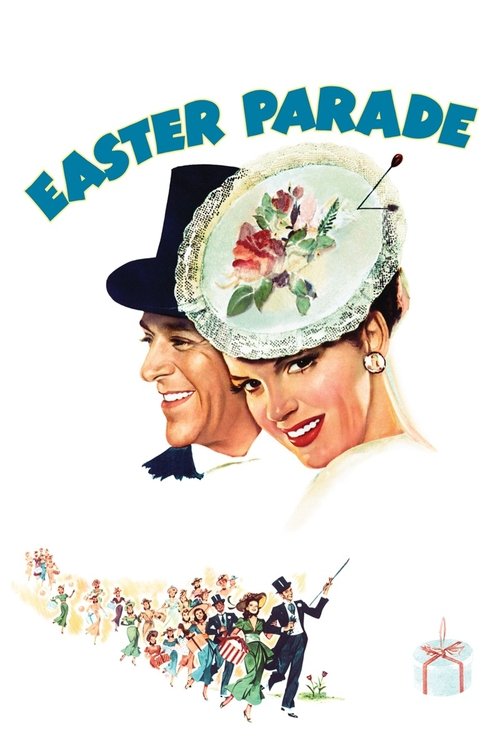
Easter Parade1948
Fred Astaire and Judy Garland in a lighter musical built on charm rather than plot. The dance sequences are stunning, and the banter captures the same playful spirit that makes Reveille work.
But Slower pacing than you might expect; it dawdles in ways modern audiences sometimes find frustrating.
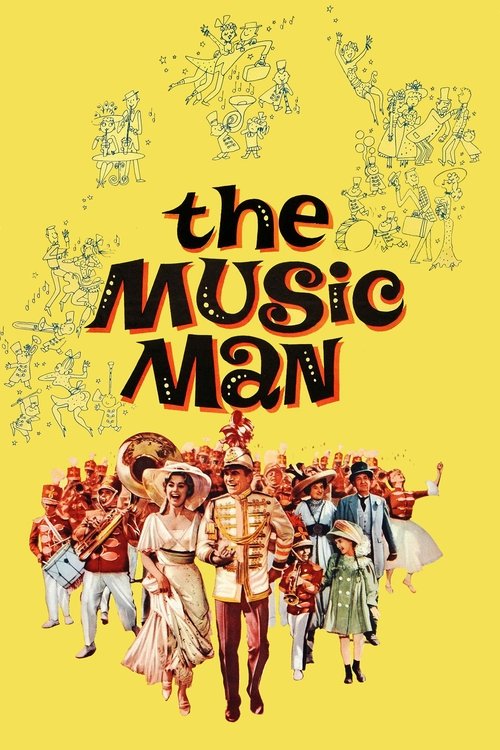
The Music Man1962
A musical about radio, Americana, and small-town optimism that shares Reveille's earnest belief in the power of music and performance to lift spirits and bring people together.
But Nearly two and a half hours; the charm has to sustain you through a genuinely long haul.
Not sure tonight? Get a pick in a minute, starting from Reveille with Beverly
The wildcard
Something you would not have found on your own.
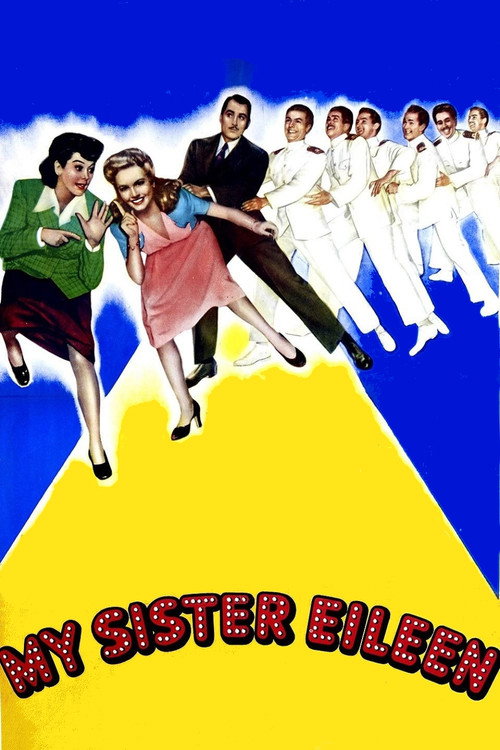
My Sister Eileen1942
Both are wartime comedies that understand female agency as charming rather than threatening—women managing their own lives and desires with humor and smarts, not despite the war but alongside it.
Rosalind Russell and Janet Blair in a romantic comedy about two sisters trying to make it in wartime New York. The same breezy, character-driven humor as Reveille, but grounded in the real scrape of women trying to get ahead.
But Less music, more talk; if you're watching for the dance numbers, you'll be disappointed.
More like this (7)
Yankee Doodle Dandy1942
James Cagney tap-dancing his way through American showbiz history with infectious energy. A backstage musical that loves performance and patriotism without a trace of cynicism.
But Heavy on the biographical framework, which can feel more dutiful than playful.

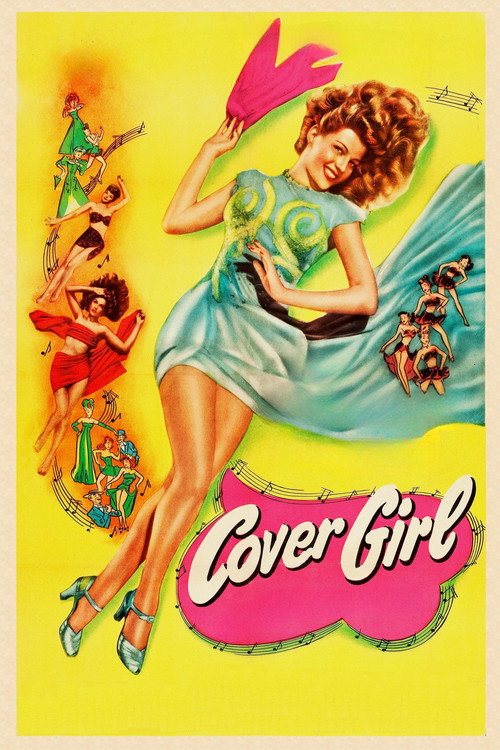
Cover Girl1944
Rita Hayworth in a Technicolor musical romance about performance and ambition. The dancing is gorgeous, the chemistry is real, and it captures the same wartime glamour as Reveille.
But The plot feels thin even for a musical, and it takes itself more seriously than the lighter touch you might crave.
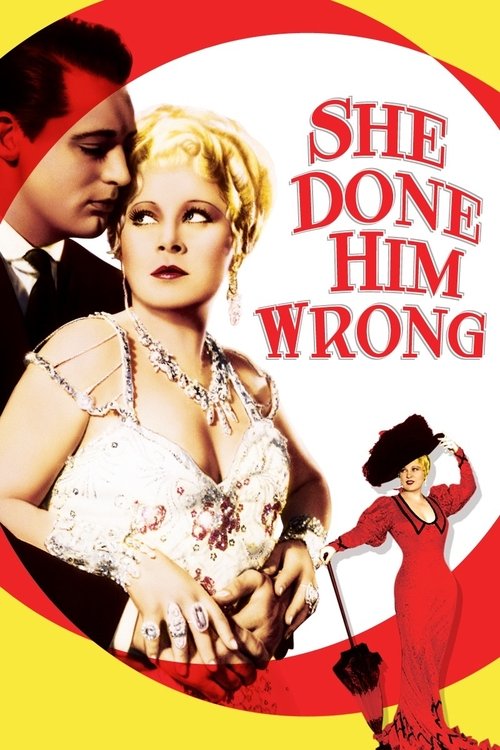
She Done Him Wrong1933
Mae West as a saloon performer outwitting everyone around her with wit and sex appeal. Earlier than Reveille but the same spirit: a woman using charm and performance to control her own story.
But The pacing is theatrical rather than cinematic, and it doesn't have the dance numbers that make Reveille visually pop.
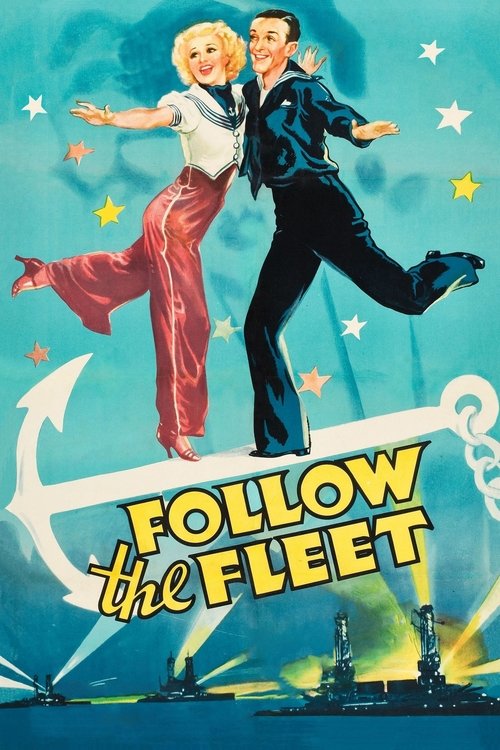
Follow the Fleet1936
Astaire and Rogers dancing around sailors on shore leave. Lighter than their more elaborate musicals, with the same blend of romance, comedy, and the military world that gives Reveille its flavor.
But As a film, it feels more functional than inspired—pretty, but not quite alive in the way the best Astaire-Rogers pictures are.
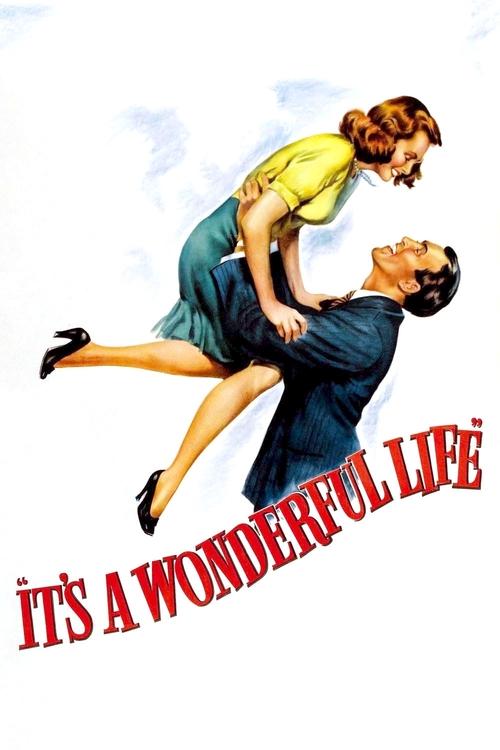
It's a Wonderful Life1946
Jimmy Stewart and Donna Reed in Capra's hymn to small-town goodness and the idea that your life matters to people around you. Shares Reveille's belief in community and human connection as real things.
But Tonally it's nowhere near as light; this is serious about its sentiment in ways that demand more from you.
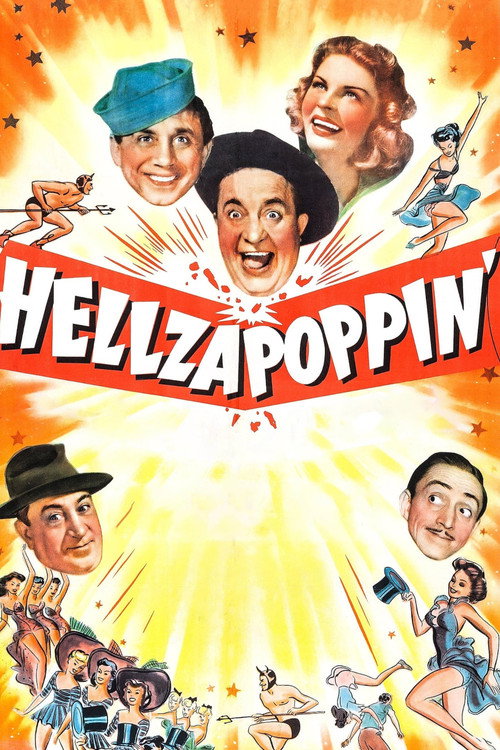
Hellzapoppin'1941
Both treat performance—radio broadcast, vaudeville act—as the actual substance of the film, not decoration around a story. Entertainment *is* the point.
Olsen and Johnson in a carnival of visual gags, vaudeville tricks, and controlled chaos. Looks nothing like Reveille but shares its music-hall DNA and its love of entertainment as an end in itself, not a vehicle for plot.
But The humor is absurdist and scattershot; if you need coherence, this will feel like watching someone else's party.
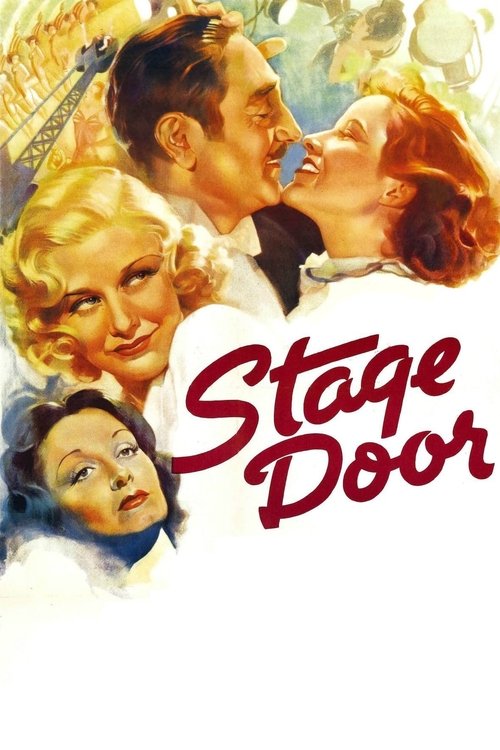
Stage Door1937
Where Reveille is a woman using performance to serve others and find love, Stage Door is women using performance to survive and find themselves. Both understand show business as a real economy where women have to be smart and resilient.
Katharine Hepburn, Ginger Rogers, and an ensemble of actresses navigating ambition, friendship, and survival in Depression-era theater. Sharp dialogue, genuine stakes beneath the comedy, and women who refuse to be sidelined.
But It's in black and white and moves at a 1930s pace; no musical numbers, and the tone swings toward genuine melancholy.
People
Cast
 Ann MillerBeverly Ross
 William WrightBarry Lang
 Dick PurcellAndy Adams
 Larry ParksEddie Ross
 Douglas LeavittMr. Ross
 Adele MaraEvelyn Ross
 Ella Mae MorseElla Mae Morse
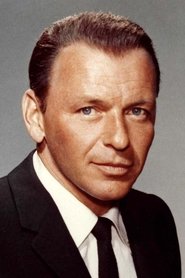 Frank SinatraFrank Sinatra
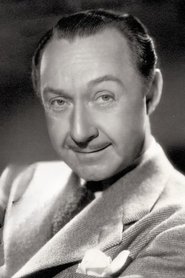 Franklin PangbornVernon Lewis (uncredited)
 Tim RyanMr. Kennedy (uncredited)
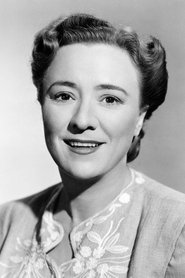 Barbara BrownMrs. Beverly Ross (uncredited)
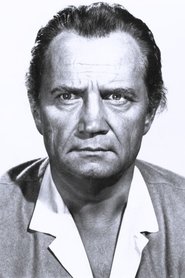 Walter SandePvt. Puckett aka Canvassback (uncredited)
Directing
- Charles BartonDirector
Writing
- Albert DuffyStory
- Howard J. GreenStory
- Jack HenleyStory