
Film
Holiday in Mexico
- Comedy
- Light-hearted
A 1946 musical comedy where teenage Christine Evans, daughter of the American ambassador to Mexico, decides to orchestrate her father's social life and romance while navigating her own romantic awakening in cosmopolitan Mexico City. It's a breezy, music-filled confection—charming rather than profound, driven by big production numbers and the earnest energy of young Jane Powell in her element.
Should you watch it?
Watch it if you enjoy old-fashioned Hollywood musicals where bright studio gloss, sparkling song-and-dance numbers and a teenager's comic overconfidence carry the day, with Mexico's music and color filling every frame.
Skip it if you want a tight, modern story; this one meanders through its two-hour-plus runtime, with long musical interludes that stop the plot cold and a romance that is sweet rather than surprising.
What it asks of you: Settle in for about two hours of leisurely, cheerful pacing, where songs and set pieces take their time and the mood stays light and sunny throughout.
Not sure? Find tonight's pick in a minute.
If you liked this
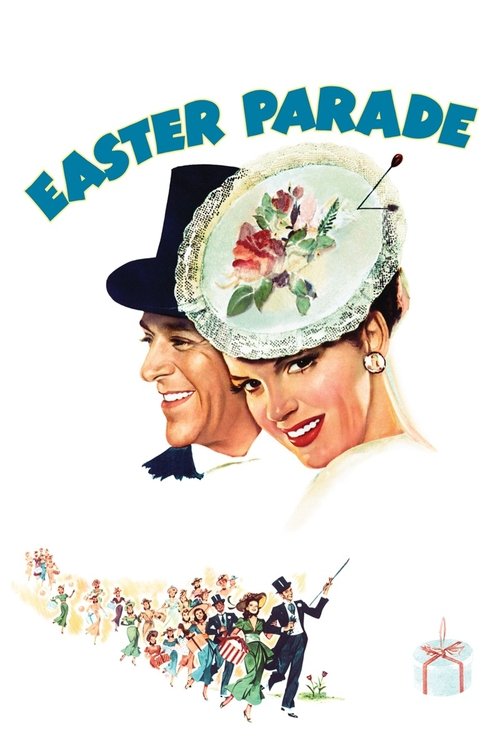
Easter Parade1948
Fred Astaire and Judy Garland in a lightweight musical romance with impeccable tap dancing, gorgeous costumes, and Irving Berlin songs that stick in your head for days. Pure joy in motion.
But The plot is gossamer-thin and the emotional stakes are basically nonexistent. If you need narrative weight, this will feel like dancing through air.
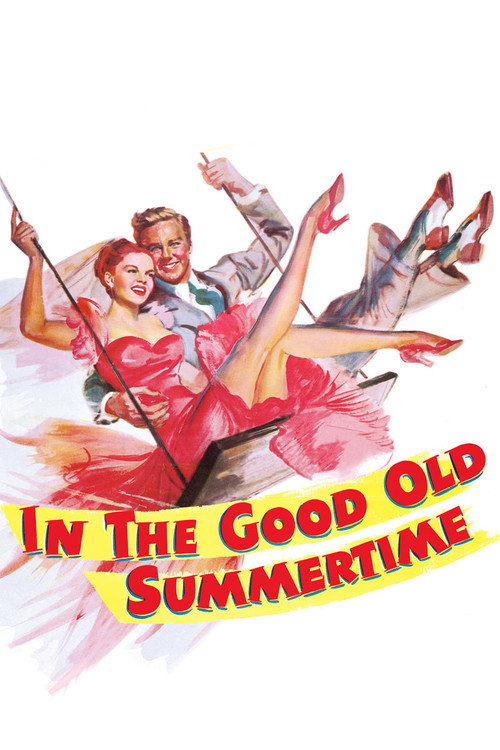
In the Good Old Summertime1949
Judy Garland and Van Johnson's chemistry fizzes in this charming retail-world romance with delightful musical interludes and real warmth. It's the movie that inspired *You've Got Mail*—and it's better.
But It moves at a leisurely 1940s pace that modern viewers sometimes find slow. The gender dynamics are period-typical in ways that don't age gracefully.
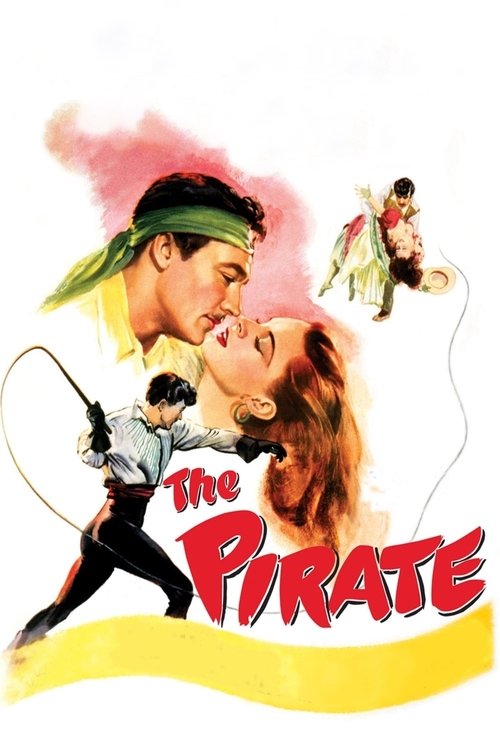
The Pirate1948
Gene Kelly and Judy Garland in a wild, theatrical musical comedy with imagination bursting from every frame. Kelly's physicality is astonishing, and Garland's voice has never sounded more alive.
But The tone is deliberately artificial and campy—some find it unsustainable rather than exuberant. The plot barely matters, which isn't for everyone.
Not sure tonight? Get a pick in a minute, starting from Holiday in Mexico
The wildcard
Something you would not have found on your own.
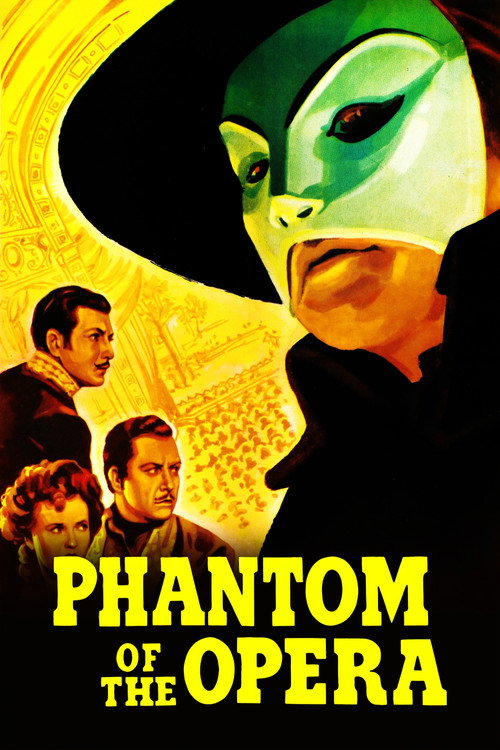
Phantom of the Opera1943
Both are 1940s MGM-era musicals that value production design and mounting spectacle as characters in themselves. Both use music not as a break from plot but as the emotional truth the plot can't quite reach. And both rest everything on a romantic dynamic that's fundamentally impossible—charm masking heartbreak.
Claude Rains and Nelson Eddy in Technicolor excess, filmed like a grand opera itself. This is Gothic melodrama as musical spectacle—gorgeously mounted and sincerely felt. It's what happens when you give a big budget to an impossible romance.
But Nelson Eddy's acting is stiff and his singing, while technically perfect, lacks personality. The plot is overwrought and the pacing glacial by modern standards.
More like this (7)
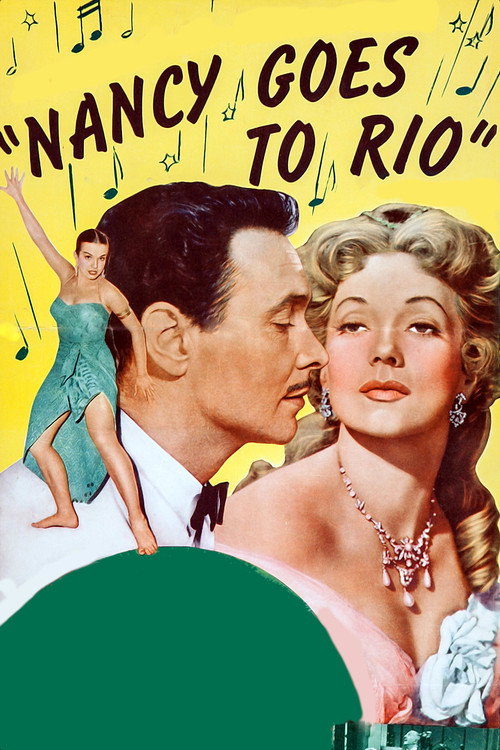
Nancy Goes to Rio1950
Ann Sothern and Jane Powell (mother and daughter) in a frothy musical set in Rio with genuine humor, excellent ensemble dancing, and a surprisingly sweet core about family.
But The racial politics are embedded in the period in ways that feel uncomfortable now. It's also more interested in spectacle than story.
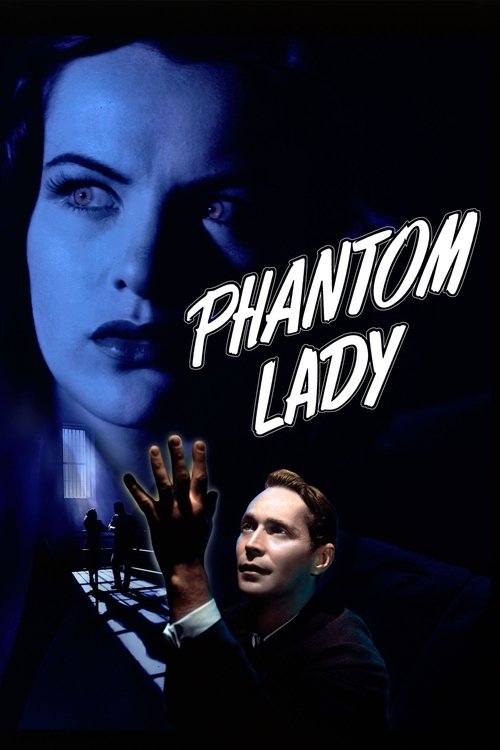
Phantom Lady1944
A stylish film noir with real suspense, unexpected eroticism, and Ella Raines as a woman who thinks fast and moves faster. The nightclub sequences are genuinely thrilling.
But It's darker and more violent than you might expect for 1944. If you want lightness, this tilts the opposite direction entirely.
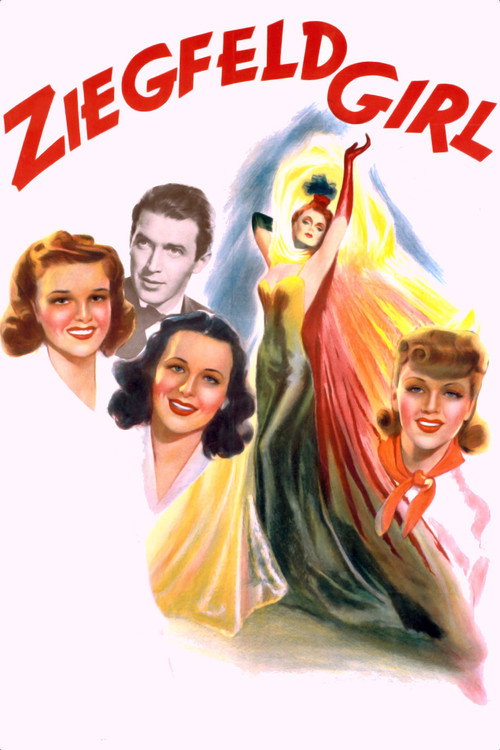
Ziegfeld Girl1941
Judy Garland, Lana Turner, and Hedy Lamarr as chorus girls with ambition and backstage drama. The production numbers are extravagant, the ensemble cast works hard, and Garland's finale is devastating.
But At two hours-plus, it drags between musical numbers. The plot is melodramatic in a way that pulls against the spectacle rather than supporting it.
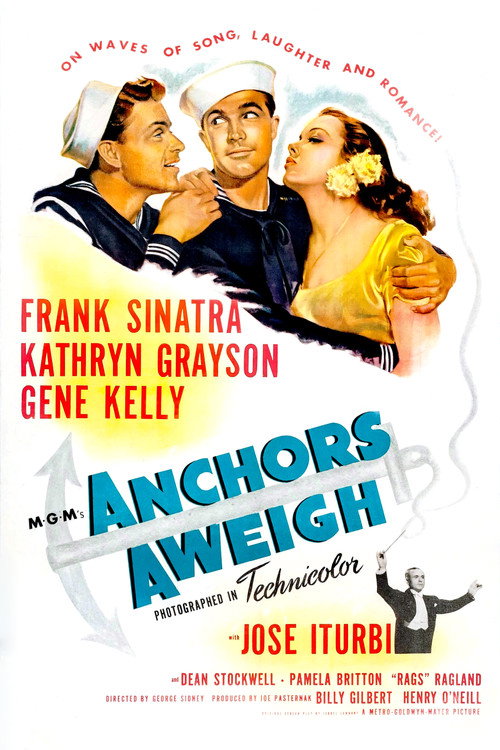
Anchors Aweigh1945
Gene Kelly and Frank Sinatra in a naval musical with knockout production numbers, real chemistry between the leads, and Kelly's famous dance with a cartoon mouse.
But The plot stops dead for musical sequences. The tone wobbles between comedy and sentimentality in ways that don't always land.
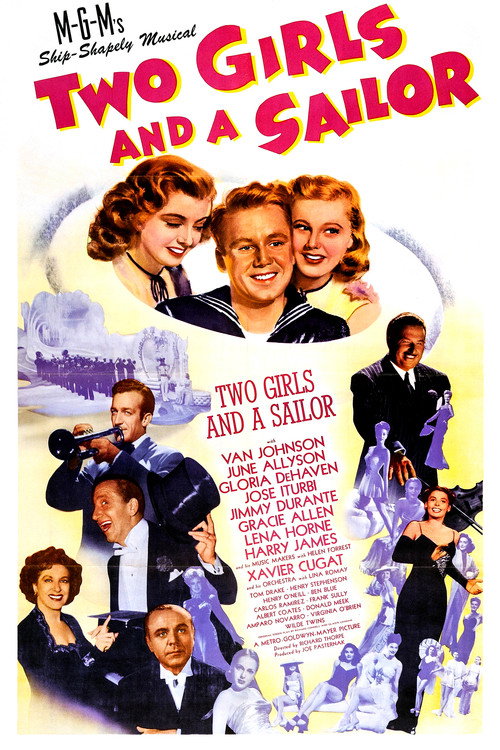
Two Girls and a Sailor1944
A lighthearted wartime musical with June Allyson and Gloria DeHaven, featuring strong supporting turns and enough musical talent on stage that it feels like a revue with a plot.
But It's thin even by 1944 standards—basically an excuse to showcase talent. If you need character development, you're in the wrong picture.
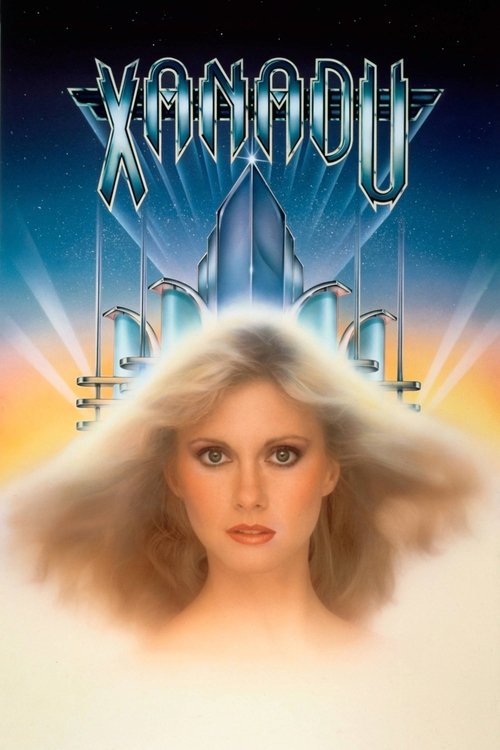
Xanadu1980
Both are films where you watch talented people work within a fantasy and accept its logic completely. Both are so in love with their own artifice that they stop trying to feel 'real.' And both use the teenage female perspective—wide-eyed, trusting, finding wonder in spectacle—as the emotional center. Holiday in Mexico is sincere about it; Xanadu is sincere but delusional.
Olivia Newton-John as a magical muse who inspires a down-on-his-luck artist. It's visually audacious—rollerskating through painted worlds, Electric Light Orchestra on the soundtrack, production design from another planet. A failure so committed it becomes transcendent.
But It's genuinely awful: the plot makes no sense, the dialogue is cringe, the tone is bewildering. It's beloved specifically because it's spectacular disaster. That's a very specific appeal.
The Red Shoes1948
Both explore a young woman deciding who she is and what she wants, using dance and music as the language her character speaks most fluently. But where Holiday in Mexico trusts that youth and charm can solve everything, The Red Shoes asks what happens when they can't, when growing up means losing something irreplaceable.
Michael Powell and Emeric Pressburger's masterpiece: Moira Shearer as a ballet dancer torn between art and love. The 15-minute ballet sequence is cinema as pure visual music—Technicolor painterly and heartbreaking.
But It's emotionally mature and ends in genuine tragedy. Nothing here is frothy or escapist; it's about the cost of ambition and the impossibility of having both things. Very much *not* a fun night out.

People
Cast
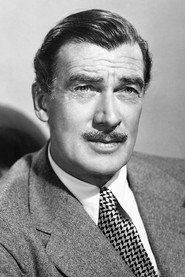 Walter PidgeonJeffrey Evans
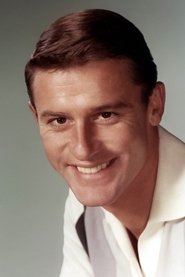 Roddy McDowallStanley Owen
 Jane PowellChristine Evans
 José IturbiJosé Iturbi
 Ilona MasseyCountess Toni Karpathy
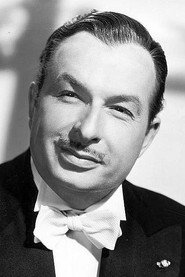 Xavier CugatXavier Cugat
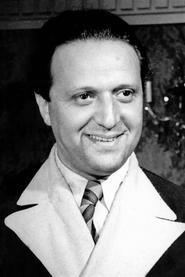 Hugo HaasAngus
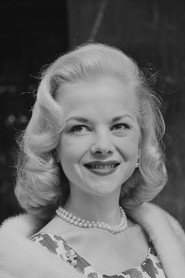 Helene StanleyYvette Baranga

 Mikhail RasumnyBaranga
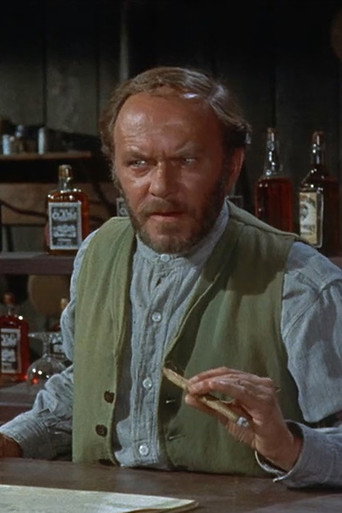 William PhillipsSam, Evans' Chauffeur
- Amparo IturbiAmparo Iturbi