
Film
Xanadu
- Musical
- Light-hearted
A 1980 musical-fantasy where Olivia Newton-John plays a muse who descends to Earth to inspire two men to build a disco roller rink. It's gorgeously shot, wildly earnest, and tonally bizarre—equal parts romance, dance sequences, and cosmic whimsy. For those who love ambitious failures, 80s kitsch, or musicals that swing for the fences and miss spectacularly.
Should you watch it?
Watch it if you enjoy unembarrassed camp, where a story about a muse and a roller rink is played with total sincerity and its glossy pop numbers carry the emotional weight.
Skip it if you want a tight plot or sharp tone; this is loose, sugary and happy to wander, with talk that often feels like a bridge to the next number.
What it asks of you: Ninety-six minutes, brisk and light, with the attention going mostly to the dance numbers and bright visual fizz rather than to any slow build of feeling.
Not sure? Find tonight's pick in a minute.
If you liked this
Singin' in the Rain1952
Gene Kelly at his absolute peak, with infectious joy and technical brilliance. The romance, dancing, and pure entertainment value justify its permanent place in cinema history.
But It's seventy years old and moves at a different pace. The plot is paper-thin, and if you're not in the mood for unironic MGM charm, it'll feel achingly slow.

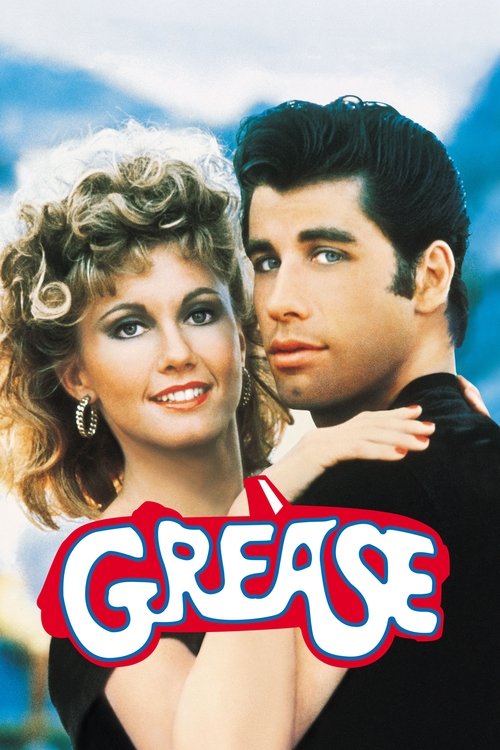
Grease1978
The closest spiritual cousin to Xanadu: an earnest, colorful musical with massive production numbers and genuine warmth. Sandy and Danny's arc has the same star-crossed energy.
But It's another product of its era's musical sensibility—campy, occasionally dated, and the gender politics will make you wince.
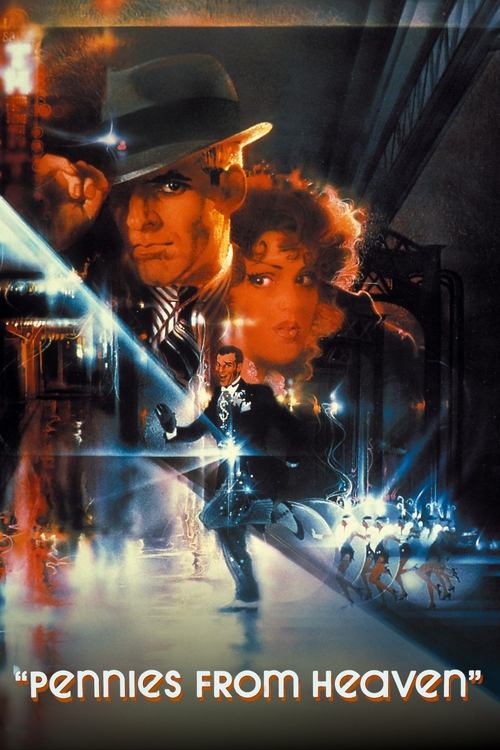
Pennies from Heaven1981
A melancholic musical where reality and fantasy collide through song and dance. Like Xanadu, it believes wholeheartedly in the power of music to transcend despair and inspire.
But It's far darker and more dramatically serious. The tone shifts between mundane 1930s hardship and stunning fantasy sequences can feel jarring rather than magical.
Not sure tonight? Get a pick in a minute, starting from Xanadu
The wildcard
Something you would not have found on your own.
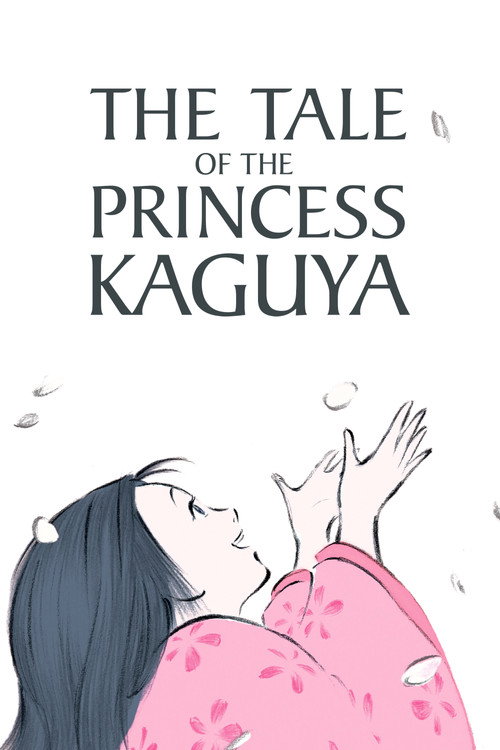
The Tale of The Princess Kaguya2013
Both center on a magical figure descending into the human world to inspire mortals; both use visual spectacle to render the otherworldly. Both ask: what does it mean when the infinite touches the finite?
A Japanese animated film about a supernatural being living among humans, inspiring wonder while remaining fundamentally alien. Uses watercolor animation to achieve what Xanadu attempted with special effects—rendering the transcendent visible.
But It's a 2-hour meditation on mortality and loss, not a romance or a crowd-pleaser. The pacing is deliberate and melancholic, and the ending is bittersweet rather than triumphant.
More like this (8)
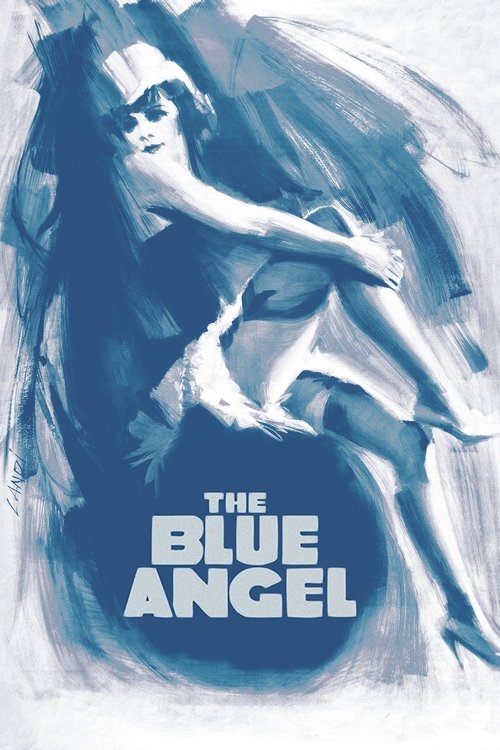
The Blue Angel1930
An early example of a muse-figure (Marlene Dietrich) descending into a man's life and transforming it. Gorgeously shot, sensual, and genuinely romantic beneath the strangeness.
But It's German, from 1930, filmed in both German and English. The pacing is glacial by modern standards, and the ending is devastating rather than uplifting.
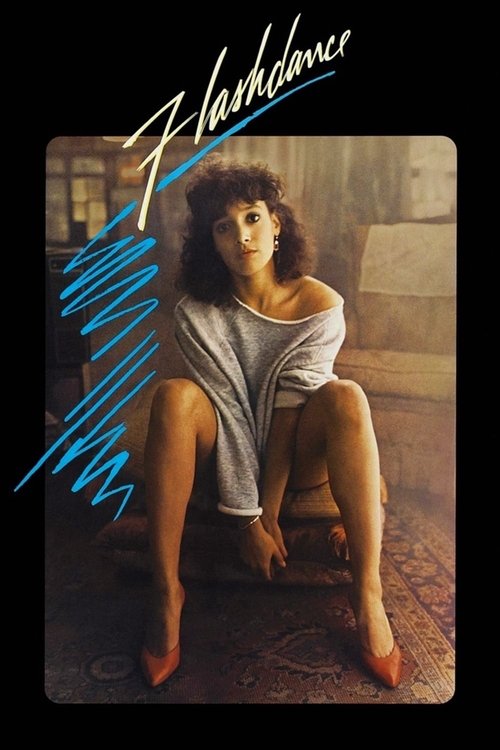
Flashdance1983
Another 80s fever dream about ordinary people pursuing artistic transcendence through movement and passion. Has the same glossy, optimistic energy and faith that dancing solves everything.
But The plot is genuinely paper-thin, the dialogue corny, and the class politics uncomfortable. It's also deeply of its moment, which some find irresistible and others find exhausting.
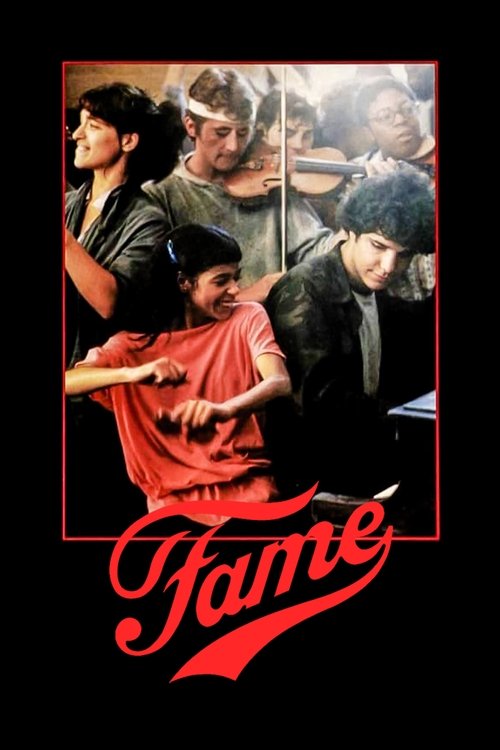
Fame1980
Released the same year as Xanadu, it's equally committed to the idea that art and performance can change lives. Genuinely touching beneath the spectacle, with excellent performances.
But At two and a half hours, it sprawls. The plot threads don't always cohere, and the earnestness can tip into melodrama if you're in a cynical mood.
The Red Shoes1948
A masterpiece about obsession, artistry, and the supernatural. The fantasy ballet sequence is probably the most visually stunning dance number ever filmed—pure cinema magic.
But It's a serious, psychologically complex film about ambition and sacrifice, not a happy escape. The ending is tragic, and the romance is secondary to art's demands.

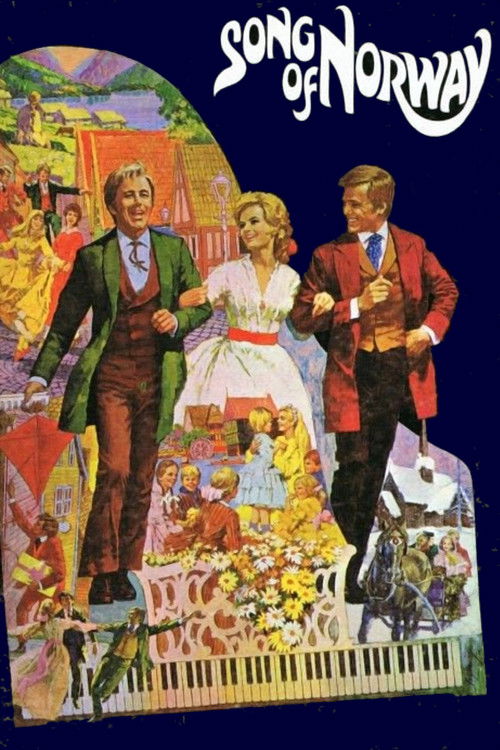
Song of Norway1970
A biographical musical about Edvard Grieg that swings for the fences with massive production numbers. If you like earnest, oversized musicals, it's got a strange grandeur.
But Most people find it overwrought and bloated. It's nearly three hours long, the plot is tedious, and the tonal balance between biography and spectacle never settles.
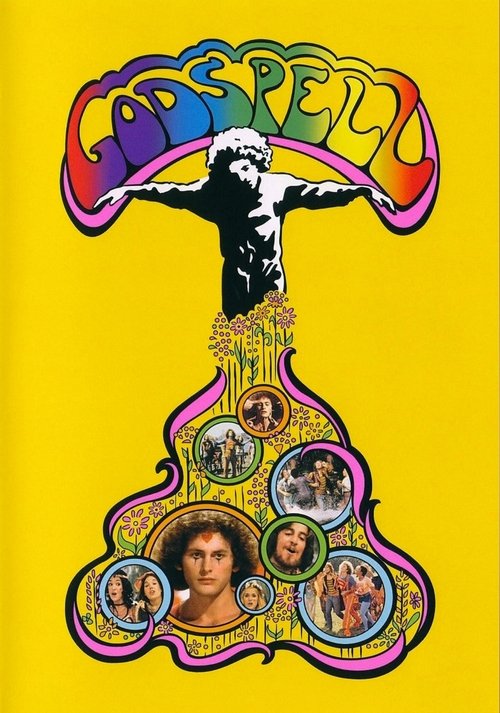
Godspell1973
A joyful, pop-music retelling of the Gospel that believes wholeheartedly in the transformative power of community and performance. Colorful, weird, and genuinely moving.
But The 70s aesthetic has not aged well, and the religious content will either connect or actively repel depending on your relationship to faith.
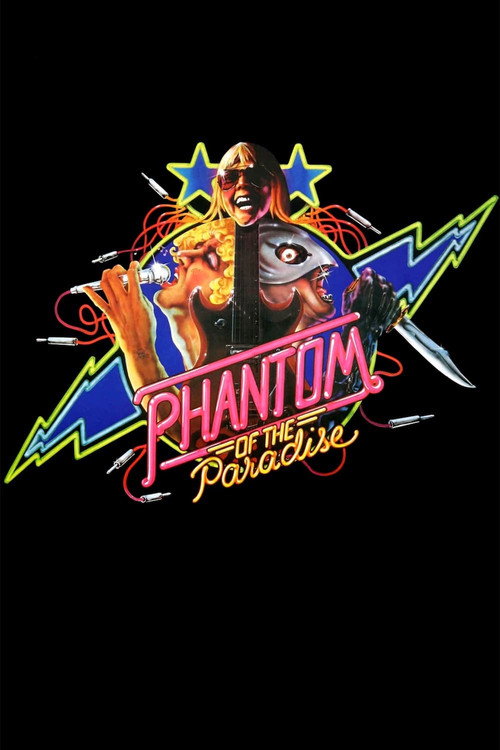
Phantom of the Paradise1974
Both are musicals built around a mythic framework (Paradise Lost vs. Olympus); both use neon-lit architectural spaces as characters. Both ask: what does creation cost, and who pays the price?
A glam-rock opera about artistic obsession set in a nightclub, with stunning set design and unforgettable visual style. It's a musical that takes itself seriously while remaining completely unhinged—committed to its excess.
But It's genuinely disturbing and darkly comic in ways that Xanadu isn't. If you want pure escapism rather than subversion, this willbury you.
Mulholland Drive2001
Both grapple with the mythology of Los Angeles as a place where dreams come true and art happens. Both use visual spectacle to blur reality and fantasy, but where Xanadu believes in the dream, Mulholland Drive shows what happens when the dream collapses.
David Lynch's dream-logic film about two women in Los Angeles, performance, and the collision between fantasy and brutal reality. If Xanadu is optimistic magic, this is the nightmare version—but shot with the same visual intensity.
But It's deliberately confusing, three hours long, and ends ambiguously. If you're looking for narrative clarity or a happy ending, you will be frustrated.

People
Cast

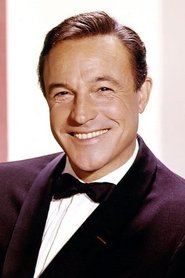 Gene KellyDanny McGuire
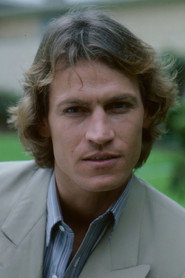 Michael BeckSonny Malone
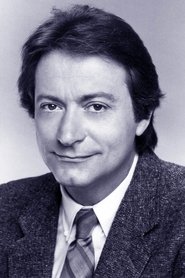 James SloyanSimpson
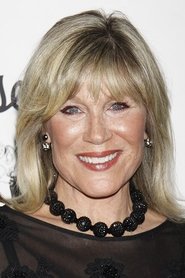 Katie HanleySandra
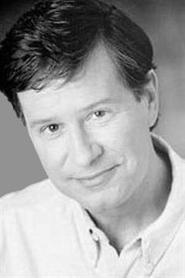 Fred McCarrenRichie

 Dimitra ArlissHelen
 Sandahl BergmanMuse 1
- Lynn LathamMuse 2
- Melinda PhelpsMuse 3
- Cherise BatesMuse 4
Directing
- Robert GreenwaldDirector
- Dan KolsrudFirst Assistant Director
- Lisa MarmonSecond Assistant Director
- Venita Ozols-GrahamSecond Assistant Director
Writing
- Don HartmanOriginal Film Writer
- Edwin BlumOriginal Film Writer
- Harry SegallTheatre Play
- Marc Reid RubelWriter
- Richard Christian DanusWriter
Production
- Terence NelsonAssociate Producer
- Phyllis HuffmanCasting
- Brendan CahillCo-Producer
- Joel SilverCo-Producer
- Lee KramerExecutive Producer
- Lawrence GordonProducer
Recommended by
Grease, Cool as Ice, Grease 2, Roller Boogie, The Apple, Strike Up the Band, Satisfaction, Can't Stop the Music, Sgt. Pepper's Lonely Hearts Club Band, On a Clear Day You Can See Forever, Solarbabies, Girls Just Want to Have Fun, Holiday in Mexico, The Pirate Movie, Skatetown, U.S.A., Nunsense